
When you step into a boutique or scroll through an online catalog, boutique fashion explained helps you picture how a piece will look on you. Yet the true test of a garment lies beneath the surface, in the fibers, construction, and details that determine whether it will hold its shape after a hundred washes or lose its charm after a single season. Knowing how to identify clothing quality empowers you to choose quality clothing that justifies its price, complements your personal style, and lasts longer in a fast‑changing fashion market. Below are the essential checkpoints in the clothing fit guide that every shopper should master before adding an item to the wardrobe.
Read the fabric label and feel the material
The composition of a garment tells a story about its durability, breathability, and how it will behave over time. When comparing natural vs synthetic fabrics, natural fibers such as Egyptian cotton, Merino wool, and silk typically offer superior softness and resilience compared to low‑grade synthetics, while high‑tech blends like Tencel or modal can provide comparable comfort with added moisture‑wicking properties. Pay attention to the thread count on woven fabrics; a count of 200, 300 indicates a tighter weave that resists pilling, while a lower count may signal a cheaper product that will fray quickly. When possible, run your fingers over the cloth; a smooth, slightly weighty feel often signals quality, whereas a thin, plasticky texture usually points to a budget cut.
Beyond the fiber type, consider the fabric types‘ finish and how they react to light. silk clothing care is evident in a subtle sheen on a silk blouse, while a matte, even drape on a linen jacket reveals careful treatment during production. Fabrics that wrinkle excessively after a gentle tug may be poorly finished, while those that settle into a graceful crease suggest a well‑engineered weave. Boutique shoppers often notice that high‑quality garments retain their color vibrancy even after repeated laundering, a sign that the dye has been properly set and that the material will not fade into a dull shade after a few washes.
Inspect stitching, seams, and edge work
Stitching is the backbone of any garment, and the quality of the seams can make or break the piece’s longevity. Look for even, tight stitches that sit flat against the fabric without gaps; a spacing of about 3 mm between stitches is a common benchmark for well‑crafted clothing. Double‑stitched seams, especially at stress points like the sides of pants or the underarms of shirts, provide extra reinforcement and reduce the risk of seam rupture under strain. In contrast, loose or uneven stitching often indicates rushed production and can lead to unraveling after minimal wear.
Finishing the edges of a garment also reveals the maker’s attention to detail. French seams, bound edges, and reinforced hems are hallmarks of superior tailoring, as they conceal raw fabric and protect against fraying. When you examine a jacket’s cuff or a skirt’s hem, the presence of a clean, hidden stitch line suggests that the piece was assembled with care rather than merely glued or overlocked. These subtle cues are especially important for items that will be worn frequently, because strong edge work prevents the garment from losing its shape after repeated washing or dry‑cleaning cycles.
Assess buttons, zippers, and other hardware
Functional details such as buttons, zippers, and clasps are often overlooked, yet they are decisive indicators of overall quality. High‑grade buttons are typically made from natural materials like mother‑of‑pearl or polished metal, and they feel solid rather than plastic when pressed. The stitching that secures a button should be tight and evenly spaced; a loose button not only looks cheap but also risks falling off after a few uses. Metal zippers with smooth operation and a sturdy pull tab signal a garment built to endure daily activity, whereas flimsy, plastic zippers can snag and break with minimal tension.
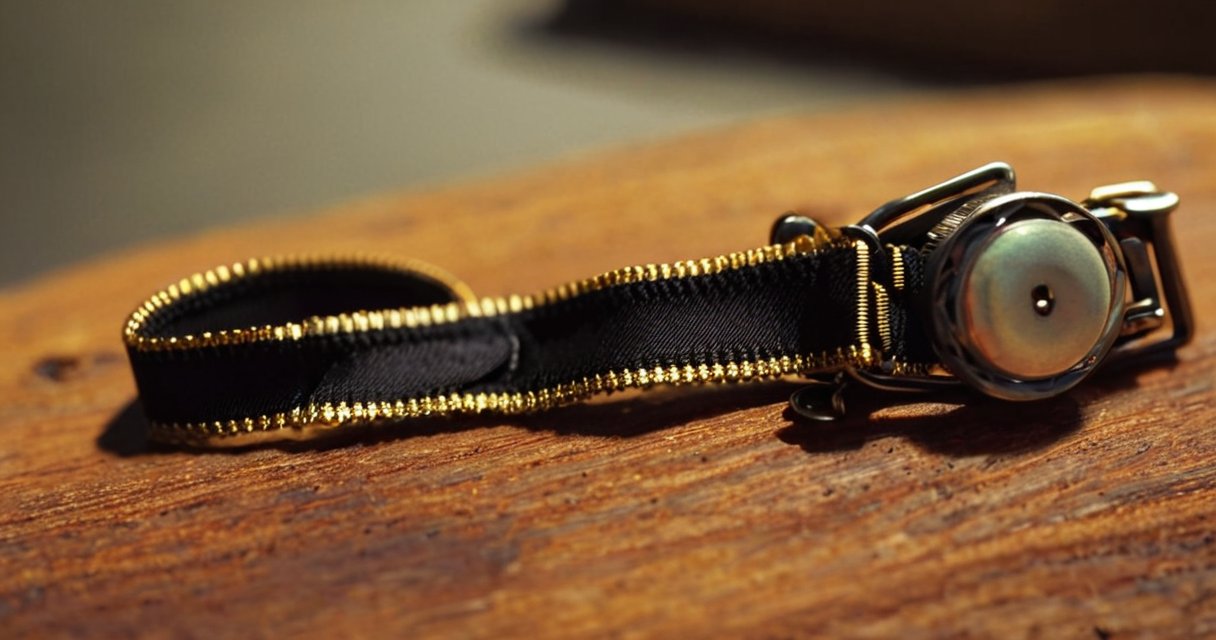
Take a moment to run a finger along the zipper’s teeth; they should interlock cleanly without gaps, and the slider should glide without catching. High‑quality garments often feature reinforced zipper stitching at the top and bottom, which prevents the zipper from pulling away from the fabric. Decorative hardware such as rivets or grommets should be securely set and aligned, showing that the designer prioritized both aesthetics and durability. These small components, while inexpensive in isolation, collectively elevate a piece from disposable fashion to a lasting wardrobe staple.
Check pattern alignment and cut precision
When a garment incorporates prints, stripes, or checks, the alignment of the pattern at seams and edges serves as a litmus test for manufacturing accuracy. A well‑cut piece will have matching motifs across shoulders, sleeves, and front panels, creating a seamless visual flow. Misaligned patterns, especially on tailored items like blazers or dresses, often reveal that the fabric was cut hastily or that the garment was assembled without proper reference to the design. Even with solid colors, the symmetry of lapels, pockets, and darts should be consistent; any irregularity can betray a lack of precision in the cutting process.
Beyond pattern matching, the overall silhouette of the garment provides clues about the quality of its construction. A coat that drapes evenly around the body, with shoulders that sit naturally and sleeves that fall just at the wrist, indicates that the pattern was graded correctly for the intended size range. Conversely, garments that pull at the bust, gape at the hips, or have sleeves that are noticeably longer or shorter suggest that the pattern was not adjusted properly for the specific cut. Paying attention to these details helps you avoid pieces that will require costly alterations or that will look unflattering after a short period of wear.
Examine lining, interfacing, and internal structure
The interior of a clothing item often hides the true craftsmanship, especially in structured pieces such as jackets, coats, and tailored trousers. A smooth, breathable lining, commonly made from silk, cupro, or high‑quality polyester, allows the garment to glide over the body while also protecting the outer fabric from sweat and friction. Poorly attached linings that shift or bunch up indicate that the piece was assembled with minimal attention, which can lead to premature wear of both the lining and the outer material.
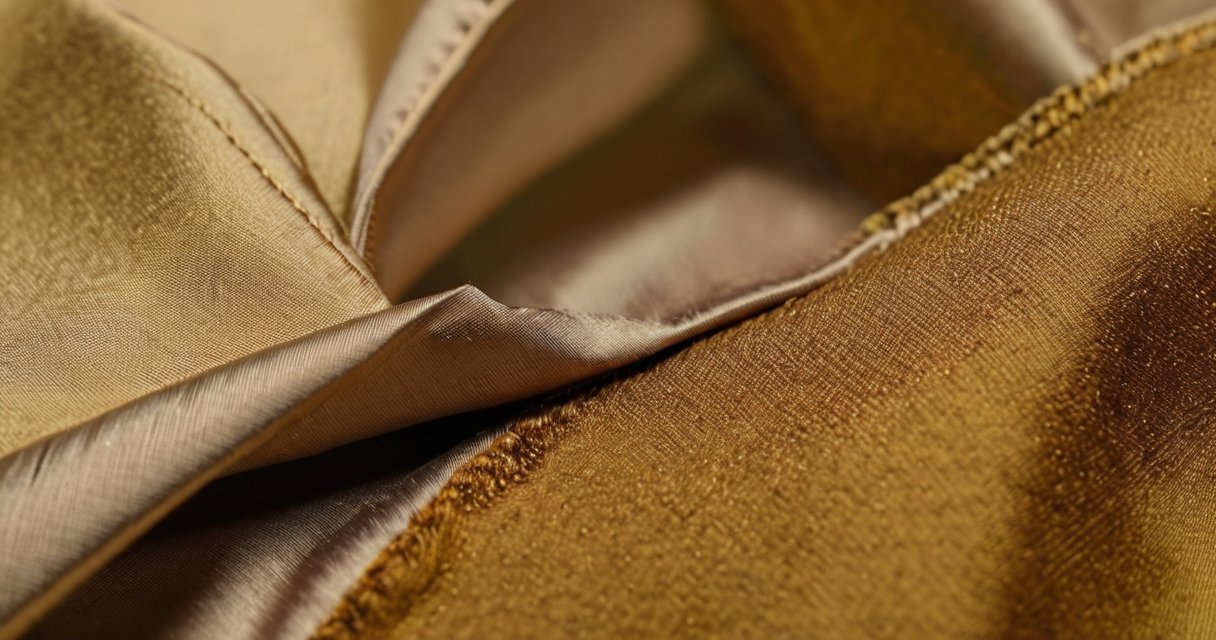
Interfacing, the supportive layer that adds shape to collars, cuffs, and front panels, should be firmly bonded without visible seams or glue marks. When you press a button area, a solid feel without give suggests that the interfacing is correctly placed and will retain its form over time. In addition, reinforced canvas or fused layers in jeans and workwear act as a backbone that prevents stretching and sagging. By inspecting these internal components, you gain confidence that the garment will maintain its intended silhouette and performance, even after frequent washing or heavy use.
Interpret price, brand reputation, and sustainable sourcing
While a higher price tag does not automatically guarantee superior quality, it often reflects the cost of better materials, skilled labor, and ethical production practices. how boutiques select collections is reflected in established boutiques that curate their collections, sourcing from manufacturers with transparent supply chains, which reduces the likelihood of shortcuts such as inferior stitching or low‑grade fabrics. Look for brands that publish information about their sourcing, such as using organic cotton or recycled polyester, as these commitments usually accompany stricter quality controls.
Comparing similar items across different price points can reveal the value proposition of each piece. For example, a cashmere sweater priced at $250 from a reputable boutique is likely to feature a higher fiber count, tighter knitting, and hand‑finished edges, whereas a $80 version may rely on blended fibers and machine‑stitched seams. By weighing the long‑term durability and timeless style against the initial cost, you can make informed decisions that enhance your wardrobe without falling prey to fleeting trends or disposable fashion. This approach not only benefits your personal style but also supports a more sustainable fashion ecosystem.

I’ve always loved curating unique looks and exploring how personal style can tell a story. Working as a freelance fashion enthusiast, I enjoy discovering emerging designers and sharing practical tips for building a timeless wardrobe.