What is Boutique Fashion?
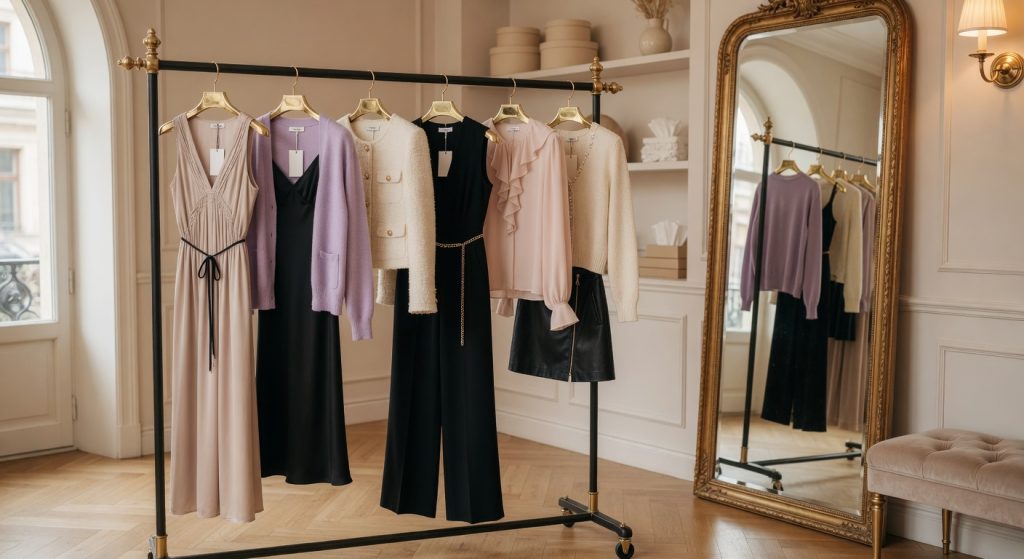
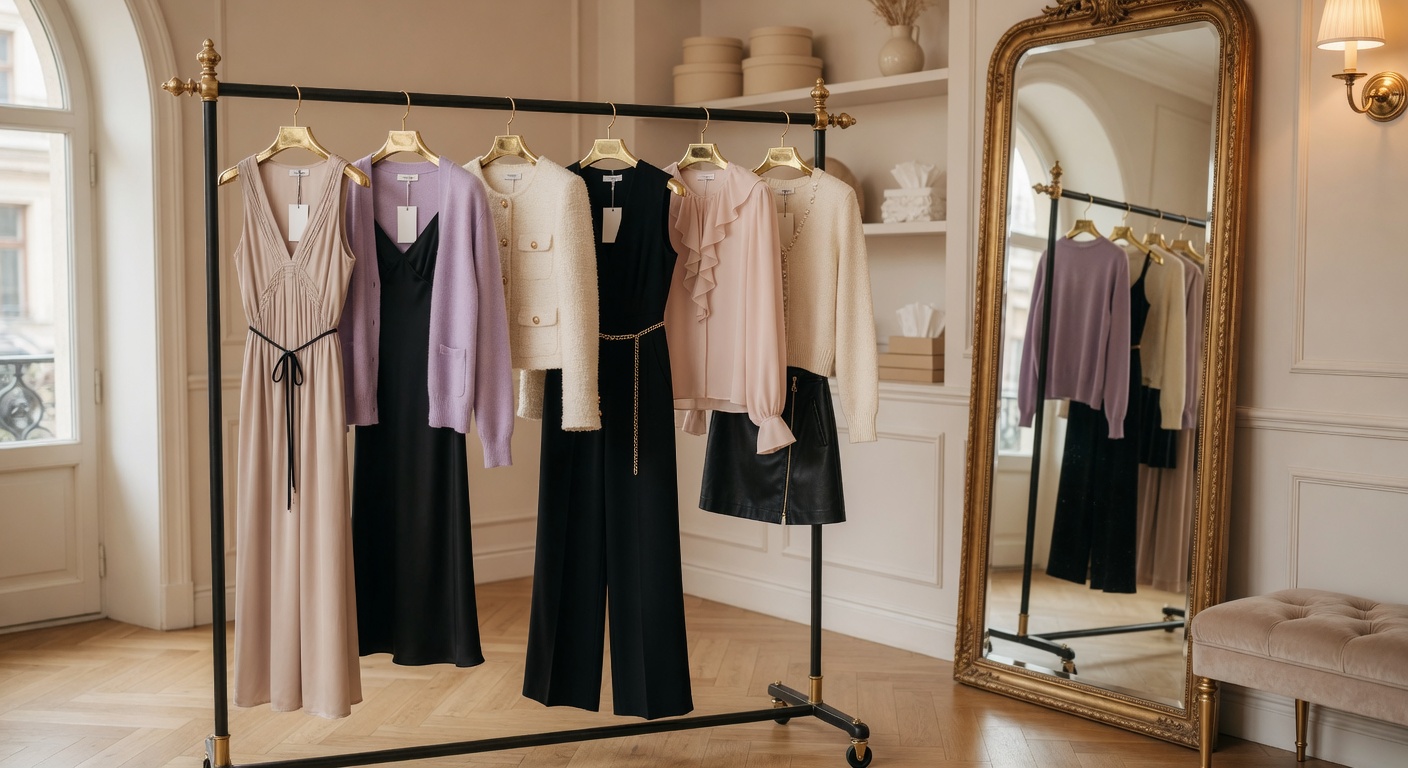
Boutique fashion refers to a specialized sector within the fashion industry focused on unique clothing offerings crafted by small fashion brands. Unlike mainstream fashion, which caters to mass markets with mass-produced items, boutique fashion emphasizes individuality, exclusivity, and a personal touch in every piece. This approach attracts fashion enthusiasts who seek distinctive styles that set them apart from the crowd.
The origins of boutique fashion can be traced back to small, independently owned shops or studios that emerged as alternatives to larger department stores and chain retailers. These boutiques were often the first to spot emerging trends and celebrate artisanal craftsmanship. Early boutiques operated as curated spaces where designers could showcase their work directly to customers, fostering a close-knit community of fashion aficionados and creators.
The core differentiation between boutique fashion and mainstream fashion lies in the scale and philosophy of production. Mainstream fashion usually mass-produces apparel to meet the demands of a broad consumer base, which often involves compromising on personal uniqueness and quality. In contrast, boutique fashion prioritizes limited production runs, high-quality materials, and meticulous attention to detail, making each garment a piece of art. This focus enables boutiques to maintain a distinctive identity, reinforcing their brands as sources of originality and craftsmanship.
Another key feature of boutique fashion is its commitment to supporting small fashion brands. These designers often operate independently or in small teams, allowing them to experiment with bold designs and sustainable practices that larger brands may find too risky or costly. By choosing boutique fashion, consumers contribute to the growth of smaller enterprises and the preservation of creative diversity within the fashion landscape.
In summary, boutique fashion embodies a passion for unique clothing created by small fashion brands with an emphasis on quality, exclusivity, and innovation. It grew as a response to the homogeneous nature of mainstream fashion and continues to flourish by catering to those who appreciate distinctiveness and individuality in their wardrobe choices.
Characteristics of Boutique Fashion
Boutique fashion is distinguished by its unique designs that set it apart from mass-produced clothing. Each piece is carefully crafted to offer exclusivity, often reflecting the designer’s personal touch and creative vision. Unlike mainstream fashion, boutique clothing tends to be produced in limited editions, ensuring that wearers can enjoy a sense of rarity and individuality in their wardrobe.
The production scale of boutique fashion is intentionally kept small to maintain high standards of quality and attention to detail. Many items are handcrafted, which not only adds to their uniqueness but also ensures superior craftsmanship. This artisanal approach highlights the dedication and skill involved in making each garment, elevating it beyond ordinary clothing.
Exclusivity is a key feature of boutique fashion, appealing to consumers who seek distinctive styles rather than generic options. The combination of unique designs, limited edition runs, and handcrafted elements makes boutique fashion a symbol of sophistication and personal expression. It allows fashion enthusiasts to stand out by wearing clothes that are not just trendy but also genuinely one-of-a-kind.
How Boutique Fashion Differs from Fast Fashion
Boutique fashion and fast fashion differ significantly in their approach to production, quality, and ethics. While fast fashion focuses on rapidly producing large volumes of inexpensive clothing to meet current trends, boutique fashion emphasizes quality craftsmanship and unique design. This distinction is key when comparing boutique vs fast fashion, as boutique items are often handmade or produced in small batches, ensuring better attention to detail and durability.
One of the most notable contrasts is the quality of materials and construction. Boutique fashion prioritizes high-quality fabrics and meticulous construction methods that result in garments designed to last longer compared to the often low-cost, mass-produced items typical of fast fashion. Consequently, boutique fashion appeals to consumers who value longevity and are willing to invest more in their wardrobe.
Ethical considerations also set boutique fashion apart. Fast fashion has been widely criticized for its negative impact on workers’ rights and poor labor conditions in factories. In contrast, ethical fashion practices are a cornerstone of many boutiques, which strive to ensure fair wages, safe working environments, and sustainable sourcing of materials. This shift towards ethical fashion is becoming increasingly important to consumers who want their clothing choices to reflect their values.
Moreover, sustainability is a fundamental aspect where boutique fashion excels. With a focus on limited production and quality over quantity, boutique brands reduce waste and environmental harm often associated with fast fashion’s disposable culture. By choosing boutique fashion, consumers contribute to a more sustainable industry that supports both the planet and its people.
Benefits of Choosing Boutique Fashion
When it comes to fashion, opting for boutique clothing offers a range of significant benefits that go beyond just style. One of the primary advantages is the exceptional quality of boutique fashion items. Unlike mass-produced garments, boutique clothing is often crafted with meticulous attention to detail and superior materials, ensuring durability and a refined finish. This commitment to quality results in pieces that not only look better but also last longer, providing greater value for your investment.
Another key benefit of boutique fashion is the individuality it brings to your wardrobe. Boutique designers focus on unique, often handmade or limited-edition items that stand out from mass-market clothing. This means you can embrace your personal style with pieces that are distinctive and exclusive, helping you express yourself in ways that big-box retailers simply cannot offer. Wearing boutique fashion allows you to avoid the commonality of mass-produced trends and instead celebrate originality and creativity.
Beyond quality and uniqueness, choosing boutique fashion supports small businesses and independent designers. By purchasing from boutique shops, you contribute to the livelihood of artisans and entrepreneurs who prioritize craftsmanship and ethical production. This support fosters local economies and encourages a more diverse and vibrant fashion industry, reducing reliance on large corporations and the commercial fashion machine.
Sustainability is an increasingly important consideration in fashion today, and boutique clothing often represents a more environment-friendly choice. Many boutique designers use sustainable practices, including ethically sourced fabrics, reduced waste methods, and slow fashion principles that discourage overconsumption. By investing in boutique fashion, you help promote sustainable alternatives that minimize environmental impact and promote a healthier planet.
In summary, the benefits of choosing boutique fashion are substantial. From superior quality and unique designs to supporting small businesses and championing sustainable fashion, boutique clothing offers a meaningful and stylish alternative to mainstream options. Making boutique fashion a part of your wardrobe not only elevates your style but also aligns with values that enhance the fashion industry and our environment.
Supporting Local and Independent Designers
Purchasing boutique fashion is a powerful way to support local designers and independent brands, fostering a thriving artisan fashion community. When you choose to buy from boutique stores, you’re investing in the creativity and craftsmanship of individuals who pour their passion into every piece they create. This not only helps sustain the livelihoods of these talented designers but also encourages the preservation of unique techniques and styles that might otherwise be lost in mass production.
Independent brands often emphasize quality over quantity, delivering exclusive designs that stand out from mainstream fashion. Supporting these brands means contributing to a diverse and vibrant fashion landscape, one that celebrates originality and personal expression. Moreover, your purchase has a direct community impact by boosting local economies. Money spent within a community helps small businesses grow and can create jobs, improving economic stability in the area.
Artisan fashion typically involves hands-on production processes, using sustainable methods and local materials, which further benefits the environment and local suppliers. By choosing boutique fashion, consumers play an active role in promoting ethical fashion practices, reducing the environmental footprint associated with fast fashion. In summary, supporting local designers and independent brands through boutique fashion choices nurtures creativity, strengthens communities, and fosters a more sustainable future.
Sustainability and Ethical Production
Boutique fashion is often synonymous with sustainability and ethical fashion, as many small-scale producers focus on eco-friendly and responsible practices. Unlike mass-produced clothing, boutique brands typically emphasize slow fashion, prioritizing quality over quantity. This approach helps reduce waste and environmental impact by creating timeless pieces that last longer, rather than disposable fast fashion items.
Many boutique fashion producers source their materials from sustainable suppliers, often choosing organic, recycled, or biodegradable fabrics. These materials are better for the environment as they require less water, chemicals, and energy to produce, contributing to a smaller carbon footprint. Ethical fashion is also reflected in the fair treatment of workers, as boutique brands often ensure safe working conditions and fair wages for their artisans and employees.
Another common sustainable practice in boutique fashion is the limited production runs, which help prevent overproduction and excess inventory. This not only supports eco-friendly values but also adds uniqueness and exclusivity to each garment. Additionally, many boutique designers promote transparency in their supply chains, allowing customers to make informed choices and support brands aligned with their values.
In summary, boutique fashion serves as a model for integrating sustainability and ethical production by focusing on slow fashion principles, eco-friendly materials, and fair labor practices. This conscious approach benefits both the environment and the communities involved in the production process.
How to Shop Boutique Fashion
Shopping for boutique fashion offers a unique and personalized experience that differs greatly from shopping at mainstream stores. Whether you prefer exploring physical boutique stores or browsing online boutiques, there are practical tips to enhance your shopping journey and help you find truly special pieces.
First, when visiting boutique stores in person, take your time to explore the curated selections. Boutique shops often focus on quality over quantity, so pay attention to the craftsmanship and distinctiveness of items. Don’t hesitate to ask shop staff for fashion advice or details about the designers they feature. Their insights can guide you to pieces that best suit your style and occasion.
Another shopping tip for physical boutiques is to build relationships with store owners or managers. Many boutiques offer early access to new collections, exclusive discounts, or personal shopping appointments to loyal customers. This kind of connection can truly elevate your boutique shopping experience.
When it comes to online boutiques, begin by researching reputable websites and verifying customer reviews. Online boutique stores often showcase unique fashion from independent designers and limited-edition collections, providing a range of styles not found elsewhere. Bookmark your favorite online boutiques and subscribe to their newsletters for updates on new arrivals and exclusive offers.
Shopping tips for online boutiques include checking size guides carefully and looking at customer photos when available. Boutique fashion online sometimes means dealing with smaller production runs, so if you find something you love, act swiftly to ensure you don’t miss out. Also, review return and exchange policies beforehand to secure a worry-free purchase.
Finally, combine both in-store and online shopping strategies to fully enjoy boutique fashion. Experiment with different boutiques, both local and global, and gather fashion advice from stylists or fellow enthusiasts to refine your own unique style. Boutique fashion is all about individuality, so embrace the journey of discovery with patience and passion.
Finding the Right Boutique for Your Style
Choosing the perfect boutique that aligns with your personal style is essential to creating a wardrobe that truly reflects who you are. Start by understanding your own fashion preferences—consider the colors, cuts, and fabrics that resonate with your unique aesthetic. When you visit boutiques, pay close attention to their curated collections and see if they showcase pieces that complement your style. This style matching is crucial for ensuring that your boutique selection feels authentic and satisfying.
Look for boutiques that specialize in the types of clothing or accessories you love. Some may focus on avant-garde designs, while others prioritize classic and timeless fashion. Take your time to explore different stores, both online and offline, and don’t hesitate to ask the staff for fashion tips—they often have invaluable insight into trends and how to incorporate them into your personal style. The right boutique will not only offer quality items but will also inspire you to embrace and enhance your individuality.
Remember, finding a boutique that matches your fashion sensibilities is a journey. Keep an open mind, experiment, and trust your instincts. By following these guidelines, your boutique selection will be a rewarding experience that elevates your wardrobe and reflects your true personal style.
Tips for Buying Boutique Fashion Online
Shopping at online boutiques offers a unique opportunity to find one-of-a-kind fashion pieces, but it also requires careful planning to ensure a smooth experience. To confidently purchase boutique items online, there are several key shopping tips to keep in mind. First, always review the boutique’s return policies before placing an order. Boutique return policies can vary greatly, so understanding the terms helps avoid surprises if the item doesn’t meet your expectations or fit correctly.
Secondly, pay close attention to the size guides provided by online boutiques. Since sizing can differ between brands and designers, consulting detailed size charts is crucial for selecting the right fit. If possible, compare the measurements with items you already own to make a more informed choice. Additionally, check product descriptions thoroughly for any notes about fabric stretch or fit style, as these details affect how a garment will wear.
It’s also wise to read customer reviews and look for photos from previous buyers, which many online boutiques feature to give you a clearer idea of how the pieces look and feel in real life. If the boutique offers customer support chats or email assistance, don’t hesitate to ask specific questions to clarify any concerns before purchasing.
By following these tips—reviewing return policies, consulting detailed size guides, and utilizing customer feedback—you can shop confidently and safely, enhancing your experience with online boutiques while building a wardrobe full of carefully chosen, stylish pieces.

I’ve always loved curating unique looks and exploring how personal style can tell a story. Working as a freelance fashion enthusiast, I enjoy discovering emerging designers and sharing practical tips for building a timeless wardrobe.