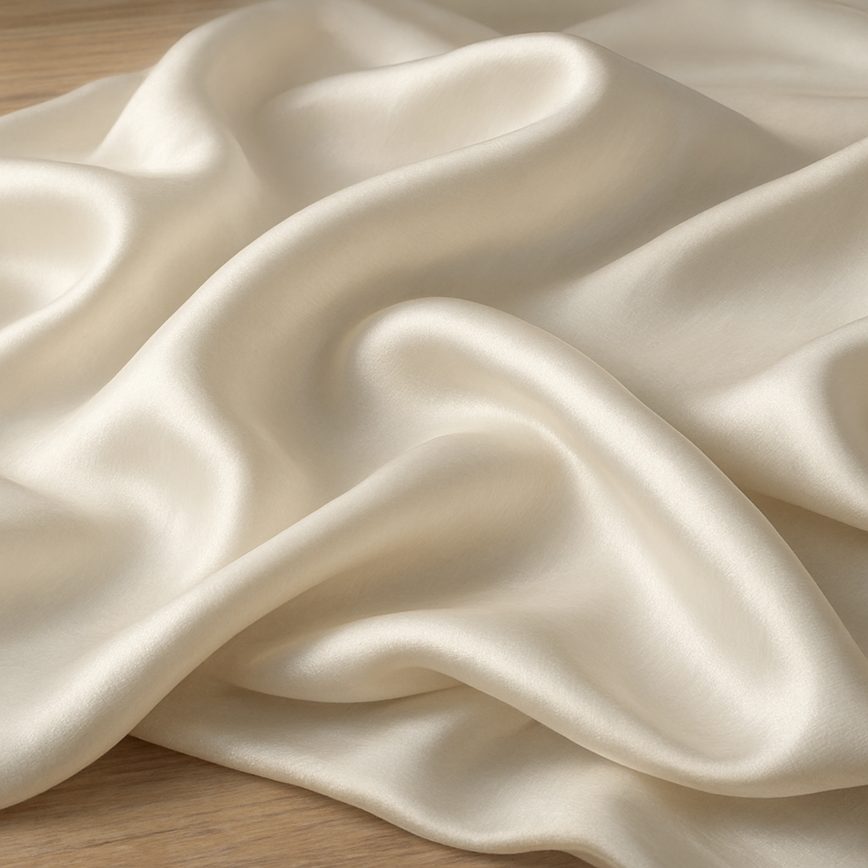
Understanding Silk Fabric
Silk fabric is a luxurious and natural textile known for its exceptional qualities and rich history. Originating from the silkworm, silk is produced through a natural process where the caterpillars of the Bombyx mori moth spin cocoons made of raw silk fibers. These fibers are then carefully harvested and woven into fabric, making silk one of the most valued and prized materials in the world of textiles.
One of the defining characteristics of silk fabric is its remarkable softness and smooth texture, which provides a comfortable and pleasant feel against the skin. This luxurious fabric also boasts a natural sheen that reflects light beautifully, giving it a radiant and elegant appearance. Beyond its aesthetic appeal, silk is highly breathable and lightweight, allowing for excellent temperature regulation, keeping the wearer cool in summer and warm in winter. These unique silk qualities make it a favored choice for clothing, upholstery, and accessories.
When exploring the types of silk, two of the most common varieties are mulberry silk and tussah silk. Mulberry silk is the most widely produced and finest quality silk obtained from silkworms that are fed exclusively on mulberry leaves. This type of silk is prized for its smoothness, strength, and uniform texture, making it ideal for high-end garments and delicate fabrics.
In contrast, tussah silk, also known as wild silk, is produced by silkworms that feed on a variety of leaves other than mulberry, often in a natural or wild environment. Tussah silk tends to have a coarser texture and a more natural, slightly rough look compared to mulberry silk. Its distinctive golden hue and greater durability make it popular for more rustic, casual clothing and home décor items.
Understanding these silk characteristics and types helps consumers appreciate the diversity and value of silk fabric. By recognizing the natural origin and unique properties of silk, one can better care for and select silk garments that enhance comfort and style.
Properties of Silk
Silk is renowned for its exceptional properties that make it a luxurious and sought-after fabric. One of the most notable silk properties is its softness, which gives the fabric a smooth and delicate texture that feels gentle against the skin. This softness requires careful handling during washing and storage to maintain its delicate nature without causing damage.
Despite its delicate feel, silk is surprisingly strong and durable. The natural strength of silk fibers allows the fabric to withstand regular wear while retaining its structure. However, this durability does not mean silk is impervious to damage; exposure to harsh chemicals and rough handling can weaken its fibers, so mild cleaning agents and gentle care methods are essential.
Another crucial characteristic is silk’s breathability. The fabric allows air to pass through easily, which helps regulate body temperature and makes it comfortable to wear in various climates. This breathability also means silk can absorb moisture without feeling wet, but it requires prompt drying to prevent mildew and maintain freshness.
Lastly, the distinctive sheen of silk contributes to its elegant appearance. This natural luster comes from the triangular prism-like structure of silk fibers, which reflect light at different angles. To preserve this sheen, it is important to avoid prolonged exposure to direct sunlight and to store silk garments in a cool, shaded place. Together, these properties—softness, durability, breathability, and sheen—not only define silk fabric but also dictate the special care it needs to stay beautiful and long-lasting.
Common Types of Silk Clothing
Silk garments are renowned for their luxurious feel and elegant appearance. Among the most popular silk clothing items are silk dresses, which are often chosen for their soft texture and graceful drape, making them ideal for both formal events and casual wear. When caring for a silk dress, it is important to hand wash with cold water or opt for dry cleaning to maintain the fabric’s sheen and prevent damage.
Silk scarves are another staple in the world of silk garments. These versatile accessories not only add a touch of sophistication to any outfit but also require gentle care to avoid snags and discoloration. Cleaning silk scarves involves using mild detergent and avoiding wringing or twisting, followed by air drying flat to preserve their delicate fibers.
Silk shirts, favored for their lightweight and breathable qualities, are perfect for both professional and casual settings. To keep silk shirts in pristine condition, it’s recommended to wash them by hand or use a delicate cycle in cold water with a special silk detergent. Always avoid bleach and direct sunlight during drying to maintain the color and fabric integrity.
Each type of silk garment—whether it be a dress, scarf, or shirt—demands special attention to washing and handling. Proper care ensures that these elegant pieces retain their beauty and softness, allowing you to enjoy your silk clothing for years to come.
Proper Care and Maintenance of Silk Clothing
Taking proper care of silk clothing is essential to preserve its delicate texture and luxurious appearance. Understanding the best practices for silk care, including washing silk, drying silk, and silk storage, can significantly extend the life of your garments.
When it comes to washing silk, it is crucial to handle the fabric gently. Always check the care label for specific instructions. Hand washing is generally the safest method. Use lukewarm water mixed with a mild detergent specifically designed for delicate fabrics. Avoid harsh chemicals or bleach, as they can damage the silk fibers. Gently swirl the garment in the water without wringing or twisting it to prevent deformation.
After washing silk, drying it correctly is equally important. Never use a tumble dryer, as the heat can weaken the fabric and cause shrinkage. Instead, lay the silk garment flat on a clean, dry towel and roll it up to remove excess water. Then, reshape the item and dry it flat in a shaded area away from direct sunlight. Hanging silk to dry can cause stretching or distortion, so flat drying is recommended to maintain its shape and texture.
Proper silk storage also plays a vital role in maintaining the quality of your clothing. Store silk garments in a cool, dry place, preferably in a breathable fabric bag to protect them from dust and insects. Avoid plastic bags, as they can trap moisture and lead to mildew. If storing for a long period, consider adding lavender sachets or cedar wood blocks, which naturally repel moths without using harsh chemicals.
By following these silk care techniques—washing silk carefully with mild detergents, drying silk flat and shaded, and ensuring proper silk storage—you will help preserve the longevity and beauty of your silk clothing. When handled with care, silk pieces will continue to feel soft and look vibrant, making them timeless additions to your wardrobe.
Washing Silk Garments Safely
Hand washing silk garments is the safest and most effective way to maintain their delicate fabric and vibrant appearance. To begin with, always select a detergent specifically designed for silk or other delicate fabrics. These silk detergents are gentle and help preserve the natural fibers without causing damage or fading.
When washing silk, cold water washing is essential. Using cold water prevents the silk fibers from shrinking or losing their shape, which often happens with warm or hot water. Fill a basin with cool water, add a small amount of silk detergent, and gently swirl your garment to avoid any rough agitation.
Avoid machine washing silk at all costs. The spinning and tumbling action of washing machines can cause irreversible damage such as stretching, tearing, or weakening of the fibers. Hand wash silk garments carefully and never wring or twist the fabric, as this can distort its shape and texture.
After washing, rinse thoroughly with cold water to remove any detergent residue. Lay the silk garment flat on a clean, dry towel and roll it gently to absorb excess moisture. Then, lay it flat on another dry towel to air dry away from direct sunlight or heat sources. Following these silk cleaning tips will help maintain the garment’s beauty and longevity while keeping it soft and comfortable to wear.
Drying and Ironing Silk
To properly dry silk, it is best to dry silk naturally by air drying. After washing, gently squeeze out excess water without wringing the fabric to avoid damage. Lay the silk garment flat on a clean, dry towel and roll it up to absorb additional moisture. Then, unroll the towel and place the silk item flat or hang it up in a shaded, well-ventilated area. Avoid direct sunlight as it can cause the fabric to fade and weaken over time. Do not use a tumble dryer, as the heat can harm the delicate silk fibers.
When it comes to ironing silk, it is essential to use low heat ironing settings to prevent burns or damage. Set your iron to the silk or low-temperature setting, often marked on modern irons. To further protect the fabric, iron the silk garment inside out or place a pressing cloth over the silk before applying the iron. Avoid using steam, as it can leave water spots on the silk. Move the iron gently and quickly without pressing too hard to maintain the silk’s smooth and luxurious texture. Following these precautions will help extend the life of your silk clothing while keeping it looking fresh and elegant.
Storing Silk Clothing
Proper silk storage is essential to maintain the fabric’s delicate texture and ensure long-lasting silk preservation. When storing your silk clothing, always keep it in a cool, dry place away from direct heat or moisture. The ideal storage temperature should be moderate, avoiding extremes that could damage the fibers.
Protecting silk from sunlight is crucial as exposure to UV rays can cause fading and weaken the fabric over time. Always store silk garments in a dark or shaded area to avoid sunlight. If hanging your silk clothes, use padded hangers that support the shape of the garment and prevent stress marks or stretching on the shoulders.
Using breathable covers instead of plastic bags is recommended to allow air circulation, preventing moisture buildup and mildew. Cotton garment bags or muslin covers are excellent options for silk storage, helping maintain the fabric’s natural breathability while protecting it from dust and insects.
By following these guidelines—keeping silk away from sunlight, using padded hangers, choosing breathable covers, and storing in a suitable temperature—you can ensure your silk clothing remains beautiful and well-preserved for years to come. Proper silk storage is the key to extending the life and appearance of your precious silk wardrobe.
Common Issues and Troubleshooting in Silk Care
Silk is a delicate fabric that requires careful attention to maintain its luxurious look and feel. Common issues such as silk stains, discoloration, and fabric damage can be challenging to manage but are preventable with the right care techniques. Understanding how to address these problems can extend the life of your silk garments significantly.
One of the most frequent problems with silk clothing is the appearance of stains. Silk stains can be caused by a variety of substances including food, sweat, oils, and even certain cosmetics. Promptly treating stains is crucial. To prevent setting stains, blot gently with a clean cloth and cold water—avoid rubbing as this can damage the fibers. For tougher stains, using a mild detergent specially formulated for silk or taking the item to a professional cleaner is recommended.
Silk discoloration commonly occurs from prolonged exposure to sunlight, perspiration, or improper storage. To prevent discoloration, avoid hanging silk garments in direct sunlight and store them in breathable garment bags. Additionally, always ensure your skin is dry and free from lotions or deodorants that can cause yellowing or other discolorations. When discoloration does occur, some mild dye restoration techniques exist, but these are best left to professional silk repair experts to avoid further damage.
Fabric damage in silk can present as tears, snags, or weakened fibers. Since silk fibers are fine and easily compromised, preventing damage starts with avoiding contact with sharp objects or rough surfaces. When you notice holes or snags, immediate attention is essential. Small tears can sometimes be repaired through careful stitching by a professional specializing in silk repair. Using a stabilizing fabric patch behind the damaged area can provide extra support without affecting the garment’s appearance.
Overall, the key to preserving silk clothing is gentle handling combined with timely intervention at the first sign of trouble. By understanding how to prevent silk stains, manage discoloration, and address fabric damage correctly, you can enjoy the elegance and comfort of your silk wardrobe for many years. Regular inspections and professional cleaning also go a long way in maintaining silk’s inherent beauty and strength.
Removing Stains from Silk
Silk is a delicate fabric that requires careful attention when it comes to stain removal. Whether dealing with protein stains like blood and sweat or oil stains from cosmetics and food, it’s important to use gentle silk cleaning methods to avoid damaging the fibers.
For protein stains, start by blotting the area with cold water to prevent the stain from setting. Avoid hot water as it can cause protein stains to become permanent. Use a mild detergent specifically formulated for silk or a gentle enzyme-based cleaner to break down the proteins without harming the fabric. Apply the cleaner carefully with a soft cloth and rinse thoroughly with cold water.
Oil stains are particularly tricky since they can deeply penetrate silk fibers. Sprinkle cornstarch or talcum powder on the affected area to absorb excess oil. Let it sit for a few hours before gently brushing off. Then, use a small amount of mild detergent mixed with cold water to treat the stain by dabbing gently. Avoid rubbing as it may damage the delicate silk threads.
When handling any stain removal on silk, always test a small inconspicuous area first to ensure the cleaning method won’t alter the fabric’s appearance. After treating stains, allow the silk to air dry away from direct sunlight to maintain its natural luster. By following these careful silk cleaning methods, you can effectively manage silk stain removal while preserving the fabric’s beauty and softness.
Preventing and Repairing Silk Damage
Recognizing early signs of silk tears is crucial to maintaining your silk wear in pristine condition. Look out for small pulls, slight discoloration, or areas where the fabric feels thinner—these are telltale signs of fabric mending needs. Catching these issues early allows for simple DIY repairs that can extend the life of your silk garments.
For minor tears, use a fine needle and silk thread to carefully stitch the damaged area, matching the thread color closely to your silk fabric. Gently press the repairs with a warm iron using a cloth barrier to avoid heat damage. If the tear is more extensive, consider using an iron-on silk patch on the inside of the garment to reinforce the mending.
Preventing damage is equally important. Always handle your silk wear with clean hands and avoid rough surfaces that can cause pulls or snags. Store silk garments in breathable fabric bags, away from direct sunlight and humidity, to prevent fabric weakening. Rotate your silk pieces regularly and avoid wearing them in situations where they might be exposed to excessive friction or harsh chemicals.
By recognizing early signs of silk damage and applying careful fabric mending techniques alongside thoughtful damage prevention, you can preserve the delicate beauty and longevity of your silk clothing.

I’ve always loved curating unique looks and exploring how personal style can tell a story. Working as a freelance fashion enthusiast, I enjoy discovering emerging designers and sharing practical tips for building a timeless wardrobe.