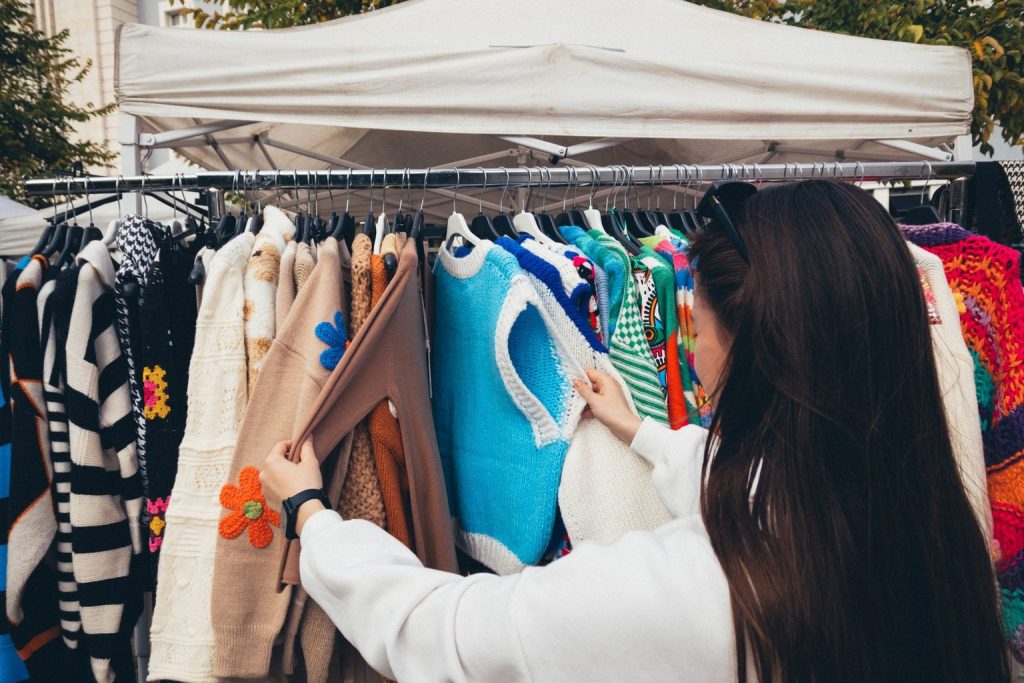
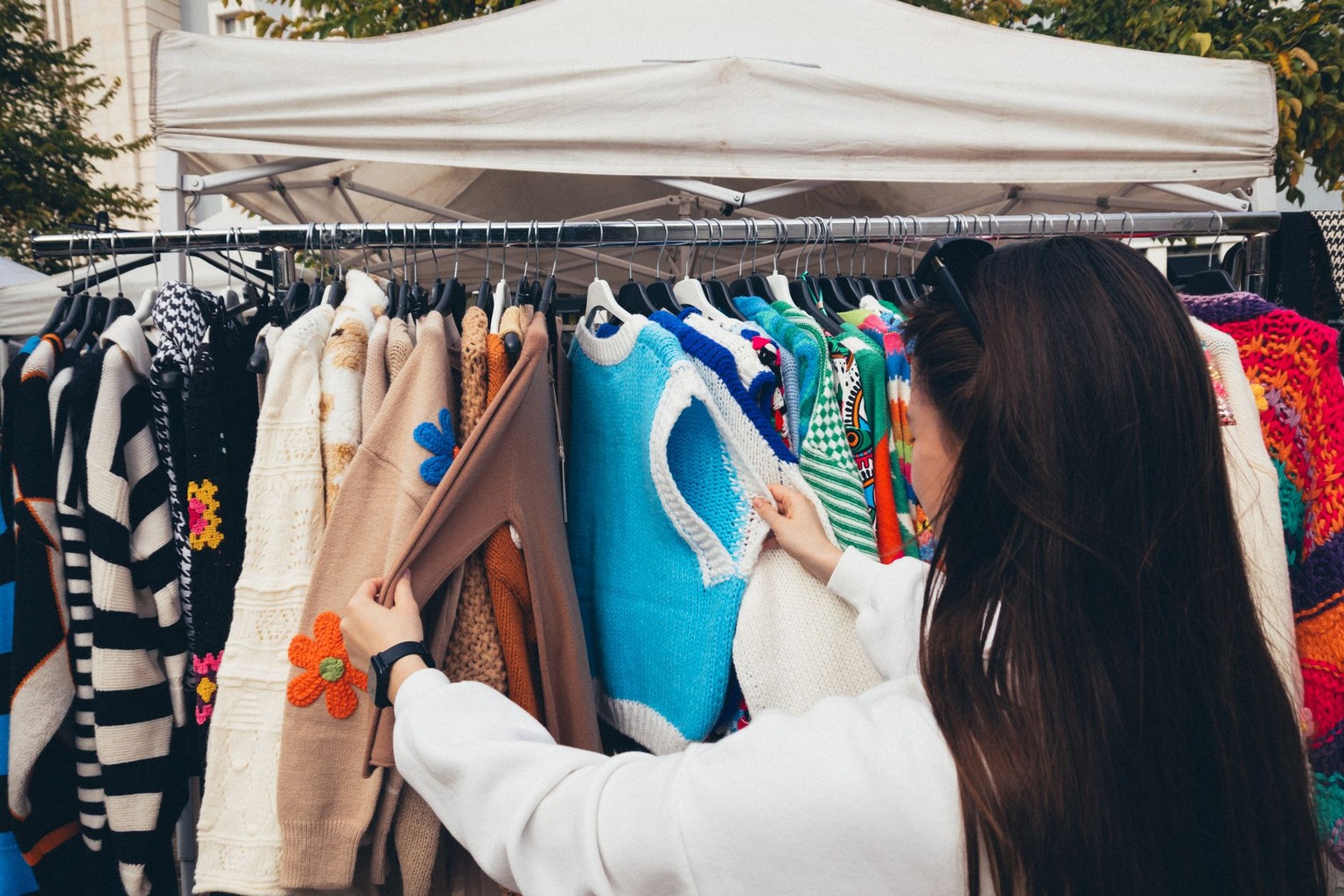
Vintage clothing isn’t just about owning history, it’s about transforming pieces with character into a wardrobe that feels intentionally curated, not randomly assembled. The key lies in understanding how to balance nostalgia with modern sensibilities, ensuring each item doesn’t just exist in your closet but works for you. Whether you’re drawn to the structured tailoring of 1970s blazers, the bold prints of 1980s knits, or the understated elegance of 1950s silhouettes, the right styling techniques can elevate these finds from “interesting” to “essential.” The challenge isn’t just in sourcing the right pieces, it’s in knowing how to wear them without looking like you’ve stepped into a time machine. Here’s how to do it right, step by step.
Start with a Clear Vision of Your Vintage Aesthetic
Before you even begin styling, you need to define what “vintage” means to your personal wardrobe. This isn’t about chasing every decade blindly, it’s about identifying the eras and styles that resonate with your modern lifestyle. For example, if you work in a corporate environment, a 1960s shift dress might feel like overkill, while a tailored 1970s suit could seamlessly blend into your professional rotation. On the other hand, if you’re leaning into a bohemian or streetwear aesthetic, a 1990s band tee or a 1980s oversized blazer could be your go-to pieces. The mistake many make is treating vintage as a monolith, assuming all eras play well together. Instead, pick 2-3 decades that align with your current wardrobe and build from there. Think of it like curating an art collection: you wouldn’t hang a Renaissance painting next to a modern abstract piece without considering the space. The same logic applies to clothing. Start with one era you love, master its styling, and then expand.
Another critical step is assessing the condition of your vintage pieces. A 1950s wool coat might look stunning in photos, but if it’s moth-eaten or missing buttons, it’s not wearable. Invest time in evaluating fabrics, zippers, and structural integrity before you commit to styling. For instance, a 1970s peasant blouse with delicate embroidery might need professional cleaning to avoid fading or snagging. If a piece is beyond repair, consider whether it’s worth restoring or if it’s better suited for display. Quality vintage pieces often have hidden details, like hand-stitched linings or original tags, that add to their value, so inspect these closely. Your goal isn’t just to own vintage; it’s to own wearable vintage that enhances your everyday looks.
Assess the Fit and Modify When Necessary
The fit of a vintage piece can make or break its modern appeal. A 1960s A-line dress might look perfect on a runway model, but if it’s too tight through the bust or drags on the floor, it won’t translate well to your body. The good news is that many vintage garments are designed with adjustable features, think elastic waists, hidden buttons, or drawstrings, that can be tweaked for a contemporary silhouette. For example, a 1980s power suit with a boxy cut might need to be taken in at the waist or let out at the shoulders to fit today’s proportions. If you’re not confident altering clothing yourself, seek out tailors who specialize in vintage garments; they understand the nuances of period fabrics and construction. Another pro tip: if a piece is too long or short, consider strategic alterations like hemming or adding darts to reshape it. The key is to preserve the piece’s vintage charm while making it functional for your lifestyle.
Fabric choice also plays a pivotal role in how a vintage piece wears today. A 1970s polyester shift dress, while iconic, might not be ideal for year-round wear unless you’re in a climate that never drops below 70 degrees. Instead, opt for vintage pieces made from timeless fabrics like wool, cotton, or silk, which hold up better to daily wear. If you find a stunning vintage dress in a delicate lace or brocade, consider wearing it for special occasions rather than every day. Layering is another smart strategy, pairing a vintage silk blouse with a modern knit sweater can soften its formality while keeping it relevant. Don’t be afraid to mix vintage with contemporary pieces; the contrast often creates the most interesting looks. For instance, a 1950s pearl necklace can elevate a simple black T-shirt and jeans outfit, proving that vintage doesn’t have to dominate, it just needs to be the right piece in the right place.
Master the Art of Layering Vintage with Modern Basics
One of the biggest misconceptions about styling vintage is that it requires an entire wardrobe of period pieces. In reality, the magic happens when you layer vintage with modern staples. This approach ensures your look feels intentional and not like a museum exhibit. For example, a 1970s velvet blazer can be paired with a modern white button-down shirt, dark jeans, and ankle boots for a polished yet contemporary office look. The blazer adds texture and history, while the basics keep the outfit grounded in today’s fashion. Similarly, a 1980s oversized sweater can be worn over a fitted black dress to soften its structure and add warmth. The key is to let the vintage piece be the statement, while the modern pieces provide balance. This method also extends the life of your vintage finds, you won’t need to buy a new outfit every time you want to wear a specific piece.
On Gabi Jones, they cover styling vintage pieces, you can watch Styling a 1940s inspired look with target clothes! right here.
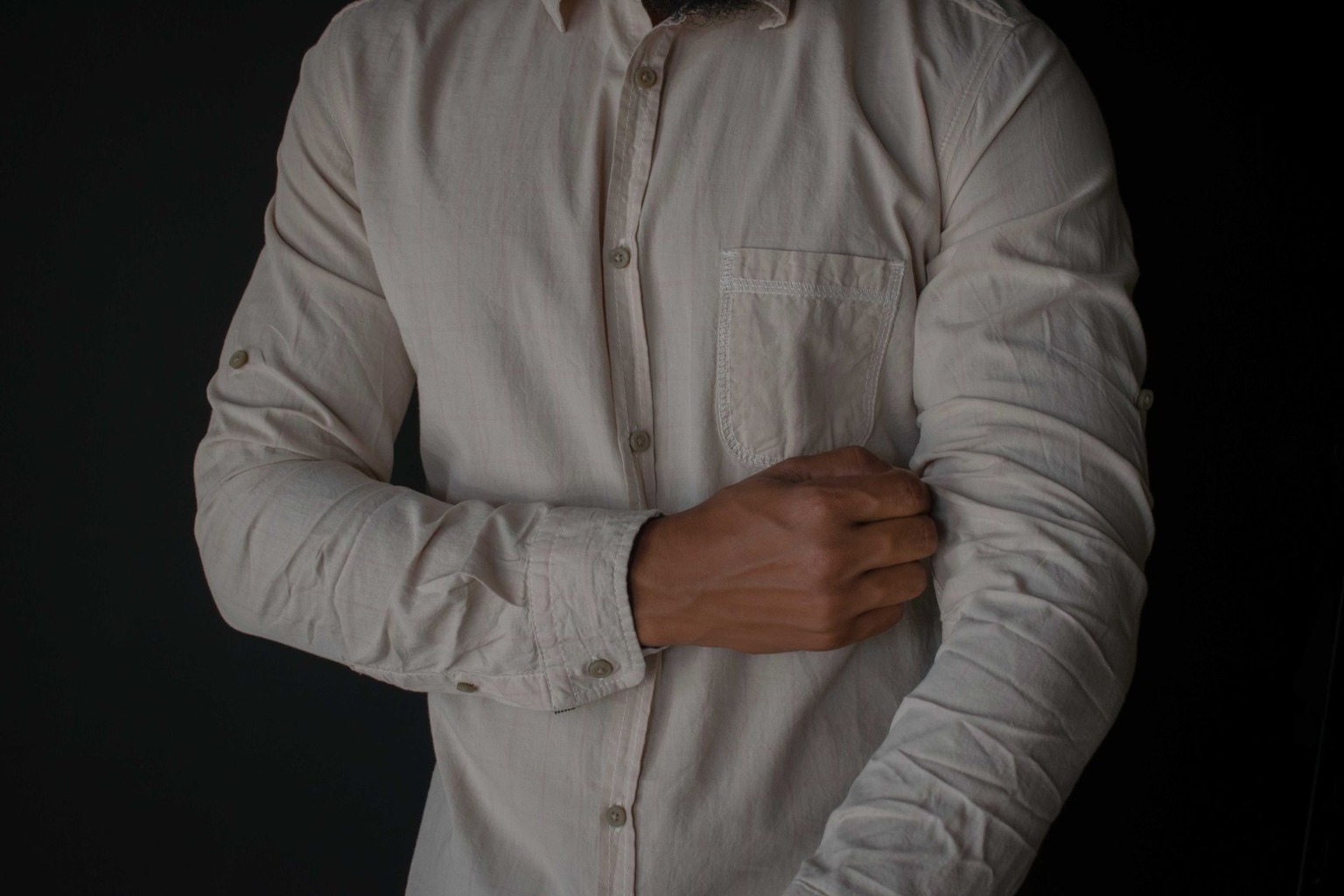
The footwear you choose can also bridge the gap between vintage and modern. A 1960s Mary Jane shoe might look out of place with ripped jeans, but paired with a vintage-inspired midi skirt and a modern graphic tee, it creates a cohesive look. Similarly, a pair of vintage loafers can elevate a simple white shirt and dark pants combo, giving it a retro edge without feeling dated. Accessories are another powerful tool, think vintage scarves, belts, or jewelry that can be swapped in and out to refresh your looks. For instance, a 1950s silk scarf tied around a modern blazer adds a pop of color and pattern without overwhelming the outfit. The goal is to create harmony, not contrast for contrast’s sake. When in doubt, follow the 60-40 rule: let the vintage piece occupy 60% of the visual weight, and the modern pieces fill in the remaining 40%. This ensures your look feels cohesive and intentional.
Understand Color and Pattern Harmony in Vintage Styling
Vintage clothing often comes with bold colors and intricate patterns that can feel overwhelming if not styled thoughtfully. The trick is to use these pieces as focal points while keeping the rest of your outfit neutral or monochromatic. For example, a 1980s neon-colored knit top might look chaotic paired with a floral skirt, but it works beautifully with black pants and white sneakers. The stark contrast makes the neon pop, while the neutrals keep the look from feeling cluttered. Similarly, a 1970s paisley blouse can be worn with a solid-colored midi skirt and minimal jewelry to let the pattern shine. If you’re wearing a vintage piece with a busy pattern, opt for accessories and footwear in complementary colors to tie the look together. For instance, a 1960s geometric-print dress pairs well with a brown leather belt and black boots, creating a cohesive retro-inspired outfit.
Color blocking is another effective technique when styling vintage. Pairing a 1950s red-and-white polka-dot dress with a modern black cardigan and white sneakers creates a striking contrast that feels intentional. The vintage dress provides the pattern and color, while the modern pieces provide structure. If you’re working with a vintage piece in a muted tone, like a 1940s tweed skirt, consider adding a pop of color with a bright accessory or statement shoe. For example, a vintage tweed skirt can be paired with a white blouse, a red blazer, and red heels to create a monochromatic yet vibrant look. The rule here is to let the vintage piece dictate the color palette, and then build the rest of the outfit around it. This approach ensures your look feels cohesive and not like a random assortment of colors and patterns.
Avoid Common Styling Mistakes That Age Vintage Pieces
The biggest mistake many people make when styling vintage is treating it like a costume rather than wearable fashion. This often manifests in two ways: either the pieces are too formal for daily wear, or they’re paired with modern items that clash in texture or proportion. For example, wearing a 1950s formal gown to a casual brunch is impractical, just as pairing a 1970s bell-bottom pant with a modern crop top creates an awkward visual mismatch. The solution is to assess the occasion and adjust your styling accordingly. A 1960s shift dress might be perfect for a daytime event but could look out of place at a nightclub. Similarly, a vintage blazer might be ideal for a professional setting but could feel too stiff for a weekend outing. Always consider the context, where you’re going and what you’ll be doing, before styling your vintage piece. This ensures it complements your lifestyle rather than just your closet.
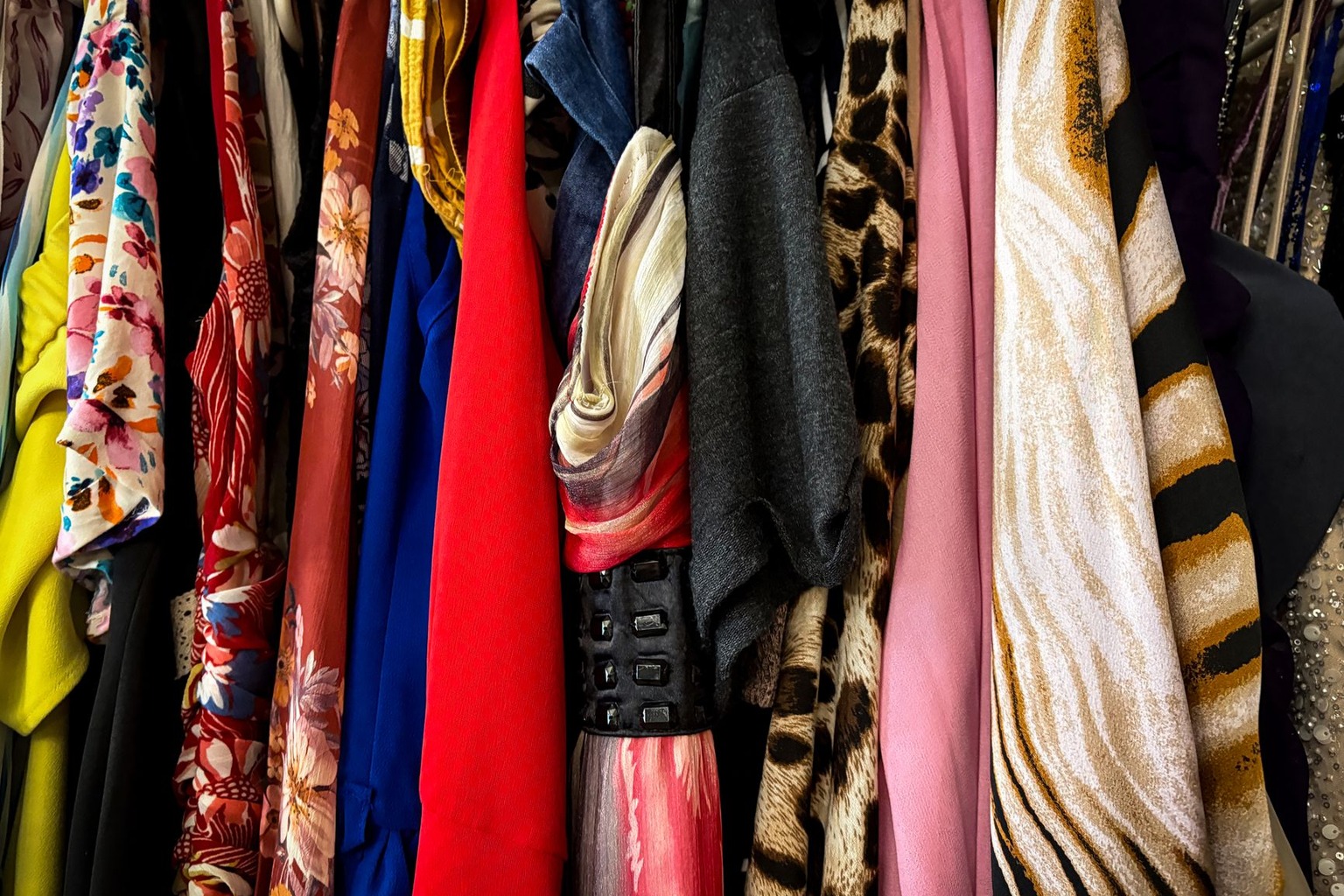
Another common pitfall is ignoring the details that make vintage pieces special. For instance, a 1980s denim jacket might look great on its own, but if you pair it with a modern graphic tee that has a similar color palette, the contrast between the two eras can feel jarring. Instead, look for modern pieces that complement the vintage item’s details, like a vintage jacket’s embroidery or a dress’s lace trim. For example, a 1970s embroidered blouse can be worn with a modern high-waisted skirt and minimal jewelry to highlight its craftsmanship. Similarly, a vintage skirt with a unique waistband can be paired with a simple modern top to let the skirt’s design take center stage. The goal is to enhance the vintage piece’s features rather than hide them. Pay attention to the small details, like buttons, seams, and fabric textures, that give vintage clothing its character, and style your modern pieces to complement them.
Build a Capsule Wardrobe Around Your Vintage Finds
Instead of treating vintage pieces as one-off statements, integrate them into a cohesive capsule wardrobe. This means selecting 2-3 vintage items that align with your personal style and then building modern pieces around them. For example, if you love a 1970s velvet blazer, pair it with a neutral white shirt, dark jeans, and black boots for a versatile office look. Then, add a modern red blazer to create a monochromatic outfit when you want to switch things up. The key is to ensure your vintage pieces can be mixed and matched with your existing wardrobe, so they don’t gather dust. Start with a core of 10-15 modern staples, like black pants, white tees, and neutral blazers, and then introduce your vintage pieces as accents. This approach ensures your vintage finds feel intentional and not like afterthoughts.
Another benefit of building a capsule wardrobe around vintage is that it encourages mindful consumption. Instead of buying new clothing to fill gaps in your wardrobe, you’ll rely on your existing pieces to create new looks. For instance, a vintage silk scarf can be tied around a modern blazer, a vintage belt can cinch a modern dress, and vintage jewelry can elevate a simple outfit. This method not only extends the life of your vintage finds but also reduces the need for constant shopping. Start by identifying the 3-5 vintage pieces you love the most, then experiment with different modern combinations to see what works. Over time, you’ll develop a signature style that blends vintage charm with modern functionality. The result is a wardrobe that feels curated, intentional, and effortlessly stylish.

I’ve always loved curating unique looks and exploring how personal style can tell a story. Working as a freelance fashion enthusiast, I enjoy discovering emerging designers and sharing practical tips for building a timeless wardrobe.