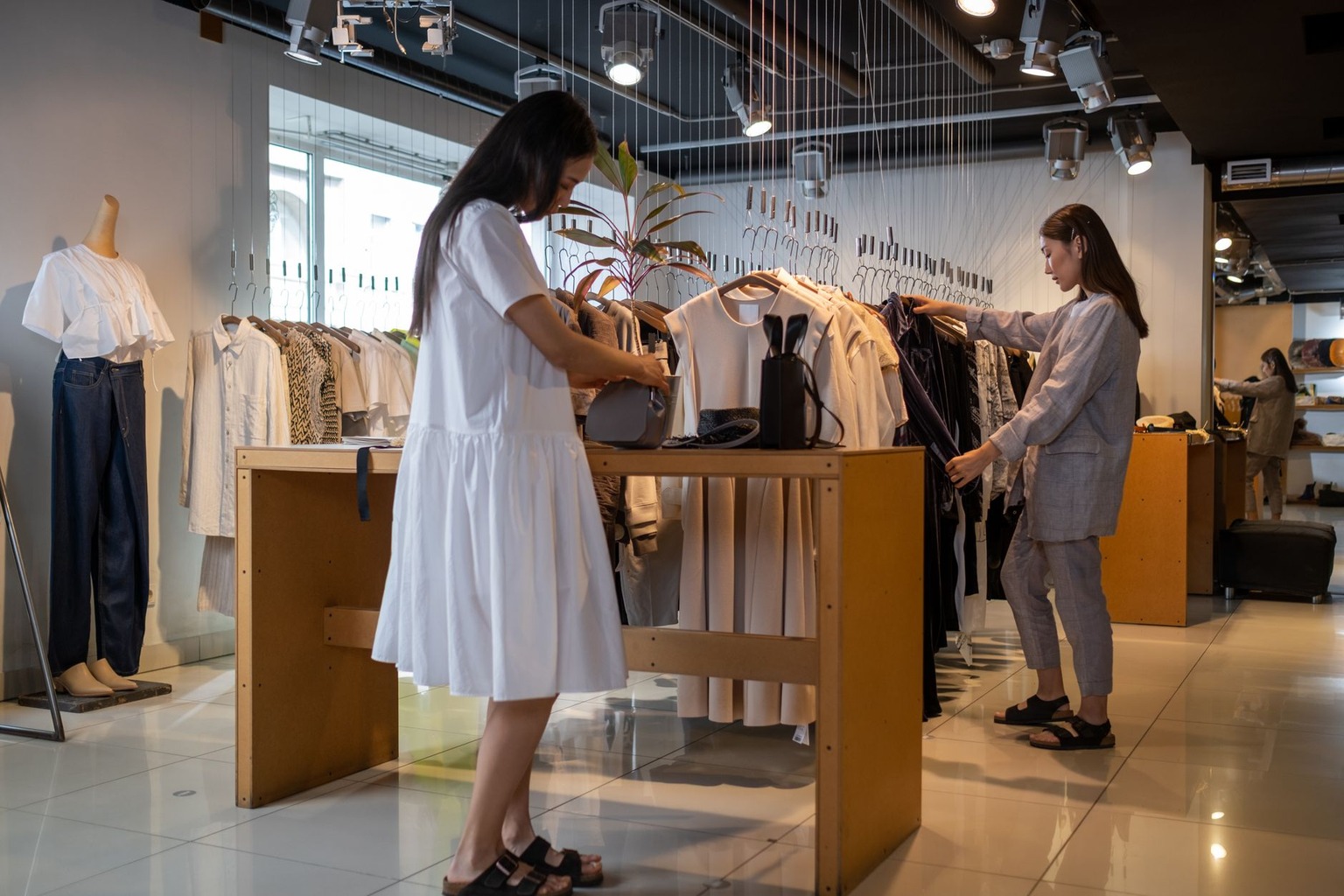
For boutique fashion brands, every moment counts when it comes to driving sales. The right short-term strategies can transform foot traffic into revenue, turning casual browsers into loyal customers. Whether you’re launching a new collection, clearing excess inventory, or simply need a sales boost, these pop-up tactics are designed to create urgency and excitement, without relying on long-term commitments or massive budgets.
Identify Your Boutique’s Immediate Needs Before Launching a Pop-Up
Not every pop-up strategy works for every boutique, short term. Before diving into execution, assess what your store truly needs, a surge in foot traffic, a quick inventory turnover, or brand visibility. If your goal is to move last season’s stock, a limited-time discount pop-up paired with social media hype will work better than a high-end experiential event. On the other hand, if you’re launching a new designer collaboration, a curated fandom event, like one inspired by Gen Z’s love for immersive brand experiences, could draw the right audience. Always tie your pop-up’s theme to a clear objective, whether it’s clearing dead stock or testing demand for a new niche. Without this alignment, even the most creative pop-up risks feeling disjointed or ineffective.
Timing also matters. A pop-up during a major fashion event, like New York Fashion Week, will attract industry insiders and trendsetters, but a smaller, hyper-local event in a trendy neighborhood might better suit a boutique aiming for community engagement. For instance, a pop-up during a city’s annual art festival could attract fashion-forward locals who appreciate aesthetic-driven boutiques. The key is to match the pop-up’s energy to the moment, whether it’s a seasonal shift, a holiday, or a cultural event, so your audience feels compelled to engage immediately.
Leverage Social Media Hype to Drive Foot Traffic for Your Short-Term Pop-Up
Social media isn’t just for posting pretty photos, it’s the backbone of a successful short-term pop-up. Start by teasing the event with behind-the-scenes content, like a countdown to the launch or a sneak peek at exclusive pieces. Platforms like Instagram and TikTok thrive on exclusivity, so create a sense of urgency by offering limited-edition items or early-bird discounts. For example, a boutique could partner with local influencers to showcase the pop-up’s unique offerings, like a capsule collection designed specifically for the event. The goal is to make followers feel like they’re part of something special, not just another shopper.
Hashtag campaigns can amplify reach, but they need to be strategic. Instead of generic tags like #FashionPopUp, use a branded hashtag tied to your boutique’s identity, such as #YourBrandNameXEventName. This not only builds recognition but also makes it easier for your audience to find and share your content. Collaborate with micro-influencers who align with your brand’s aesthetic, Gen Z shoppers, for instance, trust recommendations from creators who feel authentic to their values. A well-executed social media push can turn a pop-up into a buzzworthy event, drawing crowds before the doors even open.
Host a Themed Event That Turns Shoppers into Experiences
Experiential retail isn’t just for luxury brands, it’s a powerful tool for boutiques to create memorable moments. Themed events, like a vintage-inspired brunch or a runway-style showcase, transform shopping into an experience. For a boutique specializing in sustainable fashion, a “Slow Fashion” pop-up could include workshops on ethical sewing or a screening of a documentary on sustainable materials. These events not only attract attention but also position your brand as thought leaders in their niche. The key is to choose a theme that resonates with your audience’s values and interests, whether it’s sustainability, nostalgia, or exclusivity.
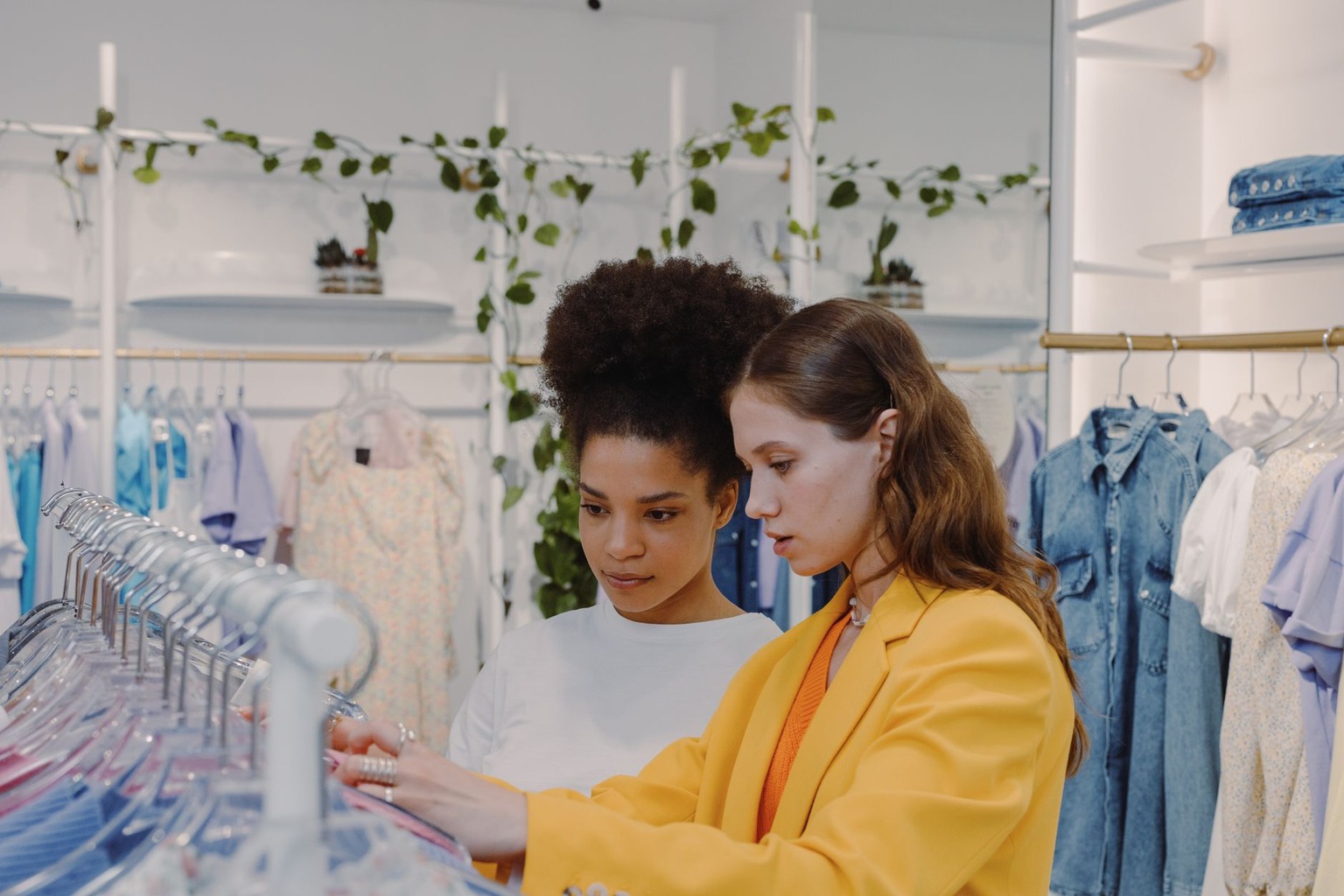
Consider partnering with local artists or musicians to elevate the event. A boutique in Brooklyn might collaborate with a streetwear artist to create a one-of-a-kind piece for the pop-up, or host a live painting session where attendees can design their own accessories. These collaborations not only draw crowds but also create shareable content, as attendees post about their experiences online. The goal is to make the pop-up a destination, not just a place to buy clothes. When done right, experiential pop-ups leave a lasting impression and encourage repeat visits.
Use Limited-Time Discounts to Create Urgency and Clear Inventory
Discounts alone won’t drive sales, it’s the perception of exclusivity that makes them effective. Instead of slashing prices across the board, offer deep discounts on specific items, like a “24-Hour Flash Sale” on a particular designer’s collection. This tactic taps into the fear of missing out (FOMO), a psychological trigger that compels shoppers to act quickly. For example, a boutique could promote a “Buy One, Get One 50% Off” deal on a best-selling dress, but only for the first 50 customers. This not only clears inventory but also creates a sense of scarcity, making the offer more appealing.
To maximize impact, bundle discounts with other incentives, like free shipping or a complimentary accessory. For instance, a pop-up could offer a 30% discount on all items when customers spend over $200, plus free gift wrapping. Promote these deals through email marketing to your existing customer base, as they’re more likely to respond to personalized offers. The key is to make the discount feel like a rare opportunity, not a last-resort clearance. When executed well, limited-time discounts can boost sales without undermining your brand’s perceived value.
Partner with Local Businesses to Expand Your Pop-Up’s Reach
Collaborations with non-competing local businesses can amplify your pop-up’s reach without stretching your budget. For example, a boutique could partner with a nearby café to host a “Brunch & Boutique” event, where attendees enjoy coffee while shopping. This not only draws a mixed audience but also creates a symbiotic relationship, both businesses benefit from shared foot traffic. Similarly, a boutique could team up with a local jewelry designer to create a curated collection for the pop-up, offering exclusive pieces that appeal to a broader audience. These partnerships extend your brand’s influence while adding credibility and novelty to the event.
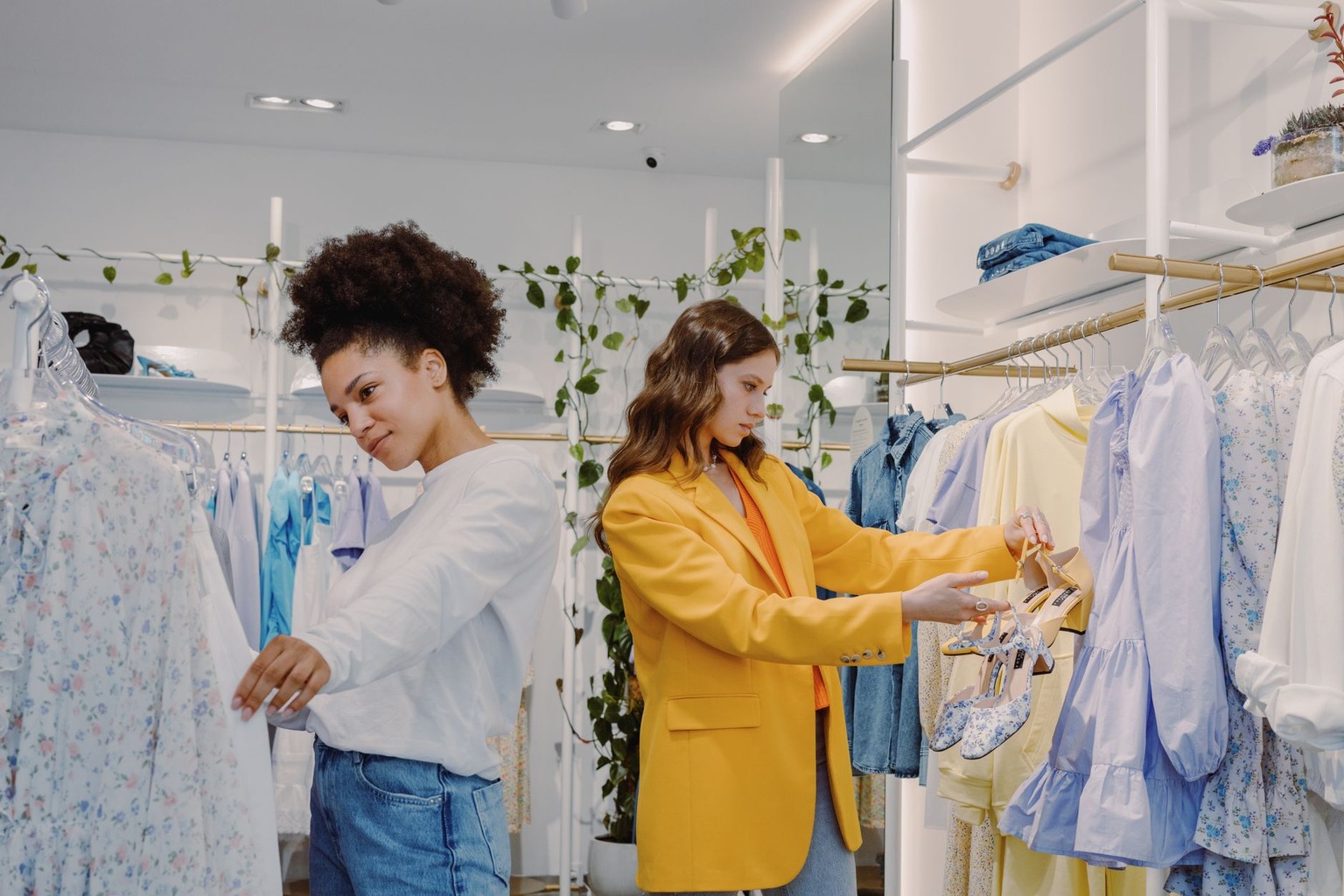
Look for businesses that align with your boutique’s target demographic but don’t compete directly. A boutique selling minimalist fashion might partner with a bookstore that specializes in design literature, creating a pop-up that blends aesthetics and culture. The goal is to create a multi-sensory experience that keeps shoppers engaged longer, increasing the likelihood of a purchase. By leveraging local partnerships, your pop-up becomes part of a larger cultural moment, rather than just another shopping event.
Test New Markets with a Pop-Up Before Committing to a Permanent Location
Pop-ups are the perfect way to test demand in a new market without the risk of a full commitment. For instance, a boutique based in Paris might launch a short-term pop-up in Tokyo to gauge interest in their designs before opening a permanent store. This strategy allows you to assess local preferences, pricing sensitivity, and competition firsthand. If the pop-up performs well, you can use the data to inform a future expansion. Conversely, if sales are slow, you can pivot without significant financial loss. The flexibility of a pop-up makes it an ideal tool for boutique owners looking to expand their reach strategically.
When testing a new market, focus on high-traffic areas with strong fashion culture, like a trendy district or near a major event. For example, a pop-up in Miami’s Design District during Art Basel could attract a high-end audience, while one in a college town might appeal to younger, budget-conscious shoppers. Use the pop-up to collect feedback through surveys or social media interactions, giving you valuable insights into what resonates with the local market. This data-driven approach ensures that any future expansion is based on real demand, not just speculation.

I’ve always loved curating unique looks and exploring how personal style can tell a story. Working as a freelance fashion enthusiast, I enjoy discovering emerging designers and sharing practical tips for building a timeless wardrobe.