Understanding Fabric Types and Quality
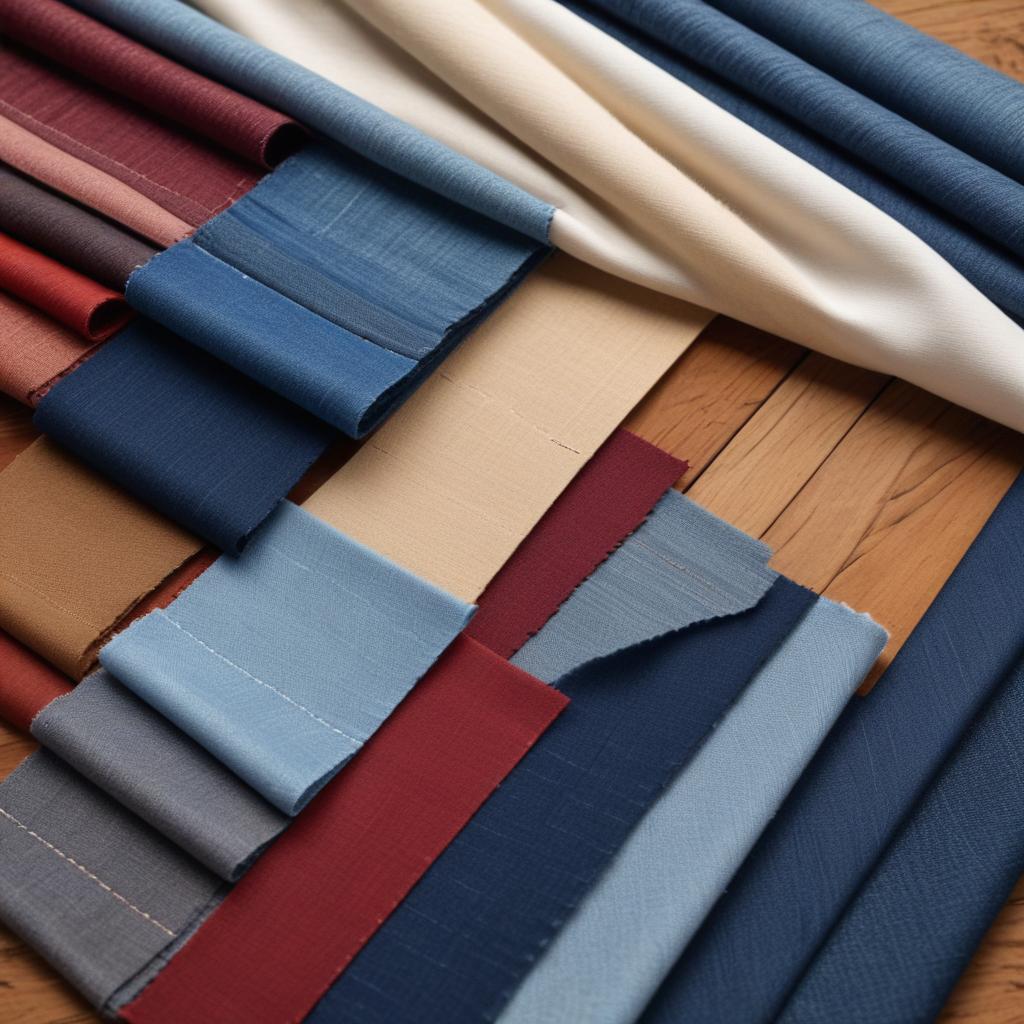
Choosing the right clothing involves understanding the various fabric types and assessing their material quality. Fabric types can range from natural fibers like cotton, wool, and silk to synthetic materials such as polyester, nylon, and spandex. Each type offers unique benefits and considerations in terms of comfort, durability, and care.
Cotton is one of the most popular clothing fabrics due to its breathability and softness. When assessing cotton quality, look for tightly woven fabrics and long-staple fibers, which contribute to the material’s strength and resistance to wear and tear. Organic cotton usually indicates higher material quality because it is grown without harsh chemicals, making the fabric more durable and eco-friendly.
Wool is another natural fabric known for its warmth and resilience. To gauge wool quality, pay attention to the fineness of the fibers; finer wool, such as merino, tends to be softer and more comfortable. High-quality wool also has a natural elasticity that allows the garment to retain its shape over time, making it a durable choice for colder climates.
Silk fabrics are prized for their smooth texture and luxurious appearance. However, quality silk should feel soft and strong, not brittle or scratchy. Authentic silk also drapes well and has a natural sheen, which indicates good material quality. Since silk requires delicate care, choosing high-quality silk fabrics ensures longevity when properly maintained.
On the synthetic side, polyester is known for its durability and wrinkle resistance. When selecting polyester fabric, check for tight weaves and a smooth finish, which signify better material quality. Nylon is another durable synthetic choice, often used in activewear and outerwear, valued for its strength and resistance to abrasion.
Lastly, consider blends, such as cotton-polyester mixtures, which can combine the best qualities of multiple fabrics. These blends often improve durability and reduce shrinking or wrinkling, making them practical for everyday wear. Understanding these fabric types and how to assess their quality will help you choose clothing that is both comfortable and long-lasting.
Natural vs Synthetic Fabrics
When choosing clothing, understanding the difference between natural fabrics and synthetic fabrics is essential for making an informed decision. Natural fabrics, such as cotton, wool, and silk, are derived from animal or plant sources. They are known for their breathability, softness, and comfort. These fabrics tend to absorb moisture well, making them ideal for warm weather or active use. Additionally, natural fabrics are generally biodegradable, making them an eco-friendly option. However, they may require more care, such as gentle washing and slower drying times, and can be prone to wrinkling or shrinking.
On the other hand, synthetic fabrics like polyester, nylon, and acrylic are man-made from chemical compounds. They offer distinct advantages, including durability, resistance to wrinkles, and quick-drying properties. Synthetic fabrics often perform well in terms of strength and elasticity, making them popular for sportswear and outdoor clothing. However, they can be less breathable compared to natural fabrics, sometimes causing discomfort in hot weather. Additionally, synthetic fabrics are less environmentally friendly due to their production process and slower decomposition rate.
When comparing natural and synthetic fabrics, consider the specific use and preferred qualities for your clothing. Natural fabrics are excellent for comfort and environmental concerns, while synthetic fabrics bring durability and easy maintenance to the table. Often, clothing blends combining both types offer a balanced solution, merging the benefits of natural fibers with the practicalities of synthetics for versatile and comfortable wear.
Indicators of Fabric Quality
When assessing fabric quality, several key fabric quality indicators should be considered to ensure fabric durability and overall excellence. First, thread count is a fundamental measure, indicating the number of threads woven together in one square inch of fabric. Higher thread counts generally suggest a denser, more durable material that feels smoother and lasts longer.
Equally important is weave tightness, which refers to how closely the threads are woven. Fabrics with a tight weave are less likely to fray, pill, or wear out quickly, making them a superior choice when durability is a priority. The weave pattern also contributes to the fabric’s strength and texture—for example, twill and satin weaves can offer different benefits in terms of resilience and softness.
Fiber strength is another crucial factor in quality assessment. Natural fibers like cotton, wool, and silk each have distinct durability profiles, while synthetic fibers such as polyester and nylon often provide added toughness and resistance to stretching or tearing. High-quality fabric will combine strong fibers with optimal weaving to produce a material that withstands regular wear and washing.
By paying attention to these fabric quality indicators—thread count, weave tightness, and fiber strength—you can make informed choices that ensure your clothing investment is worthwhile and long-lasting.
Evaluating Clothing Construction and Craftsmanship
When it comes to choosing quality clothing, understanding clothing construction and craftsmanship is essential. These factors play a critical role in the durability, comfort, and overall appearance of a garment. To evaluate the sewing quality, start by examining the stitches. High-quality clothing will have tight, even stitches that are consistent in size and spacing. Loose or uneven stitching may indicate poor workmanship, which can lead to unraveling or seams coming apart over time.
Next, carefully inspect the seams. Well-constructed garments feature strong, smooth seams that lie flat against the fabric. Check inside the garment to ensure the seams are reinforced, especially in areas prone to stress such as underarms or the crotch in pants. Double stitching or the use of binding tape can enhance the seam’s durability and prevent fraying. Avoid clothing with puckered seams or those that feel bulky, as this may signal inferior sewing techniques.
Finishing techniques provide further insight into craftsmanship. Look for clean, neatly trimmed edges with no loose threads. High-end garments often have additional finishing details such as French seams or serged edges to ensure the fabric does not unravel and to extend the garment’s lifespan. Buttonholes should be tightly sewn, and buttons securely attached, reflecting careful attention to detail.
Finally, consider the fabric’s interaction with the construction. A well-made garment will show that the clothing construction complements the fabric’s weight and texture, with seams that support the garment’s shape without causing distortion. Inspect linings and hems for consistent sewing quality as well, as these details contribute to the overall craftsmanship and longevity of the clothing.
By thoroughly examining stitches, seams, and finishing techniques, you can judge the sewing quality and craftsmanship of clothing, ensuring you invest in pieces that offer both style and durability.
Seam and Stitch Techniques
When evaluating seam quality, it is important to understand the different seam types commonly used in clothing construction. The most durable seams are flat-felled seams, often seen in jeans and workwear, where two fabric edges are folded and stitched down, creating a strong and neat finish. Another reliable type is the double-stitched seam, which reinforces the fabric by stitching twice along the seam line. French seams are also notable for their clean inside finish and durability, especially in lightweight or delicate fabrics.
Stitching techniques play a crucial role in the longevity of a garment. Look for even stitching with consistent thread tension, as irregular stitches can weaken the fabric and cause unraveling. High-quality stitching uses matching or strong thread that complements the fabric’s strength. Moreover, tightly spaced stitches enhance seam durability, while wider stitches tend to be weaker and more prone to damage. Avoid garments with loose threads or skipped stitches, as these are signs of poor workmanship.
Durable seams, combined with meticulous stitching techniques, ensure that clothing withstands everyday wear and washing. By paying attention to seam types and the quality of the stitching, you can select garments that maintain their shape and function over time, making your apparel investment worthwhile.
Details and Finishing Touches
When assessing clothing details, paying attention to buttons, zippers, hems, and linings is essential to determine the finishing quality and overall garment craftsmanship. High-quality garments use buttons that are securely attached with tight stitching, often sewn on with a cross-stitch or shank to allow for movement without loosening. The choice of button material—be it natural horn, mother-of-pearl, or sturdy plastic—also reflects the attention to detail invested in the clothing.
Zippers are another key indicator of finishing quality. Durable, smooth-gliding zippers from reputable brands such as YKK not only enhance the garment’s functionality but also its longevity. The zipper tape should be firmly stitched into the fabric, ensuring it won’t pull away or snag during use. In contrast, flimsy or misaligned zippers are a red flag for poor garment craftsmanship.
Hems represent the final visible touch on any clothing item. Precision in hemming, with even stitches and appropriate thread tension, prevents fraying and extends garment life. A clean, well-executed hemline shows that the manufacturer values finishing quality and durability. Additionally, a well-pressed hem adds to the garment’s polished look.
Lastly, linings contribute significantly to garment craftsmanship by providing structure, comfort, and durability. Smooth, well-fitted linings reduce friction and wear, enhancing the garment’s overall performance. Quality linings are typically made from breathable, resilient fabrics like acetate or silk blends, which reflect the brand’s commitment to detail and finishing quality throughout the entire piece.
Tips for Shopping High-Quality Clothing
When it comes to shopping tips for quality clothing buying, knowing what to look for is essential to make smart and satisfactory clothing purchases. Whether you shop in physical stores or online, a clothing purchase guide can help you navigate options and choose garments that will last.
First, always pay attention to the fabric and material quality. Natural fibers like cotton, wool, silk, and linen tend to be more durable and comfortable compared to many synthetic blends. Check the fabric weight and texture — heavier and smoother fabrics usually indicate higher quality.
Next, examine the stitching and construction of the garment. Solid clothing shows neat, even stitching with no loose threads or unraveling seams. Reinforced edges and double stitching on high-stress areas like sleeves and pockets are also signs of better craftsmanship.
For shopping online, always review product descriptions carefully and look for detailed images that show close-ups of the fabric and stitching. Customer reviews can provide valuable insights into the actual quality and durability of the clothing.
Fit is another critical factor. Even high-quality materials and skilled construction won’t make a piece worthwhile if it doesn’t fit well. Try to get sizing charts from the retailer, and if possible, order multiple sizes to compare before making a final purchase.
Don’t forget to consider the brand reputation. Brands with a track record for quality and ethical production practices tend to maintain consistent standards. Researching brand reviews or asking for recommendations can save you from disappointing buys.
Keep in mind your lifestyle and how you intend to use the clothing. Opt for pieces that fit your daily needs and can endure the kind of wear and tear you expect. Durable clothes might be slightly more expensive but are a better investment over time.
Lastly, take advantage of sales and outlets where quality items can be purchased at a discount. Be cautious, however, and don’t sacrifice quality for a lower price. Use the knowledge from this clothing purchase guide to spot worthwhile bargains.
Recognizing Authentic Brands and Labels
To choose quality clothing, it’s essential to recognize authentic brands and understand clothing labels. Authentic brands are those with a reputable history, consistent quality, and transparency about their materials and production processes. Start by researching the brand’s background and customer reviews to ensure reliability. Genuine brands often have distinct logos, consistent packaging, and official websites where you can verify product authenticity.
Clothing labels provide crucial information about brand quality and garment care. Look for labels that detail fiber content, country of origin, and care instructions. High-quality brands use labels made from durable materials with clear, well-printed information. Pay attention to certifications or quality seals on labels, such as organic cotton certifications or fair-trade indicators, which signal the brand’s commitment to high ethical and quality standards.
Recognizing authentic brands also means understanding common counterfeit signs: misspelled brand names, uneven stitching, or low-quality fabrics. Trusted brands invest in quality control and customer satisfaction, reflected in their meticulous attention to detail. By thoroughly examining clothing labels and confirming brand authenticity, you can be assured of superior brand quality and make informed wardrobe choices that last.
Assessing Price Versus Quality
When it comes to shopping for clothing, understanding the price quality balance is essential to ensure you get the best value for your money. A higher price does not always guarantee superior quality, just as a lower price doesn’t necessarily mean poor craftsmanship. Assessing whether a garment’s price justifies its quality requires looking beyond the tag and examining factors like fabric durability, stitching, and brand reputation.
Quality materials often contribute to a garment’s longevity, meaning it can withstand frequent wear and washing without losing shape or color. Investing in clothes made from natural fibers like cotton, wool, or silk, even if they come with a higher price, often results in better clothing value over time. Conversely, budget shopping can be smart if you carefully evaluate the construction and materials to avoid pieces that will wear out quickly and need replacing often.
To strike the right balance, consider your intended use and how long you expect to wear the item. For staple wardrobe pieces, spending a bit more on higher quality can save money in the long run due to less frequent replacements. For trendy or seasonal items, it may be acceptable to choose less expensive options. Ultimately, assessing price versus quality with a focus on garment durability and functionality helps make informed purchasing decisions that align with your shopping budget and style goals.

I’ve always loved curating unique looks and exploring how personal style can tell a story. Working as a freelance fashion enthusiast, I enjoy discovering emerging designers and sharing practical tips for building a timeless wardrobe.