Understanding Boutique Collections
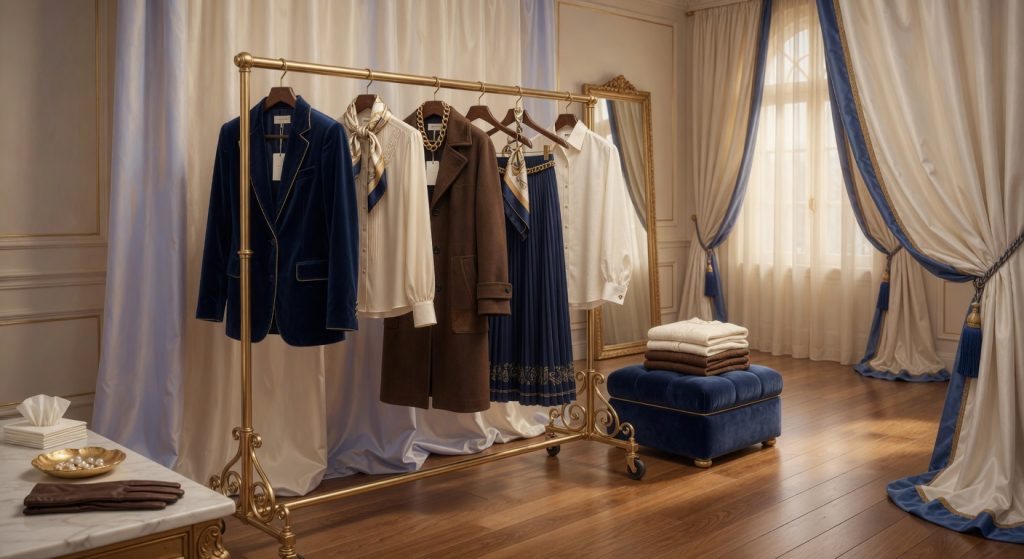
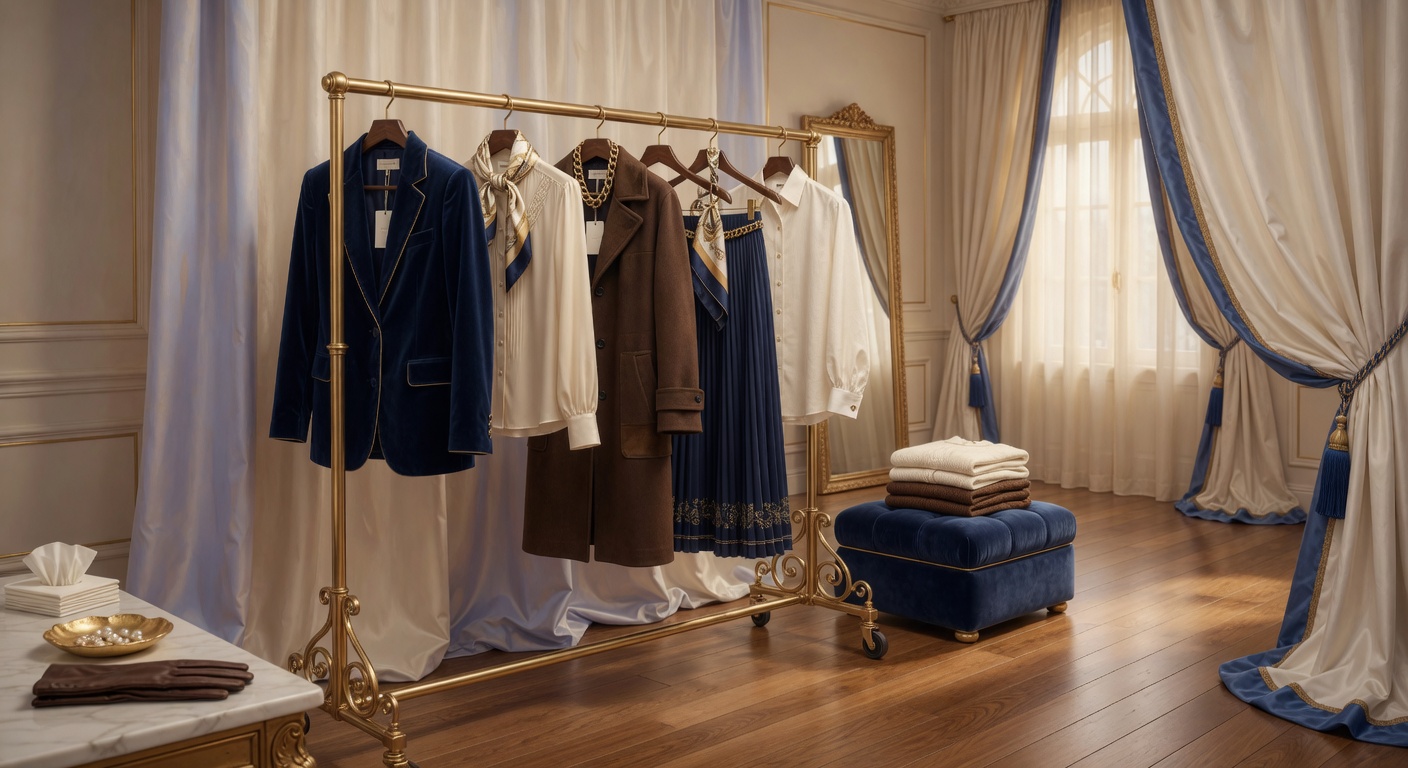
Boutique collections represent a distinct and carefully curated selection of fashion items that differ significantly from mainstream retail offerings. Unlike large-scale retail brands that focus on broad market appeal and mass production, boutique collections prioritize uniqueness and personalization, catering to a more discerning clientele that values exclusive style and individual expression.
The essence of boutique collections lies in fashion curation—a meticulous process where each piece is handpicked to fit the boutique’s distinct aesthetic and philosophy. This curation is not just about assembling trendy items; it’s about creating a cohesive narrative that reflects the boutique’s unique identity and resonates with its specific audience. This approach ensures that every item within the collection holds a particular meaning and stands out from the ubiquitous selections found in mainstream retail environments.
One of the critical factors that set boutique collections apart is their exclusivity. Boutiques often work with limited edition pieces, emerging designers, and bespoke creations, allowing shoppers to access fashion that is rarely seen elsewhere. This exclusivity enhances the boutique style, characterized by an eclectic mix of pieces that emphasize creativity, innovation, and personal flair. Unlike mass retailers, boutiques avoid overproduced items, ensuring customers wear clothing and accessories that reflect individuality rather than conformity.
Personalization is another cornerstone of boutique collections. Boutiques frequently offer tailored services or customized options that allow clients to engage in the creative process, making their fashion choices truly unique. This level of attention fosters a deeper connection between the customer and the collection, enhancing the shopping experience and promoting brand loyalty. Mainstream retail, with its focus on volume sales, often lacks this intimate customer engagement, which is why boutique collections maintain a special place in the fashion industry.
In summary, boutique collections distinguish themselves through their dedication to fashion curation, exclusivity, and personalization, offering a refreshing alternative to the homogenized selections typical of mainstream retail. These collections celebrate the art of individual style and creativity, making them an essential destination for those seeking to express their unique fashion sensibility.
The Role of Boutique Identity
Boutiques carefully select collections that resonate deeply with their boutique identity, ensuring that every piece contributes to a cohesive brand image. This alignment is crucial because a strong boutique identity not only differentiates the store from competitors but also creates a memorable shopping experience for customers. When boutiques curate their collections, they consider how each item reflects their unique style, values, and aesthetic, crafting a narrative that appeals directly to their target audience.
By focusing on collection alignment with their established brand image, boutiques build trust and loyalty among customers who seek consistency in quality and design. This strategic approach allows boutiques to attract and retain a specific clientele that identifies with the boutique’s ethos, fostering deeper connections and enhancing customer satisfaction. The chosen collections must complement the boutique’s identity while also addressing the preferences and lifestyle of the target market.
Ultimately, the selection process is more than just choosing attractive items; it’s about reinforcing the boutique’s personality and creating an authentic shopping environment. This thoughtful curation ensures the boutique remains distinctive and relevant, positioning it for long-term success in a competitive marketplace. In essence, boutique identity guides every collection selection, turning products into powerful expressions of the brand’s story and mission.
Influence of Customer Demographics
Boutiques carefully analyze their customer demographics when selecting collections to ensure they meet the unique needs and expectations of their clientele. Understanding the age range of their target market allows boutiques to choose styles and designs that resonate with their shoppers, whether that means trendy, youthful pieces for younger customers or classic, timeless garments for an older audience. The consideration of style preferences is equally crucial, as boutiques curate collections that align with the tastes and fashion sensibilities of their customer base. This may involve selecting bold, contemporary options or opting for more subdued, elegant items depending on the prevalent shopping preferences.
Moreover, boutiques pay close attention to the spending habits of their customers to offer collections that fit their budget and purchasing power. By tailoring their offerings to the financial comfort zone of their clientele, boutiques can maximize sales and customer satisfaction. Recognizing these factors—customer demographics, target market, and shopping preferences—enables boutiques to create a shopping experience that feels personalized and relevant, ultimately driving loyalty and repeat visits.
In sum, the influence of customer demographics is a cornerstone in the boutique selection process. It helps ensure that each collection not only appeals aesthetically but also aligns with the lifestyle and economic realities of the boutique’s clientele, fostering a strong connection and successful retail outcomes.
Key Factors in Selecting Boutique Collections
When it comes to collection selection, boutiques follow a careful, strategic approach to ensure their offerings resonate with their clientele and reflect the latest in style and quality. An essential factor is a keen awareness of fashion trends. Boutiques often stay ahead of the curve by monitoring runway shows, industry reports, and street style to curate collections that align with emerging trends. This not only positions their store as a trendsetter but also attracts fashion-forward customers looking for the latest looks.
Another critical criterion boutiques emphasize is quality. Unlike mass-market retailers, boutiques prioritize garments and accessories made with superior materials and craftsmanship. This dedication to quality influences their inventory decisions, as they seek items that provide both aesthetic appeal and lasting value. Offering high-quality pieces enhances customer satisfaction and loyalty, as buyers recognize the investment they are making in well-made apparel.
Exclusivity plays a pivotal role in the selection process as well. Boutiques differentiate themselves by curating unique collections that cannot be found in larger chain stores. This often means collaborating with independent designers or selecting limited edition items that cater to a niche market. Such exclusivity not only drives demand but also helps boutiques build a distinct identity in the crowded fashion marketplace.
Moreover, boutique owners evaluate how potential collections fit within the lifestyle and preferences of their target demographic. Understanding customer preferences ensures that the collections not only reflect current fashion trends but also match the specific tastes and needs of their shoppers, resulting in more thoughtful and effective inventory decisions.
In summary, the process of selecting collections for boutiques is multifaceted. It requires a balance between trend awareness, uncompromising quality, and curated exclusivity. These elements collectively enable boutiques to offer an appealing and distinctive assortment that drives business success and maintains their reputation as purveyors of style and substance.
Evaluating Quality and Craftsmanship
When boutiques select collections, evaluating product quality and craftsmanship is paramount. Quality assurance ensures that each piece not only meets but exceeds customer expectations, fostering trust and brand loyalty. Boutique buyers meticulously assess the durability, finish, and overall construction of items to guarantee they align with the boutique’s high standards.
Craftsmanship plays a critical role in distinguishing boutique collections from mass-produced goods. Attention to detail in stitching, design intricacies, and finishing techniques contributes to the uniqueness and aesthetic appeal of each piece. Superior craftsmanship indicates a respect for the art of creation and signals to customers that they are investing in something special and long-lasting.
Material selection complements craftsmanship and quality assurance by ensuring the raw components of the products are of premium grade. The choice of fabrics, leathers, metals, or other materials directly affects the item’s feel, appearance, and durability. Boutiques often prioritize sustainable and ethically sourced materials, adding value through conscientious product choices.
In summary, product quality, craftsmanship, and careful material selection work together to create collections that resonate with discerning clientele. Boutiques leverage these attributes not only to curate desirable items but also to uphold their reputation as purveyors of excellence in the fashion marketplace.
Staying Ahead with Trend Analysis
Boutiques thrive by staying ahead of fashion trends to offer collections that captivate their customers. Central to this strategy is trend forecasting, a process through which boutiques analyze the evolving tastes and styles influencing the fashion industry. By monitoring runway shows, fashion weeks, street style, and social media, boutiques gather crucial insights that help them predict upcoming trends before they become mainstream.
Trend analysis enables boutiques to curate collections that feel fresh and desirable, aligning with the preferences of their target audience while maintaining a unique identity. By understanding which colors, fabrics, patterns, and silhouettes are gaining momentum, boutiques can select pieces that resonate with the current fashion climate. This proactive approach prevents collections from appearing outdated and enhances the boutique fashion experience.
Moreover, boutiques often collaborate with trend forecasting agencies or utilize specialized software to deepen their understanding of market shifts. This allows them to anticipate not only what is popular now but also what consumers will seek in the coming seasons. Integrating trend analysis into their buying decisions helps boutiques stay competitive and relevant, securing their position as key players in the fashion industry.
In essence, leveraging fashion trends and trend forecasting empowers boutiques to maintain a dynamic and compelling collection, ensuring customers always find something new and exciting that meets their style aspirations.
Balancing Exclusivity and Sales Potential
When selecting collections for their boutiques, owners must strike a delicate balance between exclusivity and sales potential. Offering exclusive items is crucial for creating a unique boutique identity and attracting discerning customers. However, these exclusive pieces must also resonate with buyers and drive revenue to sustain the boutique’s growth.
One common strategy boutiques use is curating collections that include limited-edition items or pieces from emerging designers, which add exclusivity without sacrificing broad appeal. Boutiques carefully analyze trends and customer preferences to pinpoint unique products that still align with their clientele’s tastes, ensuring a strong sales potential. This approach helps maintain a fresh and distinctive boutique inventory while mitigating the risk of slow-moving stock.
Additionally, boutiques often blend exclusive items with bestselling staples, creating a well-rounded inventory that appeals to a wider audience. By balancing these two types of products, boutiques can cater to loyal customers seeking unique finds and new shoppers attracted by popular items. Dynamic pricing strategies and storytelling around the exclusivity of products further enhance perceived value, boosting sales potential.
Ultimately, successful boutiques understand that exclusivity must go hand in hand with sales potential to optimize their inventory. By thoughtfully selecting exclusive products that are desirable and marketable, boutiques can cultivate a distinctive brand while ensuring a profitable sales mix.
The Selection Process and Vendor Relationships
Understanding the selection process and developing strong vendor relationships are crucial for boutiques aiming to curate distinctive and appealing collections. This step-by-step guide outlines how boutiques choose collections while fostering valuable connections with designers and suppliers to maintain a competitive edge.
- Research and Market Analysis: Boutiques begin by analyzing current market trends, customer preferences, and competitor offerings. This research helps identify which styles, materials, and designs resonate best with their target audience. The goal is to select collections that are relevant and desirable.
- Identifying Potential Vendors: Boutiques scout for boutique vendors and designers who align with their brand ethos and quality standards. This step involves attending trade shows, fashion weeks, and industry events, or exploring online platforms to find innovative and reliable suppliers.
- Initial Contact and Sampling: After shortlisting suppliers, boutiques initiate contact to inquire about their collections, terms, and minimum order requirements. They often request samples or lookbooks to evaluate the craftsmanship and uniqueness of the pieces before committing to purchase.
- Negotiation of Terms: Establishing mutually beneficial agreements on pricing, payment terms, delivery schedules, and return policies is essential. Maintaining clear and open communication during this phase ensures a foundation of trust and professionalism between the boutique and the vendor.
- Placing Orders and Collection Selection: Boutiques carefully select items that complement their inventory mix. They consider factors like seasonality, exclusivity, and price points. Orders are placed based on anticipated demand and stock turnover rates to optimize sales and minimize excess inventory.
- Building Long-Term Supplier Relationships: Successful boutiques nurture ongoing relationships with their vendors through consistent communication, timely payments, and feedback sharing. These efforts encourage suppliers to prioritize their orders and may lead to exclusive collections or early access to new designs.
- Review and Adaptation: Post-sale analysis of collection performance helps boutiques adjust their future selection process. Tracking what sells best and understanding customer feedback inform vendor choices and future negotiations to ensure continued alignment and business growth.
Researching and Choosing Vendors
Successful boutiques understand that vendor research is a crucial step in curating collections that resonate with their brand identity and customer preferences. To identify reliable vendor partners, boutiques begin by analyzing potential suppliers’ market reputations, production quality, and consistency. This ensures that every piece selected meets the boutique’s standards for craftsmanship and exclusivity.
Engaging with boutique suppliers who offer transparency in their processes and fair trading practices helps build long-term partnerships. Boutiques often attend trade shows, fashion weeks, and networking events to discover emerging designers and unique vendors that align with their aesthetic goals. These interactions allow boutique owners to negotiate terms and understand the story behind each collection, which can be a compelling selling point.
Designer collaboration further enhances a boutique’s offering by fostering exclusive lines or custom pieces tailored to the boutique’s clientele. By thoroughly researching and vetting designers, boutiques ensure that their collections reflect both innovation and market demand. This strategic approach to vendor selection positions boutiques to create distinct collections that set them apart in a competitive market.
–>Sampling and Review Process
Boutiques employ a meticulous product sampling and collection review process to ensure inventory decisions align with their brand vision and customer preferences. The process begins with requesting samples from designers or suppliers, allowing boutique owners to physically evaluate the quality, craftsmanship, and appeal of new items. This hands-on approach enables them to assess how well each product fits their existing collection and the potential response from their clientele.
Following initial sampling, boutiques conduct a thorough collection review, often involving multiple stakeholders such as buyers, stylists, and store managers. They discuss factors like style compatibility, price points, and market trends to determine which pieces merit a full order. This collaborative assessment helps minimize risks and ensures that only the most promising items make it to the sales floor.
Additionally, some boutiques use a trial-and-error method by placing small initial orders to gauge customer interest and sales performance before committing to larger inventory decisions. Feedback from customers and sales data during this period further guide the final selections. This careful sampling and review approach allows boutiques to curate collections that resonate well with their target audience while optimizing inventory turnover and profitability.
Building Long-Term Partnerships
In the boutique industry, fostering strong vendor relationships is essential for sustainable success. Building long-term partnerships with trusted vendors ensures boutiques receive consistent quality in their collections, which in turn bolsters customer trust and satisfaction. Reliable vendors are more likely to prioritize boutiques in their production schedules, enabling timely delivery of exclusive offerings that set the boutique apart from larger retailers.
Partnership building goes beyond simple transactions; it involves open communication, mutual respect, and a shared commitment to excellence. By nurturing these relationships over time, boutiques can collaborate with vendors to create unique, limited-edition pieces that attract discerning shoppers. These exclusive collections not only drive boutique sustainability by fostering customer loyalty but also strengthen the vendor’s dedication to the boutique’s vision and standards.
Moreover, long-term vendor relationships provide opportunities for negotiating better terms, including pricing, payment schedules, and customizations tailored to the boutique’s clientele. This collaboration is vital in adapting to industry trends and customer preferences swiftly, keeping the boutique’s offerings fresh and appealing. Ultimately, prioritizing vendor relationships is a cornerstone of boutique sustainability and growth, ensuring quality and exclusivity that keeps customers coming back.

I’ve always loved curating unique looks and exploring how personal style can tell a story. Working as a freelance fashion enthusiast, I enjoy discovering emerging designers and sharing practical tips for building a timeless wardrobe.