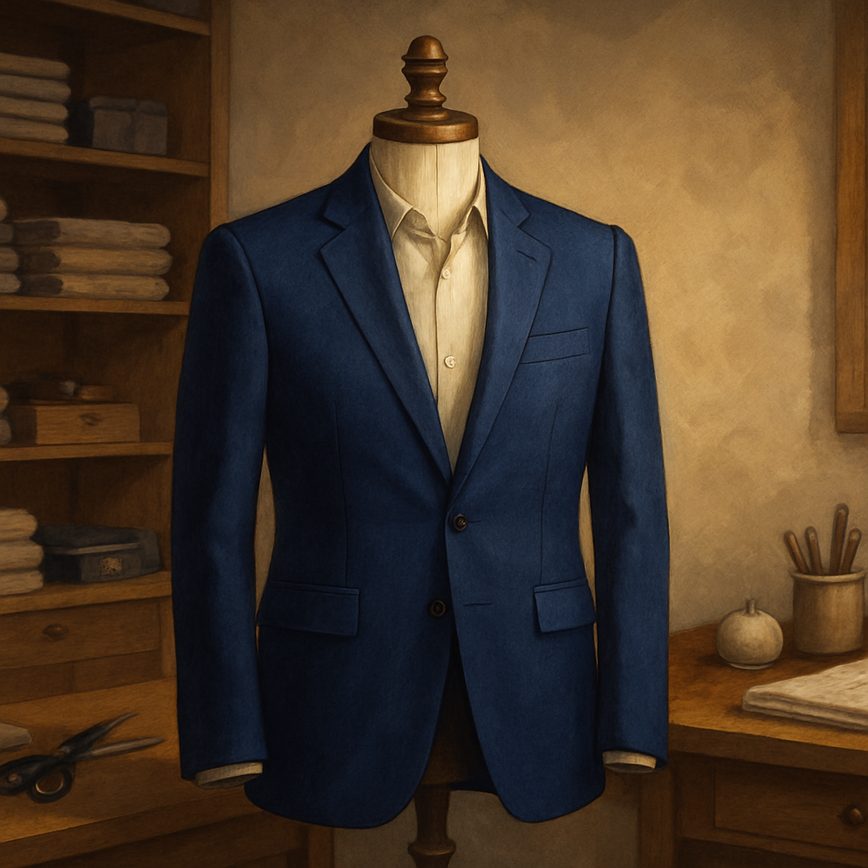
Understanding Clothing Fit
Clothing fit plays a crucial role in how an outfit looks and feels. The right fit enhances comfort, allowing you to move freely without restriction, and boosts confidence by complementing your body shape. Wearing ill-fitting clothes can lead to discomfort and affect your overall appearance, making it essential to understand the different fit types when shopping for clothing.
In a comprehensive clothing fit guide, it’s important to familiarize yourself with the common fit types you will encounter in clothing sizes. These fit types include slim, regular, and relaxed fits, each offering distinct characteristics tailored to different body types and style preferences.
The slim fit is designed to hug the body closely, providing a sleek and modern silhouette. This fit type is ideal for those who prefer a tailored look, as it contours the body without being overly tight. Slim fit clothing works well for both casual and formal wear, enhancing style by emphasizing shape and clean lines.
Regular fit is the most traditional and versatile of the fit types. It offers a comfortable amount of room without being too loose or too tight. This fit is perfect for everyday wear, balancing comfort and style in a way that suits most body types. Regular fit clothing maintains a classic look that never goes out of fashion.
Relaxed fit provides the most generous amount of space, prioritizing comfort above all else. This fit is great for those who prefer a laid-back style or require extra room for movement. Relaxed fit clothing is especially popular for casual and activewear, offering freedom and ease while still maintaining an overall tidy appearance.
Understanding these fit types is essential when selecting clothing to ensure you achieve the best possible combination of comfort and style. By aligning your choices with your body shape and personal taste, you can build a wardrobe that looks good and feels great every day. This clothing fit guide serves as a helpful tool to navigate the variety of clothing sizes and fits available in the market.
Types of Clothing Fit
Understanding different fit styles is essential when choosing clothing that complements your body shape and personal preferences. One of the most popular fit types is the slim fit. Slim fit clothing is tailored closely to the body, emphasizing a sleek silhouette without being too tight. It suits individuals with a lean or athletic build who prefer a modern and sharp appearance. This fit style works well for dress shirts, suits, and casual wear alike.
Regular fit is the classic style that offers a comfortable, balanced cut. It is neither too tight nor too loose, providing ease of movement while maintaining a neat look. Regular fit is ideal for those who seek versatility and comfort, making it suitable for a wide range of body types. It is the go-to fit for everyday wear and offers a timeless appeal in both formal and casual garments.
Relaxed fit, on the other hand, provides ample room throughout the body and sleeves, prioritizing comfort over contouring the shape. This style is perfect for individuals who prefer a looser, more laid-back look or need extra space for layering. Relaxed fit is often chosen for casual clothing, such as hoodies, sweatshirts, and loose trousers, and it flatters those with broader or more muscular builds seeking comfort.
By understanding these fit styles—slim fit, regular fit, and relaxed fit—you can better select clothing that not only fits well but also enhances your personal style and comfort according to your body shape and occasion.
How to Measure Your Body for Fit
Taking accurate body measurements is essential to ensure fit accuracy and find the right clothing size. Follow this measuring guide step-by-step for precise results that will enhance your clothing fit.
- Start by standing straight with your arms relaxed at your sides and wear minimal clothing to get the most accurate body measurements.
- Use a soft measuring tape and keep it snug but not tight against your skin for each measurement.
- Measure your chest by wrapping the tape around the fullest part of your bust or chest, ensuring the tape is level across your back and front.
- For your waist, find the narrowest point, usually just above your belly button, and wrap the tape evenly around it.
- To measure hips, stand with feet together and place the tape around the widest part of your hips and buttocks.
- Measure your inseam by taking a pair of trousers that fit well and measuring from the crotch seam to the bottom of the leg.
- Record each measurement carefully in inches or centimeters, depending on the sizing system used by the clothing brand.
- Always double-check your measurements for accuracy before using them to select your clothing size.
By following this detailed measuring guide and noting your precise body measurements, you can confidently choose clothing that ensures comfortable fit accuracy every time.
Tips for Choosing the Right Fit
Choosing the perfect fit for your clothing is essential to both your appearance and comfort. When selecting garments, consider several key factors — occasion, body type, and fabric type — to ensure you achieve an optimal look and feel. Here are some practical fit tips to help guide your clothing choices.
First, always think about the occasion. For formal events, a tailored fit is often ideal; it creates a polished silhouette without feeling restrictive. For casual outings, consider a more relaxed fit that allows freedom of movement but still flatters your shape. Remember that fit is not just about size but how the garment complements the setting and your personal style.
Next, understanding your body type is crucial when choosing clothing. If you have an athletic build, look for clothes that highlight your shoulders while tapering at the waist. For those with a pear-shaped body, clothing that accentuates the upper body and flows gently over the hips will offer balance. Rectangular body types benefit from garments that create curves, such as cinched waists or layered pieces. The goal is to choose a fit that enhances your natural shape rather than masking it.
Fabric type also plays a significant role in achieving the perfect fit. Natural fabrics like cotton, wool, and silk usually offer better breathability and comfort, molding nicely to your body over time. Stretch fabrics provide flexibility and ease of movement, great for active wear or fitted styles. Meanwhile, stiffer fabrics like denim or canvas can maintain structure but may require a slightly looser fit to avoid discomfort. Always try on garments to see how the fabric feels on your skin and whether it complements your intended look.
To sum up, choosing clothing that fits well involves balancing style advice with practical considerations. By keeping the occasion in mind, selecting pieces suited to your body type, and understanding fabric characteristics, you can achieve a perfect fit that enhances both your appearance and comfort. Use these fit tips whenever you’re shopping or picking an outfit to make confident, stylish choices every time.
Fit Considerations for Different Fabrics
When selecting clothing, understanding how fabric types influence fit is crucial. Different materials behave uniquely on the body, affecting comfort, silhouette, and garment performance. For example, stretch fabrics like spandex blends offer flexibility and ease of movement, allowing the clothes to contour closely to the body without feeling restrictive. This makes them ideal for activewear or fitted styles.
Conversely, woven fabrics such as cotton, linen, and wool tend to have less give, requiring a looser or more tailored fit to accommodate natural body movement. These fabrics may wrinkle or feel stiff if the fit is too tight, so considering the fabric’s properties is essential for comfortable wear. Additionally, fabric weight impacts fit; heavier materials often drape differently than lightweight ones, which can influence how a garment hangs on the body.
When choosing clothing, it’s important to factor in the material influence on fit and how the fabric interacts with your body shape and activity level. Fabrics with natural stretch may mask slight sizing imperfections, while rigid materials demand precise measurements. Knowing the fabric type helps in selecting the right size and cut, ensuring both aesthetic appeal and functional comfort.
Ultimately, balancing the fabric type with the desired fit can enhance your overall style and wearability. Paying attention to fit and fabric together guarantees a garment that not only looks good but feels right for your daily needs.
Adapting Fit for Various Body Shapes
Understanding how to adapt clothing choices and fit adjustments for different body shapes is key to achieving a custom fit that flatters every individual. When it comes to body type dressing, the goal is to highlight your best features while creating balance and proportion. Whether you have an hourglass, pear, apple, or rectangle body shape, selecting clothing with the right fit can enhance your natural silhouette.
For those with an hourglass shape, emphasize the waist with tailored pieces that follow your curves, ensuring a custom fit that accentuates balance. Pear-shaped bodies benefit from fit adjustment by focusing on structured tops and A-line skirts or pants that minimize the hips. Apple-shaped individuals can create a flattering look by choosing clothing that fits comfortably around the midsection and draws attention to the neckline or legs.
Rectangle body shapes should consider adding definition with belts or clothing that adds curves through fit and design. Understanding your body shapes helps guide the selection of fabrics, cuts, and styles that will look best and feel comfortable. Ultimately, fit adjustment tailored to your unique body type dressing enhances confidence and ensures your clothing fits you perfectly every time.
Common Fit Problems and Solutions
Clothing fit problems can be a significant source of discomfort and dissatisfaction when selecting your wardrobe. Recognizing common fit issues and knowing how to address them can make a world of difference in your overall appearance and confidence. Below, we explore some typical fit problems along with practical solutions involving clothing alterations and style fixes.
One frequent fit problem is a too-tight garment, especially around the chest, shoulders, or hips. This can cause discomfort and restrict movement. A practical remedy is to consider clothing alterations such as letting out seams if the fabric allows. Alternatively, choosing styles with a bit more stretch or opting for garments cut with more relaxed fits can alleviate this issue.
On the opposite end, oversized clothing can also present fit problems. Excess fabric around the waist or in the sleeves can look sloppy or unflattering. Tailoring these areas to fit more snugly improves the garment’s silhouette. Simple alterations like taking in side seams or shortening sleeves can transform an oversized piece into a flattering outfit.
Another common issue involves length—be it pants that are too long or sleeves that don’t hit the wrist correctly. Alterations such as hemming pants or adjusting sleeve lengths are effective solutions. When hemming, ensure the original hem is preserved if possible, so the integrity of the garment remains intact.
Fit issues also arise with waistlines that don’t sit correctly, leading to discomfort or awkward bunching. Adding darts, adjusting the waistband, or using belts can serve as fit remedies. For garments without structured waists, layering with fitted pieces can help create a more polished look.
Lastly, pay attention to shoulder fit. Shoulders that are too wide or narrow can distort the garment’s shape. While widening shoulders is often challenging, taking in shoulder seams or opting for padded styles can help balance proportions. Investing in professional clothing alterations is advisable for this complex fit problem.
In summary, addressing fit problems through clothing alterations and style fixes ensures garments complement your body shape while enhancing comfort. Understanding these common issues and their solutions empowers you to maintain a wardrobe that looks and feels just right.
How to Fix Loose or Tight Clothing
Adjusting clothing that doesn’t fit perfectly can significantly improve your comfort and style. When dealing with loose clothing, consider simple DIY fixes such as using safety pins or elastic bands to create a more tailored look. You can also try knotting excess fabric or using a belt to bring in the waist, offering an immediate fit fix without any sewing.
If the clothing is tight, gentle stretching can help, especially with stretchy fabrics. Steaming the garment while gently pulling areas that feel too snug can provide some additional room. For more permanent clothing adjustments, professional tailoring is the best option. Tailors can take in or let out seams, adjust hems, and modify garment shapes to fit your body perfectly.
For those comfortable with sewing, simple alterations like taking in side seams or shortening straps can be done at home with some basic tools. Hemming tape or adjustable hems can also be quick solutions for loose pants or skirts. Remember, fit fixes don’t have to be complicated; combining DIY alterations with professional tailoring ensures your clothes fit well and look great.
When to Choose Tailoring Over Buying New
Tailoring benefits become clear when clothing fits imperfectly but is otherwise desirable. Rather than spending money on buying new pieces, opting for clothing tailoring can extend the life of your wardrobe and provide a custom fit that off-the-rack items often lack. Alteration vs buying is a key decision for those seeking better fit without the expense of brand-new garments.
It’s more effective to tailor clothing when the item is of good quality and suits your style, but requires adjustments in size, length, or shape to flatter your body. Tailoring can fix minor fitting issues such as sleeve length, waist tapering, or hem adjustments, enhancing comfort and appearance with minimal cost compared to replacement. When the fabric or overall garment condition is sound, tailoring is a smart, sustainable choice.
To maximize the advantages of clothing tailoring, select a good tailor with experience in fitting and garment alterations. Look for recommendations, reviews, and proof of skill such as before-and-after photos. A skilled tailor will consult on the best adjustments to achieve your ideal custom fit and advise on limitations. They will ensure alterations look natural and preserve the integrity of the original design, offering a worthwhile alternative to buying new.

I’ve always loved curating unique looks and exploring how personal style can tell a story. Working as a freelance fashion enthusiast, I enjoy discovering emerging designers and sharing practical tips for building a timeless wardrobe.