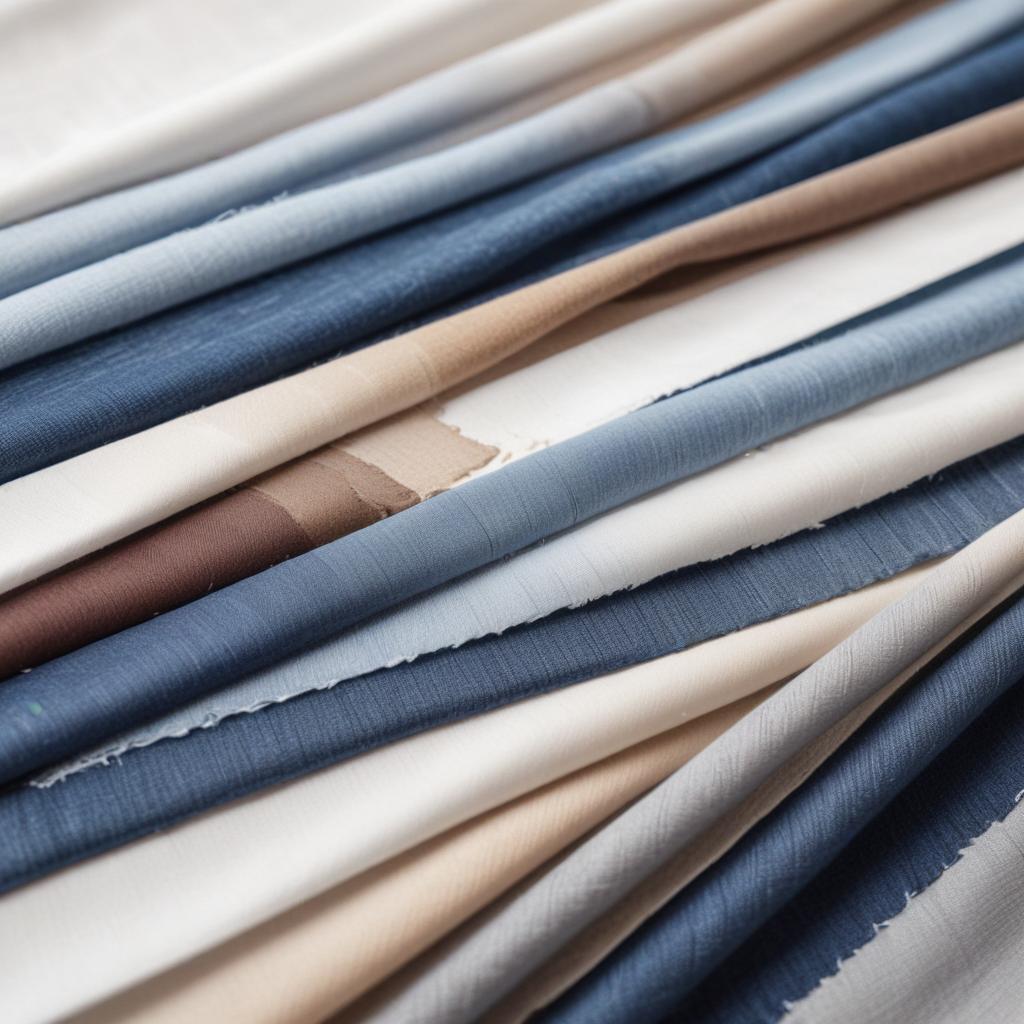
Introduction to Fabric Types
Fabric types refer to the various categories and classifications of textiles used in the creation of clothing, furnishings, and other textile products. These types are differentiated by their fiber content, weave or knit patterns, texture, weight, and durability. A comprehensive textile overview educates both consumers and designers about the characteristics and potential uses of different fabrics, helping them make informed decisions.
Understanding fabric types is crucial as it directly impacts the functionality, comfort, and aesthetics of the finished product. Consumers benefit from this knowledge by selecting fabrics that suit their needs, whether they prioritize breathability, softness, durability, or ease of care. For example, choosing cotton for its natural breathability or wool for warmth ensures the fabric aligns with the intended use and lifestyle preferences.
For designers, an in-depth grasp of fabric introduction and types allows for creative innovation and technical precision. Knowing the strengths and limitations of fabrics can guide the design process, from selecting the right material for a fashion piece to determining suitability in upholstery or home décor. This foresight enhances the quality and longevity of the products crafted.
Moreover, fabric types affect environmental and ethical considerations. Natural fibers like cotton, wool, and silk have different ecological footprints compared to synthetic fibers such as polyester or nylon. By understanding this, both consumers and designers can make choices that align with sustainable and ethical production practices.
In the textile world, the introduction to fabric types serves as the foundational knowledge that bridges innovation and practicality. Whether you are selecting fabrics for everyday wear or designing high-performance apparel, knowing fabric types enhances both the shopping experience and the creative process. It empowers consumers and designers alike to appreciate the diversity and functionality embedded in every thread.
Natural Fabrics
Natural fabrics are materials made from fibers obtained directly from plants or animals. Common examples include cotton, linen, and wool, each with unique properties and uses. Cotton is derived from the seed hairs of the cotton plant and is prized for its softness, breathability, and versatility. It is widely used in clothing such as t-shirts, shirts, and underwear, as well as in home textiles like bedsheets and towels.
Linen is made from the fibers of the flax plant and is known for its strength and durability. It has a distinctive texture and a natural luster that gives it a timeless appeal. Linen fabric is highly absorbent and dries quickly, making it ideal for summer clothing, tablecloths, and curtains. Its lightweight and breathable nature also make it popular in warm climates.
Wool is a natural fabric obtained from the fleece of sheep and other animals like goats and alpacas. It is renowned for its excellent insulation properties, keeping the wearer warm in cold weather while allowing moisture to evaporate. Wool is commonly used for winter garments such as sweaters, coats, and scarves, as well as cozy blankets and upholstery fabrics in home interiors.
Overall, natural fabrics like cotton, linen, and wool offer comfort, durability, and breathability, making them staples in both fashion and home textile industries worldwide.
Synthetic Fabrics
Synthetic fabrics are man-made textiles produced from chemical processes, primarily using petroleum-based raw materials. Common types include polyester, nylon, and acrylic. These fabrics are created through polymerization, where small molecules called monomers are chemically bonded to form long polymer chains. This process allows manufacturers to design fibers with specific characteristics tailored to various uses.
Polyester is one of the most widely used synthetic fabrics, valued for its durability, resistance to shrinking and stretching, and quick-drying properties. Nylon shares similar traits but is renowned for its exceptional strength and elasticity, often used in activewear and outdoor gear. Acrylic is known for its softness and warmth, frequently used as a wool substitute in sweaters and blankets.
Compared to natural fabrics like cotton or wool, synthetic fabrics are generally more resistant to wrinkles and mildew, making them easier to care for. They also tend to be more affordable and offer greater color retention, which keeps garments looking vibrant over time. However, synthetic fabrics may lack the breathability and moisture-wicking capabilities of natural fibers.
Overall, synthetic fabrics offer a versatile and cost-effective alternative to natural textiles, with unique properties that suit a wide range of fashion and functional needs.
Detailed Fabric Characteristics
Understanding fabric characteristics is essential when selecting textiles for clothing, furnishings, or other applications. Key qualities such as texture, durability, comfort, breathability, and moisture-wicking abilities significantly influence the overall performance and user experience of fabric products.
Texture refers to the surface feel and appearance of a fabric, which can range from smooth and silky to coarse and rough. This characteristic not only affects the visual appeal but also impacts comfort, as softer textures are usually more pleasant against the skin. Fabric characteristics like weave type, fiber content, and finishing processes all contribute to the final texture.
Durability is another critical aspect, especially for fabrics intended for frequent use. Strong fibers and tight weaves increase a fabric’s ability to withstand wear and tear over time. Natural fibers like cotton and wool have varying degrees of durability, while synthetic fibers such as nylon and polyester are often praised for their robust nature and resistance to abrasion and stretching.
Comfort is a holistic measure combining factors like softness, flexibility, and how a fabric interacts with the skin. Fabrics that are breathable allow air to circulate, preventing overheating and irritation. Breathability is particularly important in warm weather or active wear, as it helps maintain a comfortable body temperature by allowing moisture vapor to escape.
Moisture-wicking is a specialized fabric characteristic designed to pull sweat away from the skin, facilitating faster evaporation. This feature is crucial for sportswear and outdoor clothing, helping wearers stay dry and comfortable even during intense physical activity. Materials engineered with moisture-wicking abilities often incorporate synthetic fibers or treatments that enhance their moisture management capabilities.
In summary, evaluating fabric characteristics like texture, durability, comfort, breathability, and moisture-wicking can guide better choices for different needs and preferences. Prioritizing these qualities ensures that fabrics not only look good but also perform well, offering longevity and a pleasant wearing experience.
Texture and Weave Patterns
Fabric texture and weave patterns play a crucial role in determining the overall feel and performance of a material. Texture refers to the surface quality of the fabric, which can be smooth, rough, soft, or coarse, depending on the fibers used and how they are treated. Common fabric textures include silky, nubby, crisp, and fuzzy, each offering a unique tactile experience that influences how the fabric feels against the skin.
Weave patterns are the structural design in which the threads are interlaced to form the fabric. Some common weave patterns include plain weave, twill weave, and satin weave. The plain weave is the simplest and tightest, producing a firm and durable fabric with a balanced texture. Twill weave creates diagonal lines on the fabric surface, resulting in a softer, more flexible texture often found in denim and chinos. Satin weave has a glossy surface with a smooth texture due to the floating yarns, providing a luxurious feel but less durability compared to other weaves.
The fabric structure created by these weave patterns impacts not only the appearance but also the breathability, stretch, and overall durability of the fabric. For example, tighter weaves tend to be less breathable but more resistant to wear, while looser weaves offer better airflow but may snag more easily. Understanding texture and weave patterns helps in selecting fabrics that suit specific uses, whether for comfort, aesthetics, or performance in clothing and upholstery.
Durability and Maintenance
Durability varies significantly between fabric types, affecting how long your garments or home textiles will last. Natural fibers like cotton and linen offer breathability but tend to wear out faster with frequent washing and heavy use. Synthetic fabrics such as polyester and nylon are generally more durable, resisting wear and tear better due to their resilience and elasticity. However, while synthetics are tougher, they may require specific washing instructions to prevent damage, such as avoiding high heat or harsh chemicals.
Proper fabric care is essential to maintain the integrity and appearance of your textiles. Always check the fabric care labels as washing instructions differ widely—from delicate hand washes for silks to machine wash cycles for robust cotton blends. Using mild detergents and cold water can extend fabric life by minimizing fiber stress. Additionally, avoid excessive wringing and exposure to direct sunlight during drying to prevent weakening and color fading.
Routine maintenance, such as prompt stain removal and regular cleaning, also contributes to prolonging fabric durability. For heavier fabrics like denim or canvas, occasional reinforcement of seams may be necessary to keep them strong. By understanding the specific washing instructions and care requirements for each fabric type, you can ensure your textiles remain in good condition, combining longevity with sustained comfort and style.
Choosing the Right Fabric for You
Selecting the best fabric for your needs involves considering several key factors such as the fabric’s intended purpose, the climate you live in, care requirements, and your personal preferences. Understanding these elements will help you make an informed fabric selection that suits both your lifestyle and aesthetic preferences, ensuring your clothing feels comfortable and lasts longer.
First and foremost, determine the purpose of your fabric for clothing. Are you looking for durability for everyday wear, breathability for activewear, or perhaps luxury and softness for formal garments? Different fabrics excel in different areas. For example, cotton is known for its breathability and comfort, wool offers warmth and insulation, while synthetic fabrics like polyester provide durability and resistance to wrinkles and shrinking.
Climate plays a crucial role in fabric selection. If you reside in a hot and humid region, natural fibers like cotton and linen are excellent choices due to their ability to wick moisture and allow air circulation. On the other hand, in colder climates, fabrics such as wool, fleece, or blends with insulating properties are ideal to keep you warm. Fabrics with moisture-wicking technology can also be beneficial in climates with variable weather.
Care needs should not be overlooked when choosing fabric. Some fabrics require delicate handling, such as dry cleaning or gentle washing, while others are more forgiving and easy to maintain. For busy lifestyles, selecting fabrics that are machine washable and wrinkle-resistant, like certain synthetics or cotton blends, can be a practical choice. Always check care labels and consider your willingness to maintain your clothing accordingly.
Your personal preferences in terms of texture, color, and style are equally important. The best fabric is one that you feel good wearing and looks great on you. Whether you prefer the crisp feel of linen, the smoothness of silk, or the stretch of jersey, there are countless fabric options to explore. Utilizing a fabric guide or swatching fabrics before purchase can help you get a better sense of what suits your taste and needs.
In summary, fabric selection is a balance of functionality and personal style. By considering the purpose of the fabric, your local climate, the care that the fabric demands, and your own preferences, you can confidently choose the best fabric that fits your lifestyle. Use this fabric guide to navigate your options and ensure your wardrobe is both practical and pleasurable to wear.
Fabrics for Different Climates
Choosing the right fabric for your clothing largely depends on the climate you live in. Climate suitable fabrics play a crucial role in comfort and functionality, affecting how your body regulates temperature and moisture throughout the day.
For hot weather fabric, it’s best to opt for natural fibers like cotton, linen, and rayon. These fabrics are breathable and allow air circulation, helping to wick away sweat and keep you cool. Linen, in particular, is highly regarded for its lightweight and moisture-wicking properties, making it ideal for humid and extremely hot climates. Lightweight cotton offers softness and breathability, perfect for everyday wear in summer.
When it comes to cold weather fabric, materials like wool, fleece, and flannel are excellent choices. Wool is a superior cold weather fabric due to its insulating properties and ability to retain warmth even when wet. Fleece provides a soft, cozy layer that traps heat effectively, while flannel offers a brushed, soft texture that enhances warmth and comfort in chilly conditions.
For those living in regions with mixed climates, versatile fabrics such as merino wool or blends that combine natural and synthetic fibers offer adaptability. These fabrics manage moisture well, provide insulation, and can be layered easily to adjust to fluctuating temperatures.
Ultimately, climate should strongly influence fabric choice. Picking climate suitable fabrics enhances comfort, protects your body from extreme conditions, and ensures your clothes perform well throughout the seasons.
Fabric Care and Longevity Tips
Proper fabric care is essential to maintain fabric quality and make fabric last longer. Start by following washing instructions on the garment label to avoid damage. Use gentle detergents and cold water for delicate fabrics, while sturdier materials can tolerate warmer temperatures. Avoid overloading your washing machine, as crowded loads can cause friction and wear on fabrics.
When drying fabrics, air drying is often the gentlest method to prevent shrinking and fabric distortion. If you use a dryer, select a low heat setting and remove items promptly to reduce wrinkles. For fabrics prone to pilling, turn garments inside out before washing.
Proper storage also plays a key role in fabric care tips. Keep fabrics in a cool, dry place away from direct sunlight to prevent fading. Use breathable garment bags for delicate items and avoid plastic covers that trap moisture, leading to mildew. Fold heavy knits instead of hanging to prevent stretching.
Regularly inspect your fabrics for loose threads or minor damage to address issues early. By following these fabric care tips—washing carefully, storing appropriately, and handling with care—you can extend the life of your fabrics and keep them looking fresh and vibrant for years to come.

I’ve always loved curating unique looks and exploring how personal style can tell a story. Working as a freelance fashion enthusiast, I enjoy discovering emerging designers and sharing practical tips for building a timeless wardrobe.