

Launching an eco conscious boutique requires more than swapping out a few hangers. It demands a fundamental rethink of how clothing collections are sourced, marketed, and maintained. In a market saturated with fast fashion, boutique owners must prove that style and sustainability can coexist without compromising the bottom line. The journey begins with understanding that every garment tells a story, from the field where the fiber grows to the closet where it eventually resides. For the modern retailer, this means looking beyond the price tag and examining the true cost of production. It is about building a brand that customers can trust, knowing that their purchase supports ethical practices rather than exploitation. This article explores the practical dimensions of running a sustainable boutique, comparing the most viable approaches so you can make informed decisions for your inventory.
Material Sourcing and Fiber Selection
The first dimension to examine is the very foundation of any clothing line: the materials. Conventional cotton, while soft, often comes with a heavy environmental footprint due to intensive water usage and pesticide reliance. An eco conscious boutique owner must weigh the benefits of organic options against the durability and feel of the final product. Organic cotton, for instance, uses significantly less water and eliminates toxic chemicals from the farming process, making it a safer choice for both the planet and the farmer. However, the transition can be costly, and sourcing certified fibers requires due diligence to avoid greenwashing. Recycled polyester offers another avenue, diverting plastic waste from landfills into activewear and outerwear. Yet, it is crucial to note that each wash sheds microplastics, a problem that even sustainable brands are still working to solve. The comparison here is clear: natural fibers biodegradable more easily, but synthetic blends often offer better performance and longevity. A savvy boutique curates a mix, prioritizing fibers that align with the brand’s specific aesthetic and the customer’s lifestyle needs.
Beyond the obvious organic and recycled options, innovative materials are entering the market at a rapid pace. Tencel and lyocell, derived from sustainably sourced wood pulp, provide a luxurious drape and feel while boasting a closed-loop production process that recycles water and solvents. Hemp is another powerhouse, requiring minimal water and no pesticides, and it actually improves the soil it grows in. When comparing these alternatives, boutique owners must consider the end-of-life scenario. Will the garment compost in a home bin, or does it require industrial facilities? The most forward-thinking boutiques are not just picking a material for its current appeal but are thinking three steps ahead, ensuring that when the customer is done with the piece, it doesn’t simply become another statistic in a overflowing landfill. This strategic approach to fiber selection sets the tone for the entire collection’s sustainability narrative.
Production Ethics and Supply Chain Transparency
The second critical dimension involves the people and processes behind the seams. A truly eco conscious boutique cannot ignore the human element of fashion production. Fast fashion has normalized the idea of cheap labor, but boutique standards demand fairness. This means seeking out manufacturers who pay living wages, provide safe working conditions, and respect workers’ rights. Certifications like Fair Trade or B Corp status serve as valuable signposts, but they are not the only measure. Developing direct relationships with factories allows for greater oversight and the ability to influence positive change from within. It is about moving from a transactional relationship, ordering a batch and hoping for the best, to a partnership where both parties are invested in quality and ethics.
Supply chain transparency is the bridge between the design room and the retail floor. Today’s consumer is increasingly savvy; they want to know where their shirt came from and who made it. Blockchain technology and digital passports for garments are emerging tools that can trace a piece of clothing from raw material to finished product. For a boutique, implementing such systems might seem daunting, but starting with simple labeling and clear “made in” tags is a vital first step. When comparing production approaches, local manufacturing often wins on carbon footprint reduction due to reduced shipping distances, but it may come with higher price points. Conversely, overseas production can offer cost efficiencies, but the environmental cost of freight is significant. The key is to balance these factors based on the boutique’s target market and price positioning, always prioritizing brands that publish their factory lists and audit reports openly.
Packaging and Retail Presentation
The third dimension often overlooked is the moment the customer takes possession of the purchase: packaging. Traditional retail relies heavily on plastic polybags, shiny tissue paper, and cardboard boxes that, while attractive, contribute immensely to waste. An eco conscious boutique reimagines this experience. Swapping single-use plastics for compostable mailers or reusable garment bags reduces the immediate environmental impact. Furthermore, the ink used for tags and labels matters; soy-based or vegetable-based inks are preferable to petroleum-based alternatives. The unboxing experience can still be premium and thoughtful without relying on harmful materials. Consider minimalist designs that use recycled paper and soy inks; this not only looks sophisticated but sends a clear message about the brand’s values.
Beyond the outer packaging, the way garments are displayed in-store plays a role. Avoiding plastic garment covers and opting for wooden hangers or repurposed fabric wraps can significantly reduce plastic waste. Boutiques can also implement a “bring your own hanger” program or offer a small discount for customers who return packaging for reuse. When comparing these options, the goal is to create a circular system where the packaging has a second life rather than ending up in a trash can immediately. This approach not only lessens the ecological footprint but also enhances the boutique’s brand image as a leader in responsible retail. It proves that attention to detail, right down to the tissue paper, matters in the quest for true sustainability.
Inventory Management and the Slow Fashion Model
The fourth dimension revolves around how a boutique manages its stock and the philosophy it embraces. The fast fashion model thrives on constant turnover, encouraging customers to buy more and discard quickly. In contrast, the slow fashion model, often aligned with eco conscious principles, prioritizes quality over quantity. This means curating a collection of timeless pieces designed to last multiple seasons, rather than trend-driven items that become obsolete in weeks. For a boutique owner, this shift requires a change in mindset: less inventory turnover, but higher customer lifetime value. It involves careful planning of capsule collections and resisting the urge to constantly refresh the racks with newness just for the sake of it.
inspiroue: truly sustainable fashion brands you should know
 Effective inventory management is the engine that makes this model work. Overstocking leads to markdowns and eventual waste, while understocking misses sales opportunities. Utilizing made-to-order production or small-batch runs is a powerful strategy. This approach reduces the risk of unsold inventory ending up in landfills and allows boutique owners to respond to actual customer demand rather than predicted trends. When comparing these strategies, made-to-order garments often carry a higher price point and longer wait times, but they offer a unique selling proposition: exclusivity and zero waste. The slow fashion model also encourages the boutique to invest in better quality garments that can be mended or altered, extending their lifespan. It is a more deliberate, less reactive way of doing business that aligns with the values of the environmentally minded shopper.
Consumer Education and Engagement
The fifth dimension is perhaps the most influential: educating the customer. An eco conscious boutique does not just sell clothes; it sells a philosophy. This requires active engagement and transparency. Boutiques can host workshops on clothing care, teaching customers how to wash garments in ways that extend their life, or how to perform simple repairs like sewing a button or patching a hole. Providing care labels with clear instructions on washing temperatures and drying methods empowers the consumer to be part of the sustainability loop. It is about shifting the narrative from “buy this because it’s trendy” to “invest in this because it lasts.”
Engagement goes beyond the physical store. Social media is a powerful platform for sharing the stories behind the collections. Highlighting the artisans who made the pieces, the farmers who grew the fibers, or the recycling process of the materials creates a connection between the product and the person. When comparing communication strategies, boutiques that are open about their challenges and progress tend to build more trust than those that only showcase the finished, perfect product. Honesty about the fact that perfect sustainability is a journey, not a destination, resonates deeply with today’s conscious consumer. By fostering a community of informed buyers, the boutique cultivates loyalty that goes beyond a single transaction, turning customers into advocates for the brand’s mission.
End-of-Life Strategies and Circularity
The sixth dimension addresses what happens to a garment after it has served its primary purpose. True sustainability involves thinking about the end-of-life cycle from the very beginning. An eco conscious boutique can implement take-back programs, offering store credit or discounts to customers who return items no longer wanted. These garments can then be resold as vintage or upcycled into new designs, keeping the material in use and out of landfills. Some boutiques partner with textile recycling companies that can break down fibers into new yarns. The goal is to create a closed loop where the materials cycle back into the fashion system rather than becoming waste.
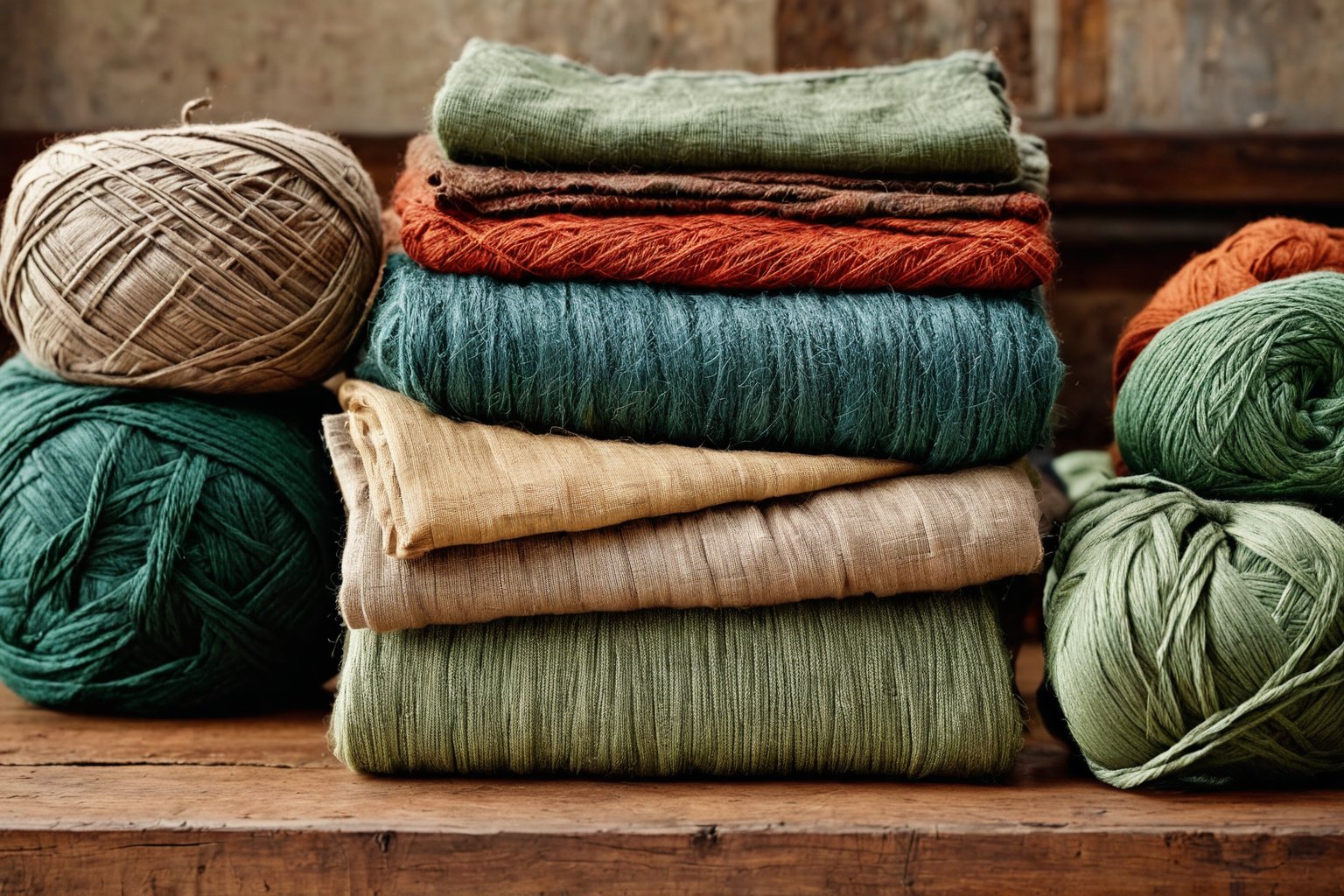
Comparing different end-of-life approaches reveals trade-offs. Reselling extends the life of the garment but may fetch a lower price than the original sale. Recycling is excellent for materials that cannot be resold in wearable form, but the process itself can be energy-intensive. Upcycling, or redesigning old pieces into new styles, is a creative way to add value and showcase the boutique’s design prowess. For the boutique owner, the key is to offer multiple avenues for customers to participate in the circular economy. Whether it’s a drop-off bin in the shop or an online trade-in program, providing options respects the customer’s autonomy and encourages responsible behavior. This final step completes the sustainability narrative, proving that the boutique’s commitment to the environment is a full-circle commitment.
Financial Viability and Brand Positioning
The seventh and final dimension tackles the bottom line. A common misconception is that going eco conscious is prohibitively expensive and will hurt profit margins. While it is true that sustainable materials and ethical labor often come with higher upfront costs, the market response often offsets this. Consumers are increasingly willing to pay a premium for products that align with their values. The key is effective brand positioning. A boutique must clearly communicate the value proposition: why is this shirt $80 instead of $30? The answer must be transparent, focusing on the quality of materials, the fairness of production, and the durability of the garment. When customers understand the “why,” the price shift feels like an investment rather than a markup.
Comparing financial models, boutiques that niche down into sustainable fashion often find a loyal, less price-sensitive customer base. Unlike the broad fast fashion market, which competes on price alone, the sustainable sector competes on meaning and quality. This allows for higher markups and better customer retention. However, the boutique must be careful not to price itself out of its target market. Finding the sweet spot where the price reflects the ethics without alienating the buyer is a delicate balance. Marketing the story, rather than just the product, is essential. By framing the collection as a curated, responsible choice, the boutique attracts an audience that values transparency and is willing to support a business model that puts people and planet before pure profit maximization. This strategic financial approach ensures the longevity of the eco conscious boutique in a competitive retail landscape.

I’ve always loved curating unique looks and exploring how personal style can tell a story. Working as a freelance fashion enthusiast, I enjoy discovering emerging designers and sharing practical tips for building a timeless wardrobe.