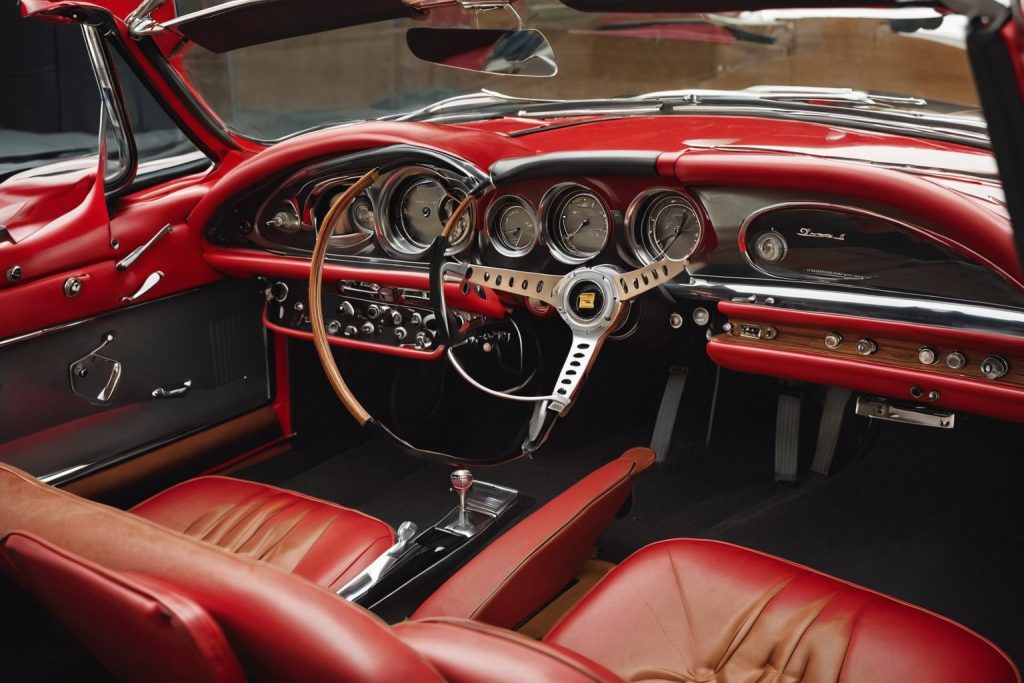
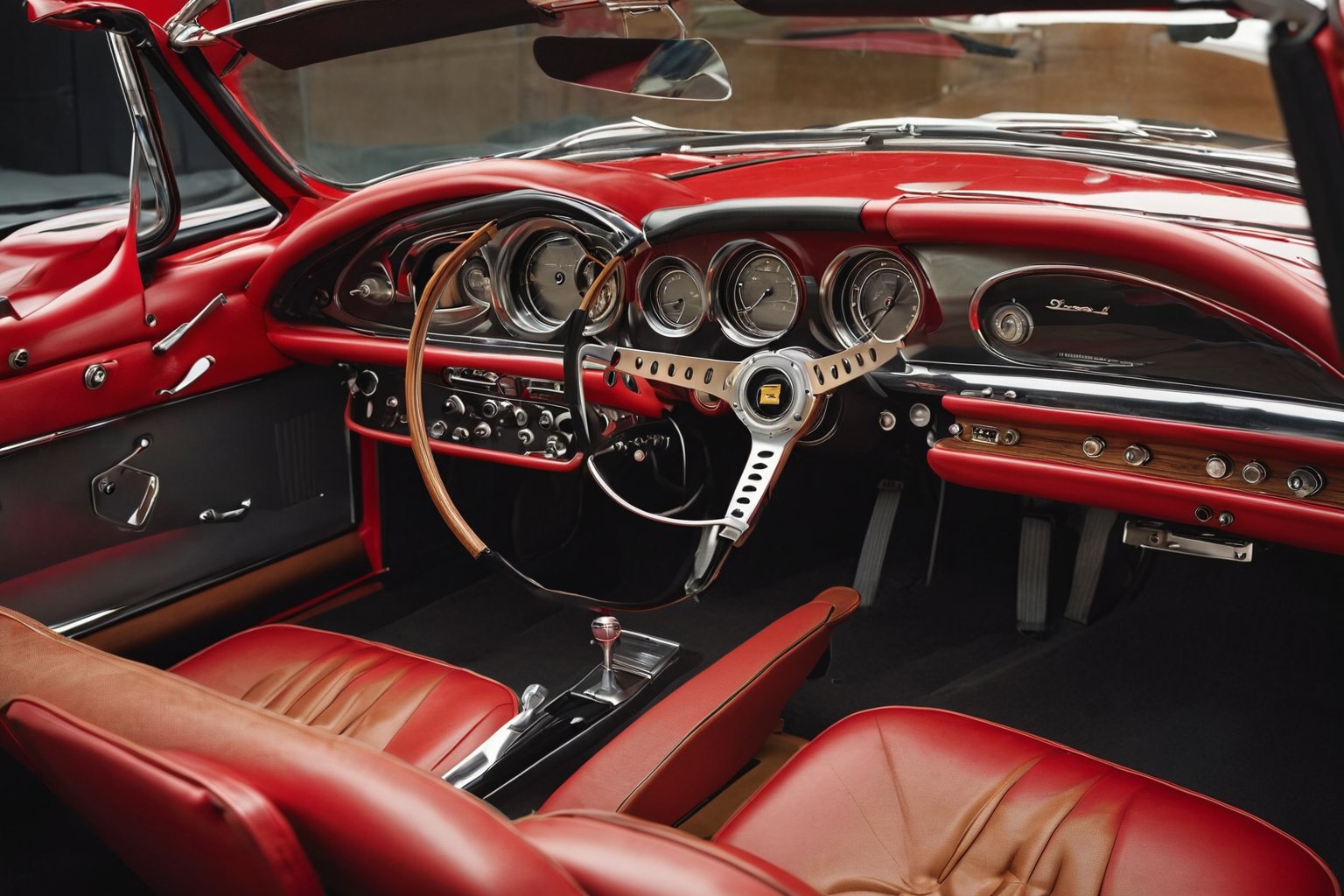
The allure of classic cars extends far beyond the open road, it’s a timeless muse for boutique fashion designers seeking to infuse their collections with effortless elegance and understated sophistication. While automotive design often draws from mechanical precision and aerodynamic curves, its principles of proportion, texture, and craftsmanship translate seamlessly into high-end apparel. The way a 1960s Jaguar E-Type blends chrome accents with organic leather or how a vintage Porsche’s stitching suggests meticulous artistry mirrors the techniques that elevate a tailored blazer or a structured handbag. For designers in the boutique space, these automotive elements aren’t just decorative, they’re a language of quality that speaks directly to discerning clientele who value heritage in their wardrobe as much as in their vehicles.
The Symmetry of Proportion in Garment Silhouettes
The balance between form and function in classic cars is a masterclass in proportion, a principle that boutique designers can borrow to create garments that feel both intentional and effortless. Take the 1957 Chevrolet Bel Air, with its sweeping tailfins and perfectly balanced roofline, which exemplifies how even the most dramatic design elements maintain harmony. In fashion, this translates to the way a wide-brimmed hat sits atop a fitted bodice or how a structured waistline in a dress mirrors the cinched waist of a vintage Rolls-Royce. The key lies in the ratio, whether it’s the relationship between sleeve length and cuff width or the distance between shoulder seams and hip flare, these details ensure that every piece feels like it was designed with the same precision as a vintage automobile. Boutique designers who study these ratios often achieve a silhouette that isn’t just stylish but also moves with the same fluidity as a well-tuned engine.
One of the most striking examples of this in fashion is the influence of the 1930s Bugatti Type 57, whose elongated hood and low-slung chassis inspired the elongated necklines and dropped shoulders of 1940s couture. Designers like Christian Dior later refined this into the “New Look,” where the emphasis on volume at the hips and taper at the waist echoed the automotive principle of weight distribution. Today, boutique brands that incorporate this logic, such as those using structured waistbands or asymmetrical hemlines, create pieces that feel both timeless and modern, much like a restored classic car that retains its original spirit while adapting to contemporary tastes.
How Chrome and Metallics Redefine Luxury Textures
The use of chrome in classic cars isn’t merely aesthetic; it’s a statement of durability and refinement, a material that catches the light and adds a layer of sophistication to any surface it adorns. In fashion, this translates to the strategic use of metallic threads, embossed leather, or even subtle gold accents in stitching. The 1965 Ford Mustang, with its bold chrome grille and polished bumpers, demonstrates how metallic details can anchor a design, drawing the eye to focal points while maintaining balance. Boutique designers who adopt this approach, like those who incorporate chrome-plated buttons or metallic embroidery, create garments that feel luxurious without being ostentatious. The trick is in moderation: a single metallic zipper pull or a subtle metallic stripe can elevate an otherwise understated piece, much like the chrome accents on a vintage Rolls-Royce that make it instantly recognizable.
One brand that has mastered this balance is Hermès, which often uses metallic embroidery in its silk scarves and leather goods, drawing inspiration from the gleam of polished automotive details. The effect is subtle yet undeniable, adding a touch of modernity to heirloom-quality fabrics. For boutique designers, the challenge is to apply this principle without overpowering the garment. A well-placed metallic detail, such as a brooch with a chrome finish or a belt buckle with a brushed metal texture, can serve as a conversation starter while keeping the overall look cohesive. The result is a piece that feels both vintage-inspired and contemporary, much like a classic car that has been restored to its original glory.
The Role of Leather in Craftsmanship and Storytelling
Leather is the unsung hero of classic cars, a material that tells a story of time, wear, and care. The patina on a well-loved vintage leather seat isn’t just a sign of age; it’s a testament to the craftsmanship that went into its creation. In fashion, leather carries the same weight, whether it’s the supple hide of a bespoke jacket or the structured rigidity of a handcrafted bag. The 1953 Mercedes-Benz 300 SL Gullwing, with its hand-stitched leather interiors, shows how leather can be both functional and luxurious, its texture evolving with use rather than fading with time. Boutique designers who prioritize leather, such as those who source full-grain hides or use traditional dyeing techniques, create pieces that develop character over the years, much like a classic car that gains value as its history deepens.
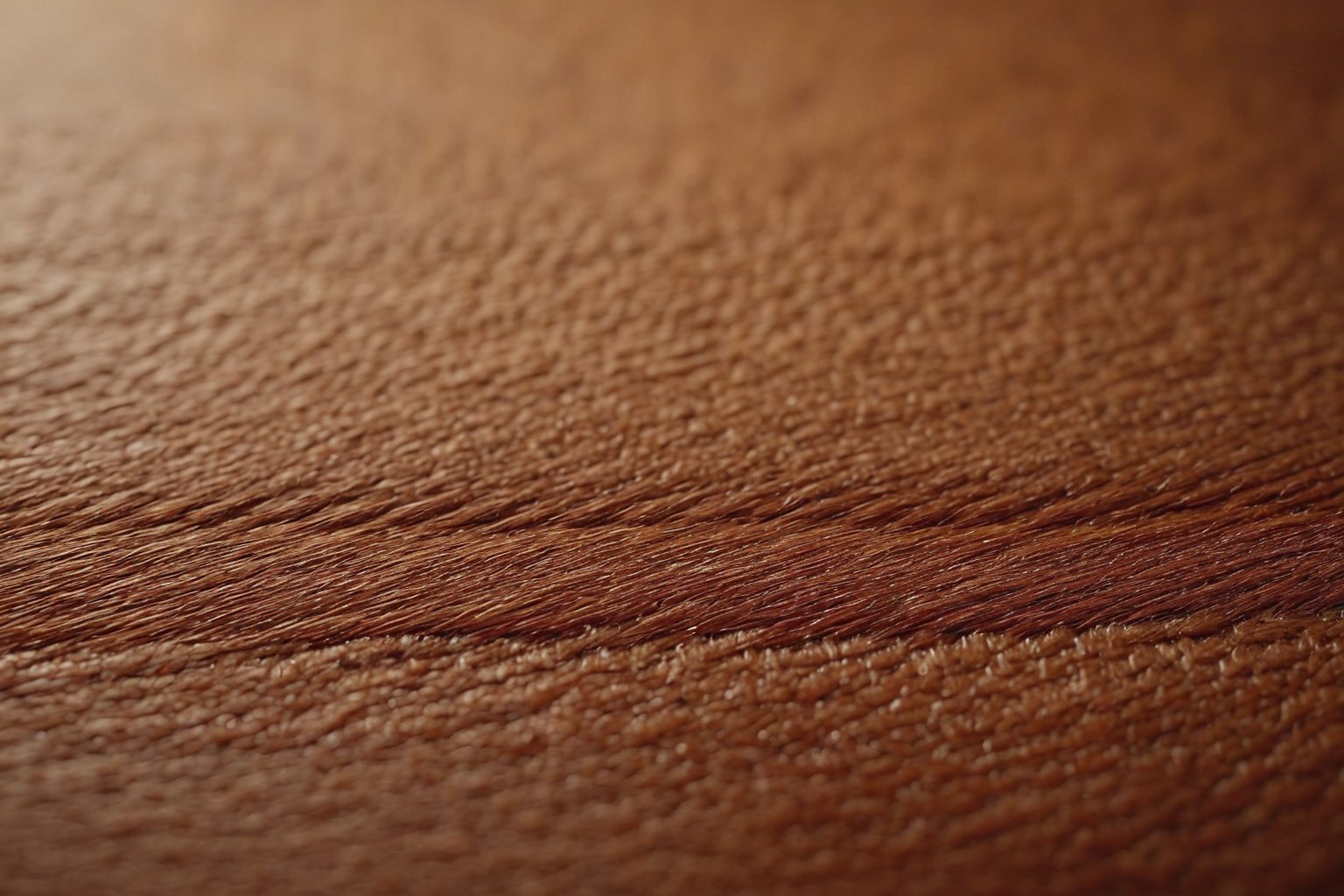
One of the most compelling examples of leather’s role in storytelling is in the work of brands like Bottega Veneta, which often uses deconstructed leather details in its accessories. The way a leather strap or a belt buckle is finished can evoke the same sense of artisanal care found in a vintage car’s dashboard. For boutique designers, this means paying attention to the smallest details, such as the stitching around a leather pocket or the way a belt loops through a garment, because these elements are what make a piece feel like it was made to last. The result is a garment that doesn’t just look expensive but feels expensive, with the same timeless appeal as a restored classic car.
Color Palettes That Bridge Vintage and Modern Aesthetics
The color schemes of classic cars are often bold yet harmonious, a reflection of the automotive industry’s early experiments with pigment and finish. The deep greens and rich reds of a 1960s Corvette Sting Ray, for instance, weren’t just choices of preference, they were the result of advancements in automotive paint technology that allowed for vibrant yet durable colors. In fashion, these palettes translate into the use of deep jewel tones, muted earthy hues, and classic neutrals that evoke nostalgia without feeling dated. Boutique designers who draw from this palette, such as those who incorporate emerald green satin or burgundy wool, create collections that feel both retro and contemporary, much like a vintage car that has been refreshed with modern touches.
One brand that excels in this balance is Balenciaga, which often incorporates deep, saturated colors in its collections, drawing inspiration from the bold hues of classic automobiles. The key is in the contrast: a deep red blazer paired with black trousers, or a mustard yellow dress with black accessories, creates a look that feels both classic and modern. For boutique designers, the challenge is to use color strategically, whether through a single statement piece or a coordinated collection, to create a cohesive aesthetic that resonates with customers who appreciate the same timeless elegance found in vintage cars. The result is a wardrobe that feels like a curated collection of automotive art, where every piece tells a story of craftsmanship and style.
The Influence of Automotive Detailing on Fabric Finishes
The attention to detail in classic cars, from hand-polished paint to meticulously stitched upholstery, is a masterclass in fabric and finish techniques that boutique designers can adapt to their work. The 1934 Alfa Romeo 8C 2300, for example, features a combination of soft leather, polished wood, and chrome that creates a sensory experience as much as a visual one. In fashion, this translates to the use of textured fabrics, hand-stitched details, and finishes that enhance rather than distract. Boutique brands that focus on these details, such as those who use hand-embroidered details or textured weaves, create garments that feel as well-crafted as a vintage automobile. The difference between a mass-produced garment and a boutique piece often lies in these subtle finishes, which elevate the overall experience of wearing the garment.
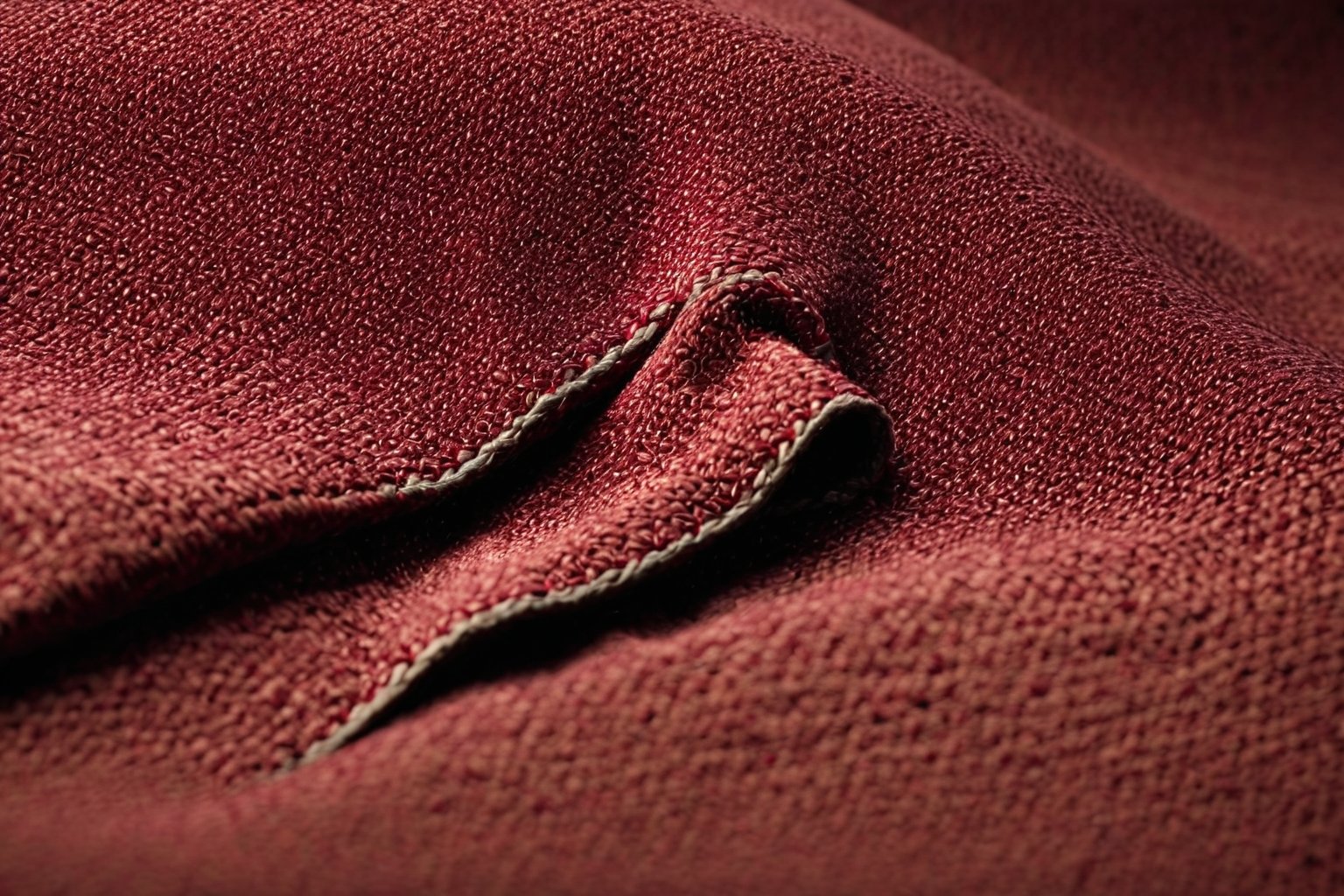
One of the most compelling examples of this in fashion is the work of brands like Prada, which often incorporates textured fabrics and intricate stitching into its collections. The way a fabric drapes or a seam is finished can make a garment feel more luxurious, much like the way a well-polished car interior feels more inviting. For boutique designers, this means investing in quality fabrics and paying attention to the smallest details, such as the way a buttonhole is sewn or how a hem is finished, to create pieces that feel like they were made to last. The result is a garment that doesn’t just look expensive but feels expensive, with the same level of care and attention to detail as a classic car.
Why Boutique Designers Should Study Classic Cars for Timeless Appeal
The enduring appeal of classic cars lies in their ability to transcend trends, blending heritage with innovation in ways that feel both nostalgic and forward-thinking. For boutique designers, this means that studying classic cars isn’t just about copying their aesthetics, it’s about understanding the principles of craftsmanship, proportion, and storytelling that make them timeless. The 1955 Mercedes-Benz 300 SL Roadster, for instance, isn’t just a beautiful car; it’s a symbol of post-war optimism and engineering excellence, qualities that resonate just as strongly in fashion. Boutique designers who adopt this mindset, focusing on quality over quantity, craftsmanship over trends, create collections that feel like heirlooms, much like the classic cars that inspire them.
The key to success in this approach is balance: incorporating automotive-inspired elements in ways that feel organic to the garment rather than forced. A boutique designer might use the proportions of a vintage car to inform the cut of a jacket, the texture of leather to inspire a handbag, or the color palette of a classic automobile to guide a collection’s hues. The result is a wardrobe that feels both personal and universally appealing, much like a classic car that has been restored to its original glory. In an industry where trends come and go, the timeless appeal of classic cars offers a blueprint for creating fashion that stands the test of time.

I’ve always loved curating unique looks and exploring how personal style can tell a story. Working as a freelance fashion enthusiast, I enjoy discovering emerging designers and sharing practical tips for building a timeless wardrobe.