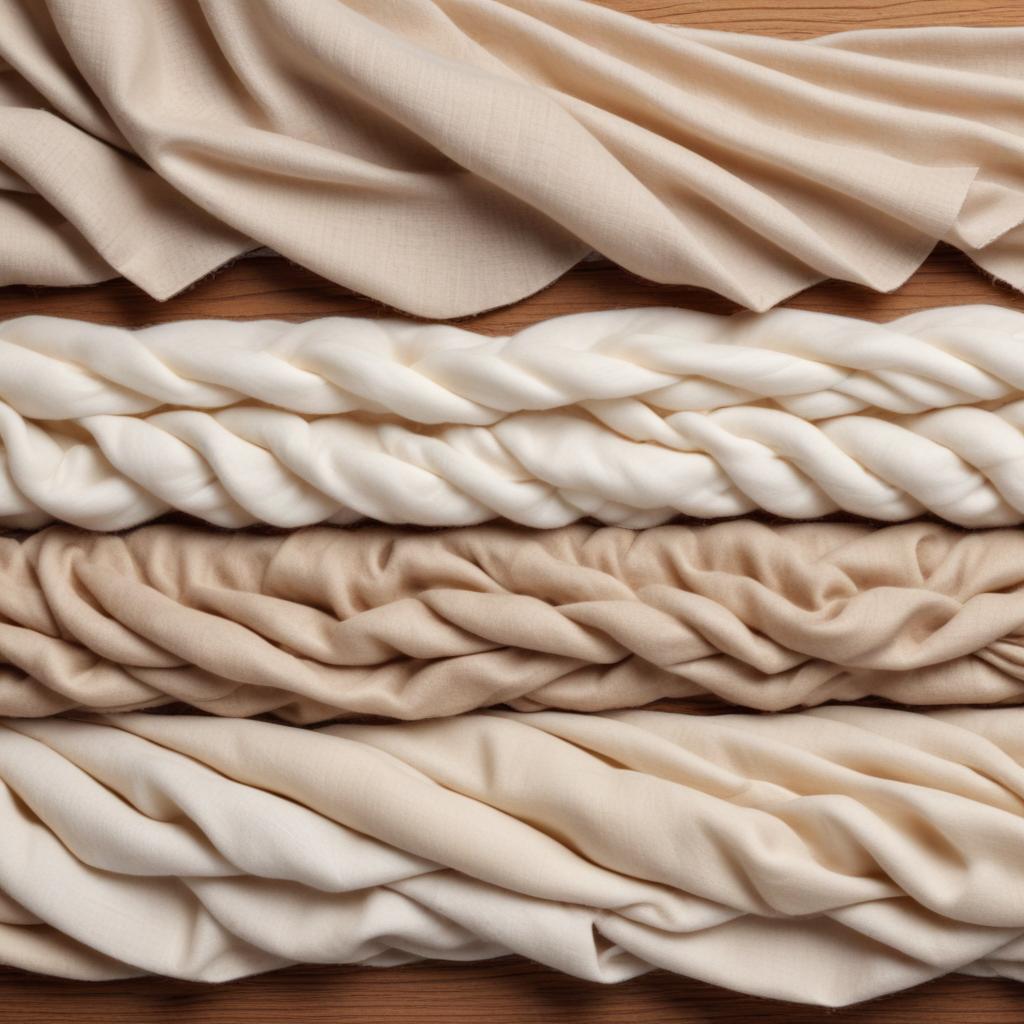
Understanding Natural Fabrics
Natural fabrics are derived from animal, plant, or mineral sources, making them a popular choice for clothing and textiles due to their breathable and biodegradable properties. Understanding these fabrics requires a look at their origins, types, and unique characteristics, especially focusing on cotton, wool, linen, and silk.
Cotton is one of the most widely used natural fabrics, originating from the fluffy fibers surrounding the seeds of the cotton plant. It is valued for its softness, breathability, and durability. Cotton fabric allows air to circulate, making it comfortable to wear in warm weather, while also being easy to dye and wash. Its natural fibers also offer good moisture absorption, which helps keep the skin dry.
Linen, made from the flax plant, is another important natural fabric. Known for its strength and coolness, linen is highly breathable and has moisture-wicking properties. It is considered more textured and stiff compared to cotton but softens with each wash. Linen also has natural antibacterial qualities, making it very suitable for warm climates and summer clothing. Its distinctive crisp feel and slightly glossy surface add to its appeal in both casual and formal wear.
Wool is a natural fabric sourced from the fleece of sheep and other animals like goats and alpacas. Renowned for its insulating properties, wool retains heat even when wet, making it ideal for cold weather clothing. It is resilient, elastic, and naturally water-resistant. Wool fibers have scales that trap air, providing warmth and cushioning. This fabric can vary in texture from soft merino wool to coarser types used in outerwear and rugs.
Silk is a luxurious natural fabric produced by silkworms. Known for its smooth, soft texture and lustrous sheen, silk is highly prized in fashion. It is lightweight yet strong, with excellent moisture-wicking properties. Silk’s ability to regulate temperature makes it comfortable for both warm and cool weather. Due to its protein-based fibers, silk has a natural elasticity and drapes beautifully, enhancing the aesthetics of garments and textiles.
Each of these natural fabrics—cotton, linen, wool, and silk—offers distinct advantages due to their natural origins. Their unique characteristics make them preferred choices for sustainable and comfortable clothing, encouraging consumers to appreciate the natural beauty and functionality of fabrics sourced from the earth and animals.
Common Types of Natural Fabrics
Natural fabrics come from animal and plant sources, offering unique properties that make them preferred for various uses. Cotton, for example, is one of the most popular natural fabrics. Known for its breathability and softness, cotton is widely used for everyday clothing, bedding, and towels. Its ability to absorb moisture makes it comfortable to wear in warm climates.
Linen, derived from the flax plant, is another natural fabric celebrated for its strength and crisp texture. It is highly breathable and has natural moisture-wicking properties, making linen garments ideal for hot weather. Linen is commonly used for shirts, dresses, and home textiles like curtains and tablecloths.
Wool types vary broadly, coming from different animals such as sheep, alpacas, and goats. Wool is prized for its warmth and insulation, making it perfect for colder climates. Merino wool, for instance, offers softness along with excellent temperature regulation, often utilized in sweaters, socks, and thermal wear.
Silk fabric, created by silkworms, is known for its luxurious texture and sheen. It is lightweight and smooth, with natural temperature-regulating properties that keep you cool in summer and warm in winter. Silk is commonly used for elegant clothing, scarves, and bedding products, celebrated for its comfort and durability.
Benefits of Natural Fabrics
Natural fabric benefits are widely recognized for their superior breathability, making them an excellent choice for clothing and home textiles. Unlike synthetic fabrics, natural fibers allow air to circulate freely, which helps regulate body temperature and reduces sweating. This breathability contributes greatly to overall comfort, especially in warm or humid conditions, making natural fabrics a preferred option for daily wear and active lifestyles.
Comfort is another significant advantage of natural fabrics. Materials such as cotton, linen, wool, and silk are soft and gentle on the skin, reducing the risk of irritation and allergies that some people experience with synthetic materials. Their texture and ability to absorb moisture enhance the wearing experience, providing a natural softness and promoting a healthier skin environment.
Beyond comfort and breathability, natural fabrics are eco-friendly. They are sourced from renewable resources, such as plants and animals, which can be replenished sustainably. This contrasts sharply with synthetic fabrics, which are typically petroleum-based and contribute to environmental pollution through their production and disposal processes.
Additionally, natural fabrics are biodegradable. When disposed of, they break down more easily in the environment, reducing landfill waste and minimizing ecological footprints. This biodegradability supports sustainable fashion and responsible consumer choices, making natural fabrics a key component in the movement towards environmentally conscious living.
Exploring Synthetic Fabrics
Synthetic fabrics have revolutionized the textile industry since their development in the early 20th century. Engineered through chemical processes, these fabrics are designed to offer durability, versatility, and affordability that natural fibers sometimes cannot provide. The advent of synthetic fibers has opened up new possibilities in fashion, sportswear, upholstery, and industrial applications, making them a vital part of modern textiles.
The development of synthetic fabrics began as a quest to create alternatives to natural fibers like cotton, silk, and wool, which could be affected by factors such as weather conditions, pests, and supply limitations. The breakthrough came with the invention of fully synthetic fibers such as nylon by Wallace Carothers in the 1930s, followed by polyester and acrylic fibers. These fabrics are produced from petrochemicals, offering controlled properties like resistance to wrinkles, moisture, and abrasions.
There are several types of synthetic fabrics commonly used in textiles today. Polyester is perhaps the most widely used, prized for its strength, elasticity, and resistance to shrinking and stretching. It is often blended with natural fibers to enhance fabric performance. Nylon, known for its exceptional tensile strength and abrasion resistance, is frequently found in activewear, outerwear, and hosiery. Acrylic, mimicking the softness and warmth of wool, is popular in sweaters, blankets, and outdoor furnishings.
In addition to these common fibers, there are other synthetic variants like spandex, which provides high elasticity, and olefin, known for its resistance to stains and moisture. The versatility of synthetic fabrics allows manufacturers to tailor textiles for specific needs, balancing comfort, durability, and functionality. While synthetic fabrics have faced scrutiny regarding environmental impacts, innovation continues towards producing more sustainable versions.
Overall, synthetic fabrics like polyester, nylon, and acrylic have become indispensable in the textile industry. Their engineered properties and adaptability make them suitable for a broad range of uses, from everyday clothing to specialized technical gear. Understanding the characteristics and development of these fabrics helps consumers make informed choices about their clothing and textile products.
Major Types of Synthetic Fabrics
Synthetic fabrics are widely used in fashion and performance wear due to their durability and versatility. Among the most common types are polyester fabric, nylon fabric, acrylic fabric, and spandex, each serving unique characteristics and uses.
Polyester fabric is highly popular because of its strength, resistance to shrinking and stretching, and quick-drying properties. It retains its shape well, making it ideal for everyday clothing, sportswear, and home furnishings like curtains and upholstery.
Nylon fabric is known for its exceptional elasticity and resilience, often used in activewear, hosiery, and outdoor gear. Its lightweight nature combined with resistance to abrasion and mildew makes it a practical choice for backpacks, tents, and swimwear.
Acrylic fabric resembles wool in texture and warmth but is much lighter and more resistant to moths and chemicals. It’s frequently used for sweaters, hats, and blankets, providing warmth without the heaviness or moisture retention of natural wool.
Spandex, also called elastane, is renowned for its exceptional stretch and recovery properties. It is commonly blended with other fabrics to add flexibility and comfort, making it essential in sports apparel, leggings, underwear, and any garment requiring a snug, body-hugging fit.
Advantages of Synthetic Fabrics
Synthetic fabric benefits are numerous, making these materials a popular choice in various industries, especially fashion and outdoor gear. One of the most significant advantages is durability. Synthetic fabrics like polyester and nylon are highly resistant to wear and tear, which means garments made from these materials tend to last longer than those made from natural fibers. This durability ensures that synthetic clothing can withstand tough conditions and frequent use without degrading quickly.
Another key benefit is their water resistance. Many synthetic fabrics are engineered to repel water, making them ideal for outdoor activities and sportswear. This water resistance helps keep the wearer dry and comfortable in wet conditions, offering a functional advantage over natural fabrics that absorb moisture.
Elasticity or stretch is also a crucial advantage of synthetic fabrics. Materials like spandex and elastane are known for their exceptional stretchability, allowing for greater freedom of movement and improved comfort. This stretch makes synthetic fabrics perfect for activewear, swimwear, and any clothing that requires flexibility.
Lastly, synthetic fabrics are generally more affordable than their natural counterparts due to lower production costs. This affordability combined with their durability, water resistance, and stretch makes synthetic fabrics an economical and practical choice for many consumers and manufacturers alike.
Comparing Natural and Synthetic Fabrics
When considering the debate of natural vs synthetic fabrics, it is essential to examine several key factors such as performance, environmental impact, and care. This fabric comparison reveals distinct pros and cons that can guide consumers in making informed choices based on their needs and values.
Performance-wise, natural fabrics like cotton, wool, and silk are prized for their breathability and comfort. These textiles allow air to circulate freely, which helps to regulate body temperature and reduce moisture buildup. However, natural fibers can be less durable and more prone to shrinking or wrinkling compared to synthetic alternatives. On the other hand, synthetic fabrics such as polyester, nylon, and acrylic often excel in strength, stretch, and resistance to stains and wrinkles. They tend to dry quickly and can be engineered to offer moisture-wicking or waterproof capabilities, making them excellent choices for activewear and technical apparel.
From an environmental perspective, natural fabrics are generally more sustainable as they come from renewable resources and tend to biodegrade more easily. However, the cultivation of natural fibers can involve significant water usage, pesticides, and land consumption, especially in the case of conventional cotton. Synthetic fabrics, derived from petrochemicals, contribute to fossil fuel depletion and can take hundreds of years to decompose once discarded. Additionally, synthetic fibers often shed microplastics during washing, posing a threat to aquatic ecosystems. Sustainable innovation is prompting some manufacturers to create eco-friendly synthetics using recycled materials, but the overall textile differences in environmental impact remain significant.
In terms of care, natural fabrics usually require more delicate handling. Many need special washing conditions such as cold water, gentle cycles, or even dry cleaning to maintain their quality and longevity. Synthetic fabrics, conversely, are often easier to care for; they tolerate machine washing at higher temperatures and generally resist shrinking and fading. This convenience is a considerable advantage for everyday wear but may sometimes come at the expense of fabric softness and breathability.
In conclusion, the natural vs synthetic fabric comparison highlights a balance between the comfort and sustainability of natural fibers and the durability and easy maintenance of synthetics. Understanding these textile differences, along with the pros and cons of each type, is essential for making environmentally conscious and practical wardrobe choices.
Environmental Impact and Sustainability
The environmental impact of fabrics plays a crucial role in assessing their sustainability. Natural fabrics, derived from plants or animals, generally have a smaller ecological footprint compared to synthetic materials. One of the key advantages of natural fabric is its biodegradability, meaning it can break down naturally without releasing harmful substances into the environment. This quality makes natural fabric eco-friendly, as it reduces landfill waste and minimizes pollution risks.
On the other hand, synthetic fabrics such as polyester and nylon are made from petrochemicals. Their production involves significant energy consumption and the use of non-renewable resources. Synthetic pollution is a major concern since these fabrics do not biodegrade easily, often persisting in landfills for hundreds of years. Additionally, microplastics from synthetic fibers can enter water systems during washing, causing further environmental harm.
The chemical use in the cultivation of natural fibers can vary widely. For example, conventional cotton farming often involves pesticides and fertilizers that impact soil health and water quality. However, organic cotton and other sustainably grown fibers aim to minimize such chemicals, enhancing the overall sustainability of natural fabrics. Conversely, the manufacture of synthetic fabrics typically requires chemical treatments and additives that contribute to pollution and health hazards.
In conclusion, when considering environmental impact and sustainability, natural fabrics tend to be more eco-friendly due to their biodegradability and potential for low chemical use. Meanwhile, synthetic fabrics pose significant challenges related to pollution and long-term environmental damage. Choosing sustainable natural fabrics can therefore reduce ecological footprints and support a healthier planet.
Performance and Practical Considerations
When comparing natural and synthetic fabrics, there are key differences in fabric durability, comfort, maintenance, and practical usage that should be considered. Natural fabrics, such as cotton and wool, tend to offer superior comfort due to their breathability and softness on the skin. They allow moisture to evaporate more effectively, keeping the wearer comfortable in various climates. However, natural fabrics often require more delicate maintenance, including gentle washing and careful drying to prevent shrinking or damage.
On the other hand, synthetic fabrics like polyester and nylon are generally more durable and resistant to wear and tear. Their fabric durability makes them ideal for heavy use and outdoor activities. Additionally, many synthetic materials are engineered to be water resistant or even waterproof, which natural fabrics usually lack. This water resistance provides practical advantages in wet or harsh environments, making synthetics a preferred choice for activewear and performance gear.
Maintenance-wise, synthetic fabrics are typically easier to care for, often being machine washable with quick drying times and less risk of shrinking. This practical ease of maintenance can save time and effort, especially for everyday clothing. In summary, natural fabrics excel in comfort but need more care, while synthetic fabrics offer superior durability, water resistance, and simpler maintenance, each suited to different practical needs and lifestyles.

I’ve always loved curating unique looks and exploring how personal style can tell a story. Working as a freelance fashion enthusiast, I enjoy discovering emerging designers and sharing practical tips for building a timeless wardrobe.