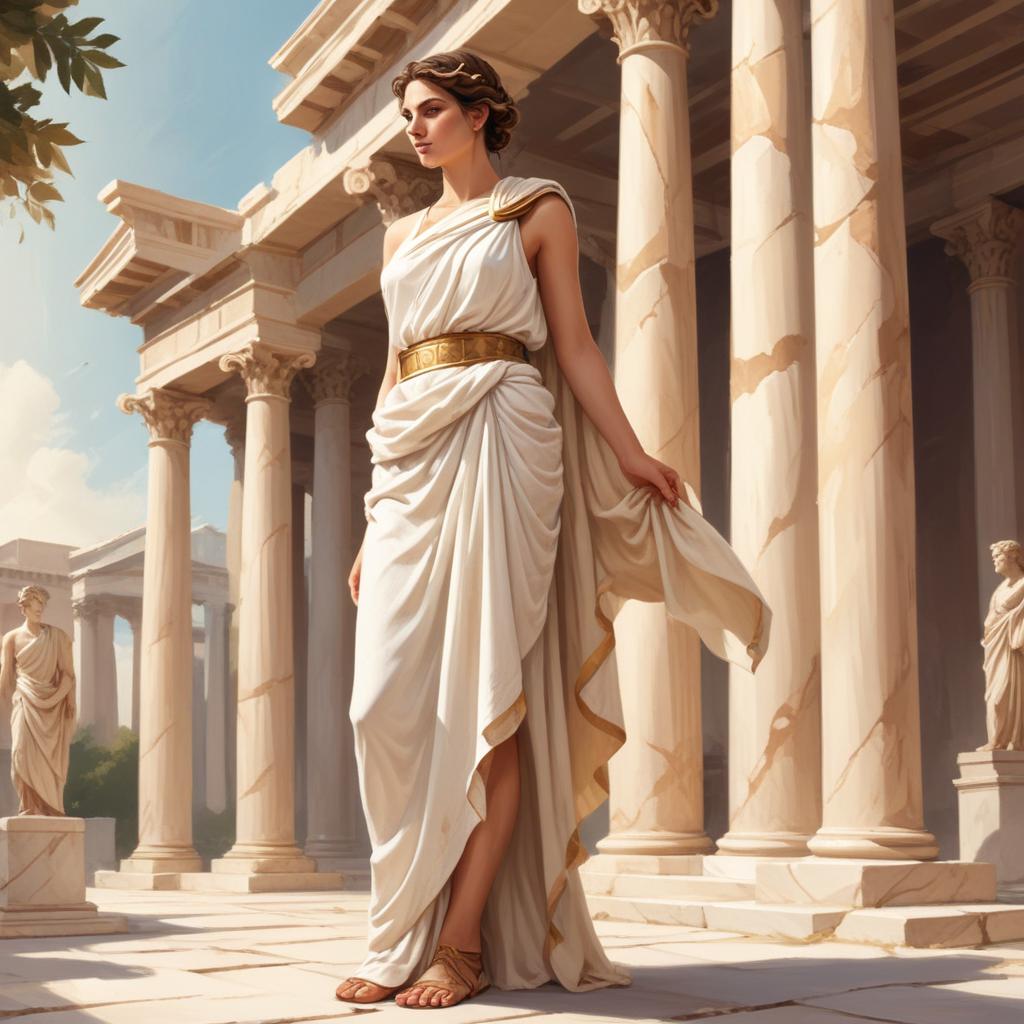
Ancient and Classical Fashion Styles
Ancient fashion reveals much about the cultures and values of early civilizations, with classical clothing from regions like Egypt, Greece, and Rome offering a fascinating glimpse into historical garments. Early fashion was characterized by simple yet elegant designs that often reflected social status, climate, and available materials.
In ancient Egypt, clothing was made primarily from linen, a lightweight fabric perfect for the hot climate. Egyptians favored draped garments such as kilts for men and sheath dresses for women, often decorated with intricate beadwork or embroidery. Both men and women adorned themselves with jewelry crafted from gold, precious stones, and glass beads, emphasizing wealth and prestige. Linen tunics and cloaks were also common, and color played a significant role, with white symbolizing purity and status.
Classical Greece introduced the iconic chiton and himation, garments renowned for their flowing, graceful lines. The chiton, a tunic made from linen or wool, was pinned at the shoulders and belted at the waist, allowing for freedom of movement and style variations. The himation was a heavy cloak draped over the body, often used for warmth and as a status symbol. Greek fashion was notable for its emphasis on proportion and drapery, highlighting the aesthetics of the human form. Colors and patterns varied, with dyes derived from natural sources like plants and mollusks.
Roman fashion borrowed heavily from Greek styles but introduced more structure and formality. Roman men wore tunics beneath a toga, a distinctive garment reserved for citizens and formal occasions. Togas were made from wool and draped in complex folds that conveyed rank and office. Women’s Roman attire included the stola, a long dress typically layered over a tunic, often accessorized with a palla, a draped shawl. Garments were crafted from wool, linen, and occasionally silk—imported from the East and a luxury item of great value. Roman clothing was practical yet symbolic, signaling social hierarchy and civic pride.
Across these ancient and classical societies, historical garments were not just functional but also deeply symbolic. Materials like linen, wool, and silk were chosen carefully, while styles and adornments reflected status, cultural identity, and evolving fashion trends. The legacy of ancient fashion continues to inspire modern design, demonstrating the enduring influence of these early fashion pioneers.
Egyptian Fashion
Egyptian clothing was renowned for its use of fine linen garments, which were well-suited to the hot climate of the region. The Egyptians were skilled in producing high-quality linen from flax fibers, and this fabric was the foundation of their wardrobe. Linen garments ranged from simple kilts worn by men to elaborate dresses worn by women. Their clothing was often lightweight, breathable, and carefully pleated to provide both comfort and elegance.
Accessories played a significant role in Egyptian fashion and included an array of ancient jewelry made from gold, precious stones, and colorful glass. These adornments were not merely decorative but held deep symbolic meanings. They often featured motifs such as the scarab beetle, the ankh symbolizing life, and the eye of Horus for protection. Jewelry was worn by all social classes but was particularly lavish among the pharaohs and nobility.
Pharaoh fashion embodied power and divinity, with garments and accessories designed to reflect their supreme status. Elaborate collars, headdresses, and belts were common, often decorated with intricate designs and symbolic imagery. Egyptian clothing and adornments went beyond aesthetics; they were a means of expressing spiritual beliefs, social hierarchy, and cultural identity. The symbolic designs woven or embroidered into the fabric communicated messages of protection, fertility, and eternal life.
Greek and Roman Influences
Greek tunics, known as chitons, and Roman togas were central to classical styles and have left a lasting impact on the history of fashion. The chiton, worn by both men and women in ancient Greece, was a simple yet elegant garment made of linen or wool, usually draped and pinned at the shoulders. Its design emphasized ease of movement and was often elaborately decorated depending on the wearer’s status. The Roman toga, on the other hand, was a distinct symbol of Roman citizenship and social rank, typically made from a large piece of woolen cloth draped over the body in a complex arrangement. Togas were predominantly worn by male Roman citizens and varied in color and style to reflect hierarchy, age, and occasion.
These garments were more than just clothing; they were a clear social marker. While the Greek chiton reflected the wearer’s social role and personal taste, the Roman toga was a statement of identity and civic duty. They both defined classical fashion by embodying the ideals of simplicity paired with dignity. The influence of these ancient fashions persists today in modern clothing styles and ceremonial attire, as designers continue to draw inspiration from the flowing lines and symbolic meanings of chitons and togas.
Medieval to Renaissance Fashion Evolution
The fashion evolution from the Medieval period to the Renaissance era was marked by significant transformations that reflected broader social, economic, and cultural shifts. Medieval clothing was heavily influenced by social hierarchy, with distinct garments clearly denoting the wearer’s status and class. Nobility and royalty wore luxurious fabrics such as silk and velvet, often adorned with intricate embroidery and fur trims, while peasants and lower classes wore simpler, coarser materials like wool and linen. This stark contrast in attire underscored the rigid social structure of the Middle Ages.
During the Medieval period, clothing styles were characterized by long tunics, cloaks, and layered garments. The silhouette was generally loose, with a focus on practicality and modesty. Men and women both wore garments that provided ease of movement and protection from the elements. Colors were often symbolic, with certain hues reserved for the elite, emphasizing the role of fashion as a marker of social distinction.
The transition to Renaissance fashion brought about a dramatic shift in clothing styles and textiles, fueled by the rise in wealth, the influence of arts, and advances in technology. Renaissance fashion embraced more elaborate construction and decoration, with garments that became more fitted and showcased the human form through tailored cuts and padded silhouettes. This period saw the introduction of intricate patterns, lace, and embroidery, made possible by emerging textile techniques such as improved weaving and dyeing processes.
Social hierarchy continued to play a crucial role in shaping fashion during the Renaissance. Sumptuary laws were enacted to regulate what different classes could wear, reinforcing social boundaries through textiles and ornamentation. The wealthy commissioned garments from skilled artisans, using luxurious fabrics like brocade, damask, and velvet in rich, vibrant colors achieved through advanced dyeing techniques. Accessories such as elaborate hats, ruffled collars, and jeweled belts added to the ornate aesthetic of Renaissance fashion.
In summary, the evolution of fashion from medieval clothing to Renaissance styles illustrates a fascinating interplay between social status and technological innovation. While the medieval era prioritized function and clear markers of class, the Renaissance celebrated artistic expression and refined textiles, setting the foundation for modern Western fashion. Both periods, through their distinctive historical styles, provide rich insights into the cultural and social fabric of their times.
Medieval Fashion Characteristics
Medieval attire during the middle ages was a vivid reflection of social class and occupation, incorporating distinct garments and fabrics that communicated status and role within society. Key garments for men included tunics, hose, and cloaks, while women often wore long gowns with fitted bodices and layered skirts. Gothic clothing, especially in the late medieval period, introduced elaborate designs with pointed sleeves, intricate embroidery, and rich colors symbolizing prestige.
Fabric and design played essential roles in distinguishing social ranks. Nobility and upper classes favored silk, velvet, and fine wool, often dyed in vibrant hues like royal blue, deep reds, and purples, which were expensive and highly regulated by sumptuary laws. In contrast, peasants and laborers wore coarse linen and rough wool, practical for manual work and daily wear. The cut and decoration of garments also varied, with higher classes adorned in elaborate trims, fur linings, and jewels, while simpler clothing served lower classes.
Occupational attire was also a notable element in medieval fashion. Craftsmen, merchants, and clergy had distinct garments suited for their professions, sometimes marked with badges or guild symbols. Overall, middle ages fashion was more than just clothing; it was a complex language of fabric and design that visually expressed hierarchy, profession, and identity in medieval society.
Renaissance Style Trends
The Renaissance period marked a significant evolution in European style, bringing forth a wave of fashion innovation that reflected the era’s cultural and artistic achievements. One of the key features of Renaissance garments was the increased use of luxurious fabrics such as silk, which became more accessible due to enhanced trade routes. Silk’s rich texture and natural sheen made it a favorite among the nobility, symbolizing wealth and sophistication.
Tailoring advancements during the Renaissance also played a crucial role in defining fashion trends. Clothing began to be tailored more closely to the body, emphasizing the silhouette and allowing for more structured and intricate designs. This period saw the introduction of new sewing techniques and patterns that enhanced comfort and style, setting a foundation for modern tailoring.
The influence of art and culture was unmistakable in the fashion of the time. Inspired by Renaissance masters, garment decoration incorporated detailed embroidery and textile arts, with motifs drawn from classical mythology and nature. Fashion was not only about apparel but also a form of artistic expression, as the clothing designs mirrored the intellectual and aesthetic values of the period.
Overall, the fusion of innovative tailoring, luxurious textiles like silk, and artistic influence established Renaissance fashion as a vibrant chapter in European style history, highlighting the intersection of clothing with cultural identity and craftsmanship.
20th Century Fashion Milestones
The 20th century style represents one of the most dynamic and transformative periods in the history of modern fashion. Throughout this century, fashion decades were marked by significant cultural shifts that altered how people dressed and perceived clothing. From the early 1900s to the late 1990s, these fashion revolutions not only reflected societal changes but also introduced groundbreaking designs that remain influential today.
The beginning of the century saw the dominance of Edwardian styles, characterized by elegant and structured silhouettes. However, post World War I, fashion began to embrace more freedom with the flapper dresses of the 1920s, symbolizing women’s evolving roles in society. Iconic designers such as Coco Chanel spearheaded this movement by promoting comfortable yet chic attire, including the little black dress and jersey fabric use, marking a clear departure from restrictive clothing.
The mid-century decades brought about a fusion of glamour and practicality. The 1940s, dominated by wartime austerity, emphasized utilitarian fashion but also witnessed Christian Dior’s “New Look” in 1947, a revolutionary design that reintroduced femininity and luxury with cinched waists and full skirts. The rise of ready-to-wear clothing during this era made fashionable attire more accessible, transforming fashion from elite ateliers to the everyday consumer.
The 1960s and 70s were decades of bold experimentation and rebellion. Youth culture brought in bright colors, mini skirts, and diverse styles like hippie bohemian and mod fashion. Designers such as Yves Saint Laurent and Mary Quant became icons for blending high fashion with street style. Ready-to-wear collections continued to grow, fueled by mass production and the expansion of department stores.
By the 1980s and 90s, fashion revolutions embraced power dressing with exaggerated shoulders and bold silhouettes, reflecting women’s increasing presence in the corporate world. This era also introduced global fashion phenomena such as hip-hop and grunge, highlighting how fashion decades continually mirror societal dynamics. The technological advances in textile production and retail further cemented the role of ready-to-wear as the backbone of modern fashion.
Overall, the 20th century style encapsulates a timeline of fashion revolutions driven by cultural transformations, iconic designers, and the democratization of clothing through ready-to-wear. These milestones collectively shaped the foundation of modern fashion, making the 20th century an unforgettable chapter in style history.
Fashion in the Early 1900s
The early 20th century marked a significant chapter in women’s fashion history, characterized predominantly by the Edwardian style which defined the era’s elegance and refinement. The Edwardian silhouette was notable for its S-shaped curve, created by a tightly corseted waist pushing the bust forward and hips back, resulting in a distinctive, flowing figure. This shape emphasized a graceful posture and a slender waist which became the hallmark of female beauty in that period.
Alongside the Edwardian silhouette, art nouveau fashion profoundly influenced clothing design, bringing organic forms and intricate, nature-inspired patterns into textile prints and embroidery. This artistic movement celebrated fluidity and natural shapes, which found expression in fabrics featuring floral motifs, flowing lines, and soft pastel colors. The fusion of art nouveau aesthetics with clothing gave rise to garments that were not only fashionable but also artistic masterpieces reflective of early 20th-century cultural trends.
Women’s fashion in the early 1900s also saw innovations in materials and detailing, with an emphasis on light, airy fabrics such as fine muslins, laces, and silks that complemented the elegant yet comfortable designs. The period was a bridge between the highly structured fashions of the 19th century and the more liberated styles that would emerge later, preserving a delicate balance between tradition and modernity. Understanding the Edwardian style and the influence of art movements is essential for appreciating the evolution of fashion in the early 20th century.
Mid-Century Fashion and Cultural Shifts
The post-war era of the 1950s fashion marked a significant transformation in the world of style, fueled by both economic recovery and cultural renewal. After the austerity of World War II, fashion embraced a new vitality that emphasized femininity and luxury, most notably represented by Christian Dior’s revolutionary “New Look.” This style featured rounded shoulders, a cinched waist, and full skirts, celebrating an ultra-feminine silhouette that contrasted sharply with wartime practicality.
Alongside this glamorous revival, there was the rise of youth culture which began to heavily influence post-war fashion. Teenagers and young adults demanded more casual, expressive clothing that reflected their new social freedom and rebel spirit. This era saw the emergence of iconic casual wear such as jeans, leather jackets, and T-shirts, which became symbols of youthful defiance and cultural identity.
1950s fashion icons like Marilyn Monroe and James Dean not only popularized these styles but also shaped the cultural influence on style globally, setting new standards for beauty and coolness. The duality of post-war fashion—luxurious formalwear alongside relaxed casual garments—captured the complex cultural shifts of the time, blending tradition with a forward-looking zest that still resonates in fashion today.
Late 20th Century Trends
The late 20th century was a dynamic period in fashion, marked by innovative trends spanning the 1970s through the 1990s. The 1970s fashion scene was heavily influenced by disco culture, inspiring glamorous, shimmering outfits with bell-bottoms, platform shoes, and bold prints. This era was characterized by an exuberant sense of freedom and experimentation in style, where people embraced bright colors and eclectic accessories.
The punk movement emerged as a stark contrast in the late 1970s to early 1980s, emphasizing rebelliousness with ripped clothing, safety pins, leather jackets, and provocative hairstyles. This style was not only a fashion statement but a form of social and political expression. Designers who embraced and popularized punk aesthetics played a vital role in embedding this countercultural style into mainstream fashion.
In the 1980s, power dressing became a defining style trend, reflecting women’s increasing presence in the professional world. Sharp blazers, broad shoulders, and bold colors symbolized confidence and authority. Designer influence was pivotal during this period, with icons like Giorgio Armani and Donna Karan shaping the market with their innovative, sophisticated approaches to business attire. These designers contributed significantly to fashion innovation, blending style with functionality.
Throughout these decades, the crossover of different styles—from disco glamour to punk rebellion and power dressing—underscored a period rich in creativity and transformation. The late 20th century left a lasting impact on fashion, with designers continuously pushing boundaries and influencing the industry’s evolution.

I’ve always loved curating unique looks and exploring how personal style can tell a story. Working as a freelance fashion enthusiast, I enjoy discovering emerging designers and sharing practical tips for building a timeless wardrobe.