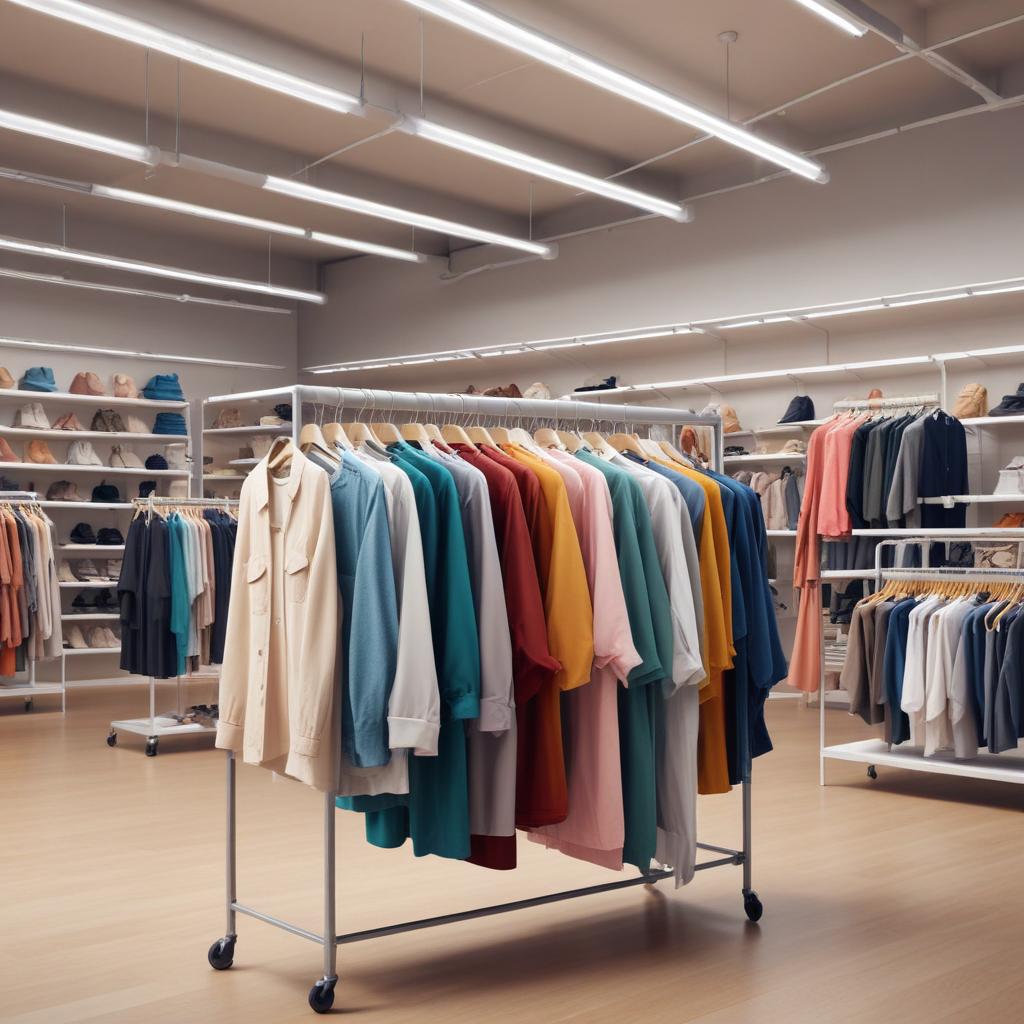
Overview of Fast and Slow Fashion
The fashion industry is a complex and ever-evolving sector, heavily influenced by consumer trends, environmental concerns, and socio-economic factors. Within this industry, two prominent concepts have emerged that represent opposite approaches to clothing production and consumption: fast fashion and slow fashion. Understanding these terms is essential for anyone interested in the dynamics of the fashion world and how these trends impact both the environment and society.
Fast fashion refers to a business model in the fashion industry characterized by the rapid production of inexpensive clothing that mimics current fashion trends. Its core objective is to quickly bring new styles from the runway or celebrity culture to the mass market, allowing consumers to purchase the latest trends at affordable prices. This approach relies on high volumes, rapid turnover, and often lower quality materials to keep costs down. As a result, fast fashion brands can produce numerous collections within a year, encouraging frequent purchases and disposability. Although fast fashion has made trendy clothing accessible to a broad audience, it has also raised significant concerns about sustainability, ethical labor practices, and environmental degradation.
Contrarily, slow fashion is a movement that challenges the fast-paced model by promoting mindful consumption, quality over quantity, and sustainability. It emphasizes the importance of durable, timeless clothing created with ethical labor standards and environmentally friendly materials. Slow fashion advocates encourage consumers to invest in garments that last longer and transcend seasonal trends, reducing waste and supporting more sustainable production methods. This approach also often includes transparency about the supply chain and greater respect for artisans and manufacturers. Slow fashion aims to reshape the fashion industry’s impact on the planet and society by fostering a more responsible and intentional way of engaging with clothing.
Both fast fashion and slow fashion hold significant places within the fashion industry, reflecting the diverse preferences and values of consumers worldwide. Fast fashion drives mass-market trends and revenues with its accessibility and speed, while slow fashion offers an alternative path grounded in sustainability and ethical responsibility. Recognizing these differing approaches provides a comprehensive fashion overview and highlights the ongoing shifts towards more conscious and sustainable consumption in the industry.
Definition of Fast Fashion
Fast fashion is a business model characterized by the quick production of clothing items that respond rapidly to the latest trend cycles. It focuses on creating affordable apparel that mirrors current runway styles and popular culture trends, enabling consumers to buy trendy clothing at a lower price point. The defining feature of fast fashion is its speed—brands continuously update their collections, often turning designs from the catwalk to store shelves in a matter of weeks.
This rapid production process relies on a highly efficient supply chain and streamlined manufacturing systems. By minimizing the time between design and retail, fast fashion companies capitalize on consumers’ desire for “what’s new” and meet the demand for constantly refreshed wardrobes. They use technologies and data analytics to track emerging styles, enabling them to predict and react to fashion trends faster than traditional apparel makers.
Overall, the fast fashion definition hinges on its ability to quickly adapt to changes in consumer preferences and trends, offering a wide array of trendy products at frequent intervals. While this business model has revolutionized how fashion is consumed, it also raises concerns about sustainability and ethical manufacturing practices due to its rapid production and disposable nature.
Definition of Slow Fashion
Slow fashion is a movement that emphasizes sustainability, ethical production, and the creation of long-lasting clothing. Unlike the rapid turnover in fast fashion, slow fashion prioritizes quality over quantity, encouraging consumers to buy fewer but better-made items. The slow fashion definition centers around reducing environmental impact by using sustainable materials and processes that conserve resources and minimize waste. This approach advocates for transparency in the supply chain and fair treatment of workers, making ethical fashion a cornerstone of the movement.
By focusing on durability and timeless style, slow fashion rejects the disposable culture promoted by fast fashion. It urges both brands and consumers to consider the lifecycle of garments, from production to end-of-use, fostering a deeper appreciation for clothes. This shift towards sustainability challenges the traditional fashion industry’s norms by promoting responsible choices that protect the planet and support social equity. Ultimately, slow fashion is about creating clothing that lasts longer, supports ethical practices, and helps build a more sustainable future for the fashion industry.
Key Differences Between Fast and Slow Fashion
The comparison between fast vs slow fashion revolves around several key factors, including production speed, quality, sustainability, and consumer impact. These differences define not only how garments are made but also how they influence the environment and the people who wear them.
Fast fashion is characterized by its rapid production process. Brands that prioritize speed bring new styles to market quickly, often replicating high-fashion trends at a low cost. This fast turnaround allows consumers to purchase trendy items frequently, but it often comes at the expense of quality. Garments produced in this way tend to be made with cheaper materials and less attention to detail, resulting in items that wear out or go out of style quickly.
In contrast, slow fashion emphasizes quality over quantity. Production times are longer, allowing for better craftsmanship and more durable materials. Slow fashion brands focus on timeless designs rather than fleeting trends, encouraging consumers to buy fewer but longer-lasting pieces. This shift impacts consumer behavior by promoting mindful purchasing and reducing the overall consumption cycle.
Sustainability is perhaps the most critical difference in this fast vs slow fashion debate. Fast fashion has been linked to significant environmental concerns due to high volumes of waste, pollution from textile factories, and excessive use of non-renewable resources. On the other hand, slow fashion often incorporates sustainable practices such as using organic or recycled materials, supporting ethical labor conditions, and minimizing waste throughout the production process.
From a consumer impact perspective, fast fashion encourages impulsive buying behavior, leading to a cycle of overconsumption and waste. Slow fashion advocates for conscious consumerism where individuals are more aware of the origins and lifecycle of their clothing. This approach fosters a deeper connection to clothing, resulting in better care, longer use, and ultimately less environmental damage.
In summary, the primary differences between fast and slow fashion encompass production speed, quality, sustainability, and their respective effects on consumers and the planet. While fast fashion offers accessibility and affordability, slow fashion promotes a more sustainable, ethical, and durable approach to clothing, making it a preferable choice for those considering the broader impact of their purchases.
Production Processes and Speed
The production processes in fast and slow fashion differ significantly, with a major distinction being the production speed and scale of manufacturing. Fast fashion brands focus on rapid manufacturing cycles designed to keep up with ever-changing fashion cycles. They employ mass production techniques that allow for large quantities of clothing to be produced in a short timeframe. This high production speed is enabled by streamlined supply chains, extensive use of automated machinery, and often outsourced labor in countries with lower production costs. As a result, fast fashion can quickly respond to trends, turning around new styles in weeks rather than months.
In contrast, slow fashion prioritizes quality over quantity, resulting in slower production speeds and smaller manufacturing runs. The processes are generally more artisanal and detail-oriented, with many slow fashion producers opting for local or ethical manufacturing practices. This leads to longer fashion cycles, as slow fashion designs are created with longevity and sustainability in mind, rather than fleeting trends. Manufacturing on a smaller scale also allows for greater attention to detail, better material selection, and more ethical labor conditions, which naturally reduces the speed but increases the garment’s overall value and durability.
In summary, while fast fashion emphasizes rapid production speed to quickly cycle through new trends, slow fashion values a more deliberate pace that focuses on sustainable manufacturing and lasting design. These differences in production processes shape the fundamental distinction between the two approaches to fashion cycles.
Environmental and Ethical Impacts
Fast fashion is notorious for its significant environmental impact, often involving large-scale resource consumption and pollution. The production process uses vast amounts of water and energy, alongside hazardous chemicals that contribute to water contamination and soil degradation. Furthermore, the rapid turnover of cheap garments generates enormous textile waste, as many items are discarded after only a few uses. On the ethical front, fast fashion frequently relies on low-cost labor in developing countries, where workers may face poor working conditions, low wages, and a lack of labor rights protection.
In contrast, slow fashion emphasizes fashion sustainability by prioritizing environmentally responsible materials and production methods. Brands committed to slow fashion often use organic, recycled, or biodegradable fabrics and implement sustainable manufacturing processes that minimize waste and reduce carbon footprints. Ethical concerns are addressed by ensuring fair labor practices, transparency, and long-lasting garment quality, promoting respect for workers’ rights and dignity. Overall, the environmental and ethical consequences of slow fashion make it a more conscientious choice, supporting a more sustainable and equitable fashion industry.
Quality and Longevity of Clothing
When comparing clothing quality and durability between fast fashion and slow fashion, the difference is pronounced. Fast fashion garments are typically produced quickly and inexpensively, often sacrificing the quality of materials and craftsmanship. The focus is on rapid turnover to meet the latest trends, leading to clothing that may wear out after a few uses or washes. This short lifespan encourages consumers to shop frequently, perpetuating a cycle of disposable fashion.
In contrast, slow fashion prioritizes higher quality fabrics and meticulous construction techniques, resulting in garments designed to last much longer. Consumers who invest in slow fashion tend to value durability and timeless style, choosing pieces that can withstand regular wear and multiple seasons. This approach not only supports more sustainable consumer habits but also reduces the environmental footprint by minimizing textile waste.
Ultimately, clothing quality and longevity significantly influence consumer habits. While fast fashion may appeal because of low prices and trendy designs, the limited durability often leads to frequent replacements. Slow fashion, by emphasizing superior quality and lasting wear, encourages consumers to shift towards mindful purchasing decisions that benefit both their wardrobes and the planet.
Benefits of Choosing Slow Fashion Over Fast Fashion
Choosing slow fashion over fast fashion offers numerous benefits that extend beyond just the clothes we wear. One of the most significant advantages is the positive impact on environmental sustainability. Slow fashion prioritizes high-quality materials and timeless designs that last longer, reducing the need for constant replacement and minimizing waste. By opting for sustainable choices like this, consumers help lower the massive amounts of textile waste that fast fashion generates every year. Additionally, slow fashion brands often use eco-friendly production techniques and natural fibers, further reducing the environmental footprint.
The ethical considerations tied to slow fashion are equally important. Fast fashion relies heavily on mass production in factories that often exploit workers, providing poor wages and unsafe working conditions. In contrast, slow fashion promotes ethical shopping by supporting brands that ensure fair labor practices and transparency throughout their supply chains. When you choose slow fashion, you contribute to improving the lives of garment workers and help create a more just and equitable industry.
Beyond environmental and ethical values, slow fashion also encourages a more thoughtful approach to personal style. It allows individuals to invest in clothing that truly reflects their personality and values, rather than following fleeting trends. This leads to a more curated wardrobe, where each piece is chosen for its quality and meaning. Adopting slow fashion encourages mindful consumption, fostering a deeper appreciation for craftsmanship and design.
In summary, the benefits slow fashion offers are wide-ranging and impactful. By making sustainable choices and practicing ethical shopping, consumers not only help protect the planet and support human rights but also create a personal style that is unique and enduring. Embracing slow fashion is an empowering decision that aligns fashion with conscious living.
Supporting Sustainable Practices
Slow fashion plays a crucial role in promoting sustainable fashion by emphasizing quality, longevity, and eco-friendly production methods. Unlike fast fashion, which often prioritizes mass production and rapid turnover, slow fashion supports sustainable practices that reduce environmental impact. Brands committed to slow fashion tend to use eco-friendly clothing materials, such as organic cotton, hemp, and recycled fabrics, which require fewer chemicals and less water during production. This approach fosters the creation of green apparel that is both stylish and environmentally responsible.
By focusing on fewer collections and producing garments with attention to detail, slow fashion promotes durability and reduces waste. This helps to combat the throwaway culture often seen in fast fashion, where garments are discarded after minimal use. Additionally, slow fashion encourages ethical labor practices, ensuring that workers receive fair wages and work in safe conditions, further supporting the broader goals of sustainable fashion.
Consumers who choose slow fashion contribute to a healthier planet by supporting brands that prioritize sustainable sourcing and production. Eco-friendly clothing under the slow fashion umbrella typically involves lower carbon footprints, less pollution, and minimized waste compared to conventional fast fashion. Overall, slow fashion is an essential movement driving the shift towards sustainable fashion and green apparel, benefiting both people and the planet for the long term.
Encouraging Ethical Labor Standards
Slow fashion is fundamentally committed to promoting ethical labor conditions and the fair treatment of workers around the world. Unlike fast fashion, which often prioritizes speed and low cost at the expense of worker rights, slow fashion emphasizes transparency and accountability throughout the supply chain. This approach advocates for safe working environments, reasonable working hours, and respect for the dignity of every individual involved in garment production.
At the core of slow fashion is the commitment to paying fair wages that provide workers with a livable income, enabling them to support themselves and their families with dignity. Ethical labor standards mean not only meeting legal requirements but going beyond them to ensure that workers have access to basic benefits and are protected against exploitation. By supporting brands that follow these principles, consumers can contribute to a more just and sustainable industry.
Furthermore, slow fashion promotes worker rights in all regions, whether in developing countries or more industrialized nations. This includes the right to unionize, participate in collective bargaining, and work free from discrimination and harassment. By prioritizing these values, the slow fashion movement fosters a global community where ethical practices become the norm, encouraging industries to reform and improve working conditions worldwide.

I’ve always loved curating unique looks and exploring how personal style can tell a story. Working as a freelance fashion enthusiast, I enjoy discovering emerging designers and sharing practical tips for building a timeless wardrobe.