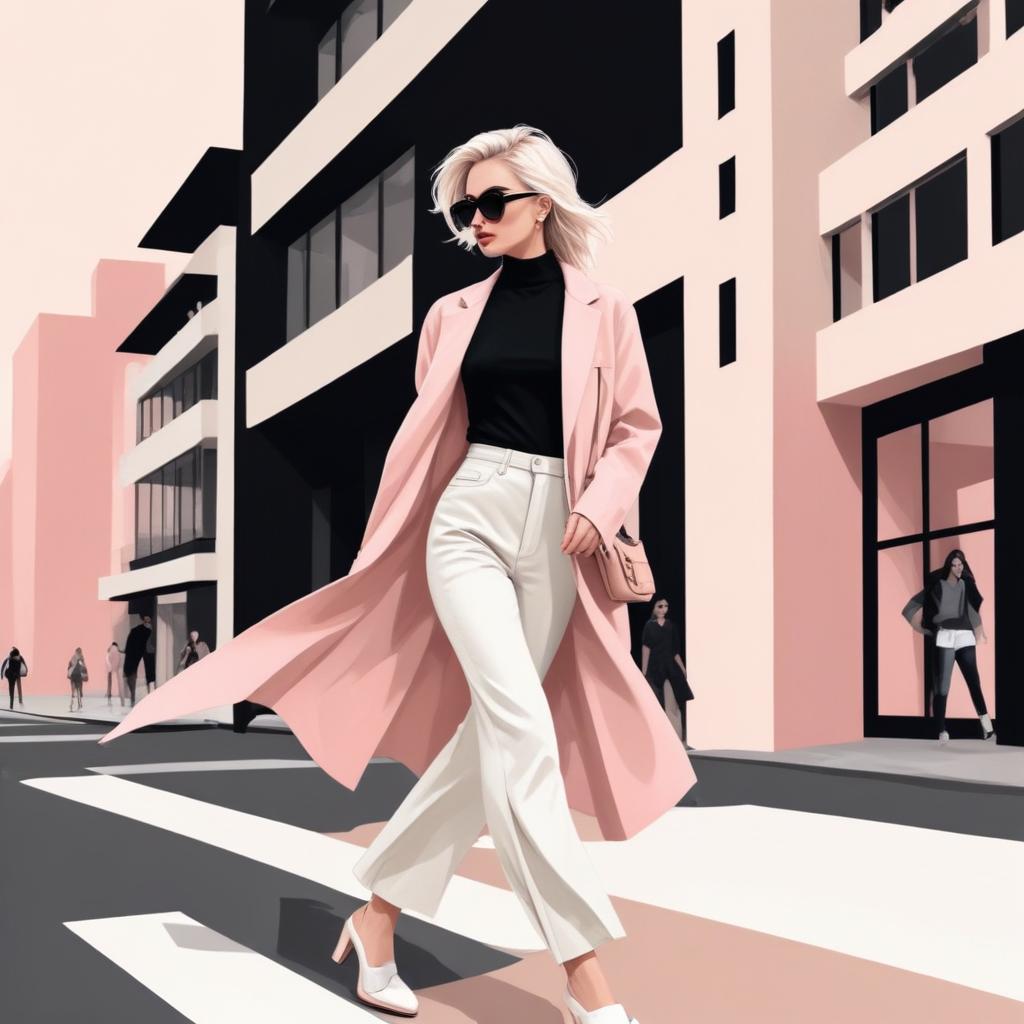
Cultural influences also play a crucial role in shaping contemporary fashion. Elements from diverse traditions, heritage crafts, and regional styles continuously inspire designers and influencers alike. This intermingling not only introduces fresh ideas but also promotes cultural appreciation within the fashion industry. As a result, trends often reflect a rich tapestry of global artistry, highlighting how deeply culture intertwines with style and personal expression.
Moreover, celebrity styles remain an enduring source of fashion inspiration. Celebrities attending high-profile events, starring in films, or even curating their wardrobes can significantly impact what becomes trendy. Their endorsement of specific brands or styles often leads to widespread adoption by fans and fashion enthusiasts eager to emulate their favorite stars. This symbiotic relationship between celebrities and designers continues to fuel fashion innovation and popularity.
In summary, the fashion world today thrives on a combination of influential forces — from traditional cultural roots to the cutting-edge reach of social media and the star power of influential fashion figures. Together, these factors create a vibrant, ever-evolving landscape where fashion inspiration is limitless and constantly reshaped by the voices that shape it.
Role of Social Media and Influencers
Social media fashion has become a powerful force in shaping contemporary style trends, with platforms like Instagram and TikTok at the forefront. These social networks offer instant access to the latest looks, allowing fashion enthusiasts and influencers to showcase new styles to a global audience in real time. Instagram fashion, for example, emphasizes a polished and curated aesthetic, where influencers create aspirational content that often sets seasonal and long-term trends. Their posts and stories highlight everything from luxury brands to streetwear, making diverse fashion accessible and desirable.
Meanwhile, TikTok style thrives on creativity and rapid trend cycles, with users sharing short videos that often introduce unexpected combinations and innovative outfit ideas. TikTok’s algorithm rapidly promotes viral influencer trends, accelerating the spread of new fashion movements far quicker than traditional media. Influencer trends on TikTok often emphasize individuality and boldness, tapping into younger audiences who seek fresh and authentic expression.
Together, Instagram and TikTok create a dynamic environment where social media fashion evolves continuously. Influencers play a pivotal role by acting as trendsetters and brand ambassadors, introducing followers to emerging looks and inspiring mass adoption. As styles trend through these channels, they significantly influence what consumers buy and wear, illustrating the profound impact of influencer trends on the fashion industry today.
Cultural and Environmental Impacts
Fashion choices today are increasingly shaped by a blend of cultural diversity and growing environmental awareness. Sustainable fashion has emerged as a vital movement, emphasizing the importance of eco-friendly clothing that minimizes harm to the planet. Designers and consumers alike are recognizing the value of green trends that promote longevity and responsible production methods. Cultural fashion plays a significant role in this evolution, as diverse traditions and heritage inspire unique styles that celebrate identity while encouraging sustainable practices. This influence leads to an appreciation for handcrafted garments and natural materials, which often align with eco-conscious values.
Environmental concerns drive the shift towards sustainable fashion by highlighting the urgent need to reduce waste and pollution associated with mass production. Eco-friendly clothing is crafted using organic fibers, recycled fabrics, and dyes that lessen environmental impact. Additionally, consumers are becoming more mindful of their purchases, favoring brands that demonstrate transparency and commitment to sustainability. These green trends foster a culture of responsibility that empowers individuals to make informed fashion choices that support both the planet and cultural heritage. Ultimately, the intersection of cultural diversity and environmental stewardship is reshaping fashion into a more ethical and inclusive industry.
Future Fashion Predictions
The future of fashion is on the brink of transformative change, driven by innovative materials, sustainable practices, and cutting-edge technology. As we look ahead, the landscape of style is poised to evolve in ways that blend creativity with functionality, making upcoming trends not only visually striking but also socially responsible. This fashion forecast highlights the key directions that future fashion will take, offering a glimpse into how style predictions are shaping the industry’s next chapter.
One of the most significant shifts in future fashion will be the rise of smart textiles and wearable technology. Fabrics embedded with sensors and responsive elements will allow clothing to adapt to environmental conditions or monitor health metrics, making everyday garments multifunctional. This integration of technology with fashion opens new possibilities for personalization and interactivity, keeping consumers connected to their clothing in unprecedented ways.
Moreover, sustainability will be at the forefront of the fashion forecast. As consumers become increasingly aware of the environmental impact of their purchases, designers are turning to eco-friendly materials such as biodegradable fabrics and recycled fibers. Upcoming trends will emphasize circular fashion principles, including clothing that can be easily recycled or upcycled, reducing waste and promoting longevity. This commitment to sustainability is expected to redefine the production processes and business models within the industry.
Style predictions also suggest a surge in gender-fluid and inclusive designs, reflecting broader social changes. Future fashion will celebrate diversity and individuality, moving beyond traditional gender norms and size limitations. This inclusivity will be reflected not only in the aesthetics but also in the marketing and accessibility of fashion products, ensuring that style is a universal language.
Emerging trends indicate that digital fashion and virtual try-ons will become mainstream, transforming how consumers shop and experience fashion. Augmented reality (AR) and virtual reality (VR) technologies will allow users to visualize garments before purchase, creating immersive shopping experiences. This digital shift will also give rise to new forms of expression, where fashion exists purely in virtual spaces, expanding the definition of what clothing can be.
In summary, the future fashion landscape promises to be dynamic and innovative, driven by technological advancements, a strong emphasis on sustainability, and inclusivity. This evolving scenario not only challenges traditional norms but also invites us to embrace a more conscious and connected way of engaging with style. Keeping an eye on these forecasts will help enthusiasts and professionals alike stay ahead of the curve in the ever-changing world of fashion.
Innovations in Fashion Technology
The landscape of fashion is rapidly evolving with the integration of cutting-edge technologies that redefine how we perceive and wear clothes. Wearable tech has become a key driver in fashion innovation, blending functionality with style to create garments that do more than just look good. Smart clothing, equipped with sensors and microchips, can monitor health metrics, adjust to temperature changes, and even interact with other devices, offering a seamless fusion between technology and everyday wear.
One of the most exciting advancements in this arena is the use of smart fabrics. These innovative textiles respond to environmental stimuli and user inputs, making garments adaptive and interactive. For example, fabrics that can change color or texture on demand are becoming feasible, providing new possibilities for self-expression and utility in fashion design. This transformation is also driven by tech trends such as the incorporation of nanotechnology and conductive fibers that elevate the capabilities of clothing.
Moreover, 3D printing has emerged as a revolutionary technique in the fashion industry, allowing designers to create intricate, customized pieces that were previously impossible to manufacture using traditional methods. This technology supports sustainable practices by reducing waste and enabling on-demand production. The combination of 3D printing with wearable tech and smart materials points to a future where fashion is not only innovative and stylish but also highly functional and personalized.
Evolving Consumer Preferences
In recent years, there has been a noticeable shift in consumer trends within the fashion industry. Today’s consumers exhibit more discerning fashion consumer behavior, prioritizing personalization and unique shopping experiences. The demand for customization in fashion products is rising sharply, with buyers seeking items that reflect their individual style and personality rather than mass-produced designs. This shift has pushed brands to innovate and offer tailored options, from bespoke clothing to customizable accessories.
Additionally, ethical considerations have become a crucial factor influencing fashion consumer behavior. Consumers are increasingly conscious of the origins and impact of their purchases. This has resulted in a growing preference for ethical brands that commit to sustainable practices, fair labor, and environmentally friendly materials. Supporting such brands aligns with evolving consumer trends that emphasize responsibility and transparency in fashion production.
Another fundamental change is in shopping habits, driven by the rapid growth of online shopping. Convenience and accessibility have transformed how consumers engage with fashion brands. Online platforms offer vast selections and the ability to compare products instantly, making them a preferred choice for many. This shift not only affects where consumers shop but also how brands strategize their marketing and customer engagement to meet the demands of a digitally savvy customer base focused on personalization and ethical consumption.
Current Fashion Trends Overview
As we move into 2024, the landscape of fashion trends continues to evolve, showcasing a rich tapestry of styles that appeal to diverse tastes and preferences. This year, the spotlight is on a harmonious blend of nostalgia and innovation, making the fashion trends 2024 exciting and multifaceted. From runway to streetwear, the latest fashion reflects a balance between bold statements and subtle elegance, ensuring there is something for everyone.
The current styles dominating the fashion scene are characterized by a mix of retro influences and futuristic designs. Oversized silhouettes are making a strong comeback, reminiscent of the 80s and 90s, but with a modern twist that incorporates sleek tailoring and new fabric technologies. Layering remains a key trend, allowing for versatile and personalized looks. Additionally, utility wear with functional elements is trending, combining practicality with avant-garde aesthetics.
Color trends this year are vibrant yet grounded. Expect to see an abundance of earthy tones like terracotta, olive green, and sandy beige paired with bursts of brighter colors such as electric blue, coral, and sunshine yellow. These colors not only reflect the current mood of optimism and renewal but also complement a wide range of skin tones and personal styles. Pastels are also maintaining popularity, offering a softer palette for those who prefer understated elegance.
Materials in the latest fashion are as important as design, with sustainability and innovation taking center stage. Natural fabrics such as organic cotton, linen, and hemp continue to gain favor, driven by the increasing demand for eco-friendly choices. Meanwhile, high-tech textiles that enhance comfort and durability are also trending, including weather-resistant and breathable fabrics. Additionally, textures play a significant role, with a focus on layering different materials like knitwear combined with leather or silk to create dynamic and tactile outfits.
Overall, the fashion trends of 2024 offer an exciting overview for enthusiasts and casual wearers alike. The fusion of classic styles with new materials and vibrant colors illustrates a year of creativity and thoughtful dressing. Whether you’re drawn to the latest fashion innovations or prefer timeless styles reimagined, this year’s current styles promise to inspire and uplift your wardrobe.
Popular Clothing Styles
Current clothing trends are a dynamic blend of various styles that cater to diverse preferences and occasions. One of the most prominent trends is streetwear, which continues to dominate the casual fashion scene. Streetwear is characterized by its comfortable yet edgy aesthetic, often featuring graphic tees, hoodies, oversized silhouettes, and sneakers. This style has become a cultural phenomenon, appealing to both younger generations and fashion enthusiasts who appreciate its bold, expressive nature.
Alongside streetwear, sustainable wear is gaining significant momentum. This clothing trend emphasizes eco-friendly fabrics, ethical production methods, and timeless designs that encourage mindful consumption. Many consumers now prefer sustainable fashion for its positive environmental impact, favoring brands that prioritize transparency and quality over fast fashion’s fleeting allure.
Formal wear preferences are also evolving, blending classic tailoring with modern twists. While traditional suits and dresses remain staples, there is a noticeable shift towards more relaxed fits, innovative fabrics, and versatile pieces that transition seamlessly from professional settings to social gatherings. This trend reflects a broader move towards functionality without sacrificing style, catering to individuals who value both comfort and elegance.
Together, these clothing trends highlight a rich tapestry of options for today’s fashion-forward individuals, integrating streetwear’s boldness, sustainable wear’s conscience, and the timeless sophistication of formal wear.
Trending Colors and Patterns
The fashion colors 2024 scene is embracing a vibrant and dynamic palette that breathes new life into wardrobes everywhere. This year, expect to see bold hues like electric blue, fiery red, and sunny yellow making strong statements in both clothing and accessories. These eye-catching colors add energy and confidence, perfectly matching the optimism and creativity of modern fashion.
Alongside striking colors, patterns and prints are playing a pivotal role in defining the color trends for 2024. Classic animal prints, such as leopard and zebra, continue to roar loudly on runways, while abstract and geometric patterns introduce a fresh, artistic vibe. Floral prints have evolved, featuring oversized, graphic blooms that combine softness with boldness. This year’s fashion embraces playfulness and individuality through mixing patterns, allowing for personalized style statements.
Designers are also experimenting with color blocking and contrasting prints, pushing the boundaries of conventional aesthetics. The combination of vibrant fashion colors 2024 and intricate patterns creates a visually stimulating effect that appeals to trendsetters and fashion enthusiasts alike. Accessories follow suit, incorporating these color trends with printed scarves, statement bags, and patterned footwear, making it easy to refresh any outfit.
Overall, the trending colors and patterns dominating the fashion industry this year celebrate diversity, boldness, and creativity. Whether opting for a single vibrant piece or mixing multiple prints, fashion lovers can confidently express their personalities while staying on trend with the latest color trends and patterns of 2024.
Influences Shaping Fashion Today
Fashion trends today are shaped by a dynamic blend of various influences, with fashion influencers playing a pivotal role in setting the tone. These individuals, often celebrities or style icons, help define what’s in vogue by showcasing new styles and looks across diverse platforms. Their impact extends beyond traditional media, profoundly affecting how trends catch fire and spread rapidly within the fashion community and to the wider public.
One of the key catalysts for the rapid evolution of fashion has been social media. Platforms like Instagram, TikTok, and Pinterest have revolutionized how fashion inspiration is consumed, allowing users to discover, share, and mimic styles instantly. With millions of users engaging daily, social media impact on fashion is undeniable — it enables trends to reach a global audience quickly and democratizes fashion by giving rise to micro-influencers and niche aesthetics, which might have otherwise remained unnoticed.
Cultural influences also play a crucial role in shaping contemporary fashion. Elements from diverse traditions, heritage crafts, and regional styles continuously inspire designers and influencers alike. This intermingling not only introduces fresh ideas but also promotes cultural appreciation within the fashion industry. As a result, trends often reflect a rich tapestry of global artistry, highlighting how deeply culture intertwines with style and personal expression.
Moreover, celebrity styles remain an enduring source of fashion inspiration. Celebrities attending high-profile events, starring in films, or even curating their wardrobes can significantly impact what becomes trendy. Their endorsement of specific brands or styles often leads to widespread adoption by fans and fashion enthusiasts eager to emulate their favorite stars. This symbiotic relationship between celebrities and designers continues to fuel fashion innovation and popularity.
In summary, the fashion world today thrives on a combination of influential forces — from traditional cultural roots to the cutting-edge reach of social media and the star power of influential fashion figures. Together, these factors create a vibrant, ever-evolving landscape where fashion inspiration is limitless and constantly reshaped by the voices that shape it.
Role of Social Media and Influencers
Social media fashion has become a powerful force in shaping contemporary style trends, with platforms like Instagram and TikTok at the forefront. These social networks offer instant access to the latest looks, allowing fashion enthusiasts and influencers to showcase new styles to a global audience in real time. Instagram fashion, for example, emphasizes a polished and curated aesthetic, where influencers create aspirational content that often sets seasonal and long-term trends. Their posts and stories highlight everything from luxury brands to streetwear, making diverse fashion accessible and desirable.
Meanwhile, TikTok style thrives on creativity and rapid trend cycles, with users sharing short videos that often introduce unexpected combinations and innovative outfit ideas. TikTok’s algorithm rapidly promotes viral influencer trends, accelerating the spread of new fashion movements far quicker than traditional media. Influencer trends on TikTok often emphasize individuality and boldness, tapping into younger audiences who seek fresh and authentic expression.
Together, Instagram and TikTok create a dynamic environment where social media fashion evolves continuously. Influencers play a pivotal role by acting as trendsetters and brand ambassadors, introducing followers to emerging looks and inspiring mass adoption. As styles trend through these channels, they significantly influence what consumers buy and wear, illustrating the profound impact of influencer trends on the fashion industry today.
Cultural and Environmental Impacts
Fashion choices today are increasingly shaped by a blend of cultural diversity and growing environmental awareness. Sustainable fashion has emerged as a vital movement, emphasizing the importance of eco-friendly clothing that minimizes harm to the planet. Designers and consumers alike are recognizing the value of green trends that promote longevity and responsible production methods. Cultural fashion plays a significant role in this evolution, as diverse traditions and heritage inspire unique styles that celebrate identity while encouraging sustainable practices. This influence leads to an appreciation for handcrafted garments and natural materials, which often align with eco-conscious values.
Environmental concerns drive the shift towards sustainable fashion by highlighting the urgent need to reduce waste and pollution associated with mass production. Eco-friendly clothing is crafted using organic fibers, recycled fabrics, and dyes that lessen environmental impact. Additionally, consumers are becoming more mindful of their purchases, favoring brands that demonstrate transparency and commitment to sustainability. These green trends foster a culture of responsibility that empowers individuals to make informed fashion choices that support both the planet and cultural heritage. Ultimately, the intersection of cultural diversity and environmental stewardship is reshaping fashion into a more ethical and inclusive industry.
Future Fashion Predictions
The future of fashion is on the brink of transformative change, driven by innovative materials, sustainable practices, and cutting-edge technology. As we look ahead, the landscape of style is poised to evolve in ways that blend creativity with functionality, making upcoming trends not only visually striking but also socially responsible. This fashion forecast highlights the key directions that future fashion will take, offering a glimpse into how style predictions are shaping the industry’s next chapter.
One of the most significant shifts in future fashion will be the rise of smart textiles and wearable technology. Fabrics embedded with sensors and responsive elements will allow clothing to adapt to environmental conditions or monitor health metrics, making everyday garments multifunctional. This integration of technology with fashion opens new possibilities for personalization and interactivity, keeping consumers connected to their clothing in unprecedented ways.
Moreover, sustainability will be at the forefront of the fashion forecast. As consumers become increasingly aware of the environmental impact of their purchases, designers are turning to eco-friendly materials such as biodegradable fabrics and recycled fibers. Upcoming trends will emphasize circular fashion principles, including clothing that can be easily recycled or upcycled, reducing waste and promoting longevity. This commitment to sustainability is expected to redefine the production processes and business models within the industry.
Style predictions also suggest a surge in gender-fluid and inclusive designs, reflecting broader social changes. Future fashion will celebrate diversity and individuality, moving beyond traditional gender norms and size limitations. This inclusivity will be reflected not only in the aesthetics but also in the marketing and accessibility of fashion products, ensuring that style is a universal language.
Emerging trends indicate that digital fashion and virtual try-ons will become mainstream, transforming how consumers shop and experience fashion. Augmented reality (AR) and virtual reality (VR) technologies will allow users to visualize garments before purchase, creating immersive shopping experiences. This digital shift will also give rise to new forms of expression, where fashion exists purely in virtual spaces, expanding the definition of what clothing can be.
In summary, the future fashion landscape promises to be dynamic and innovative, driven by technological advancements, a strong emphasis on sustainability, and inclusivity. This evolving scenario not only challenges traditional norms but also invites us to embrace a more conscious and connected way of engaging with style. Keeping an eye on these forecasts will help enthusiasts and professionals alike stay ahead of the curve in the ever-changing world of fashion.
Innovations in Fashion Technology
The landscape of fashion is rapidly evolving with the integration of cutting-edge technologies that redefine how we perceive and wear clothes. Wearable tech has become a key driver in fashion innovation, blending functionality with style to create garments that do more than just look good. Smart clothing, equipped with sensors and microchips, can monitor health metrics, adjust to temperature changes, and even interact with other devices, offering a seamless fusion between technology and everyday wear.
One of the most exciting advancements in this arena is the use of smart fabrics. These innovative textiles respond to environmental stimuli and user inputs, making garments adaptive and interactive. For example, fabrics that can change color or texture on demand are becoming feasible, providing new possibilities for self-expression and utility in fashion design. This transformation is also driven by tech trends such as the incorporation of nanotechnology and conductive fibers that elevate the capabilities of clothing.
Moreover, 3D printing has emerged as a revolutionary technique in the fashion industry, allowing designers to create intricate, customized pieces that were previously impossible to manufacture using traditional methods. This technology supports sustainable practices by reducing waste and enabling on-demand production. The combination of 3D printing with wearable tech and smart materials points to a future where fashion is not only innovative and stylish but also highly functional and personalized.
Evolving Consumer Preferences
In recent years, there has been a noticeable shift in consumer trends within the fashion industry. Today’s consumers exhibit more discerning fashion consumer behavior, prioritizing personalization and unique shopping experiences. The demand for customization in fashion products is rising sharply, with buyers seeking items that reflect their individual style and personality rather than mass-produced designs. This shift has pushed brands to innovate and offer tailored options, from bespoke clothing to customizable accessories.
Additionally, ethical considerations have become a crucial factor influencing fashion consumer behavior. Consumers are increasingly conscious of the origins and impact of their purchases. This has resulted in a growing preference for ethical brands that commit to sustainable practices, fair labor, and environmentally friendly materials. Supporting such brands aligns with evolving consumer trends that emphasize responsibility and transparency in fashion production.
Another fundamental change is in shopping habits, driven by the rapid growth of online shopping. Convenience and accessibility have transformed how consumers engage with fashion brands. Online platforms offer vast selections and the ability to compare products instantly, making them a preferred choice for many. This shift not only affects where consumers shop but also how brands strategize their marketing and customer engagement to meet the demands of a digitally savvy customer base focused on personalization and ethical consumption.

I’ve always loved curating unique looks and exploring how personal style can tell a story. Working as a freelance fashion enthusiast, I enjoy discovering emerging designers and sharing practical tips for building a timeless wardrobe.