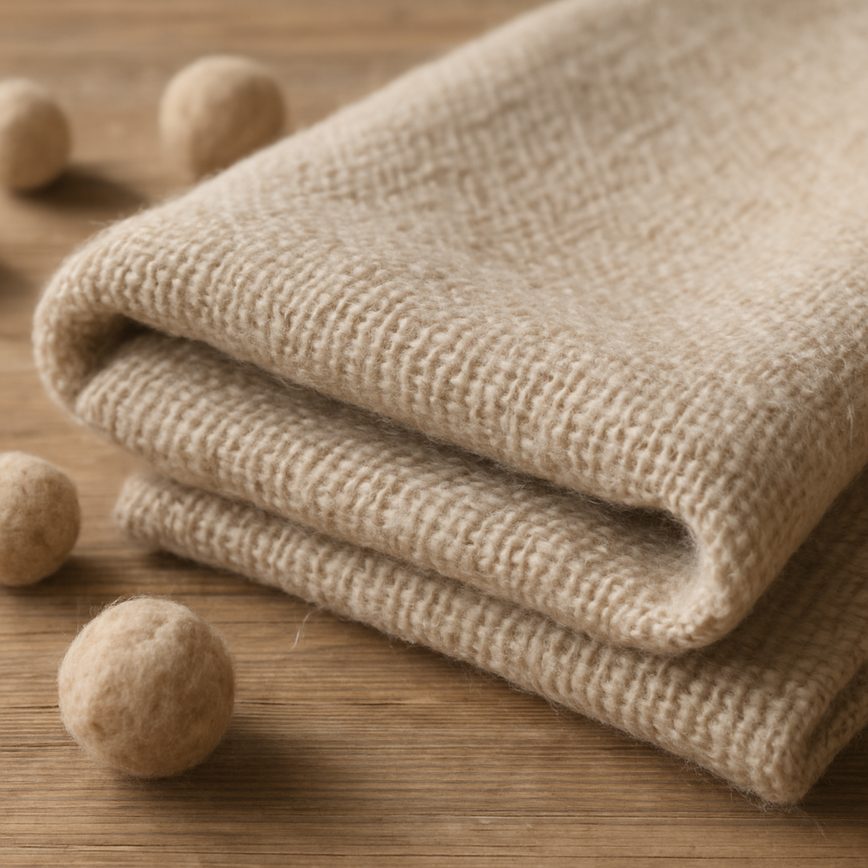
Introduction to Wool Fabric
Wool fabric is a textile material derived from the natural fibers found on the fleece of sheep and certain other animals like goats and alpacas. Known for its versatility and durability, wool has been a staple in human clothing and textile production for thousands of years. The wool fibers are composed primarily of keratin, a protein that gives the fabric its unique properties, including elasticity, warmth, and moisture-wicking capabilities.
The origin of wool fabric traces back to ancient times when humans first began domesticating sheep for their fleece. Early societies quickly realized the advantages of wool over other natural fibers due to its insulating properties, which kept them warm in cold climates. Throughout history, wool has played a significant role in many cultures and economies, often symbolizing wealth and status. The process of turning wool into fabric involves cleaning, carding, spinning, and weaving or knitting, resulting in a material that ranges from coarse to fine textures depending on the breed of sheep and treatment methods.
Wool fabric remains popular today because it stands out among natural fibers for several reasons. Firstly, its insulation ability means it keeps the wearer warm in cold weather yet remains breathable to prevent overheating. Secondly, wool has excellent moisture management: it can absorb significant amounts of moisture without feeling wet, which makes it comfortable to wear in varying conditions. Additionally, wool is naturally flame-resistant and resilient, allowing clothing and fabrics to maintain their shape and appearance over time despite repeated use.
Besides these functional benefits, wool fabric appeals to consumers because it is a renewable, biodegradable resource. It is produced with a relatively low environmental footprint compared to synthetic textiles, making it a sustainable choice for eco-conscious buyers. Whether used in suits, sweaters, blankets, or upholstery, wool fabric embodies a combination of natural fiber qualities that continue to make it a preferred textile in fashion and home goods.
Physical Properties of Wool Fabric
Wool fabric is renowned for its unique physical properties, which stem from the intricate structure of wool fibers. These fibers have a distinctive scaly surface that contributes to the fabric’s characteristic wool texture. This natural texture not only adds to its aesthetic appeal but also influences how the wool interacts with air and moisture, providing excellent thermal insulation. The scales help trap air, making wool fabric particularly effective at retaining heat and keeping the wearer warm in cold conditions.
The elasticity of wool fibers is another key physical property that defines wool fabric. Wool can stretch up to 30% of its original length without breaking, thanks to the crimped structure of its fibers. This elasticity allows wool garments to maintain their shape and resist wrinkles, enhancing both comfort and appearance. Furthermore, wool fiber strength contributes significantly to wool durability. Despite its soft feel, wool is surprisingly strong and resilient, able to withstand substantial tension and bending without damage.
Density is another important factor in wool fabric’s physical characteristics. Wool fibers have a relatively low density compared to synthetic fibers, which contributes to its lightweight nature while still providing excellent insulation. The combination of fiber density and air-trapping crimp ensures that wool fabric remains warm without being heavy, making it a preferred choice for winter clothing. The strength and durability of wool fibers mean that they offer long-lasting wear, resisting tears and abrasions better than many other natural fibers.
In summary, the physical properties of wool fabric—such as its unique fiber structure, notable elasticity, impressive fiber strength, and suitable density—make it a versatile and high-performing textile. These characteristics not only define the wool texture but also contribute to wool’s outstanding thermal insulation and overall durability, ensuring it remains a top choice for quality apparel and textiles worldwide.
Insulation and Thermal Regulation
| Property | Description | Benefit |
|---|---|---|
| Thermal Properties | Wool fibers trap air within their structure, creating natural insulation that retains body heat efficiently. | Helps maintain warmth in cold weather without overheating. |
| Insulation | The crimped nature of wool increases its loft, enhancing its ability to act as a barrier against cold temperatures. | Keeps the wearer warm by preventing heat loss, suitable for chilly environments. |
| Temperature Control | Wool regulates temperature by absorbing moisture vapor while still feeling dry to the touch, allowing it to cool when it’s warm and warm when it’s cold. | Provides comfort in both warm and cold weather, making it versatile year-round. |
| Wool Warmth | Even when wet, wool retains much of its insulating capability, unlike many synthetic fabrics. | Ensures consistent warmth and comfort in variable weather conditions. |
Moisture Wicking and Breathability
Wool fabric is renowned for its exceptional moisture management capabilities, making it a highly breathable fabric ideal for various conditions. One of the key features that sets wool apart is its natural ability to wick moisture away from the skin. This wicking property ensures that sweat is quickly drawn from the body and dispersed through the fibers, leaving the wearer feeling dry and comfortable. Unlike many synthetic materials that trap moisture against the skin, wool helps regulate body temperature by allowing air to circulate freely around the fabric.
This breathability benefits not only enhance comfort but also reduce the risk of overheating and skin irritation. Because wool fibers can absorb a significant amount of moisture while still feeling dry to the touch, they maintain a pleasant microclimate close to the skin. This unique balance of moisture wicking and ventilation is why wool is often chosen for activewear, outdoor garments, and next-to-skin layers. In essence, wool’s combination of breathable fabric and strong wicking properties provide superior comfort in both cool and warm environments, ensuring the skin stays dry and comfortable throughout the day.
Care and Maintenance of Wool Fabric
Proper wool care is essential to preserve the natural properties and longevity of this luxurious fabric. Wool is prized for its durability and comfort, but to maintain these qualities, understanding the best fabric maintenance practices is crucial. By following a few simple guidelines, you can ensure that your wool garments remain beautiful and functional for many years.
One of the primary concerns in washing wool is avoiding shrinkage and distortion. Always use cold or lukewarm water when washing wool, as hot water can cause the fibers to contract and felt. It’s best to hand wash wool items in a gentle detergent specially formulated for wool care. If you prefer machine washing, select the wool or delicate cycle and use a mesh laundry bag to protect the fabric. Avoid harsh detergents and bleach, which can damage the natural fibers and compromise the texture and strength of the fabric.
After washing, do not wring or twist wool fabric. Instead, gently press out excess water and lay the garment flat on a clean towel to air dry. Hanging wet wool can stretch out the fibers and distort the shape, while direct sunlight may cause fading. Proper drying techniques help maintain the garment’s original form and feel, a key aspect of effective wool care.
Routine fabric maintenance also involves regular airing and brushing. Wool is naturally odor-resistant due to its fibers’ ability to wick away moisture, so frequent washing isn’t always necessary. Instead, airing wool garments after use can reduce the need for frequent laundering. Use a soft clothing brush to remove surface dirt and lint, helping to maintain the fabric’s appearance and extend its lifespan. This also helps preserve the natural oils in the wool that contribute to its durability and softness.
When storing wool, keep it in a cool, dry place away from moths and other insects that might damage the fabric. Cedar blocks or lavender sachets are natural repellents that help protect wool garments. Fold wool items rather than hanging them for long-term storage to avoid stretching out the fibers. Proper storage aligns with overall wool durability tips to retain the fabric’s quality over time.
By combining these careful washing, drying, and maintenance practices, your wool fabrics will retain their softness, strength, and appearance. Taking these steps not only preserves the fabric’s high-quality feel but also extends the lifespan of your wool garments, saving you money and ensuring lasting enjoyment of your wardrobe staples.
Washing and Cleaning Techniques
When it comes to washing wool, special care must be taken to preserve the fabric’s natural qualities and avoid damage. Wool is delicate and prone to shrinking or felting when washed improperly. The safest method is often dry cleaning, which effectively cleans wool without exposing it to water or agitation that can distort fibers.
For those who prefer home washing, use cold or lukewarm water and a gentle wool-specific detergent. Always avoid hot water, as it can cause irreversible shrinkage. Hand washing is recommended to minimize friction; gently soak and swish the garment without wringing or stretching. After washing, press out excess water carefully by rolling the fabric in a clean towel.
Stain removal requires prompt action but must be handled delicately to avoid damaging the wool. Blot stains gently with a damp cloth and avoid harsh scrubbing. For tougher stains, use a mild detergent solution or specialized stain removers formulated for wool. Avoid bleach or strong chemicals, which can harm the fibers.
Following these fabric cleaning tips — including dry cleaning when in doubt, gentle hand washing, and cautious stain removal — will help maintain the softness, shape, and longevity of wool garments. Proper washing and cleaning techniques ensure wool’s natural insulation and moisture-wicking properties remain intact, keeping your wool items looking and feeling their best.
Storage and Handling Tips
Properly storing wool items is essential to maintain their quality and longevity. When storing wool fabric, it is crucial to protect it from moths, which are notorious for damaging natural fibers. Use airtight containers or sealed bags to create a barrier against these pests. Additionally, natural repellents like cedar blocks or lavender sachets can be placed nearby to deter moths without risking damage to the fabric.
Handling wool fabric with care during storage helps prevent stretching and distortion. Avoid hanging heavy wool garments, as this can cause them to lose shape over time. Instead, fold them neatly and store them flat in cool, dry places. If hanging is necessary, use padded hangers that support the shoulders to maintain the garment’s structure.
It is also important to ensure fabric storage environments are free from excessive moisture and direct sunlight, both of which can weaken wool fibers. Regularly airing out stored wool items will help prevent mustiness and keep the fabric fresh.
By following these best practices for storing wool and handling wool fabric, you can protect your wool items from moth damage, stretching, or distortion, ensuring they remain in excellent condition for years to come.

I’ve always loved curating unique looks and exploring how personal style can tell a story. Working as a freelance fashion enthusiast, I enjoy discovering emerging designers and sharing practical tips for building a timeless wardrobe.