Introduction to Linen Clothing
Linen clothing is made from fibers derived from the flax plant, a natural fiber known for its strength, durability, and breathability. As one of the oldest textiles in human history, linen fabric has been used for thousands of years, with origins tracing back to ancient civilizations such as Egypt and Mesopotamia. This fabric introduction offers insight into why linen remains a preferred choice for clothing around the world.
The unique characteristics of linen clothing stem from the natural fibers of the flax plant. These fibers are long and smooth, creating a fabric that is lightweight yet incredibly strong. Linen’s breathability makes it ideal for warm climates, as it allows air to flow freely and helps keep the wearer cool and comfortable. Additionally, linen fibers absorb moisture without feeling damp, which enhances comfort during hot weather.
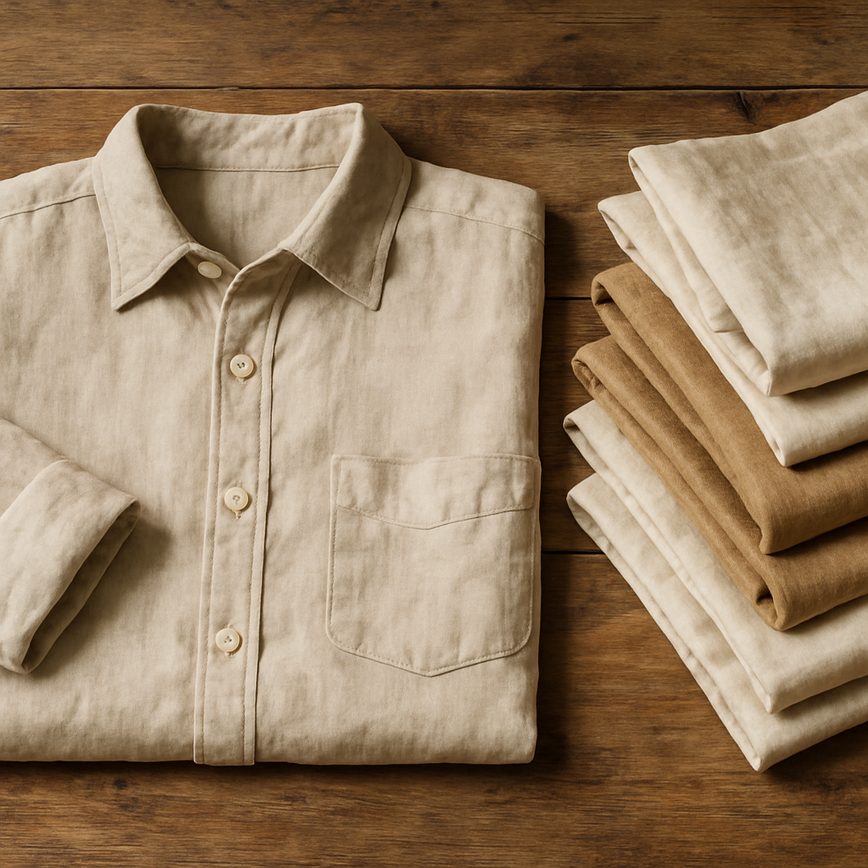
Another noteworthy aspect of linen clothing is its texture and appearance. Linen has a distinctive crispness and a slightly rough feel that softens with each wash. Its natural luster gives the fabric a subtle sheen, enriching the visual appeal of garments made from it. The natural variation in fiber thickness also contributes to linen’s characteristic slightly wrinkled look, which many appreciate for its casual elegance.
Environmentally, linen clothing offers a sustainable option compared to synthetic fabrics. The flax plant requires fewer pesticides and less water to cultivate than cotton, and linen fibers are biodegradable. This makes linen an eco-friendly fabric choice that aligns well with modern preferences for natural fibers and sustainable fashion.
In summary, linen clothing represents a timeless blend of natural origin and functional benefits. Its use of natural fibers from the flax plant results in a fabric that is breathable, strong, and environmentally conscious. This introduction to linen fabric highlights its enduring appeal and the unique qualities that make linen clothing a valuable and stylish addition to any wardrobe.
What is Linen Fabric?
Linen fabric is a natural textile that has been prized for centuries for its durability, breathability, and elegant texture. It is made from fibers extracted from the flax plant, which is cultivated in various regions around the world. The process of transforming flax fibers into linen fabric involves harvesting the flax stalks, retting them to loosen the fibers, and then spinning these fibers into yarn. This yarn is woven into fabric that is both strong and lightweight.
The unique qualities of linen fabric stem from the flax fibers themselves. These fibers are longer and stronger than cotton, allowing the fabric to maintain its shape and resist wear over time. Linen is highly absorbent and dries quickly, making it an excellent choice for warm weather clothing. Additionally, linen is hypoallergenic and becomes softer with each wash, enhancing comfort without sacrificing its robust nature. As a natural textile, linen fabric is also eco-friendly, biodegradable, and sustainable, supporting environmentally conscious fashion choices.
Because of its natural origin and exceptional properties, linen fabric is widely used in clothing, home textiles, and accessories. It offers a breathable, cool feel in the heat, which contributes to its enduring popularity. Whether in casual wear or more refined apparel, linen’s natural texture and environmental benefits make it a superior choice for those seeking quality and sustainability in their garments.
History and Popularity
Linen has a rich and ancient history that dates back thousands of years, making it one of the oldest textiles known to humanity. Its origins can be traced to ancient Egypt, where it was prized for its durability and breathability, and used extensively in clothing, household items, and even burial shrouds. Over time, linen became a staple fiber in various cultures around the world, admired not only for its practicality but also for its natural elegance and comfort.
The evolution of the textile industry has seen linen maintain its relevance by adapting to changing fashion trends. Despite the rise of synthetic fibers and cotton, linen has experienced a notable resurgence in modern fashion owing to its sustainability, hypoallergenic properties, and timeless style. Designers have embraced linen for its ability to combine a rustic, natural aesthetic with contemporary trends, making it a favored choice in eco-friendly and high-end fashion circles alike.
Currently, linen enjoys renewed popularity as consumers increasingly seek sustainable alternatives to synthetic fabrics. Its breathable texture, environmental benefits, and unique natural wrinkles contribute to its appeal within progressive fashion trends. This resurgence also reflects a broader appreciation for the textile evolution that honors traditional craftsmanship while promoting modern, conscious consumption.
Benefits of Wearing Linen Clothing
Linen clothing offers a unique combination of benefits that make it a preferred choice for many. One of the standout linen benefits is its exceptional breathability. Linen fibers are naturally porous, allowing air to flow easily through the fabric. This breathability helps to keep the wearer cool and dry by wicking moisture away from the skin, making linen an excellent fabric for warm climates or hot summer days.
Comfort is another major advantage of wearing linen. The fabric has a soft yet crisp texture that feels pleasant against the skin. Over time, linen becomes even softer with each wash, providing a comfortable wearing experience without losing its structural integrity. Unlike synthetic fabrics, linen does not cling to the body, allowing for free movement and added comfort throughout the day.
Durability is a key factor in the appeal of linen clothing. Linen is made from the flax plant, which produces strong fibers capable of withstanding wear and tear. This makes linen garments long-lasting and resistant to damage, even with frequent use. Linen’s durability ensures that the clothing maintains its shape and appearance well beyond regular wear periods, offering excellent value for money.
In addition to breathability, comfort, and durability, linen benefits also include being hypoallergenic and environmentally friendly. Linen clothing is less likely to cause skin irritation, making it suitable for sensitive skin types. Moreover, flax plants require fewer pesticides and fertilizers compared to cotton, making linen a more sustainable choice for eco-conscious consumers.
Overall, the combination of linen’s breathability, comfort, and durability makes it an outstanding fabric choice. Whether you are looking for clothing that keeps you cool, feels good all day, or lasts through numerous seasons, linen is a reliable and stylish option. Embracing linen clothing means investing in quality, comfort, and sustainability.
Breathability and Comfort
Linen is renowned for its breathable fabric, which plays a crucial role in enhancing comfort for the wearer. Its natural fibers allow air to effortlessly circulate through the fabric, facilitating optimal thermal regulation. This means that linen clothing effectively helps maintain a balanced body temperature by allowing heat to escape and fresh air to flow in.
During warm weather, the breathable fabric of linen prevents excessive sweating by promoting ventilation, which keeps the skin cool and dry. This characteristic makes linen an excellent choice for summer clothing, ensuring that the wearer remains comfortable even on hot days. Unlike synthetic materials, linen does not trap heat, thus reducing the risk of overheating and discomfort.
In addition to temperature regulation, linen’s breathability enhances overall comfort by reducing moisture build-up. The fabric absorbs perspiration and dries quickly, preventing the clammy feeling often associated with less breathable textiles. This moisture-wicking ability keeps the skin feeling fresh and comfortable throughout the day.
Overall, the combination of breathable fabric and excellent thermal regulation makes linen an outstanding option for anyone seeking comfortable clothing. Whether worn in extreme heat or fluctuating temperatures, linen’s ability to manage airflow and moisture ensures a pleasant and comfortable experience, making it a preferred choice for those prioritizing both comfort and style.
Durability and Long-Lasting Wear
Linen fabric is renowned for its exceptional strength and durability, making it an excellent choice for those seeking durable linen clothing. Unlike many other natural fibers, linen boasts a higher tensile strength, which means it can withstand significant wear and tear without losing its structural integrity. This quality ensures that linen garments maintain their shape and resilience even after repeated use and multiple washes.
One of the key benefits of linen is its wear resistance. Its fibers are thicker and stronger compared to cotton, for example, which contributes to the long-lasting quality of linen clothes. This resistance to abrasion and pilling allows linen pieces to endure everyday activities and environmental stress without showing signs of damage early on. Whether you wear linen clothing casually or in more demanding environments, the fabric’s durability stands out prominently.
Moreover, the longevity of linen fabric means that your wardrobe investment goes a long way. Long-lasting clothes made of linen not only retain their aesthetic appeal — with their natural luster and texture — but also provide consistent comfort over time. This durability is why linen remains a popular choice for high-quality garments that are both practical and stylish, proving to be a sustainable option thanks to their extended lifespan.
Eco-Friendly and Sustainable Choice
Linen is an excellent eco-friendly fabric that stands out in the realm of sustainable fashion. Unlike synthetic fabrics that rely heavily on petrochemical processes and non-renewable resources, linen is derived from the flax plant, an organic linen source known for its low environmental footprint. The cultivation of flax requires minimal water and pesticides, making linen a highly sustainable option compared to cotton or synthetic alternatives.
One of the key benefits of linen is its biodegradability. Once a linen garment reaches the end of its lifecycle, it naturally decomposes without releasing harmful microplastics into the environment, unlike synthetic textiles. This characteristic positions linen as a responsible choice for those who prioritize reducing their ecological impact.
Furthermore, linen’s durability ensures that garments made from this eco-friendly fabric last longer, reducing the frequency of replacement and lowering overall textile waste. Its breathability and moisture-wicking properties also mean it requires less frequent washing, conserving water and energy. By choosing linen in sustainable fashion, consumers support a cycle that respects both the planet and its resources, making it a wise and thoughtful fabric choice for environmentally conscious wardrobes.
Styling and Care Tips for Linen Clothing
Linen styling offers a versatile and timeless look that embraces comfort and elegance. To make the most of your linen clothing, consider pairing linen pieces with natural, breathable fabrics such as cotton or lightweight wool to enhance texture contrast. For a casual yet polished appearance, combine linen shirts with tailored chinos or denim. When styling linen dresses or skirts, simple accessories and neutral tones often complement the fabric’s natural charm. Layering with lightweight blazers or cardigans can turn your linen outfit into a stylish option suitable for both warm and cooler weather.
Proper clothing care is essential for maintaining the softness and durability of your linen garments. Always check the care label for specific instructions, but generally, linen should be washed with mild detergent in cold or lukewarm water to prevent shrinkage and color fading. Avoid using bleach or harsh chemicals that can damage the fibers. If machine washing, use a gentle cycle and place linen items in a mesh laundry bag to reduce friction. Hanging linen clothing to dry rather than using a dryer is highly recommended to minimize wrinkles and preserve the fabric’s quality.
When it comes to linen maintenance, ironing while the fabric is still slightly damp helps achieve smooth, crisp results without causing damage. Use a medium to hot iron setting and press on the reverse side to protect the fabric’s surface. For a more relaxed look, embracing some natural wrinkles is perfectly acceptable and even fashionable with linen. Store linen clothing in a cool, dry place with enough space to avoid creasing. Using breathable garment bags can also help prevent moisture buildup and keep your linen pieces fresh over time.
In summary, mastering linen styling and clothing care ensures that your linen wardrobe remains stylish and long-lasting. Focus on combining linen with complementary fabrics for chic layering, follow gentle washing and drying practices, and maintain your garments with careful ironing and proper storage. These linen maintenance tips will help you enjoy the natural beauty and comfort of linen clothing season after season.
How to Style Linen Clothing
Linen outfits are versatile and perfect for creating both casual and formal linen looks. To achieve a stylish linen ensemble, start by pairing lighter linen shirts or blouses with tailored trousers or a chic skirt for a polished, formal appearance. Adding minimalist accessories like a leather belt and elegant shoes can elevate your outfit while keeping the breathable and effortless charm of linen intact.
For casual outings, consider combining linen pants or shorts with a simple cotton tee or a relaxed linen shirt for a laid-back, comfortable vibe. Layering with a denim jacket or lightweight cardigan can add depth without compromising the airy feel of linen. Neutral tones and earthy colors often complement linen’s natural texture, helping you create a balanced look that feels fresh and stylish.
Accessorizing is key when styling linen clothing. Opt for straw hats, woven bags, or wooden jewelry to enhance the natural aesthetic of your linen outfits. Footwear such as espadrilles, sandals, or loafers works well with both casual and formal linen styles, making your outfit seamlessly transition between occasions.
Remember, the key to stylish linen looks is combining the fabric’s relaxed texture with well-fitted, complementary pieces that suit the occasion, whether it’s a sunny day out or a sophisticated evening event. This balance ensures your linen clothing looks intentional, comfortable, and effortlessly chic.
Proper Care and Washing Instructions
Proper linen care is essential to maintain the fabric’s natural beauty and durability over time. When washing linen, it is best to use a gentle cycle with cold or lukewarm water to avoid shrinkage and preserve the fabric’s strength. Avoid harsh detergents; instead, opt for mild, liquid detergents that are free of bleach or brighteners.
After washing linen, it is crucial to handle fabric maintenance carefully by air drying it. Lay the linen flat on a clean towel or hang it to dry away from direct sunlight, which can weaken fibers and fade colors. Avoid using a high heat setting in a dryer, as it can cause damage and excessive wrinkling.
Ironing linen is key to achieving a crisp, polished look while preserving longevity. It is recommended to iron linen when it is slightly damp, using a medium-hot setting and steam to smooth out wrinkles easily. Iron the fabric inside out to prevent shine marks, and if necessary, use a pressing cloth as an additional layer of protection for the fibers.
By following these linen care tips—washing linen gently, drying it naturally, and ironing it properly—you ensure the fabric maintains its quality and lasts for many years.

I’ve always loved curating unique looks and exploring how personal style can tell a story. Working as a freelance fashion enthusiast, I enjoy discovering emerging designers and sharing practical tips for building a timeless wardrobe.