Understanding the Importance of Proper Clothing Fit
Proper clothing fit is essential not only for comfort but also for enhancing your overall style and appearance. When clothes fit well, they conform to the body’s natural shape without causing any discomfort or restriction of movement. This comfort plays a significant role in daily wear, allowing you to carry out activities with ease and confidence. Wearing ill-fitting clothes can be distracting and unpleasant, leading to constant adjustment and discomfort throughout the day.
Understanding the importance of clothing fit is crucial because it directly affects how you look and feel. Clothes that fit properly create a polished and put-together appearance, making it easier to present yourself confidently in both casual and formal settings. A well-fitted garment highlights your best features while minimizing areas you might want to downplay. This balance leads to a flattering silhouette that boosts self-esteem and helps you leave a positive impression on others.
Why clothes fit matters goes beyond aesthetics; it also impacts how others perceive you. Clothes are one of the first things people notice, and a good fit can communicate professionalism, attention to detail, and personal care. Conversely, clothes that are too tight or too loose can give off an impression of carelessness or lack of effort. The benefits of proper fit extend into social and professional spheres, where better-fitted attire can enhance opportunities and relationships.
Another important factor in the clothing fit importance is longevity and wearability. When clothes fit correctly, they tend to last longer because they do not undergo unnecessary stress from stretching or bunching. This durability means a better investment in your wardrobe and less frequent replacement of items. Moreover, investing in clothes with a proper fit supports sustainable fashion practices, reducing waste caused by poorly fitted clothes that are often discarded prematurely.
Ultimately, the benefits of proper fit encompass not only physical comfort and aesthetic enhancement but also psychological well-being. Wearing clothes that fit well allows you to move freely, look your best, and feel confident in every situation. Recognizing and prioritizing why clothes fit matters can transform your dressing habits and elevate your overall lifestyle, making it an essential consideration for anyone interested in style and comfort.
Comfort and Mobility
Clothing comfort plays a crucial role in our daily lives, especially when it comes to selecting garments that allow ease of movement. A comfortable fit ensures that clothes do not feel restrictive or cause discomfort, enabling you to carry out everyday activities with greater freedom. When clothes fit well, they conform to the body’s natural shape without being too tight or too loose, which reduces the chances of chafing or awkward adjustments throughout the day.
Mobility in clothes is particularly important for active individuals or those who have dynamic routines. Properly fitting garments support a full range of motion, whether you are reaching, bending, or walking. Fabrics combined with an appropriate fit can accommodate your movements without pulling or bunching, enhancing both comfort and functionality. This is especially true for garments like tops, trousers, and dresses, where freedom of movement is essential.
Choosing clothes with a comfortable fit not only makes you feel better but can also improve your posture and confidence. When tight or stiff clothing restricts your motions, it can lead to tension in muscles and joints. Well-fitted clothing, on the other hand, works with your body to provide comfort and support. In summary, focusing on clothing comfort and mobility ensures that your wardrobe helps you move effortlessly and stay comfortable all day long.
Enhancing Personal Style
Well-fitting clothes play a crucial role in style enhancement by accentuating an individual’s best features and creating a polished look. Clothes that flatter the shape and size of the body naturally draw attention to personal fashion choices, making the wearer appear more confident and put-together. When garments fit correctly, they eliminate unnecessary bulk or sagging, allowing the style elements such as fabric, cut, and color to shine through effectively. This not only boosts overall appearance but also elevates how one is perceived in social and professional settings.
Personal fashion is a form of self-expression, and clothes that fit well serve as the foundation for that expression. Such pieces enhance body proportions and can transform casual outfits into chic ensembles, or simple looks into statement styles. Style enhancement achieved through well-fitting clothes ensures that the individual feels comfortable and authentic, fostering a more positive self-image. Moreover, tailored clothing often signals attention to detail and care in personal grooming, further amplifying one’s style impression.
In essence, investing in clothes that flatter your body and reflect your personal taste is key to enhancing personal style. Whether dressing for everyday wear or special occasions, the right fit can turn ordinary attire into an empowering fashion statement. Prioritizing fit not only refines your appearance but also creates a harmonious balance between comfort and aesthetics—an essential blend for true style enhancement.
How Different Types of Clothes Should Fit
Understanding fit guidelines for various clothing categories is essential to looking polished and feeling comfortable. Each type of clothing demands a unique fit approach to enhance your silhouette and ensure ease of movement. Below, we’ll explore fit guidelines for shirts, pants, jackets, and dresses to help you master clothing fit types for different clothes.
For shirts, the fit should strike a balance between form and comfort. The shoulder seams should align exactly with the edge of your shoulders, preventing an overly tight or droopy look. The sleeves should allow enough room for movement without being baggy, ending just at the wrist bone for long sleeves. A well-fitting shirt tapers slightly at the waist to avoid unnecessary billowing, ensuring the fabric drapes smoothly over the torso. When it comes to casual shirts, a slightly relaxed fit can provide more comfort, but always avoid excessive looseness that breaks the neat silhouette.
Pants fit is primarily judged by the waist, seat, and length. The waistband should sit comfortably at your natural waist without pinching or gaps. The seat needs to contour your shape without pulling or sagging, indicating a proper fit. For the leg, consider the style—slim, straight, or relaxed—while making sure the fabric does not cling excessively or hang loosely. Hem length is equally important; pants should break just once at the front over the shoes for a clean look, avoiding bunching or excessive stacking.
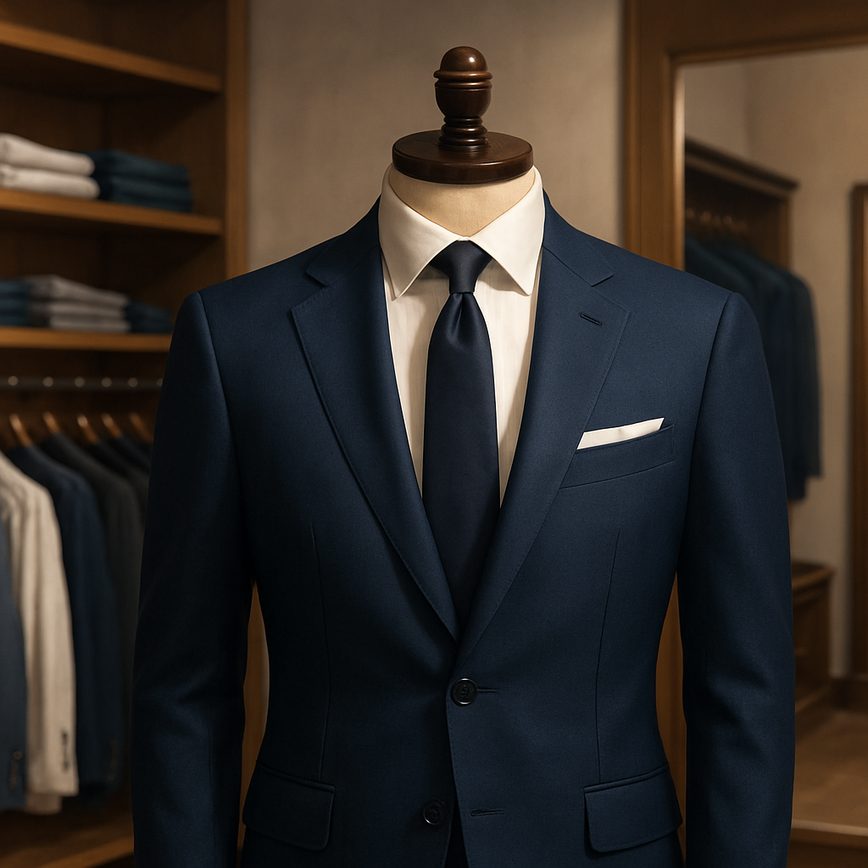
Jackets require a structured fit that complements your body type. The shoulders are critical; the seam should end at your natural shoulder point, providing a clean line without extension. The jacket’s sleeves should reveal about a quarter to half an inch of shirt cuff when your arms hang naturally. Around the torso, aim for a fit that allows you to button the jacket without strain while maintaining a tailored silhouette. Lengthwise, the jacket generally covers the seat and aligns with the knuckles of your fists when your arms are at your sides.
Dresses offer a broad variety of fit types depending on the cut and fabric. However, the core principle remains the same: fit for your shape without sacrificing comfort. The bust area should be snug but not tight, with seams sitting flat to avoid pulling or gaping. The waist should emphasize your natural waistline, whether through tailoring or stretch fabrics, avoiding the excess fabric that can conceal your figure. Skirt lengths vary, but the hemline should move freely without restricting walking or causing bunching. Understanding these clothing fit types helps create a balanced and flattering look across different styles.
By following these fit guidelines, you can confidently choose the right clothing fit for different clothes, enhancing your overall appearance and comfort. Remember, the right fit is the foundation of style and personal expression.
Shirts and Tops Fit
When considering the shirt fit, it’s essential to pay attention to the shoulder seams. The seams should align perfectly with the edge of your shoulders; if they sit too far inwards, the shirt will feel tight and restrictive, whereas seams extending beyond your shoulders will give a sloppy appearance. Proper shirt sizing starts here to ensure comfort and style.
The sleeve length plays a crucial role in the top fit guide. Sleeves should ideally end at your wrist bone if you prefer long sleeves, allowing for some movement without bunching up excessively. Short sleeves should neither be too tight nor too loose, typically ending about mid-bicep for a balanced look. Paying attention to sleeve length enhances both comfort and appearance.
Regarding torso fit, the shirt should follow your body’s natural lines without clinging too tightly or hanging too loosely. A proper shirt sizing accommodates some movement while maintaining a streamlined silhouette. For casual shirts and tops, a slightly relaxed fit can work, but avoid excessive fabric that creates a baggy look. The right torso fit complements your shape and completes the overall outfit.
In summary, mastering the shirt fit involves aligning shoulder seams correctly, selecting the appropriate sleeve length, and choosing a torso fit that balances comfort and style. Following this top fit guide ensures you always look polished and feel confident in your shirts and tops.
Pants and Skirts Fit
When considering the pants fit guide, the waist should sit comfortably without digging in or leaving gaps. Pants should contour to the waist snugly, providing a secure hold without causing discomfort. Moving downward, the hips require enough room to allow a natural shape without tightness or pulling, especially around the seams. For skirts, waist fitting is equally crucial — it should sit where intended, whether high-rise or mid-rise, fitting smoothly without the need for constant adjustment.
Length plays a vital role in both pants and skirts. Pants should break only slightly over the shoe for a clean look, avoiding excess fabric pooling at the ankles. Skirts need to complement your height and style, whether that’s a pencil skirt ending just at the knees or a flowing midi-length. Always consider how the skirt length and pants length work with your movements and overall silhouette.
Ease of movement is essential for both garments. Pants and skirts should allow you to sit, walk, and move freely without restriction. Look for slight stretch or fabric that accommodates bending and twisting without strain. This ensures comfort during all-day wear while maintaining the garment’s shape and style. Balancing waist and length fit with ample ease of movement results in clothing that looks great and feels just right.
Jackets and Outerwear Fit
Achieving the proper jacket fit is essential for both comfort and style. One of the key aspects to focus on is shoulder alignment. The jacket’s shoulder seams should sit exactly at the edge of your natural shoulders without extending beyond or cutting inside. This ensures the jacket maintains a clean and tailored silhouette without restricting movement.
Next, consider sleeve length. Sleeves that are too long or too short disrupt the overall balance of the jacket. Ideally, the sleeve should end just where your wrist meets your hand, allowing a small portion of your shirt cuff to show. This detail not only enhances the jacket’s appearance but also prevents the sleeves from interfering with your hand movements.
Another important factor in outerwear sizing is layering allowance. Jackets and coats must provide enough room to comfortably wear additional layers underneath, such as sweaters or shirts, without feeling tight or bulky. Proper jacket fit balances snugness with the ability to layer, ensuring you stay warm and flexible in different weather conditions.
Focusing on these elements—shoulder alignment, sleeve length, and layering allowance—will help you select outerwear that not only looks great but fits perfectly. Pay attention to these details when trying on jackets for the ideal combination of function, comfort, and style.
Tips for Ensuring the Best Fit When Shopping
Finding the perfect clothing fit while shopping requires a combination of practical strategies and a keen eye for detail. Whether you’re browsing in-store or shopping online, these shopping tips can help you secure the best fit clothes for your wardrobe.
When shopping in-store, take advantage of the fitting room. Always try on multiple sizes to see how each piece fits your body shape. Clothing fit shopping in a physical store allows you to assess not only how the garment looks but also how it feels when you move, sit, or stretch. Pay close attention to key areas such as shoulders, chest, waist, and length. The clothes should feel comfortable without being too tight or too loose.
Don’t hesitate to bring your own accessories or shoes into the fitting room. This ensures the outfit works with items you already own. Additionally, consider how layering might affect the fit — if you plan to wear a jacket or shirt over a top, try those layers on together in the fitting room to avoid surprises later.
When shopping online, the process requires a bit more preparation. Always check the size chart provided by the retailer and compare it with your own measurements. Measure your bust, waist, hips, and inseam if applicable, and keep these numbers handy for all your online shopping sessions. Each brand may have slightly different sizes, so relying solely on your usual size can lead to poor fit.
Reading customer reviews can also offer valuable insight into the clothing fit shopping experience. Look for comments about whether the item runs small, large, or true to size. Some online stores include photos from other buyers, which can help you visualize how the clothes fit different body types.
Lastly, if you’re unsure about the fit of an item when ordering online, always check the return policy before purchasing. The best fit clothes come from retailers who allow easy returns or exchanges, enabling you to try the clothes at home with no added risk. By combining these shopping tips in-store and online, you can confidently build a wardrobe that fits perfectly and feels great every time.
Measuring Yourself Correctly
To ensure your clothes fit perfectly, it’s essential to take accurate body measurements. This process helps you understand your exact size and how garments will fit your unique shape. Here’s a step-by-step guide on how to measure yourself properly for clothes.
- Start by gathering a flexible measuring tape, a mirror, and a notepad to record your body measurements.
- For your bust, wrap the measuring tape around the fullest part of your chest, keeping it parallel to the floor. Ensure the tape is snug but not tight.
- Measure your waist by wrapping the tape around the narrowest part of your torso, usually just above your belly button. Keep your stomach relaxed for an accurate measurement.
- For your hips, place the tape around the widest part of your hips and buttocks, again keeping the tape horizontal and snug without squeezing.
- Measure your shoulder width by placing the measuring tape from the edge of one shoulder to the other, across your back.
- To measure your arm length, start at the shoulder seam and extend the tape down to your wrist bone.
- If you’re measuring for pants or skirts, take note of your inseam by measuring from the crotch seam to the bottom of your ankle.
- Always stand straight but relaxed while taking measurements to get the most accurate results.
- Record all the measurements carefully for reference when shopping or tailoring clothes.
- Repeat measurements occasionally to track any changes in your body size over time to maintain accurate fit.
Understanding Size Charts and Fit Descriptions
When shopping for clothes, understanding size charts and fit descriptions is essential to find the right fit. Size charts are provided by brands to help you compare your body measurements against their clothing dimensions. Most charts include key measurements like chest, waist, hips, and inseam. It’s important to use a flexible measuring tape and take your measurements accurately, ideally in front of a mirror. Then, match your measurements to the size chart to identify which size aligns best with your shape.
Fit descriptions offer additional guidance about the style and cut of the garment. Common terms you might see include “slim fit,” “regular fit,” or “relaxed fit.” These descriptions tell you how closely the clothing will hug or drape around your body. For example, slim fit clothes are narrower and contour the body closely, while relaxed fits offer more room and comfort. Combining the size charts with fit descriptions helps you anticipate not only whether the piece will fit your measurements but also how it will feel and look.
By carefully reading size charts and fit descriptions, you can confidently navigate the clothing size guide brands provide. This reduces the chances of ordering the wrong size, minimizing the hassle of returns or alterations. Remember that sizing can vary between brands, so always refer to each brand’s specific sizing information rather than assuming consistent sizing across all labels. With this knowledge, picking the right size becomes easier and more reliable, ensuring your clothes fit just right every time.

I’ve always loved curating unique looks and exploring how personal style can tell a story. Working as a freelance fashion enthusiast, I enjoy discovering emerging designers and sharing practical tips for building a timeless wardrobe.