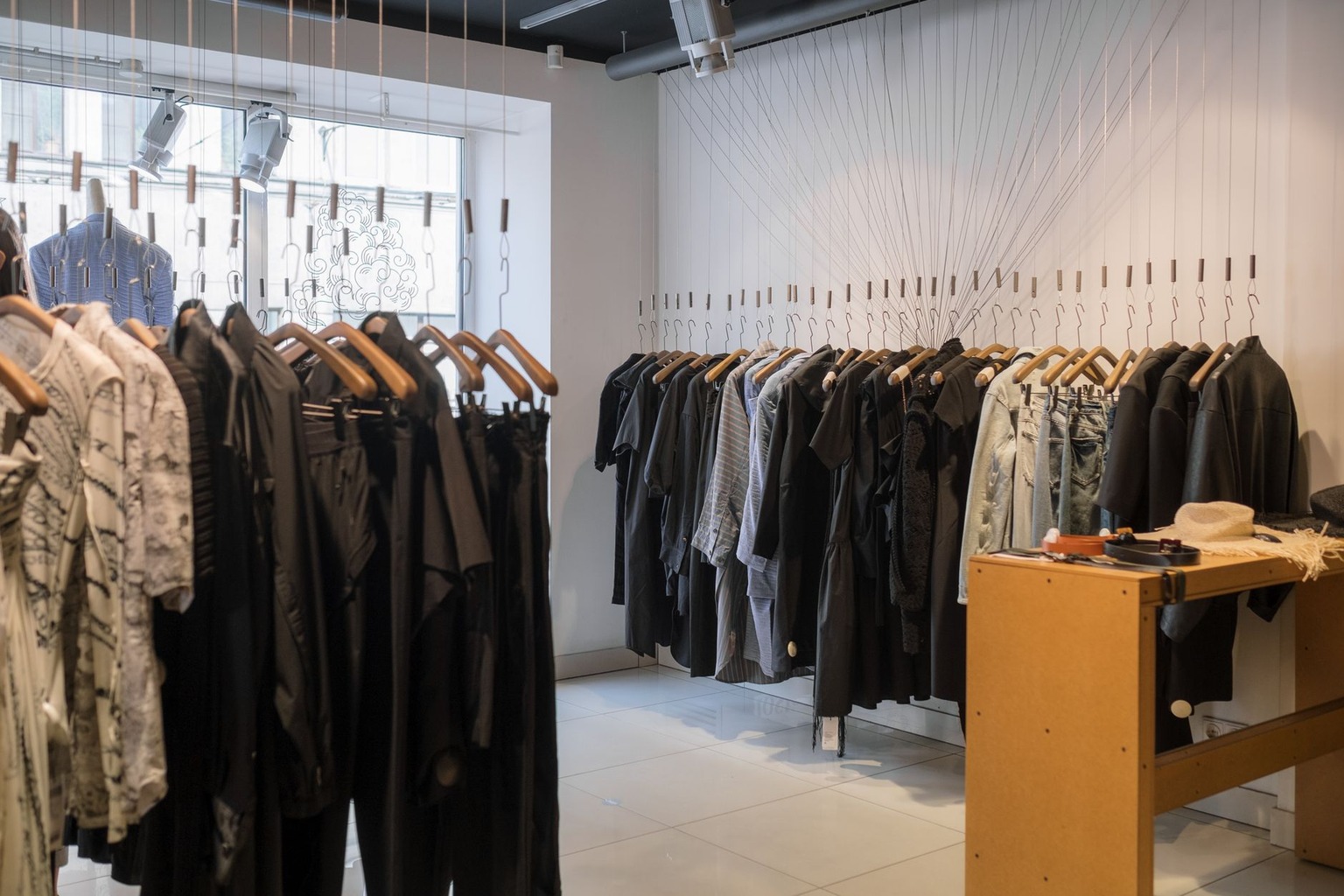
Running a successful clothing boutique requires constant attention to how garments are presented on the retail floor, because visual merchandising directly influences customer behavior and purchase decisions. Store owners frequently test different presentation strategies to boost sales without needing to completely renovate their interiors or overhaul their inventory supply chains. Effective merchandise arrangements transform casual browsers into paying customers by highlighting texture, color coordination, and complete lifestyle outfits rather than just individual pieces of fabric. Display methods range from traditional mannequin groupings to interactive digital screens, and each approach offers distinct advantages depending on your target clientele and shop layout. Evaluating these presentation formats side by side helps boutique owners decide which strategy fits their specific floor plan and budget constraints.
Window Vignettes Versus Interior Focal Points
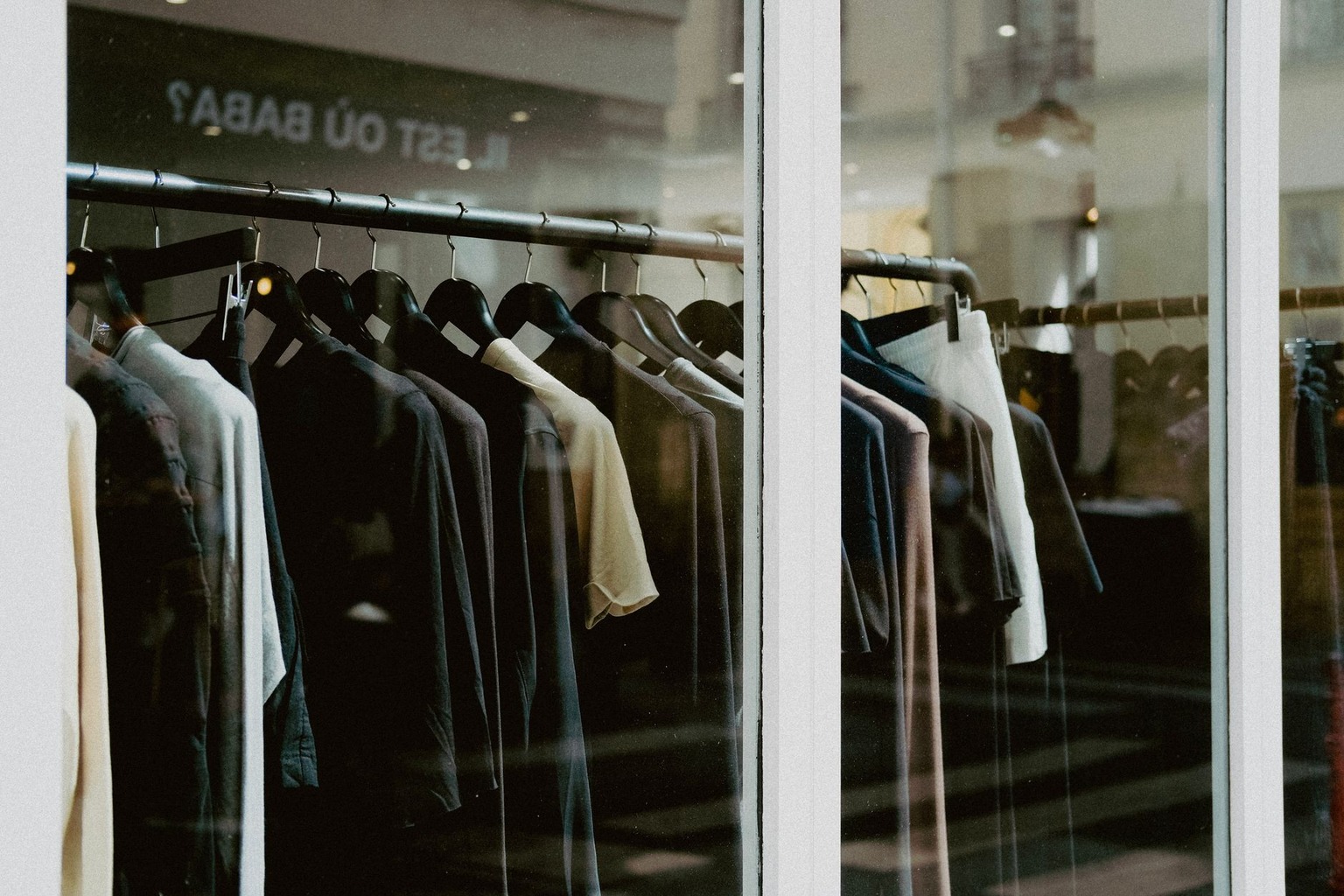
Window displays act as the primary magnet for foot traffic, drawing pedestrians off the sidewalk and into your boutique by telling an immediate seasonal story. These exterior arrangements rely on bold color blocking and theatrical lighting to stop passersby in their tracks, whereas interior focal points guide shoppers deeper into the store environment. A street-facing window vignette works best for showcasing high margin items or new designer collections that require strong visual impact. Retailers must change these exterior setups every two weeks to prevent regular commuters from becoming immune to the visual stimuli.
Interior focal points function differently by creating visual resting spots that break up long rows of clothing racks and prevent cognitive fatigue. Placing a striking outfit on a pedestal near the cash wrap encourages impulse purchases of accessories styled alongside the main garment. Smart shop managers usually position high demand denim or basic tees near the back to force shoppers to walk past these curated interior vignettes. Balancing both exterior and interior display zones ensures a smooth journey from the initial sidewalk glance to the final fitting room try on.
Wall Merchandising Versus Floor Fixture Islands
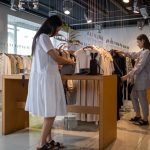
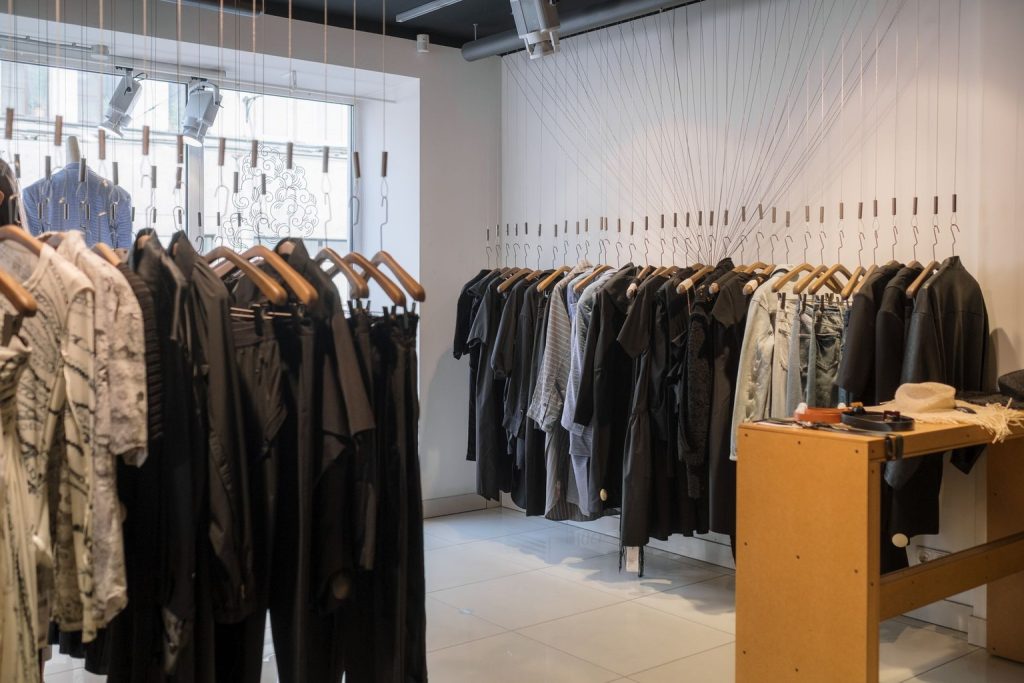
Wall space offers tremendous vertical capacity for hanging folded shirts, jackets, and accessories in an organized, easy to browse format. Utilizing perimeter walls opens up central floor space for comfortable walking paths, which creates an uncrowded atmosphere that encourages leisurely browsing. Wall displays suit boutiques with limited square footage because they maximize vertical capacity without making the shop feel cramped or cluttered. Proper accent lighting recessed into the walls highlights fabric textures and ensures that garments hung near the ceiling remain clearly visible.
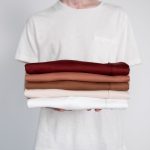
Floor fixture islands invite tactile interaction, allowing shoppers to pick up sweaters, feel the weight of silk blouses, and check garment construction closely. These central tables and rounder racks work effectively for promotional items, clearance merchandise, or heavily stocked casual wear categories. Merchandising teams often style these tables using the rule of three, combining stacked sweaters with a decorative tray and a mannequin bust. Choosing between vertical wall setups and central floor islands depends entirely on your boutique dimensions and the specific categories you want to highlight.
Minimalist Whitespace Versus Maximum Density Stocking
Minimalist presentation strategies feature generous spacing between garments, communicating exclusivity and high end luxury to discerning fashion consumers. When racks hold only a few curated pieces per style, shoppers perceive the remaining inventory as scarce and desirable, which often motivates quicker buying decisions. This sparse approach requires diligent stockroom organization because sales associates must restock sizes constantly as items sell off the floor. Luxury boutiques benefit greatly from this clean aesthetic, as it allows fine tailoring and expensive fabrics to command the entire visual field.
On The Boutique Expert channel, they cover boutique visual merchandising tips to boost sales, and you can watch it right here.
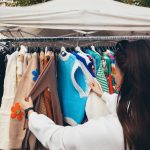
Maximum density stocking serves a completely different retail purpose, signaling affordability, abundance, and great bargain opportunities to budget conscious shoppers. High volume display tables packed with colorful cotton tees or cozy winter scarves invite bargain hunters to dig through piles for their ideal size and color. This method maximizes revenue per square foot in busy urban boutiques where real estate costs demand high inventory turnover. Store owners utilizing dense merchandising must maintain strict folding standards so the abundance looks intentional rather than chaotic or messy.
Color Blocked Arrangements Versus Mixed Lifestyle Merchandising
Color blocking creates striking visual harmony by grouping garments according to distinct color families, from crisp whites to deep indigos and vibrant reds. This method appeals strongly to visually driven shoppers who enter a boutique looking for a specific hue to match items already in their personal wardrobe. Sorting inventory by color makes the sales floor feel remarkably organized, reducing the time customers spend searching for matching separates. Boutiques that specialize in contemporary workwear or trendy seasonal collections often rely heavily on monochrome color stories to catch the eye.
Mixed lifestyle merchandising takes the opposite approach by styling tops, bottoms, shoes, and accessories together on a single mannequin or outfit table. This contextual styling helps customers visualize complete outfits, which encourages multi-item purchases and boosts average transaction values significantly. Shoppers appreciate seeing how a casual denim jacket pairs with a floral midi dress and leather ankle boots without having to guess coordination. Implementing lifestyle setups requires sales associates to have a strong eye for current fashion trends and proper accessorizing techniques.
Static Mannequins Versus Dynamic Digital Screens
Static mannequins have remained a staple of boutique retail for decades because they show exactly how fabric drapes on a human body shape. Modern mannequin designs feature abstract facial features or matte finishes that keep the focus entirely on the apparel rather than distracting plastic faces. These physical forms work exceptionally well for highlighting complex layering techniques, structured outerwear, and tailored trousers that look flat on standard hangers. Retailers must rotate mannequin outfits weekly to keep the store feeling fresh and encourage repeat visitors to purchase newly arrived pieces.
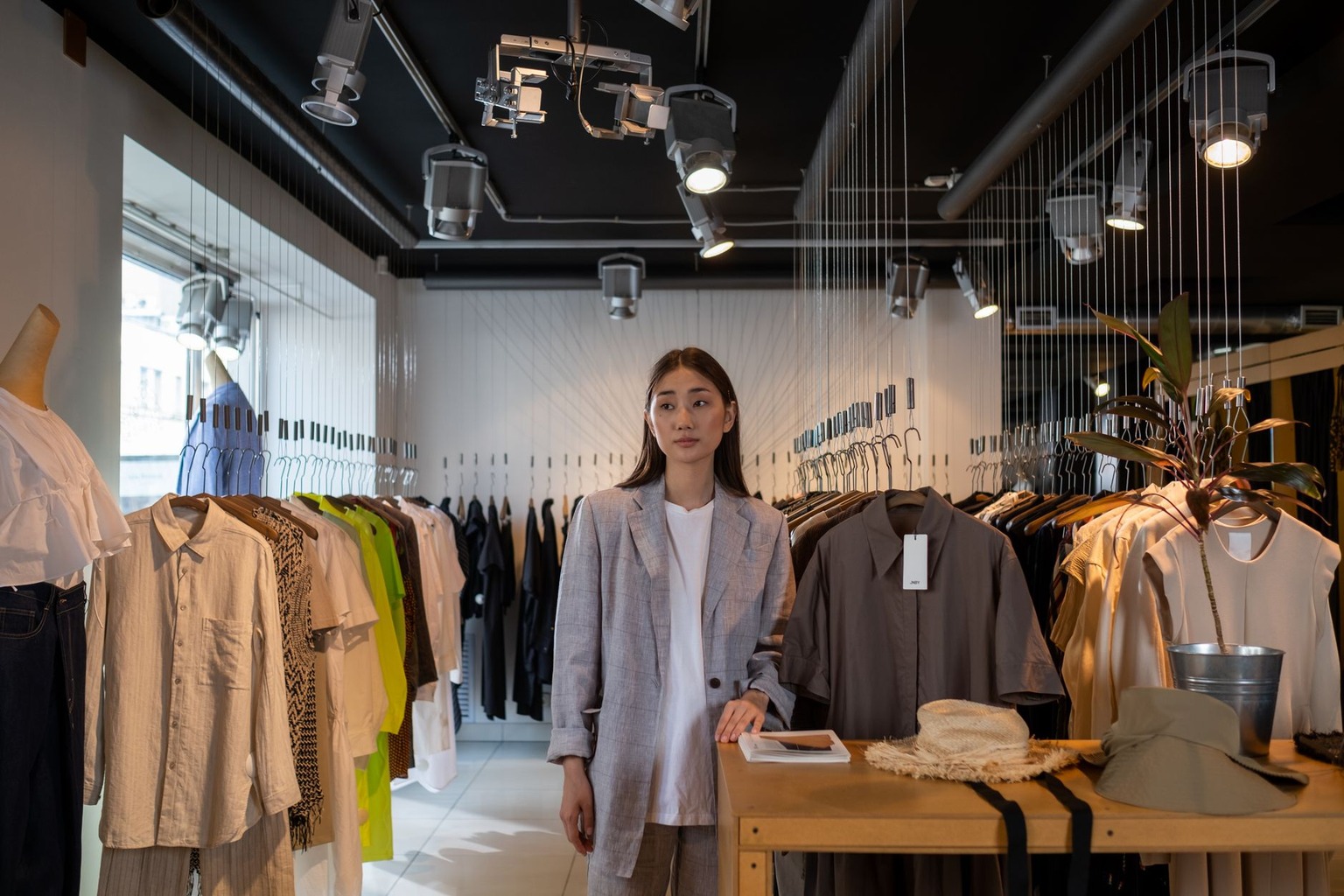
Dynamic digital displays introduce motion and vibrant video content into the boutique interior, capturing attention in ways that static clothing never quite achieves. These screens can broadcast runway shows, behind the scenes tailoring footage, or user generated social media posts featuring your boutique merchandise. Digital signage requires a higher initial investment in hardware and content creation, but it offers unmatched flexibility for updating promotions instantly. Pairing physical racks with bright video walls creates a modern retail atmosphere that resonates deeply with younger, tech savvy fashion consumers.
Interactive display technology invites customers to engage directly with your inventory by accessing extended size charts, alternative colors, and style advice via touchscreens. These smart fixtures bridge the gap between online shopping convenience and brick and mortar tactile exploration, giving shoppers access to endless aisle inventory without leaving the floor. Boutique staff can also use these tools to check stock levels across other locations, ensuring a sale is never lost due to a missing size. Integrating these digital layers helps boost sales while simultaneously gathering valuable customer preference data for future merchandise buying trips.

I’ve always loved curating unique looks and exploring how personal style can tell a story. Working as a freelance fashion enthusiast, I enjoy discovering emerging designers and sharing practical tips for building a timeless wardrobe.