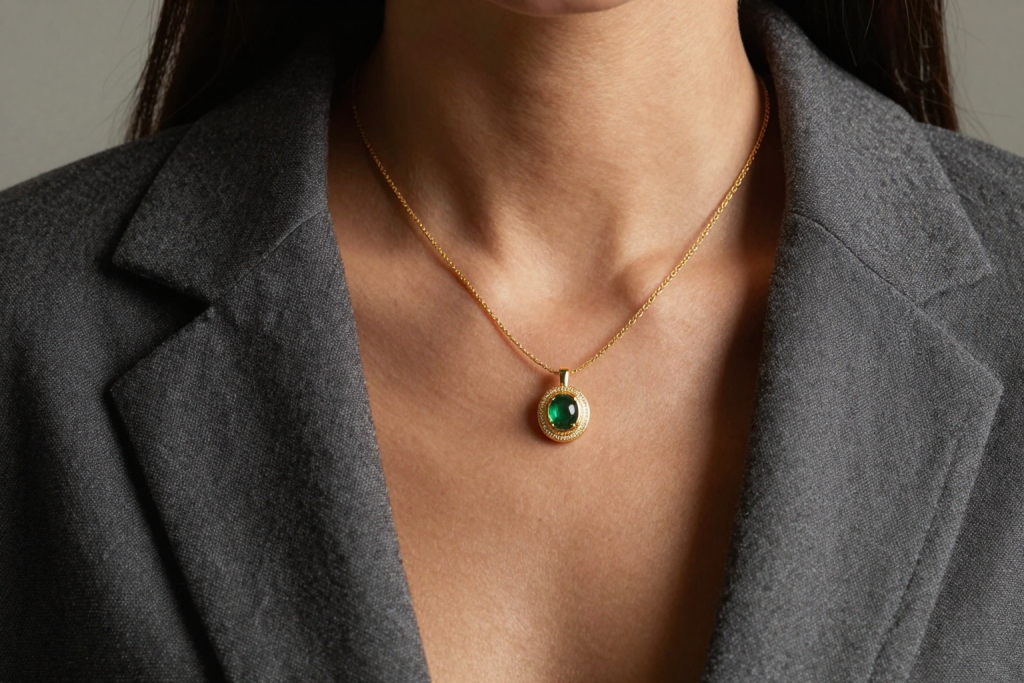
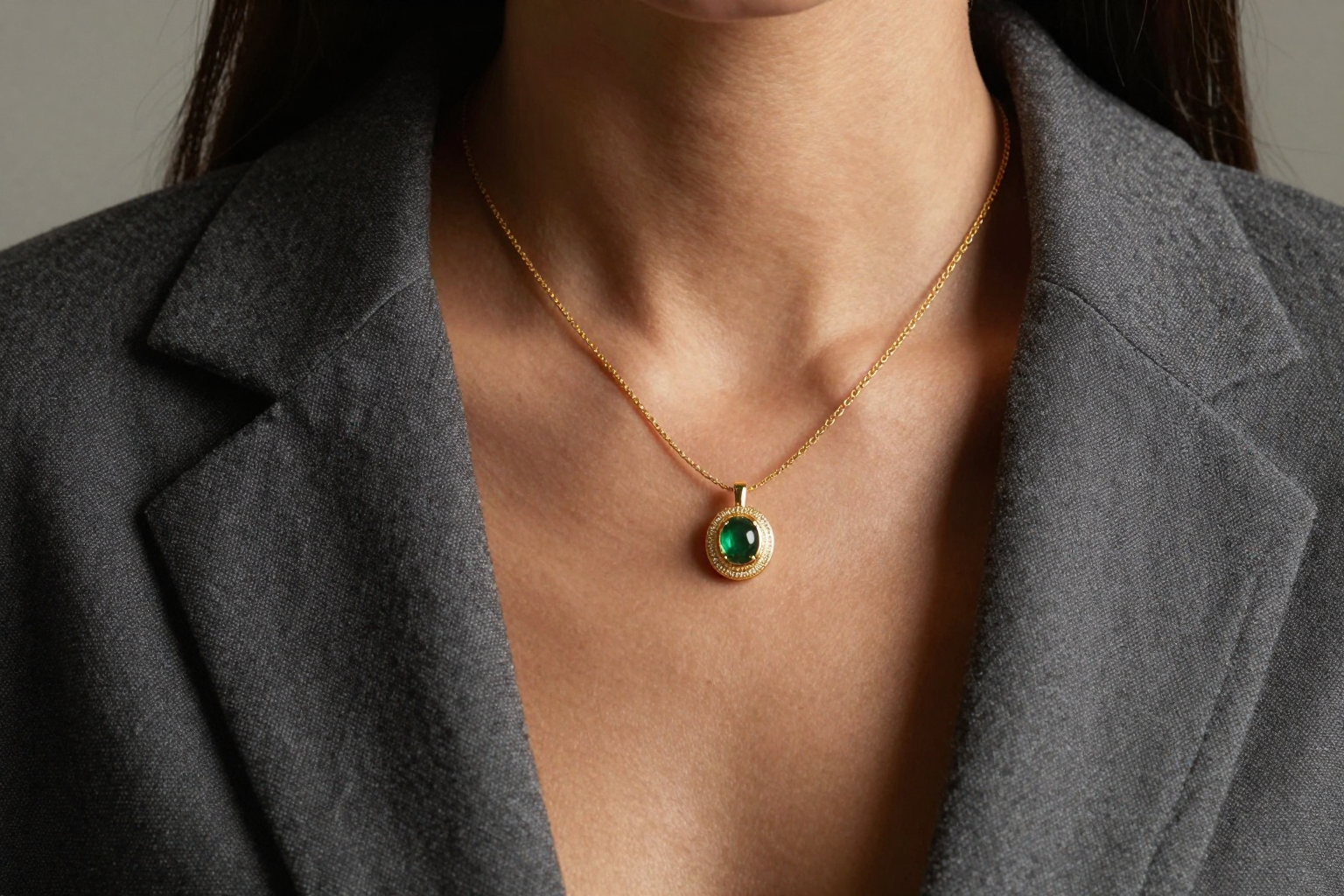
Statement accessories offer a powerful way to express personal style and transform any outfit from simple to unforgettable. These bold, eye-catching pieces act as the focal point of your look, drawing attention and showcasing your fashion confidence. Whether you prefer oversized jewelry, vibrant bags, or striking shoes, understanding how to select, style, and balance statement accessories is essential for anyone shopping at a boutique or curating a wardrobe that stands out. This guide breaks down the practical steps to mastering statement accessories, helping you make confident, stylish choices that elevate your clothing collection.
Identify Your Style and Accessory Goals
Before investing in statement accessories, it’s important to clarify your personal style and what you want to achieve with these pieces. Are you aiming for a bold, avant-garde look or a subtle pop of color that adds personality to classic outfits? Knowing your style preferences helps narrow down accessory options and prevents impulse buys that don’t fit your wardrobe. Consider your lifestyle too: if you attend formal events frequently, statement necklaces or cufflinks might be your go-to. For casual days, vibrant scarves or chunky sneakers can add flair without feeling overdone. Setting clear goals ensures your statement accessories complement your existing clothing and lifestyle, making them versatile and wearable.
Take inventory of your current wardrobe to see where statement accessories could fill a gap or breathe new life into old favorites. For example, a minimalist capsule wardrobe benefits from one or two striking accessories that add character without clutter. This first step lays the foundation for intentional shopping and styling, key to building a cohesive and impactful accessory collection.
Choose the Right Statement Accessories for Your Outfit
Not all statement accessories are created equal, and their impact depends largely on the outfit they accompany. When selecting accessories, think about the balance between your clothing and the piece itself. If you’re wearing a simple monochrome dress, a chunky necklace or a brightly colored bag can become the centerpiece. Conversely, if your outfit already features bold prints or textures, opt for statement pieces with cleaner lines or neutral tones to avoid visual overload.
Consider the scale and proportion of both your outfit and the accessory. Large earrings can overwhelm a delicate neckline, while an oversized belt might clash with a loose, flowing silhouette. Matching the accessory’s style to the occasion is also vital: a pair of glittering statement heels might be perfect for a night out but feel out of place in a professional setting. Experimenting with different combinations in front of a mirror or with a trusted friend can help you find the right harmony between your statement accessories and clothing.
Master Layering and Combining Statement Pieces
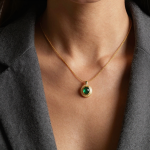
Layering statement accessories can create a dynamic and fashion-forward look, but it requires careful consideration to avoid clashing or looking cluttered. Start with one dominant piece, such as a bold necklace or a standout handbag, and then add secondary accessories that complement rather than compete. For example, pairing a large cuff bracelet with delicate rings or stacking thin, textured necklaces with a chunky chain can add depth without overwhelming the outfit.
On the Justine Leconte officiel channel, they explain how to style statement necklaces, and you can watch it right here.
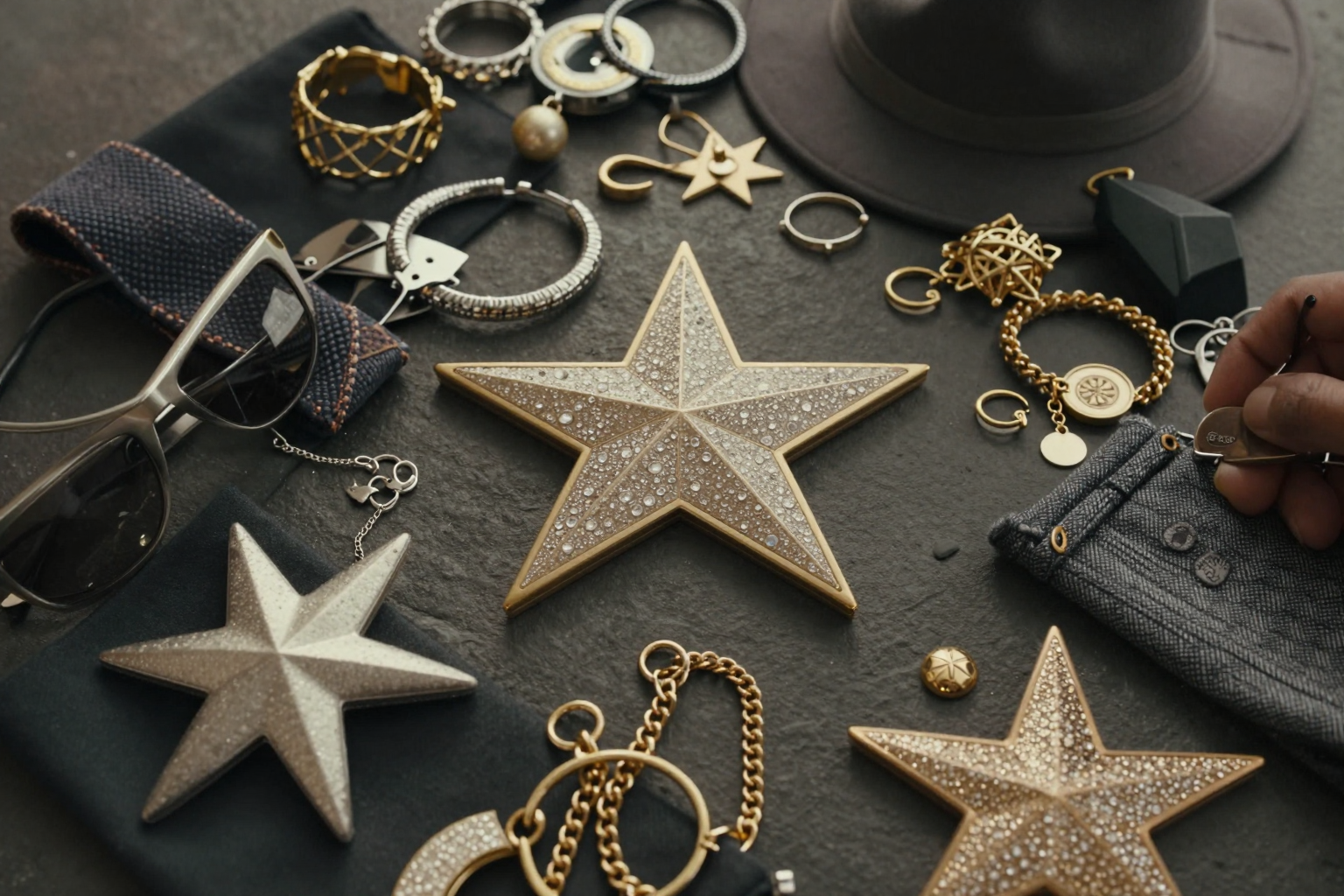
When combining statement accessories, pay attention to color coordination and material contrast. Mixing metals like gold and silver can work if done intentionally, but random combinations often appear messy. Similarly, pairing leather with silk or matte finishes with glossy ones can add visual interest when balanced correctly. Trying out different layering techniques in natural light helps you see how the pieces interact and ensures your accessories enhance your overall look.
Use Statement Accessories to Highlight Your Best Features
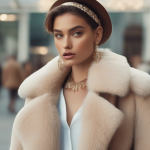
One of the most effective ways to wear statement accessories is by using them to draw attention to your favorite features. For example, oversized earrings or a dramatic collar necklace can frame your face and highlight your jawline or neckline. A bold belt can accentuate your waist, creating a flattering silhouette even with simpler clothing. Statement shoes or bags can also shift the focus to your legs or hands, adding an unexpected twist to your outfit.
Understanding your body shape and facial structure helps guide which accessories will be most flattering. For instance, longer necklaces elongate the torso, while wide-brim hats balance out broader shoulders. Choosing accessories that enhance your natural proportions boosts confidence and makes your overall look feel intentional rather than accidental. Boutique staff or stylists can offer personalized recommendations based on your features and preferences, turning your statement accessories into style assets.
Invest in Quality Over Quantity
Statement accessories are often designed to stand out not only through size or color but also through craftsmanship and materials. Investing in well-made pieces ensures durability and a refined appearance that cheap imitations can’t match. High-quality materials like genuine leather, precious metals, or artisanal beads not only last longer but also age beautifully, developing character over time. This approach is especially important when purchasing items like watches, handbags, or large jewelry pieces that become wardrobe staples.
Shopping at reputable boutiques allows you to inspect the quality firsthand and often provides access to unique, handcrafted accessories that add distinctiveness to your collection. While it might be tempting to buy multiple inexpensive pieces, focusing on a few standout items with excellent construction guarantees your statement accessories will remain stylish and functional for years. Quality pieces also tend to elevate your entire outfit more effectively, making the investment worthwhile.
Avoid Common Mistakes When Styling Statement Accessories
One frequent error is overloading an outfit with too many competing statement pieces, which can create a chaotic appearance rather than a stylish one. It’s important to choose one or two focal accessories and let the rest of your outfit support them subtly. Another mistake is neglecting the occasion or dress code; an accessory that works for a casual brunch might not translate well to a formal business meeting. Always consider context when styling statement accessories.

Ignoring proportions is another pitfall. Oversized accessories should be balanced with simpler clothing to avoid overwhelming your silhouette. Similarly, mismatched color palettes or clashing patterns can undermine the impact of your accessories. Taking time to plan your look and experimenting with different combinations before stepping out helps avoid these mistakes and ensures your statement accessories enhance your style rather than detract from it.
Maintain and Store Statement Accessories Properly
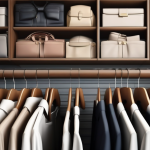
Proper care extends the life and appearance of your statement accessories. Jewelry, for example, should be cleaned regularly with appropriate solutions to prevent tarnishing or damage. Leather bags and belts benefit from conditioning treatments to keep materials supple and prevent cracking. Shoes need to be stored in dust bags or boxes to protect them from dust and deformation. Investing in storage solutions like jewelry organizers or accessory trays also keeps your pieces visible and easy to access, encouraging you to wear them more often.
When traveling or transporting statement accessories, use padded cases or wrap delicate items in soft cloths to avoid scratches and breakage. Regularly inspect your pieces for loose stones, broken clasps, or worn elements and address repairs promptly. Proper maintenance not only preserves the aesthetic value of statement accessories but also protects your investment, ensuring these bold pieces continue to make an impact every time you wear them.

I’ve always loved curating unique looks and exploring how personal style can tell a story. Working as a freelance fashion enthusiast, I enjoy discovering emerging designers and sharing practical tips for building a timeless wardrobe.