Running an independent clothing store requires a sharp eye for spatial design because shoppers form opinions about your inventory within seconds of walking through the door. You compete against online stores that offer infinite scrolling, so your physical floor plan must provide a tactile journey that digital platforms simply cannot replicate. Effective visual merchandising transforms casual foot traffic into paying customers by organizing garments in a logical sequence that highlights texture, color harmony, and seasonal trends. Store owners often struggle to find the right balance between packing enough inventory on the sales floor and keeping the room open enough for comfortable browsing. The most successful independent apparel boutiques treat their entire floor space as a living storybook where every rack and table tells a specific stylistic narrative. You achieve this by understanding how human eyes naturally scan a room and placing your highest margin pieces directly in those focal zones.
Spatial Flow and Floor Plan Dynamics
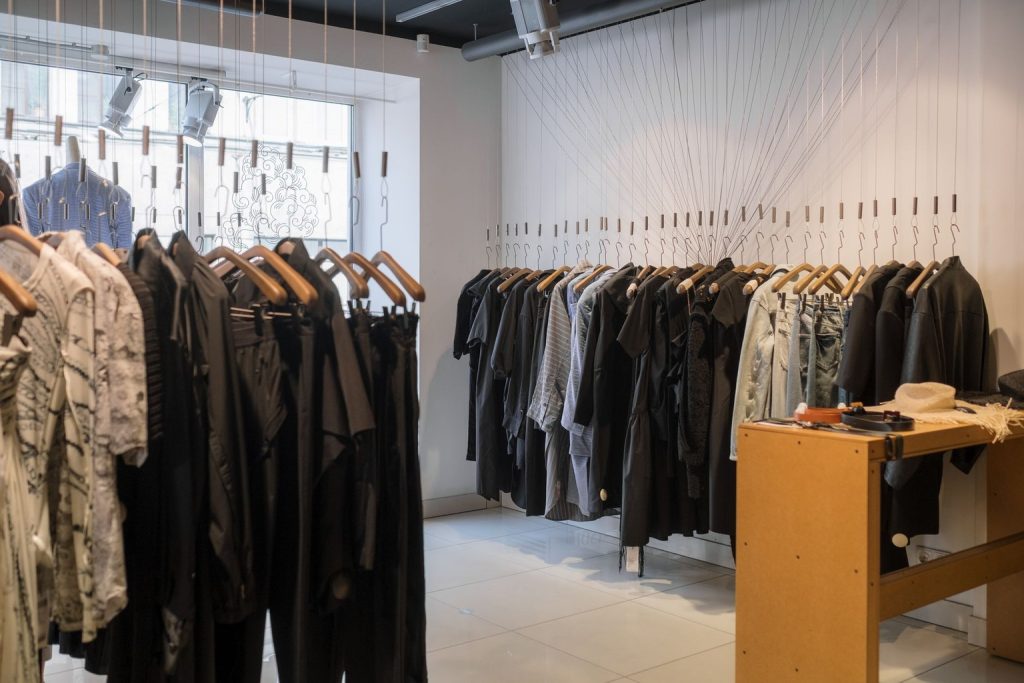
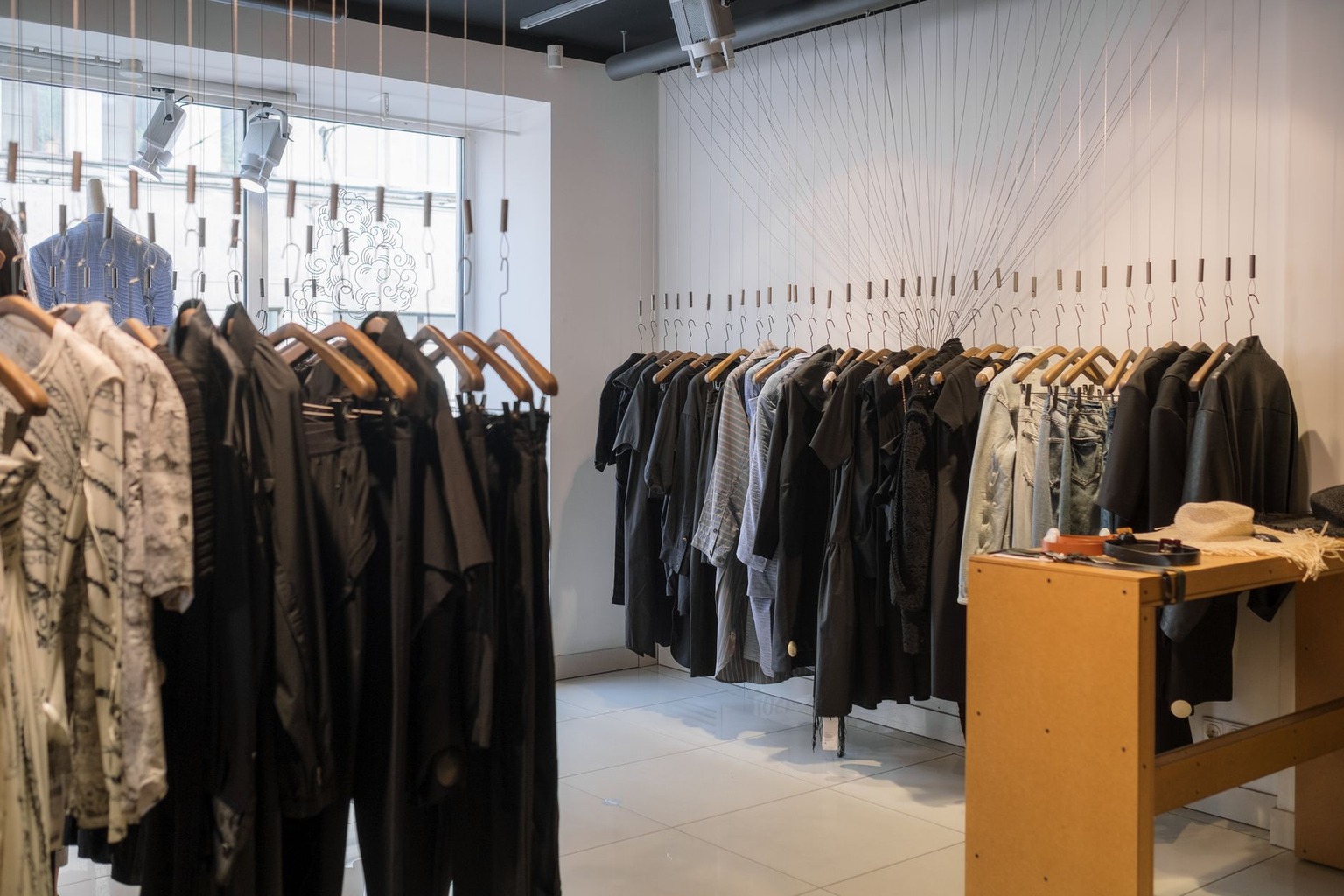
The layout of your clothing racks dictates how long people linger in your shop and how many items they ultimately pull off the hangers to examine. If you cram too many fixtures near the entrance, you create a bottleneck that frustras potential buyers before they even reach the premium dress racks. A grid layout works well for maximizing inventory storage, but a free flow arrangement invites shoppers to wander through creative displays at a relaxed pace. Boutique owners should track customer movement patterns during peak Saturday hours to identify dead corners where garments languish without attention. Shifting a single accessory table or opening up a sightline toward the fitting rooms can dramatically improve overall sales conversions across different departments. Physical obstacles should be minimized so that wheelchair users and parents with strollers navigate the boutique without awkward maneuvering.
Circulation paths need to encourage a clockwise movement pattern because most shoppers naturally turn right upon entering a retail store. Placing your main window display items immediately along this rightward path creates an intuitive continuation of the visual narrative that drew them inside. You must maintain at least four feet of clearance between central display tables and perimeter shelving units to prevent any feelings of claustrophobia. Lighting fixtures overhead should mirror the pathway on the floor, guiding footsteps softly from the casual wear section toward the evening attire collections in the back. Experienced retailers use subtle flooring changes, such as switching from polished concrete to woven rugs, to signal transitions between distinct clothing categories. Every square foot of your floor plan must justify its existence by contributing to a comfortable, unhurried browsing experience.
Merchandise density remains a critical factor in how exclusive your apparel appears to discerning shoppers who value quality over bargain bins. Crowding fifty blouses onto a single circular rack devalues each individual garment and makes color coordination nearly impossible for the average buyer. Leaving empty space between hangers signals high value and allows the fabric textures to breathe so customers appreciate the tailoring details. Seasonal inventory shifts require you to audit your floor space constantly and remove slow moving items before they clutter up prime display areas. When you practice disciplined editing, your remaining clothing pieces stand out with greater visual impact and attract higher price points without resistance. Store assistants should spend the first fifteen minutes of every shift returning displaced garments to their proper density zones.
Window Display Psychology and Street Appeal
Your storefront window functions as a silent salesperson that operates twenty four hours a day to convince pedestrians to cross the threshold. An overcrowded window featuring every dress style in stock only confuses potential buyers who cannot identify a clear fashion message from the street. Instead, you should feature a single cohesive outfit on a mannequin, supported by minimal props that reflect the current season or upcoming holiday. Height variation is essential in window arrangements, so suspend accessories from fishing line or use elevated wooden pedestals to create vertical depth. The lighting must be warmer or cooler than the interior ambient light to ensure the window cuts through harsh street reflections during peak afternoon hours. Passersby make split second judgments about your price point and taste level based entirely on the cleanliness and creativity of your front glass presentation.
Mannequins should reflect your target demographic in posture and styling so that shoppers instantly visualize themselves wearing those specific garments to upcoming social events. Avoid static standing poses if your boutique specializes in activewear or fluid summer dresses, opting instead for dynamic angles that suggest movement and real life wear. Changing your window themes every two weeks prevents regular commuters from becoming blind to your storefront and gives them a reason to stop walking. The backdrop of your display should never block the view into the interior of the shop entirely, because curious buyers want to peek past the window to see the wider clothing selection. Integrate visual merchandising principles directly into your window planning by ensuring the featured outfit connects logically to the first display table located just inside the entrance.
Street level signage and pricing visibility require careful calibration to attract shoppers without making the storefront look like a discount warehouse clearance sale. While some boutiques prefer absolute minimalism with zero visible price tags in the window, others find success by displaying discreet elegant cards that communicate quality. If you host trunk shows or exclusive designer collaborations, make sure those events take center stage in your main window at least one week prior. Dust accumulates rapidly on glass surfaces and display platforms, requiring daily morning maintenance before the front doors unlock for the business day. The street appeal of your boutique sets expectations for the interior environment, meaning a polished exterior must promise an equally delightful experience inside.
Color Theory and Palette Organization
Human brains process color long before they register fabric composition or brand labels, making chromatic arrangement a powerful tool for boutique owners. Grouping clothing by color rather than separating items strictly by size creates an instantly inviting visual rhythm that draws shoppers across the room. Monochromatic blocks work exceptionally well for minimalist aesthetics, while carefully curated complementary color pairings add energy to youth oriented streetwear sections. You should avoid placing too many dark garments in the back corners of the shop where shadows make the fabrics disappear entirely from view. Introducing bright accent hues through scarves or handbags breaks up monotonous clothing racks and directs attention toward high margin accessories near the cash wrap.
For a practical breakdown of how visual merchandising directly impacts your sales, you can watch this helpful explanation right here from The Boutique Expert.
Seasonal color shifts require you to completely overhaul your visual merchandising strategy every few months to keep the boutique feeling fresh and relevant. Spring collections demand soft pastels and light neutrals, while autumn floor sets call for rich jewel tones and earthy terracotta shades that resonate with cooler weather. You can utilize visual merchandising techniques to bridge seasonal transitions by pairing a heavy wool winter coat with a bright floral spring scarf on your primary mannequin. Lighting color temperatures must match your chromatic choices, because warm halogen bulbs ruin the appearance of cool blues and crisp whites on clothing racks. Staff members should receive basic training in color theory so they can restock folded tables without disrupting the planned chromatic gradient.
Contrasting background walls can either elevate your apparel or wash out delicate garments depending on the chosen paint colors and finishes. A dark charcoal feature wall makes bright neon athletic wear pop, whereas neutral beige or soft gray plaster highlights the subtle textures of linen and silk. Avoid overly busy wallpaper patterns behind your main clothing racks because visual noise competes directly with the patterns printed on the garments themselves. Mirrors placed strategically opposite colorful displays can double the visual impact of your inventory while making narrow boutique spaces feel significantly wider. Every color decision in your store must serve the singular goal of making your clothing inventory look as desirable as possible.
Focal Points and Fixture Selection
Every successful clothing boutique relies on designated focal points that command attention and anchor the surrounding floor plan in a logical arrangement. A striking vintage wooden armoire or a custom iron display table can serve as the physical heart of a specific merchandise category. You should rotate these focal fixtures monthly to prevent regular shoppers from getting bored with the permanent layout of the room. When customers enter your shop, their eyes should land effortlessly on a primary feature display that communicates the mood of the current collection. Lighting over these focal spots needs to be brighter than the surrounding ambient light to create a natural spotlight effect on the featured garments.
Selecting the right clothing racks and shelving units requires balancing durability with aesthetic charm that matches your boutique brand identity. Industrial galvanized pipes appeal to trendy streetwear shops, while polished brass and natural oak wood suit high end luxury evening wear boutiques. Avoid generic commercial wire racks that remind shoppers of discount basements, because your fixtures must convey a sense of quality and investment. Custom built-ins that hug the perimeter walls allow you to maximize vertical storage space while keeping floor areas open for browsing. Every fixture should be low enough to maintain clear sightlines across the entire store so customers never feel trapped or disoriented.
Display tables need to feature neatly folded stacks of knitwear alongside upright lifestyle props like leather books or ceramic vases that suggest a complete aesthetic. Do not pile shirts ten high on tables because the bottom garments become wrinkled and inaccessible to shoppers who do not want to disturb the display. Instead, keep backup sizes neatly organized in under-table drawers or stockroom shelves, allowing the top display to look clean and curated. Mannequin styling on central tables breaks up the monotony of flat folded goods and encourages people to touch the fabrics. Your fixture arrangements should guide shoppers on a natural loop through the entire store before they eventually reach the checkout counter.
Lighting Design and Mood Enhancement
Store illumination dictates whether your apparel looks vibrant and luxurious or flat and unappealing to the people walking down your aisles. Combining ambient ceiling lights with focused track spotlights and warm accent lamps creates the layered lighting scheme necessary for a high end boutique. You must avoid harsh fluorescent tubes that cast an unflattering greenish tint onto skin tones inside the fitting rooms where buying decisions happen. The color rendering index of your retail bulbs matters immensely because customers need to see the true shades of dresses and trousers before purchasing. Dimmer switches allow you to adjust the lighting levels as natural sunlight fades outside your large front windows during the late afternoon hours.
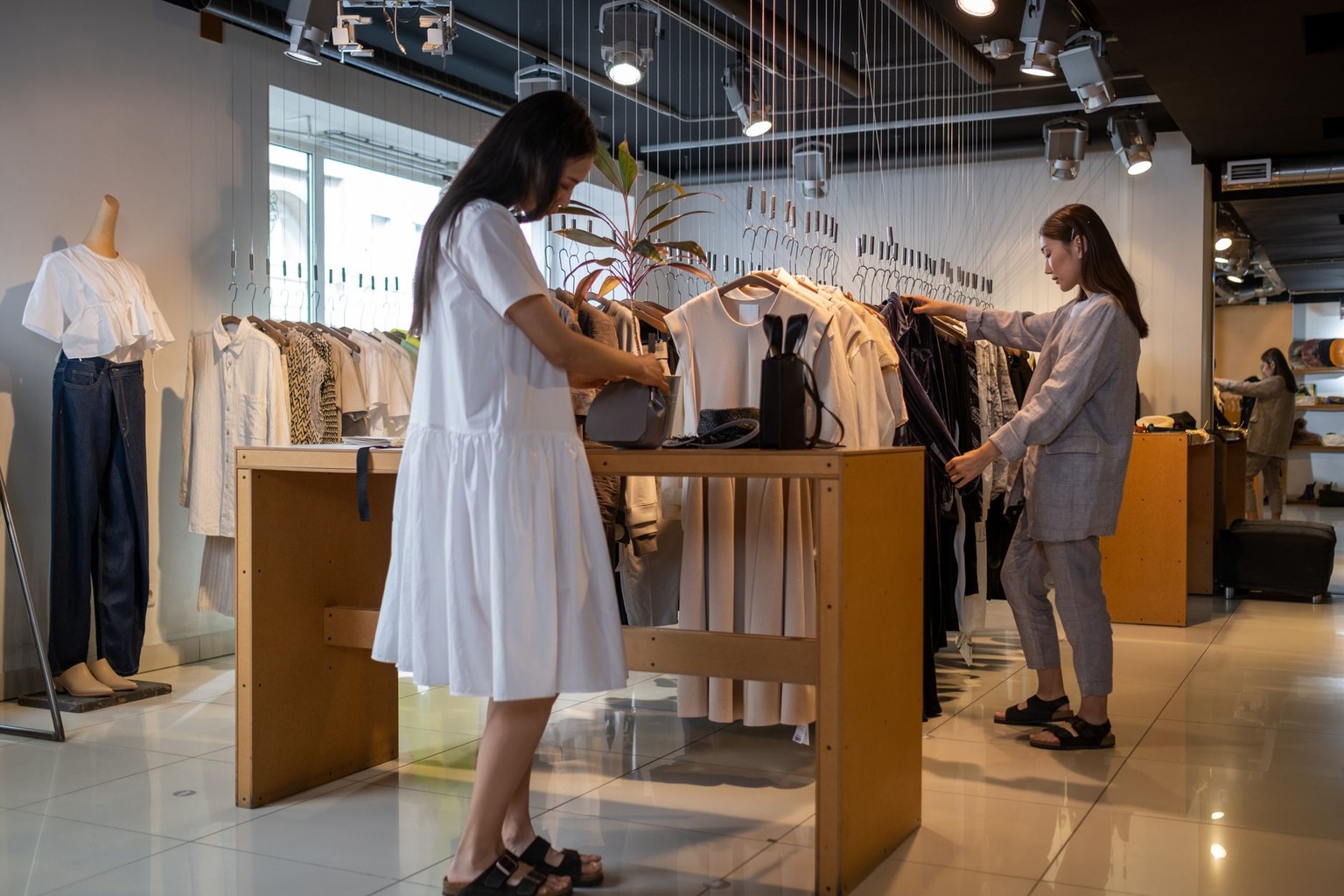
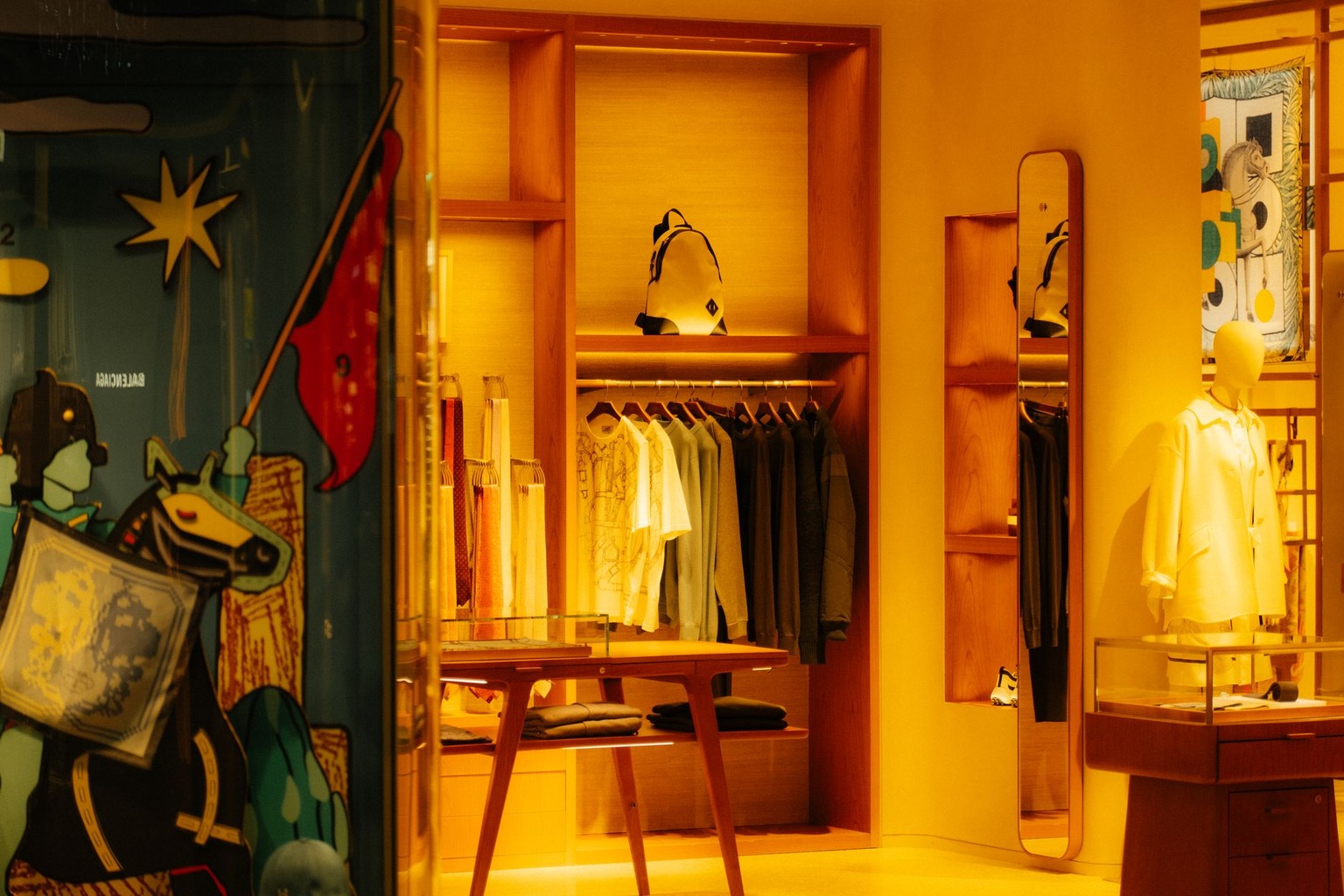
Highlighting specific clothing racks with adjustable LED track heads draws the eye toward new arrivals and clearance items with surgical precision. Avoid casting harsh shadows on wall displays by angling your spotlights at a thirty degree angle rather than pointing them straight down from the ceiling. Dressing rooms require a combination of side illumination and overhead lighting to eliminate unflattering shadows and make shoppers feel confident in their reflections. Backlit shelving units can make folded denim and delicate folded sweaters glow with an inviting warmth that encourages tactile interaction. If you sell eco friendly or organic cotton apparel, warm natural lighting temperatures reinforce that sustainable brand messaging effectively.
Reflective surfaces such as glass display cases and polished concrete floors bounce light around the boutique to create an airy and expansive atmosphere. You should balance these reflective elements with soft textile panels or upholstered seating to absorb sound and prevent an echoing acoustic environment. Faulty or flickering bulbs must be replaced immediately because inconsistent lighting makes even the most expensive designer boutique look neglected and unprofessional. Your lighting plan should lead the eye gracefully from the bright entrance all the way to the softly lit cash wrap at the back of the store. Investing in professional lighting design pays off directly through higher average transaction values and longer customer dwell times.
Signage and Brand Storytelling
Effective retail signage communicates price points, brand values, and promotional messages without cluttering the clean aesthetic of your clothing displays. Handwritten calligraphy tags on recycled cardstock work wonderfully for bohemian boutiques, while sleek acrylic frames suit modern minimalist apparel shops. Every sign on your sales floor must feature consistent typography and color palettes that reinforce your established brand identity across all touchpoints. Avoid using too many different fonts or neon plastic signs that clash with the sophisticated atmosphere you worked hard to build. Clear signage regarding sizing availability, return policies, and loyalty programs reduces friction for shoppers and empowers them to make independent purchasing decisions.
Storytelling through visual merchandising allows independent boutiques to compete successfully against massive fast fashion chains that rely on sheer volume alone. You can display photographs of your independent designers or showcase mood boards detailing the inspiration behind a custom clothing line near the fitting area. This personal touch builds an emotional connection between the shopper and the garment, transforming a simple retail transaction into a memorable experience. Informational tags detailing sustainable fabric sourcing or artisan production methods add tremendous value to your merchandise in the eyes of conscious consumers. When shoppers understand the labor and artistry behind a dress, they feel much more comfortable paying premium prices without hesitation.
Promotional signage for sales events must be handled with care so that temporary discounts do not permanently cheapen the perception of your boutique brand. Use dedicated sale racks tucked into a secondary area of the store rather than slapping red clearance stickers across your pristine front windows. Digital screens integrated into wall displays can cycle through runway videos or lookbook imagery, adding a dynamic modern layer to your storytelling efforts. Your staff should be well versed in the stories behind your inventory so they can share those details during casual conversations on the sales floor. Brand storytelling turns casual window shoppers into loyal advocates who return season after season to see what your boutique has curated next.

I’ve always loved curating unique looks and exploring how personal style can tell a story. Working as a freelance fashion enthusiast, I enjoy discovering emerging designers and sharing practical tips for building a timeless wardrobe.