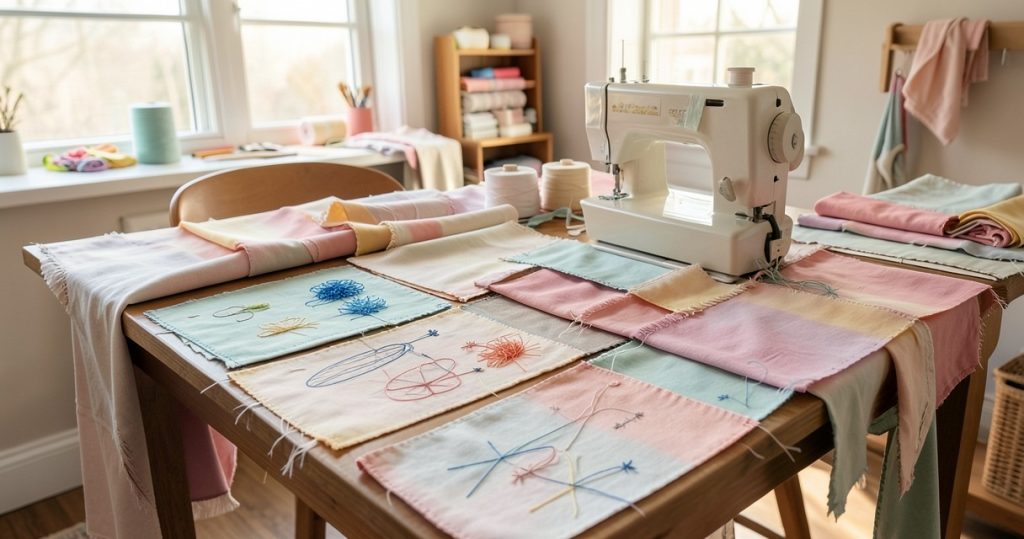
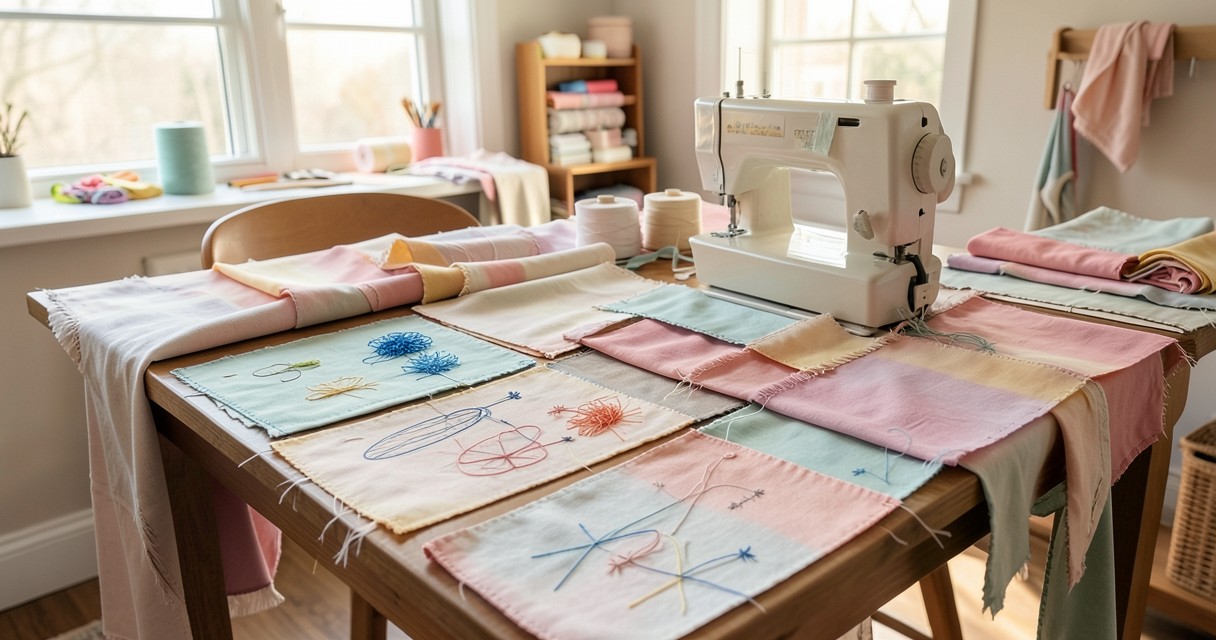
Understanding the nuances of stitching and seams is essential for anyone passionate about fashion and clothing design. Whether you’re a budding designer, a seasoned seamstress, or simply someone who loves to create custom garments, knowing how different stitches and seams impact the final product can elevate your work. This detailed guide will explore various types of stitches and seams, their applications, and tips for achieving the best results in your sewing projects.
Types of Stitches: An Overview
Stitches form the backbone of any sewing project, and their types can significantly influence the garment’s appearance and durability. The most common stitch is the straight stitch, which is versatile and used for most seams. It’s perfect for lightweight fabrics and provides a clean finish. Another essential type is the zigzag stitch, which allows for stretch and is often used on knit fabrics to prevent fraying. Understanding when to use different types of stitches can make a difference in the quality of your finished garment.
Beyond the basic stitches, there are decorative stitches like the satin stitch and the blanket stitch. The satin stitch is often used for appliqués and embellishments, while the blanket stitch provides a beautiful edge finish for thicker fabrics. Each stitch has its unique characteristics and applications, making it crucial to choose the right one based on your fabric and design intent.
Understanding Seams: The Foundation of Garment Construction
Seams are the connections between fabric pieces, and their type can affect both the aesthetics and functionality of a garment. The most common seam is the plain seam, which is simply two pieces of fabric stitched together. This seam is often reinforced with a zigzag stitch to prevent fraying. For garments that require more flexibility, such as activewear, a flatlock seam is ideal. This type of seam lies flat and allows for movement without adding bulk.
Another popular seam type is the French seam, which encases the raw edges of the fabric, making it perfect for lightweight and sheer fabrics. This technique not only adds durability but also creates a polished finish, making it a favorite among high-end designers. By mastering various seam types, you can enhance the overall look and longevity of your clothing creations.
Choosing the Right Thread for Your Project
The choice of thread is just as important as the fabric and stitching technique. Thread comes in various materials, including cotton, polyester, and silk, with each type offering different wool fabric properties. Cotton thread is great for natural fabrics and is ideal for quilting, while polyester thread is stronger and more durable, making it suitable for various cotton fabric projects. Silk thread, though more expensive, provides a luxurious finish and is often used in high-end silk clothing care.
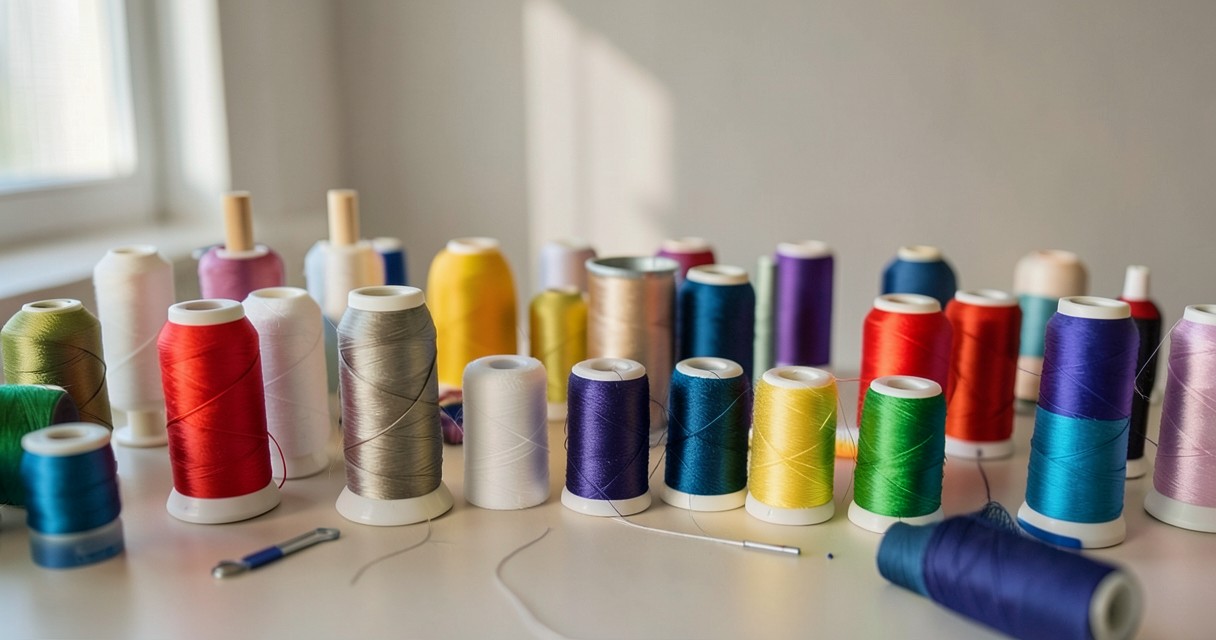
When selecting thread for your projects, consider the weight and color patterns and prints explained. A heavier weight thread may be necessary for thicker fabrics, while lighter threads work better with delicate materials. Additionally, matching the thread color to your fabric can enhance the overall appearance of your garment. Investing in high-quality thread can significantly improve the durability and finish of your sewing projects.
Essential Sewing Tools for Perfect Stitches and Seams
Having the right tools can make a world of difference in the quality of your stitching and seams. A reliable sewing machine is essential, but it is equally important to equip yourself with the right presser feet. For instance, a walking foot is beneficial for sewing multiple layers or slippery fabrics, ensuring even feeding and preventing puckering. A zipper foot is crucial for inserting zippers cleanly and accurately.
In addition to presser feet, consider investing in high-quality scissors, rotary cutters, and seam rippers. Sharp scissors make cutting fabric easier and more precise, while a rotary cutter can speed up cutting straight lines. A seam ripper is an indispensable tool for correcting mistakes without damaging the fabric. With the right equipment, you can streamline your sewing process and achieve professional-looking results.
Common Sewing Mistakes and How to Avoid Them
Even experienced sewists encounter mistakes, but understanding common pitfalls can help you avoid them. One frequent issue is fabric puckering, often caused by using the wrong stitch type or tension settings. To combat this, ensure you are using the appropriate stitch for your fabric type and adjust the tension on your sewing machine as needed. Another common mistake is cutting fabric inaccurately, which can lead to uneven seams and fitting issues. Always double-check your measurements and use a ruler for precision.
Additionally, skipping the pressing step can lead to unsightly seams. Pressing your seams as you sew helps to set the stitches and create a crisp finish. Make it a habit to press your fabric pieces before assembling them, as this can significantly improve the final look of your garment.
Advanced Techniques: Specialty Stitches and Seams
Once you have mastered the basics, you might want to explore advanced stitching techniques that can add unique elements to your garments. Techniques such as topstitching not only reinforce seams but also provide decorative flair. Using contrasting thread can create visual interest and highlight specific design elements. Another advanced technique is the use of bias tape for finishing raw edges, which adds a polished look to armholes and necklines.
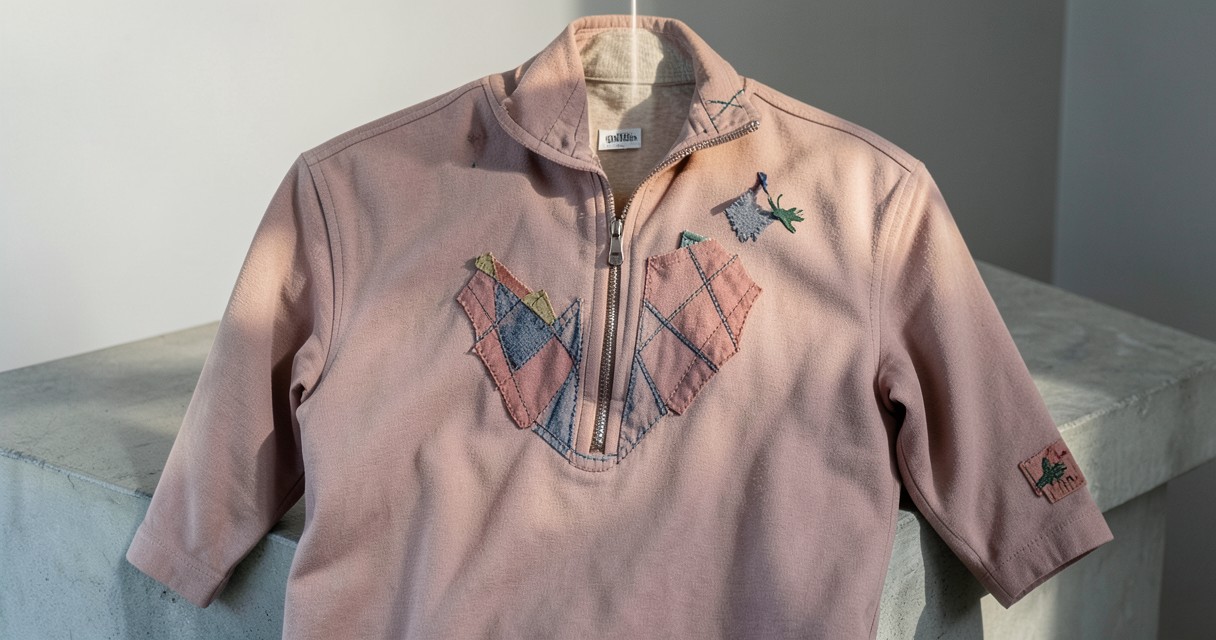
For those looking to add a touch of elegance to their garments, consider learning how to create pintucks and other tailoring basics. These techniques involve folding the fabric and stitching it down, creating a textured effect that can elevate the overall design. Experimenting with these advanced techniques can help you develop your signature style and enhance your sewing repertoire.
Maintaining Your Sewing Machine for Optimal Performance
Regular maintenance of your sewing machine is essential for achieving consistent results in your stitching and seams. Dust and lint can accumulate in the machine, affecting its performance. Make it a habit to clean your machine after each project, removing any debris from the feed dogs and bobbin area. Additionally, oiling the machine according to the manufacturer’s instructions can keep it running smoothly and prevent wear and tear.
Be mindful of the needles you use, as different fabrics require different needle types. For instance, a ballpoint needle is ideal for knits, while a universal needle works well for most woven fabrics. Regularly replacing needles can prevent skipped stitches and ensure clean, even sewing. By taking care of your sewing machine, you can enhance its longevity and maintain the quality of your sewing projects.

I’ve always loved curating unique looks and exploring how personal style can tell a story. Working as a freelance fashion enthusiast, I enjoy discovering emerging designers and sharing practical tips for building a timeless wardrobe.