Introduction to Cotton Fabric
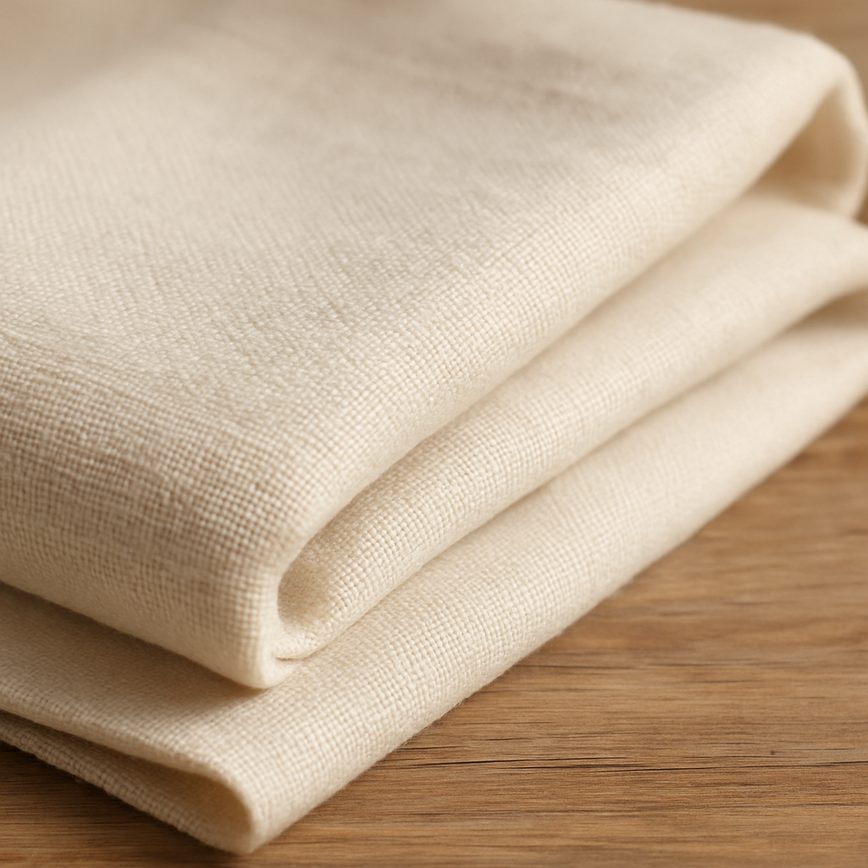
Cotton remains a cornerstone of the global textile industry, celebrated for its organic roots and adaptability. Harvested from the cotton plant, this fine, cottony fiber encases the seeds within the plant’s protective boll. Renowned for its airy texture, gentle feel, and long-lasting strength, cotton stands out as the go-to material for everything from everyday apparel to [[L0]] household essentials.
Cotton’s early roots stretch back millennia, with artifacts from civilizations like the Indus Valley, Egypt, and Peru confirming its long-standing role. As a cornerstone of commerce and cultural interaction, cotton drove the growth of textile sectors worldwide. Naturally suited to tropical and subtropical zones, the plant flourished in nations such as India, Egypt, and the southern [[L0]], cementing its dominance in global fabric production.
[[L0]] stands out among everyday textiles due to its organic fiber foundation, delivering unmatched ease and practicality. Made from cellulose, these fibers break down naturally and regrow sustainably, aligning perfectly with eco-mindful buyers. Its superior moisture-wicking properties keep wearers cool under high temperatures, while its gentle texture minimizes skin sensitivity. Beyond that, cotton’s adaptability shines—whether spun into lightweight breezy fabrics or sturdy heavyweight weaves, it effortlessly shapes everything from casual [[L1]] to plush [[L2]], proving its place as a cornerstone of functional fashion.
Cotton stands out not just for its softness but also for its remarkable resilience and low upkeep. It consistently holds up under frequent laundering and regular use, maintaining strength and appearance proving its long-term dependability. Thanks to its compatibility with a wide range of coloring and printing methods, cotton offers limitless creative potential, making it a staple in both apparel and home décor industries. Its blend of organic roots, cozy feel, enduring strength, and flexible applications ensures cotton remains indispensable across global textile manufacturing.
Types of Cotton Fabric
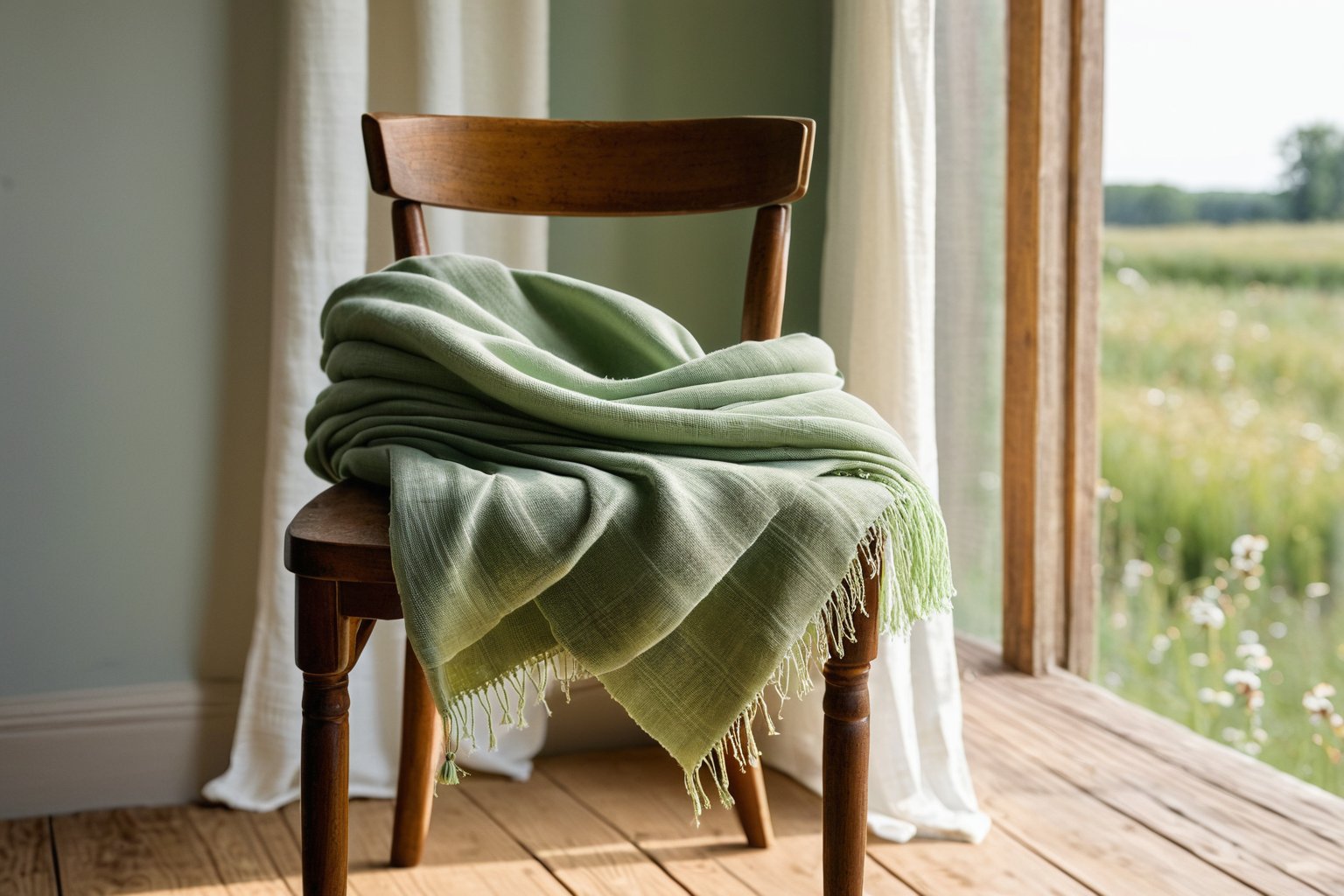
Explore the diverse range of cotton fabrics, each designed with distinct properties to cater to specific applications. By grasping cotton types, fabric varieties, cotton blends and fabric classification, shoppers can confidently select the ideal material for their projects.
Combed cotton stands out as one of the most sought-after cotton varieties. During production, it’s given an extra refinement step that eliminates short fibers and impurities, yielding longer, more robust strands. The outcome is a noticeably softer fabric, more durable fabric, with improved resistance to fraying and pilling. Thanks to its smooth finish and increased durability, combed cotton is perfect for crafting premium apparel, luxurious bedding, and everyday garments that demand a refined feel and lasting performance.
A sustainable alternative to conventional cotton, organic fabric is cultivated without artificial chemicals or synthetic inputs, aligning with eco-aware preferences. Ideal for consumers seeking sustainable and chemical-free textiles, it delivers a naturally softer, breathable texture while often carrying a higher price tag because of its responsible farming practices. Popular choices include baby apparel, linens, and eco-friendly fashion lines.
Egyptian cotton stands out globally for its unmatched excellence. Cultivated along the Nile River Valley, it’s celebrated for its ultra-long fibers, crafting a fabric that’s both velvety smooth and remarkably resilient. Ideal for [[L0]] high-end bedding and [[L1]] premium clothing, it delivers unparalleled softness and lasting comfort. What sets it apart is its ability to retain [[L2]] superior quality through countless washes, ensuring long-term performance.
[[L0]] covers a broader spectrum, including cotton-infused fabrics where natural fibers are expertly paired with synthetics like polyester, spandex, or linen. This fusion merges cotton’s organic comfort with the specialized traits of the secondary materials—whether that means greater elasticity, reduced creasing, or improved airflow. Such hybrid textiles dominate casual wear, athletic apparel, and furniture upholstery thanks to their adaptability and superior functionality.
The wide range of cotton varieties and blended options ensures that a suitable textile exists for nearly any application. By evaluating specific priorities like tactile softness, long-term durability, ecological impact, or premium feel, buyers can navigate fabric categories with greater confidence and select materials that align precisely with their intended use.
Combed vs. Carded Cotton
Understanding the distinctions between [[L0]] combed cotton and [[L1]] carded cotton is key when selecting the right fabric for your needs. Combed cotton undergoes an intricate refining process that meticulously straightens and separates the fibers, eliminating impurities and shorter strands. The outcome is a silky, refined texture that delivers an unmatched level of softness. By aligning the fibers with precision, this method elevates the fabric’s resilience, ensuring greater longevity and superior resistance against daily friction.
In contrast, carded cotton is processed with a milder technique that only untangles and cleans the fibers. The resulting fabric feels coarser because the shorter fibers that remain are not removed. Carded cotton typically offers less durability than its combed counterpart, as the shorter strands weaken its tensile strength. Nonetheless, it is a cost‑effective option and is frequently chosen for items where extreme durability is not essential.
When it comes to fabric selection, combed cotton stands out for luxury items such as premium fabric texture and cotton quality t-shirts, delicate fabric texture and cotton quality underwear, and baby essentials, where unmatched softness and durability are essential. Meanwhile, carded cotton is commonly used in practical clothing and linens where affordability takes precedence over refined texture or extended wear. Evaluating the fabric texture and cotton quality allows shoppers to make an informed choice that aligns with their priorities.
Organic and Egyptian Cotton
Organic cotton is prized for its eco-friendly fabric attributes, cultivated without synthetic pesticides or fertilizers, offering a healthier option for both the planet and growers. This farming approach boosts soil health and cuts water usage, dramatically reducing the environmental impact versus conventional cotton production. Opting for organic cotton nurtures biodiversity and preserves cleaner water supplies, supporting ecosystems across cotton-growing areas.
Egyptian cotton stands out globally as a top-tier cotton variety, celebrated for its unmatched excellence. Cultivated in the fertile Nile River Valley, it features exceptionally long fibers that yield fabrics of remarkable softness, resilience, and endurance. Because of its refined quality and enduring comfort, it’s a favorite for high-end bedding and apparel. The distinctive growing conditions in Egypt enhance its delicate weave and vivid color, setting it apart from conventional cotton types.
Both organic and Egyptian cotton attract buyers who prize comfort, durability, and also sustainability and ethical sourcing. Choosing these cottons helps support eco‑friendly practices while providing fabrics that blend softness, strength, and environmental responsibility, making them perfect for shoppers who want premium cotton with a conscience.
Care and Maintenance of Cotton Fabric
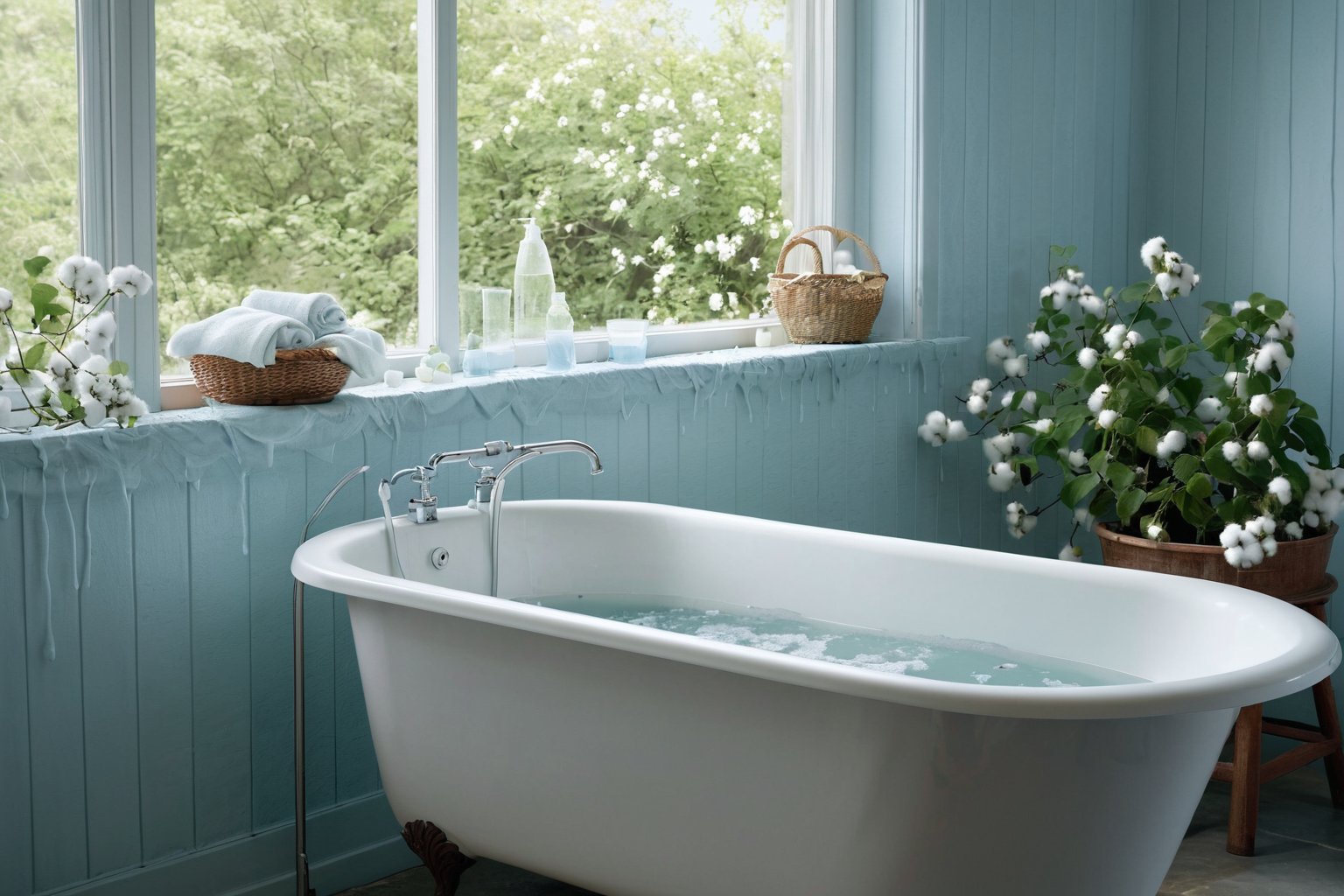
Use gentle care to keep your [[L0]] in top condition for years to come. Always wash cotton in cool or tepid water to minimize shrinking and keep the material feeling smooth. Skip abrasive cleaners or chlorine bleach—they can degrade threads and fade colors. For best results, choose a mild detergent formulated for delicate textiles.
To clean cotton efficiently, flip clothes inside out to protect the outer layer. Whether you wash by hand or in a machine, opt for a gentle cycle to lessen agitation. Overloading the washer can create friction among garments, so wash cotton pieces in smaller batches to preserve fabric quality.
Laundering cotton effectively hinges on proper drying techniques. For optimal results, always opt for air drying by spreading items flat or hanging them up—this minimizes stretching and keeps wrinkles at bay. When machine drying is necessary, choose a gentle low-heat cycle to preserve fabric integrity and prevent shrinkage. To maintain crispness, promptly fold or hang freshly dried cotton garments, reducing the need for ironing and smoothing out creases.
Properly storing cotton fabric ensures its durability over time. Store your cotton clothing and textiles in a shaded, moisture-free area to minimize sun damage and wear. Fold garments carefully to prevent stubborn wrinkles, and opt for ventilated storage solutions like [[L0]] or [[L1]] instead of airtight plastic to maintain freshness.
Properly adhering to fabric care best practices—like washing with precision, air-drying carefully, and storing strategically—helps [[L0]] your cotton garments last far longer. Maintaining cotton through mindful routines keeps its inherent smoothness and freshness intact, so your favorite pieces stay plush and resilient over time.
Washing and Drying Tips
Check out these key laundry tips to keep your [[L0]] cotton clothes looking fresh and durable. Always begin by separating your items by shade to prevent unwanted fading. Opt for cold or tepid water during the wash cycle, since high heat can lead to shrinking and weakened fibers. Choose a delicate setting on your machine to protect the fabric and extend its lifespan.
Select a gentle detergent formulated specifically for [[L0]] fabrics to preserve their integrity, as bleach can lead to fading and weaken cotton threads with prolonged use. Whenever feasible, turn cotton items inside out before washing to shield the exterior from direct contact. Prevent overpacking the washing machine to allow for better circulation and reduce unnecessary abrasion between garments.
To keep cotton from shrinking and stay soft, let it air‑dry. Place pieces flat on a rack or suspend them, steering clear of direct sunlight that can bleach colors. If a dryer is necessary, choose a low‑heat or delicate cycle to lessen heat impact. Take the garments out while still a bit damp to cut down on wrinkles and strain on the fibers.
[[L0]] ensures your favorite cotton pieces stay soft, long-lasting, and full of life with minimal effort. Follow these simple yet effective techniques to maintain their original brightness, prevent unwanted shrinkage, and avoid premature wear—so you can enjoy them season after season.
Stain Removal and Fabric Preservation
For keeping cotton fabric looking its best, prompt stain removal is key—especially with common messes like [[L0]] or [[L1]]. Start by blotting the stain carefully with a clean cloth to soak up excess moisture, never scrubbing, as that can drive the stain deeper into the threads. Next, apply a gentle detergent or a cotton-specific [[L2]] to the affected spot. If the stain persists, try a cold-water soak with a small amount of oxygen-based [[L3]] to break it down safely without harming the fabric.
To maintain cotton’s natural softness and resilience, proper care is essential. Start by laundering items in cold or warm water on a gentle setting to minimize wear. Steer clear of aggressive cleaners or bleach, as they degrade fibers and fade colors over time. Once washed, allow cotton pieces to dry naturally or use a low-heat dryer to retain their structure and plushness. For a polished finish, iron with medium heat—this keeps fabrics smooth and fresh without compromising their strength. [[L0]]
By applying these cleaning suggestions and stain‑removal methods, you’ll keep your cotton garments looking fresh and lasting longer. Consistent care not only lifts tough cotton stains but also keeps the material soft and resilient through repeated wear and washes.

I’ve always loved curating unique looks and exploring how personal style can tell a story. Working as a freelance fashion enthusiast, I enjoy discovering emerging designers and sharing practical tips for building a timeless wardrobe.