

Smart shopping for clothing requires learning how to choose quality clothing that aligns with personal style, budget, and lasting value. In a boutique environment, where each piece often carries a story and a higher price tag, adopting purposeful habits can transform a chaotic spree into a curated experience. This article unpacks practical steps that help shoppers navigate trends, discounts, and quality considerations while building a wardrobe that feels both fresh and functional. By treating each purchase as an investment in personal expression, readers can enjoy the thrill of boutique finds without the regret of overspending or cluttered closets.
Plan Your Wardrobe Around Core Pieces
Each shopping season should start with a Closet decluttering guide to audit garments and identify what stays or goes. A simple spreadsheet that lists each piece, its color, and the number of times it appears in outfits provides a clear visual of gaps that truly need filling. When you identify a missing staple, such as a well‑tailored blazer, a versatile pair of denim, or a timeless little black dress, you can target your search toward those essentials rather than chasing every new arrival. This focused approach reduces the temptation to acquire accessories that never integrate with existing looks, and it ensures that each new purchase adds genuine utility to your wardrobe.
To refine your personal style mood board, focus on a Body shape styling guide that highlights silhouettes and fabrics suited to your figure. By aligning future purchases with a consistent aesthetic, you avoid the disjointed feeling that often follows a haphazard shopping spree. For boutique shoppers, understanding How boutiques select collections helps match unique cuts and limited-edition fabrics thoughtfully. A wardrobe that feels intentional and cohesive often relies on a detailed clothing fit guide.
Set a Realistic Budget and Track Every Purchase
Establishing a clear budget before stepping into a boutique prevents the common pitfall of impulse buying, which can quickly erode savings. Allocate a monthly or seasonal amount based on your income and lifestyle priorities, then monitor each expense with a finance app or a handwritten ledger. Recording the cost, brand, and intended use of every clothing item creates a tangible record that highlights spending patterns and reveals where adjustments are needed. Over time, this habit encourages smarter choices, as shoppers become more aware of the true cost of expanding a wardrobe.
When a purchase falls within your budget, look for additional savings through discount codes, loyalty programs, or seasonal promotions. Many boutique retailers share exclusive offers via newsletters or mobile apps, and a quick online search can uncover coupon codes that shave a significant percentage off the final price. Combining a pre‑set budget with strategic use of discounts maximizes purchasing power while preserving the quality and uniqueness that boutique pieces provide.
Use Seasonal Sales and Coupon Strategies Wisely
Seasonal sales present prime opportunities to acquire high‑quality garments at reduced prices, but timing and research are essential to avoid unnecessary purchases. Track the sales calendar of your favorite boutiques, noting when end‑of‑season clearances or holiday events typically occur. Arriving early or signing up for waitlist alerts can secure coveted items before they disappear, while also giving you the chance to compare prices across multiple stores. Remember that a steep discount does not automatically guarantee value; assess each piece against your core‑piece list and style goals before committing.
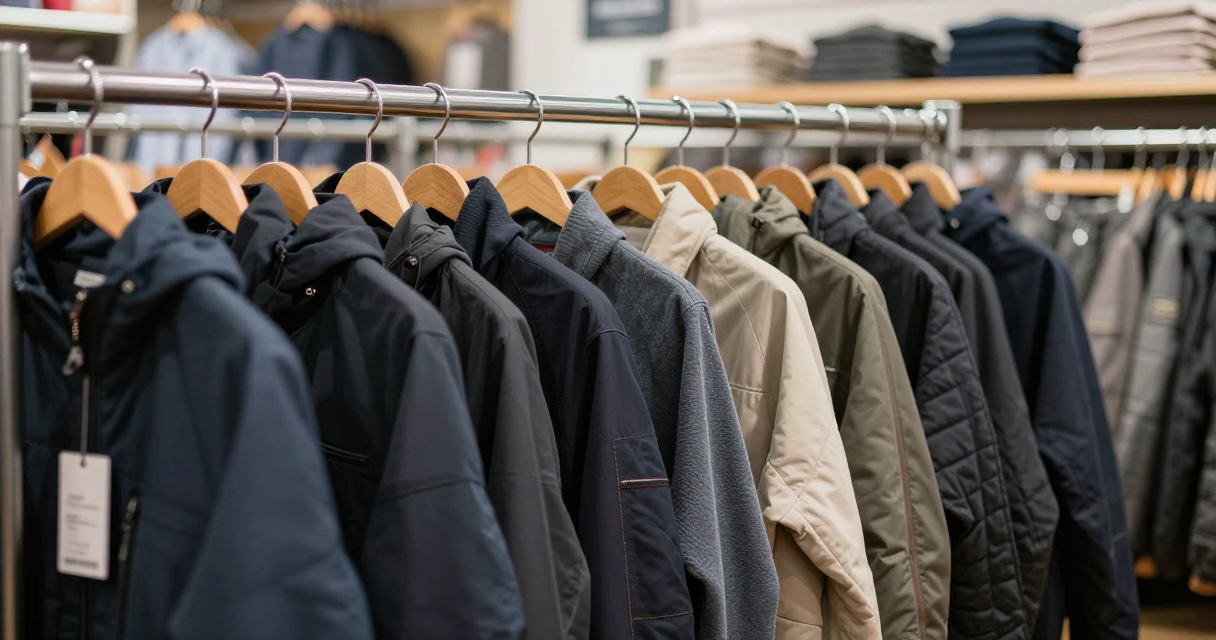
Effective coupon use involves more than a single code; stackable promotions, such as an additional percentage off a sale item combined with free shipping, can compound savings. Some boutiques reward repeat customers with points that translate into future discounts, so maintaining a record of earned rewards helps you plan subsequent purchases strategically. By integrating seasonal timing with layered coupon tactics, you can build a boutique wardrobe that balances exclusivity with affordability.
Prioritize Quality Over Quantity for Boutique Finds
Investing in well‑crafted clothing reduces the need for frequent replacements, ultimately saving money and decreasing environmental impact. Examine fabric composition, stitching, and finishing details before making a purchase; natural fibers such as silk, wool, and high‑grade cotton often outlast synthetic blends. In boutique settings, artisans frequently highlight these attributes, offering insight into the garment’s durability and care requirements. Choosing pieces that withstand regular wear and retain shape ensures that each item remains a staple rather than a fleeting trend.
Quality also influences versatility. A beautifully tailored coat in a neutral hue can transition from casual weekend wear to formal office attire with minimal accessorizing. By focusing on garments that serve multiple roles, you amplify the return on each investment. Over time, a collection of high‑quality items forms a foundation that supports creative styling without the clutter of disposable fashion.
Try Before You Buy: The Dressing Room Test
Physical try‑ons remain the most reliable method for assessing fit, comfort, and overall appeal. Studies show that shoppers develop a stronger attachment to clothing when they experience it in the dressing room, where the garment’s true silhouette and movement become evident. Take the time to move, sit, and stretch while wearing each piece; this practical test reveals potential issues such as restrictive seams or unflattering proportions that may not be apparent on the rack.
When trying on multiple items, limit selections to three or four pieces to maintain focus and avoid decision fatigue. After each try‑on, step back and evaluate how the garment integrates with existing wardrobe staples. Ask yourself whether the piece complements your core color palette, offers layering possibilities, and aligns with your style narrative. This disciplined approach prevents the accumulation of items that feel exciting in the moment but quickly become neglected.
Build a Cohesive Capsule Collection
A capsule collection comprises interchangeable pieces that create numerous outfits with minimal redundancy. Start by selecting a base color, such as navy, charcoal, or ivory, and then add complementary hues that enhance visual harmony. Each new boutique acquisition should be examined for its ability to pair with at least three existing items, ensuring that the wardrobe remains flexible and adaptable. By adhering to this principle, shoppers can generate fresh looks without constantly expanding their closet.
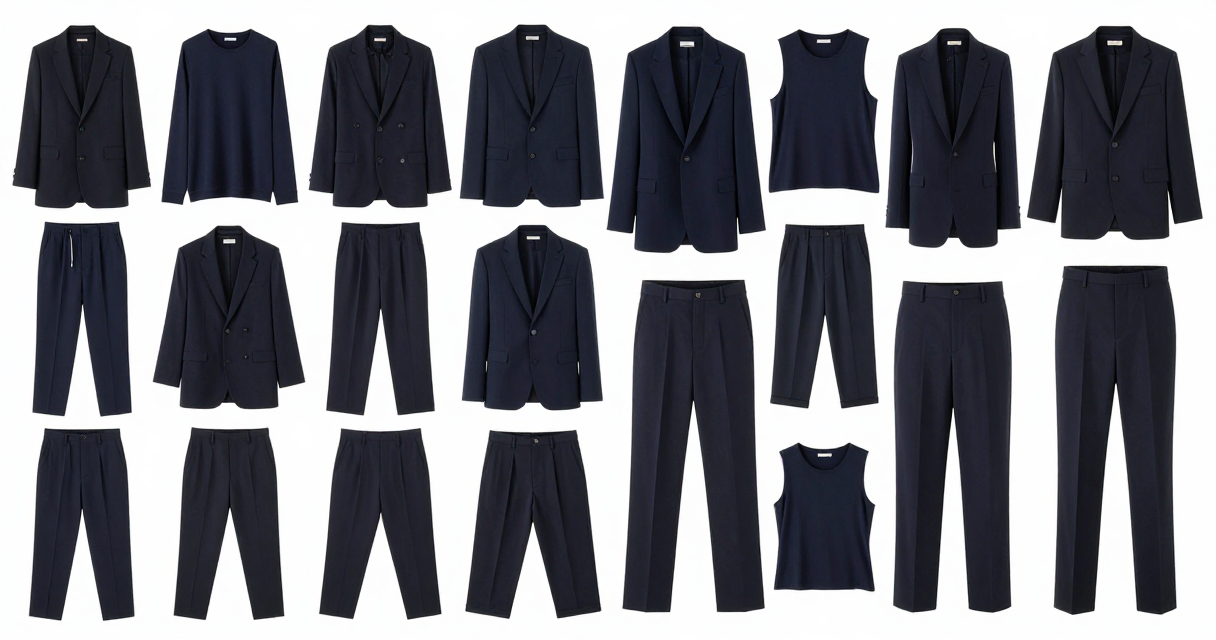
Refreshing a capsule wardrobe starts with effective wardrobe organization tips. A well‑chosen belt, scarf, or pair of shoes can transform a simple dress into a statement ensemble. Boutique fashion explained: how limited-edition accessories from boutique retailers add personality while keeping collections cohesive. Incorporating these pieces strategically amplifies style variety without compromising the streamlined nature of a capsule approach.
Maintain a Shopping Journal to Refine Your Habits
Documenting each purchase in a dedicated journal helps you track satisfaction, wear frequency, and overall value. Record details such as purchase date, price, retailer, and the outfit combinations you envision. After a few months, review the entries to identify patterns, perhaps certain fabrics wear out quickly, or specific silhouettes remain unworn. This reflective practice guides future decisions, steering you toward garments that truly enhance your daily dressing experience.
Beyond individual entries, set quarterly goals that align with your evolving style and budget. For example, aim to reduce impulse buys by a set percentage or to introduce a new color family each season. By regularly revisiting and adjusting these objectives, you cultivate an ongoing cycle of improvement that keeps your boutique wardrobe both current and purposeful.

I’ve always loved curating unique looks and exploring how personal style can tell a story. Working as a freelance fashion enthusiast, I enjoy discovering emerging designers and sharing practical tips for building a timeless wardrobe.