Seasonal transitions offer a natural rhythm for any clothing boutique, yet the challenge of keeping the floor fresh and exciting remains constant. The traditional static display often fades into the background, leaving regulars craving something new and passersby hesitant to step inside. A temporary retail experience, when executed with style and strategy, can bridge that gap, turning curiosity into foot traffic and foot traffic into loyal customers. The concept of a short-term, themed space allows a boutique to test new silhouettes, introduce limited-edition pieces, or simply refresh the atmosphere without the long-term commitment of a full renovation. It is a dynamic way to breathe life into the existing inventory while building anticipation for what comes next.
Define a Clear Theme and Visual Identity
The first step in any successful temporary venture is establishing a narrative that resonates with the target audience, pop up store ideas. A boutique selling women’s apparel cannot simply open a space and hope for the best; the environment must tell a story that complements the clothing on the racks. Whether the focus is on a specific color palette for the upcoming season, a retro revival from a particular decade, or a sustainable capsule collection, the theme should be visible in every detail from the window display to the fitting room signage. This visual cohesion not only attracts the right shoppers but also encourages them to spend more time exploring the curated selection. A well-defined theme acts as a magnet, drawing in those who identify with the aesthetic and are looking for that perfect piece to complete their wardrobe.
Practical execution of the theme requires a keen eye for detail and a willingness to invest in temporary dcor that feels intentional rather than accidental. Lighting plays a pivotal role; warm tones can make rich fabrics like velvet or silk appear more inviting, while cooler lights might better showcase crisp linens or summer cottons. Fixtures should be chosen for their ability to display garments effectively, adjustable racks, sleek mannequins, and layered textures all contribute to the overall feel. The layout should guide the customer naturally through the space, creating a flow that feels intuitive yet exciting. By treating the temporary space with the same care as a permanent storefront, the boutique signals that the experience inside is special and worth the visit.
Curate a Limited-Edition or Exclusive Collection
One of the most compelling reasons for shoppers to seek out a temporary retail space is the prospect of finding something they cannot get elsewhere. This is the perfect opportunity to showcase a limited-edition line, a collaboration with a local artisan, or pieces from a upcoming collection that are not yet available online or in the main location. Scarcity creates urgency; when a customer knows that a particular dress or accessory is only available for a short window of time, the decision to purchase becomes more immediate. This strategy not only drives sales of specific items but also generates buzz on social media, as shoppers love to share their “finds” from exclusive events.
The curation process should focus on quality over quantity. Rather than filling the space with every item in stock, select a handful of standout pieces that represent the boutique’s brand identity most authentically. Perhaps it is a selection of statement outerwear perfect for the changing weather, or a collection of accessories that tie the whole seasonal look together. Providing a few high-impact items allows the boutique to maintain an air of exclusivity and prevents the space from feeling cluttered or overwhelming. This approach also makes it easier for staff to engage with each customer, offering personalized styling advice for the featured items rather than trying to navigate a overwhelming inventory.
Leverage Local Partnerships and Cross-Promotion
No boutique is an island, and collaborating with other local businesses can exponentially increase the reach and appeal of a temporary pop up. Partnering with a nearby cafe for a “coffee and couture” morning, or teaming up with a jewelry maker for a joint evening event, creates a destination experience that appeals to a wider demographic. These partnerships allow for shared marketing costs and cross-promotion, introducing the boutique to the partner’s customer base and vice versa. For a clothing store, this could mean hosting a styling workshop with a local hair salon or offering a discount code to customers who show a receipt from a neighboring shop. The synergy created by these relationships often brings in foot traffic that would not have otherwise discovered the boutique.
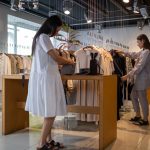
Mandai Design: Boutique interior ideas from 110 Quadrat Store #retaildesign #boutiquedesign

Choosing the right partners is crucial; the businesses selected should share a similar target audience but offer non-competing products. A boutique specializing in bohemian dresses might partner with a vintage leather goods shop or a natural beauty spa, creating a holistic lifestyle experience for the customer. The key is to ensure that the collaboration feels organic and enhances the overall theme of the temporary space, rather than feeling like a forced advertisement. By building a community around the event, the boutique transforms a simple shopping trip into a social outing, encouraging longer dwell times and deeper engagement with the merchandise.
Incorporate Interactive Elements and Experiential Retail
Modern shoppers, particularly younger demographics, increasingly value experiences over mere transactions. A temporary space provides the perfect canvas to integrate interactive elements that make the act of buying clothing feel like an event. Consider a mini runway area where customers can see the clothes in motion, or a styling station where they can mix and match pieces with the help of a stylist or a digital screen. Even something as simple as a “try-on” mirror with augmented reality capabilities to see how an accessory looks can significantly enhance the experience. These touches turn a routine errand into a memorable outing, increasing the likelihood that the visitor will not only buy something but will also remember the brand fondly.
Interactive experiences also provide valuable data and engagement opportunities. A photo booth with props related to the season’s theme encourages shoppers to post pictures on their social channels, providing free marketing for the boutique. Perhaps a “guess the price” game for a featured item or a quick style quiz that recommends pieces based on their answers can keep visitors engaged while they wait or browse. These activities create a buzz around the event and give the boutique a chance to capture email addresses or social media follows for future marketing efforts. The goal is to make the customer feel involved and valued, transforming them from a passive browser into an active participant in the brand’s story.
Optimize the Pop-Up Location and Accessibility
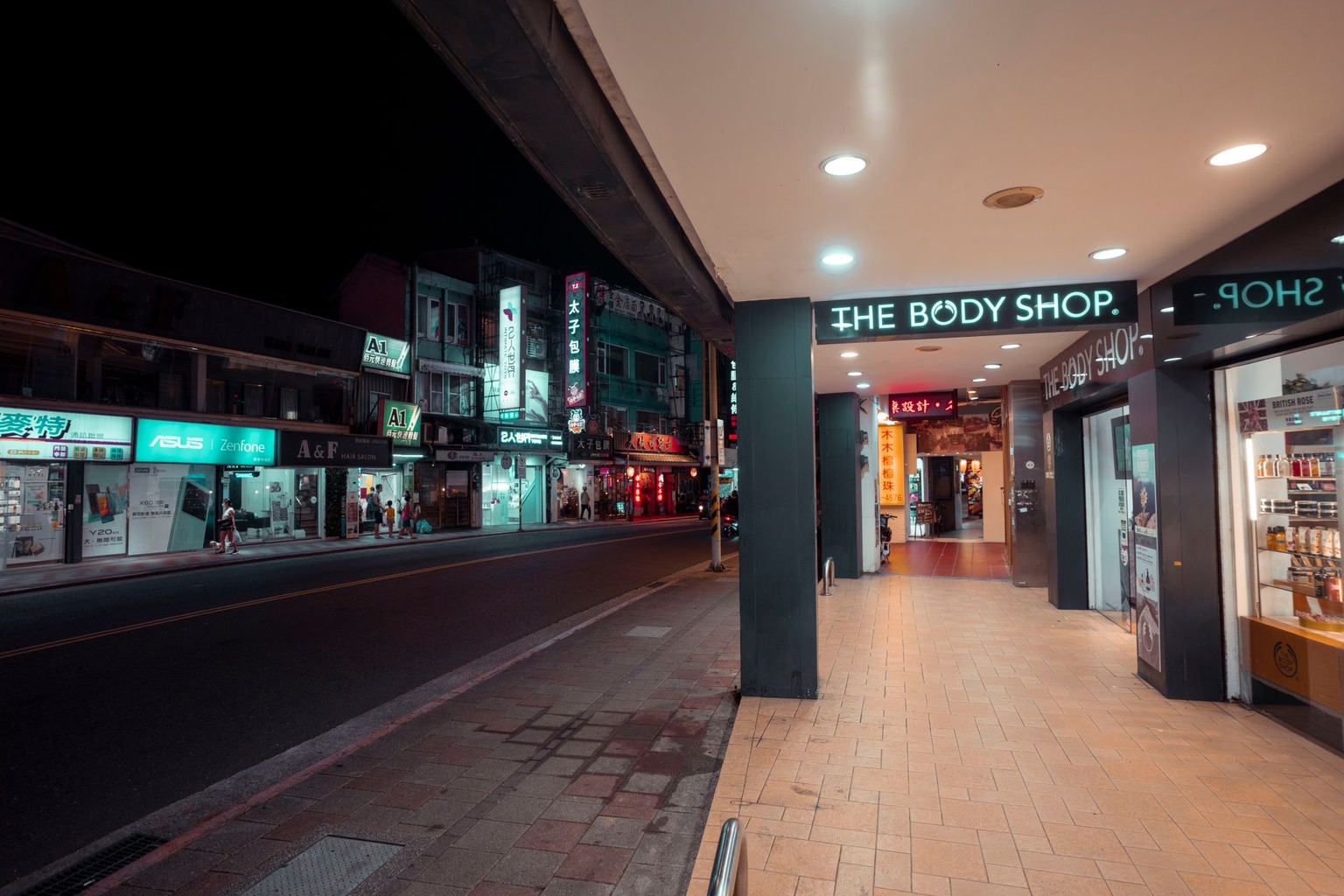
The success of a temporary retail space is heavily dependent on where it is situated. A prime location with high foot traffic is ideal, but it must also align with the boutique’s brand image and target customer. If the boutique caters to a sophisticated, high-end clientele, a location in a luxury shopping district or a beautifully restored historic building will reinforce that perception. Conversely, a boutique focused on casual, everyday wear might find more success in a trendy neighborhood market or a bustling street fair. Visibility is key; the storefront should be inviting, with clear signage that communicates the pop-up nature of the event and the unique offerings inside, enticing passersby to step through the door.
Accessibility should not be overlooked when scouting locations. The space must be easy to reach via public transportation, have adequate parking nearby, and be physically accessible to customers with mobility considerations. A location that is difficult to reach or navigate will deter potential customers, no matter how wonderful the merchandise is inside. Furthermore, consider the operating hours; aligning the pop-up schedule with the shopping habits of the target audience, such as evening hours for working professionals or weekend mornings for families, maximizes the window of opportunity for sales. A well-chosen location acts as the foundation upon which all other efforts are built.
Plan a Strategic Launch and Close-Out Event
The energy surrounding the opening and closing of a temporary shop can significantly impact the overall success of the venture. A grand opening event, perhaps with a ribbon-cutting ceremony, a small performance, or a special guest appearance, creates a sense of occasion and draws a crowd early on. This initial surge of visitors provides valuable momentum and sets the tone for the duration of the pop-up. It is an opportunity to make a strong first impression, showcase the curated collection, and introduce the boutique’s story to new faces. Marketing this event through local press, social media channels, and email lists ensures that the target audience is aware and excited to attend.
Equally important is the close-out strategy, which should aim to clear remaining inventory and leave a lasting positive impression. A “last chance” sale or a trunk show event on the final day creates a final rush of urgency, encouraging those on the fence to make a purchase before the space disappears. Even unsold items can be handled gracefully; offering them as a “final farewell” discount or donating them to a local charity not only clears the space but also builds goodwill within the community. The transition out of the pop-up should be as carefully managed as the entry, ensuring that the brand’s reputation for quality and style remains intact long after the racks are packed up.

I’ve always loved curating unique looks and exploring how personal style can tell a story. Working as a freelance fashion enthusiast, I enjoy discovering emerging designers and sharing practical tips for building a timeless wardrobe.