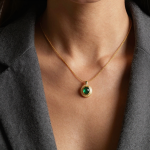

The first step to refreshing your wardrobe isn’t about buying anything new, it’s about assessing what you already own and how it can work harder for you. A well-organized closet isn’t just about aesthetics; it’s about functionality. Start by pulling out every item you haven’t worn in the past year. If you’re hesitant to part with something, ask yourself whether it still fits your lifestyle, style, or daily needs. A classic wool blazer might still be worth keeping, but that ill-fitting dress from three seasons ago? It’s time to let it go. This isn’t just about decluttering; it’s about creating space for pieces that truly elevate your look. Think of it as a financial investment, every item you keep should either bring you joy, solve a wardrobe problem, or align with your current aesthetic. If you’re unsure, try the “reverse hanger trick”: hang all your clothes with hangers facing backward. After a few months, anything still on the rack is worth keeping, while the rest can be donated or sold. This method reveals your true favorites without emotional bias.
Create a capsule wardrobe foundation
A capsule wardrobe isn’t about restriction; it’s about intentionality. Start with a core of versatile pieces that can be mixed and matched effortlessly. Aim for a mix of 30 to 40 items, enough to cover daily wear, work, and weekend outings without overcrowding your closet. Focus on neutral colors like black, navy, gray, and camel, as they form the backbone of any wardrobe. Pair these with two to three statement pieces in bold hues or textures, like a deep emerald green blazer or a structured leather jacket. The key is balance: for every dressy item, include a casual counterpart. For example, a tailored trousers suit works with a silk blouse for work and a cozy sweater for evenings. This approach ensures you’re not repeating outfits but rather layering and reimagining what you already own. If you’re unsure where to start, begin with your most-worn items and build from there, this guarantees everything you keep will see regular use.
When selecting your capsule foundation, prioritize quality over quantity. Invest in fabrics that withstand seasonal changes, like merino wool for sweaters or cotton-blend trousers that resist wrinkles. A well-made blazer or coat can last for years, while fast fashion pieces often fall apart after a few washes. Look for timeless silhouettes, think wide-leg trousers, fitted tees, and structured cardigans, that adapt to trends rather than chasing them. If you’re working with a budget, focus on the essentials first: a white button-down, a pair of dark jeans, and a little black dress. These pieces form the backbone of any wardrobe and can be dressed up or down with accessories. Once you’ve mastered the basics, you can experiment with bolder choices. The goal isn’t perfection; it’s creating a wardrobe that reflects your personality while minimizing decision fatigue.
Master the art of layering for seasonal transitions
Layering isn’t just a technique, it’s a wardrobe hack that extends the life of your clothes and keeps you stylish across seasons. Start by identifying your transitional pieces: a lightweight trench coat, a chunky knit cardigan, or a structured vest. These items can transform a summer dress into a fall outfit with minimal effort. For example, pair a sleeveless midi dress with a cropped leather jacket and ankle boots for a polished look, or layer a silk camisole under a fitted sweater for a cozy yet chic ensemble. The secret lies in texture contrast, think pairing a smooth turtleneck with a textured wool blazer or a satin blouse under a linen shirt. This creates visual interest without relying on flashy accessories. If you’re new to layering, start with two pieces: a base layer (like a fitted tee) and a mid-layer (such as a cardigan) before adding outerwear. This builds confidence and ensures you’re not overcomplicating your outfits.
Another layering trick is to repurpose items you already own. That oversized sweater you bought for winter? It can double as a cozy blanket or a stylish top in warmer months if paired with a lightweight linen shirt. Similarly, a structured blazer can be worn open over a dress in spring or buttoned up with a tee in fall. The key is versatility, every piece should serve multiple purposes. If you’re unsure how to layer, experiment with proportions: a cropped jacket over a long dress creates a balanced silhouette, while a long coat over a fitted top adds drama. Pay attention to the weight of fabrics; heavier layers like wool should sit atop lighter pieces like silk or chiffon. This not only keeps you comfortable but also ensures your outfits look intentional rather than haphazard. Think of layering as a form of styling alchemy, small adjustments can turn a basic outfit into something entirely new.
Revitalize faded or worn-out fabrics with simple techniques
Not every item needs to be replaced to feel fresh. Many clothes can be revived with a few clever tricks, saving you money and reducing waste. For faded fabrics, try steaming or pressing with a damp cloth to restore vibrancy. A quick trip to a professional cleaner can also work wonders, dry cleaning can rejuvenate the texture and color of once-loved pieces. If you’re dealing with pilling, a fabric shaver or a razor can smooth out the surface, though be gentle to avoid damaging the material. For denim, a cold wash with a bit of vinegar can restore its original color and prevent further fading. These methods aren’t just about aesthetics; they extend the life of your clothes, making them more sustainable and cost-effective. If an item is beyond repair, consider upcycling, turning an old T-shirt into a tote bag or a pair of jeans into shorts can give them new life while aligning with eco-conscious fashion trends.
If you want to learn more about minimalism and capsule wardrobes, Annie covers the process step-by-step in this helpful video you can watch right here.
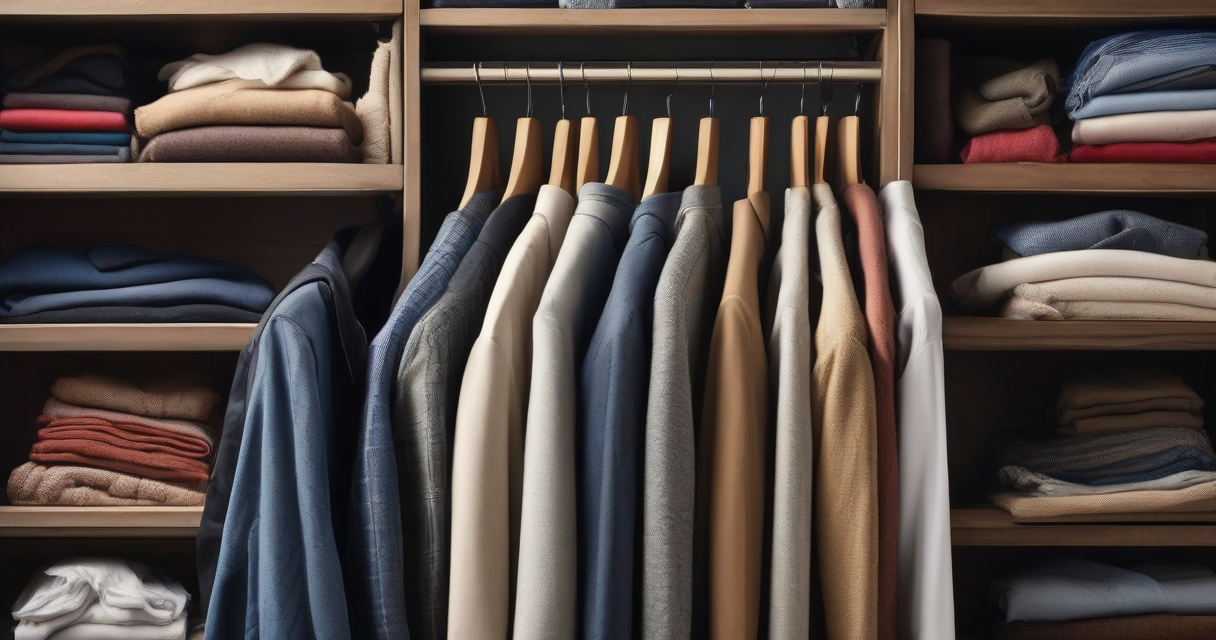
Another underrated technique is fabric dyeing. A simple at-home dye kit can transform a plain white tee into a bold solid color or turn a faded sweater into a rich, deep tone. This is particularly useful for items you wear often but want to refresh. For example, dyeing a basic black dress in a muted terracotta can make it feel like a brand-new piece. If you’re not ready to commit to dyeing, try fabric markers or paint pens for subtle updates, adding a pop of color to the cuffs of a sleeve or the hem of a skirt can instantly modernize an outfit. Just be mindful of the fabric type; cotton and linen absorb dye well, while silk or satin may require professional handling. The goal isn’t to create high fashion; it’s to give your wardrobe a subtle lift without spending extra. Think of these techniques as styling shortcuts, small changes that make your clothes feel new again.
Avoid common mistakes that sabotage your wardrobe refresh
One of the biggest mistakes people make when refreshing their wardrobe is chasing trends without considering their lifestyle. Buying a trendy piece that you’ll only wear once or twice before it goes out of style is a waste of money and space. Instead, focus on timeless pieces that can be styled in multiple ways. Another common pitfall is neglecting fit. No matter how expensive or stylish a garment is, if it doesn’t fit well, it won’t elevate your look. Take the time to alter clothes that need adjustments, hemming pants, taking in a waistband, or adding darts to a dress can make a significant difference. If you’re not comfortable sewing, consider visiting a tailor for professional alterations. This small investment ensures your clothes look polished and intentional. Finally, avoid the temptation to buy “just in case” items. If you don’t have a specific occasion in mind, you’re more likely to leave those pieces gathering dust. Instead, build your wardrobe around your current needs and schedule.
Another mistake is underestimating the power of accessories. A single statement necklace, a structured handbag, or a pair of bold shoes can transform a simple outfit into something sophisticated. If you’re working with a limited budget, focus on investing in one or two high-quality accessories that can be mixed and matched with multiple outfits. For example, a classic leather belt can cinch a loose waistline on trousers or add definition to a dress, while a versatile watch can elevate even the most casual look. Similarly, don’t overlook the impact of footwear, swapping in a pair of ankle boots for your usual sneakers can instantly update your outfit. The key is to choose accessories that complement your existing wardrobe rather than compete with it. If you’re unsure where to start, begin with basics like a black belt, a structured tote, and a pair of comfortable yet stylish flats. These items are versatile and can be dressed up or down depending on the occasion.
Plan for seasonal storage to protect your wardrobe
Proper storage isn’t just about making room in your closet; it’s about preserving the quality of your clothes for years to come. When transitioning between seasons, take the time to clean and inspect each item before storing it. Remove any stains, mend any tears, and ensure everything is completely dry to prevent mildew. For delicate fabrics like silk or lace, use acid-free tissue paper to cushion the items and prevent creases. Store sweaters and knits flat to maintain their shape, while hanging dresses and trousers on padded hangers helps preserve their structure. If you’re dealing with limited space, consider using storage bins or vacuum-sealed bags for off-season items, but avoid compressing delicate fabrics for too long, as this can cause permanent damage. Labeling your storage bins with the season or contents can save time when you’re ready to refresh your wardrobe again.
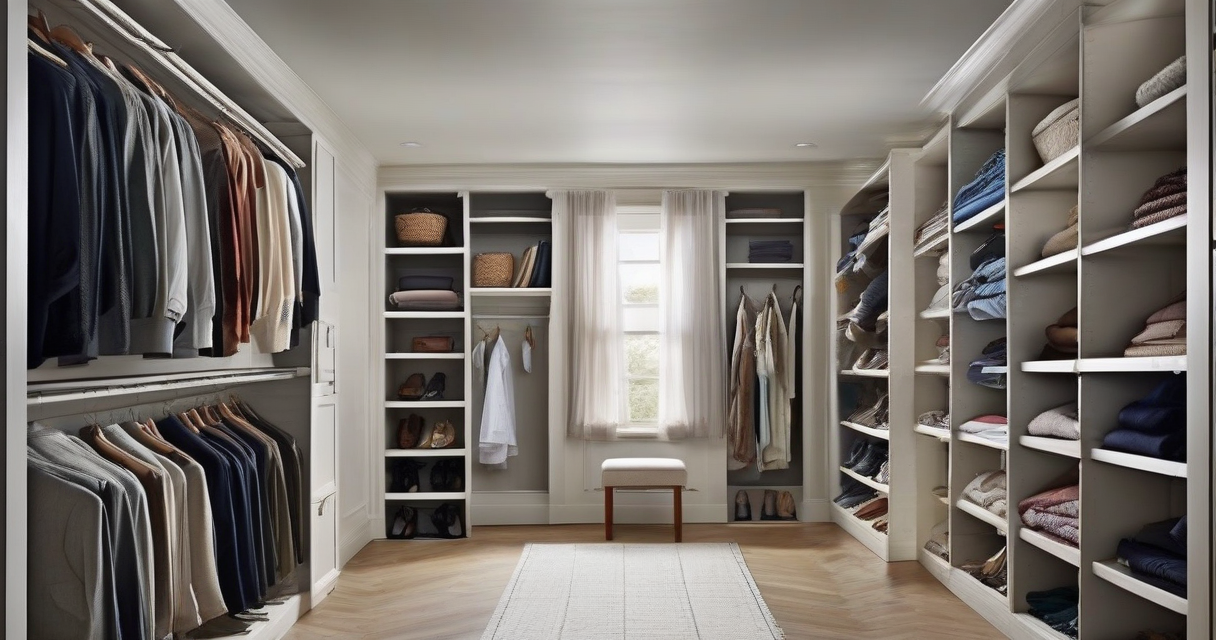
Another storage tip is to keep your active wardrobe easily accessible. Designate a section of your closet or a separate drawer for items you wear frequently, while storing seasonal pieces in a less accessible area. This not only keeps your daily outfits visible but also prevents you from impulsively buying duplicates. If you’re short on closet space, invest in multi-functional furniture like ottomans with storage or under-bed drawers for shoes and accessories. Proper organization also means rotating your wardrobe, after storing away summer items, pull out your fall pieces and give them a test run to ensure they still fit and feel right. This proactive approach prevents wardrobe stagnation and ensures your clothes remain in good condition. Think of storage as an extension of your styling routine, it’s not just about putting clothes away; it’s about setting them up for success when you wear them again.

I’ve always loved curating unique looks and exploring how personal style can tell a story. Working as a freelance fashion enthusiast, I enjoy discovering emerging designers and sharing practical tips for building a timeless wardrobe.