In the crowded world of online fashion, standing out means knowing exactly who you are talking to. Millennials, now in their late 20s to early 40s, represent a powerful spending group that values authenticity over flashy logos. They grew up watching trends shift rapidly and they expect the brands they support to reflect their individuality. A boutique that wants to capture this demographic cannot rely on generic stock; it must curate a story that feels personal and relevant. This audience example explores how boutique owners can align their visual merchandising and product selection with the specific tastes of Millennial shoppers, turning casual browsers into loyal customers.
Visual Aesthetic and Store Layout
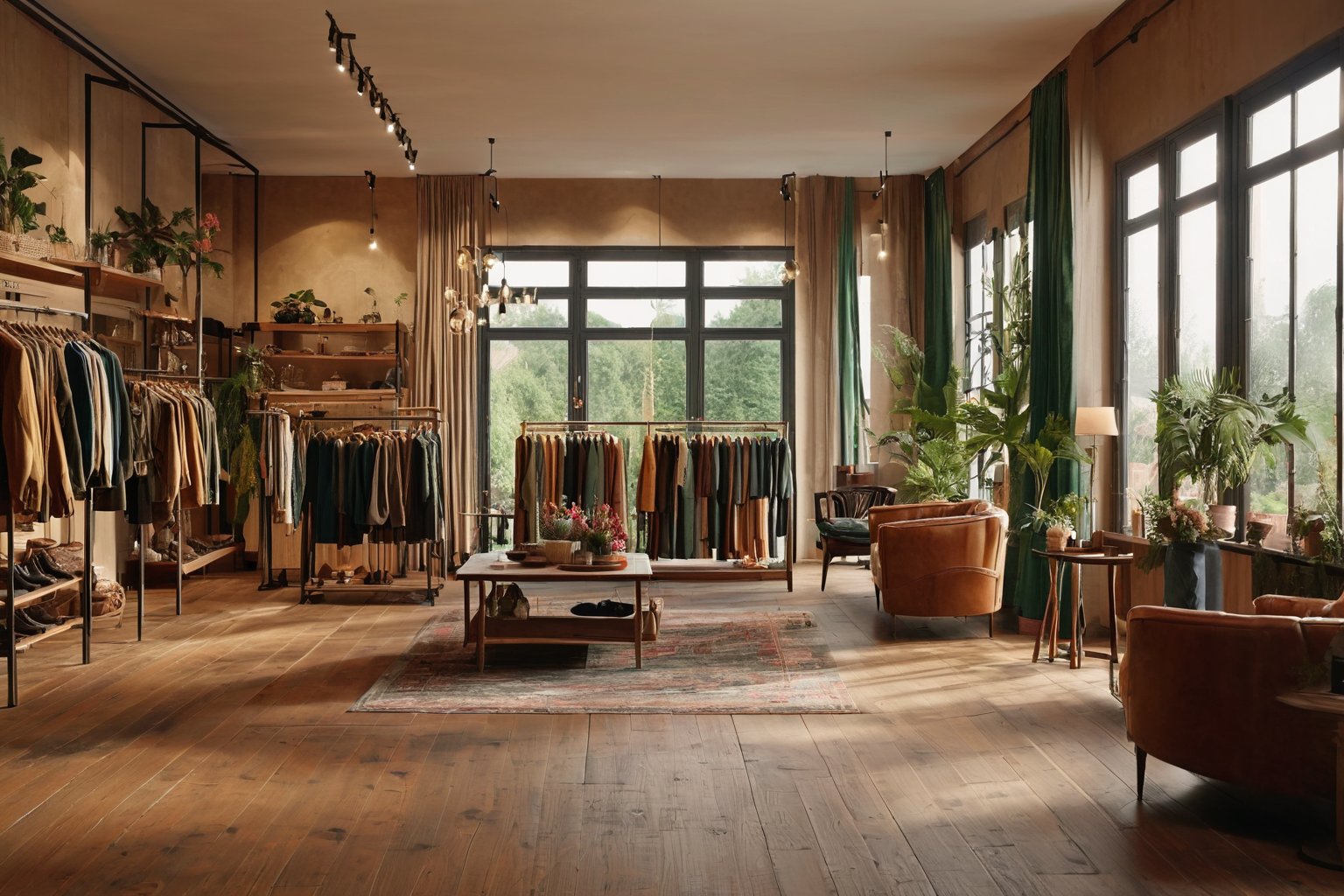
The first thing a Millennial notices when stepping into a boutique is the overall visual aesthetic. This generation has been shaped by Instagram grids and Pinterest boards, so they have a finely tuned eye for what looks “on brand.” A boutique targeting this group should avoid sterile, mass-produced displays in favor of curated arrangements that tell a story. Think mismatched vintage furniture paired with modern minimalist racks, and soft lighting that highlights texture rather than just brightness. The layout should encourage browsing, with enough space to move comfortably but not so much that items feel lost. By creating an environment that feels like a curated home rather than a retail warehouse, the boutique signals that it understands the Millennial desire for authenticity and personal expression.
Product placement within this aesthetic is equally important. Millennials are drawn to pieces that can be mixed and matched, allowing them to create multiple looks from a single purchase. Boutique owners should stock items that work well in layers, such as lightweight knits that pair easily with structured blazers or flowy skirts. Offering a range of price points within the same collection also appeals to this demographic, as many are navigating career building and family planning while still wanting to look stylish. When a customer can see themselves wearing the items in various settings, from a coffee shop to a weekend getaway, the likelihood of purchase increases significantly.
Sustainability and Ethical Production
Sustainability is no longer a niche concern for Millennials; it is a deciding factor in nearly every purchasing decision. This audience example highlights that Millennials are willing to pay a premium for garments that are made to last and made responsibly. Boutiques that can trace their supply chain, use organic or recycled materials, or partner with small-scale producers gain a significant edge. Transparency is key; a simple tag or window card explaining where a garment came from and who made it can be the difference between a sale and a missed opportunity. This generation values companies that walk the talk, so avoiding “greenwashing” is critical. Authentic sustainability efforts, such as offering repair services or take-back programs for old clothes, further cement the boutique’s reputation as a responsible choice.
Beyond the materials, the longevity of the clothing itself matters. Fast fashion is increasingly seen as disposable, and Millennials are actively seeking alternatives that reduce waste. Boutiques can capitalize on this by stocking timeless silhouettes rather than trend-driven items that will be out of style in a season. Classic cuts in high-quality fabrics not only last longer in the customer’s wardrobe but also align with the “buy less, buy better” philosophy that resonates strongly with this group. By positioning the boutique as a destination for durable, well-made pieces, owners tap into a deep-seated desire for conscious consumption without sacrificing style.
Digital Integration and Social Proof
While Millennials appreciate the tactile experience of physical shopping, their journey often begins online. A boutique’s digital presence must mirror the in-store experience, offering a cohesive brand narrative across social media and e-commerce platforms. High-quality photography, behind-the-scenes content, and customer testimonials serve as social proof that the boutique is legitimate and stylish. Instagram and TikTok are particularly effective for this demographic, as they prefer visual discovery over long product descriptions. Boutique owners should engage actively with their followers, responding to comments and featuring user-generated content, which creates a sense of community and belonging.
Moreover, the ease of online purchasing cannot be overlooked. Millennials expect seamless transitions from browsing on a phone to completing a purchase on a desktop or in-store. Integrating features like virtual try-ons, detailed size guides, and easy return policies reduces friction and builds trust. Email marketing also remains a powerful tool; personalized recommendations based on past purchases or browsing history show that the boutique pays attention to individual preferences. When a brand makes the customer feel seen and understood both online and off, loyalty follows naturally, turning one-time shoppers into advocates who recommend the boutique to their own networks.
Personalization and Customer Service
One of the most effective ways to target Millennials is through exceptional, personalized customer service. This generation values relationships over transactions, and they remember when a brand goes out of its way to make them feel special. Boutique staff should be knowledgeable not just about the fabrics and fits of the clothes, but also about the style stories of their regular customers. Remembering a customer’s name, their size preferences, or even their upcoming events creates a connection that big-box stores simply cannot match. This level of attention transforms a shopping trip into an experience, which is precisely what Millennials are seeking in an increasingly digital world.
Implementing simple tools like clienteling apps or even a well-maintained spreadsheet can help staff keep track of these details without feeling overwhelmed. Offering styling consultations, whether in-person or via video call, adds another layer of value. Millennials often struggle with “choice overload,” and having a expert guide them through the rack can make the difference between leaving with one item and leaving with a complete outfit. By positioning the boutique as a trusted style advisor rather than just a seller of clothes, owners foster long-term loyalty and encourage word-of-mouth referrals, which are gold for any small business targeting this demographic.
Community Engagement and Events
Millennials are more likely to support businesses that contribute to the communities they live in. Boutiques can leverage this by hosting events that align with the interests of their target audience, such as local artist showcases, sustainable living workshops, or styling parties. These events draw foot traffic and create buzz, but more importantly, they position the boutique as a community hub rather than just a retail space. Partnering with local non-profits or environmental groups for charity drives or pop-up markets demonstrates a commitment to causes Millennials care about. This strategy not only increases visibility but also builds a deeper emotional connection between the brand and its customers.
The frequency and type of events should be carefully curated to avoid feeling like a gimmick. A boutique might host a quarterly “wardrobe refresh” event where customers can bring in old pieces to swap or get advice on updating their current closet. Seasonal styling sessions led by a local fashion expert can also provide value while keeping the brand top-of-mind. By consistently offering something beyond the transaction, be it education, entertainment, or social impact, the boutique reinforces its role in the Millennial lifestyle. This approach ensures that when the time comes to update their wardrobe, the community thinks of the boutique as the natural first stop.
Price Positioning and Value Perception
Price sensitivity among Millennials is nuanced; they are often willing to spend more if they perceive genuine value, but they are equally quick to walk away if they feel they are being overcharged for mediocre quality. Boutiques must carefully calibrate their pricing to reflect the quality, craftsmanship, and story behind each piece. Transparent pricing, perhaps explained through a “cost per wear” calculation, helps Millennials justify the investment. Highlighting the durability of a garment, the uniqueness of the design, and the ethical practices involved in its creation shifts the conversation from “expensive” to “worth it.” This audience example shows that when price is framed as an investment in quality and conscience, it resonates far better than competing on low price alone.
Additionally, offering flexible payment options can remove barriers to purchase. Services like “buy now, pay later” are widely accepted and expected by this demographic, especially for higher-ticket items. However, the boutique should ensure that any financing options align with their brand values and don’t compromise the perceived quality of the products. Bundling items or offering loyalty discounts for repeat customers also enhances the feeling of getting a deal without discounting the brand’s integrity. Ultimately, the goal is to make the Millennial shopper feel that they are getting a superior product that aligns with their values, making the price point a reflection of quality rather than a hurdle to overcome.

I’ve always loved curating unique looks and exploring how personal style can tell a story. Working as a freelance fashion enthusiast, I enjoy discovering emerging designers and sharing practical tips for building a timeless wardrobe.