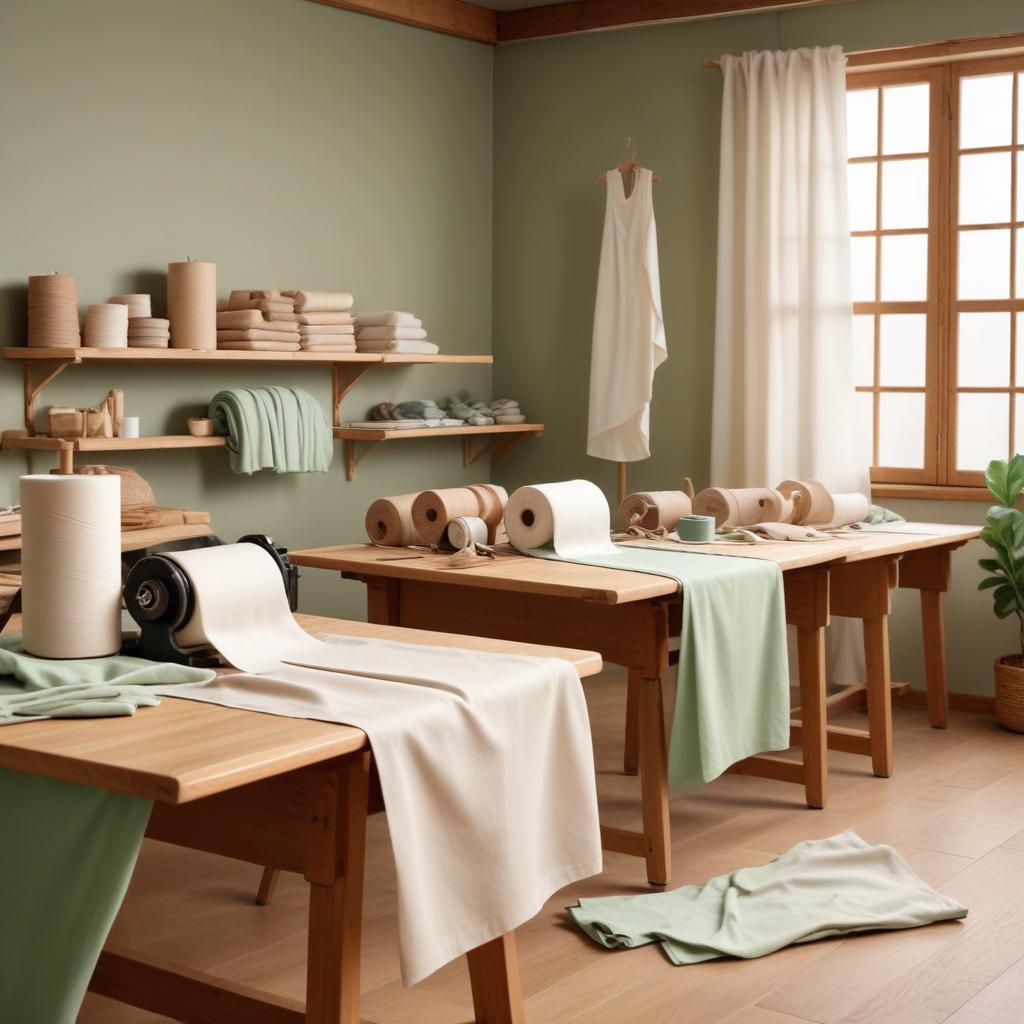
Introduction to Sustainable Fashion
Sustainable fashion refers to a movement and process of fostering change to fashion products and the fashion system towards greater ecological integrity and social justice. It is about producing green clothing that minimizes environmental impact, supports fair labor practices, and promotes ethical fashion choices throughout the supply chain. Sustainable fashion challenges the traditional fast fashion model characterized by overproduction, waste, and exploitation, offering a more responsible alternative.
Green clothing represents garments crafted from eco-friendly materials such as organic cotton, bamboo, hemp, and recycled fabrics, designed to reduce carbon footprints and conserve water usage. This approach highlights the importance of transparency and sustainability in the manufacturing process, encouraging brands and consumers to think critically about their impact on the planet. Choosing green clothing helps reduce pollution, prevents textile waste, and conserves natural resources for future generations.
Eco-friendly fashion is essential in the modern world as the fashion industry is one of the largest contributors to global environmental challenges, including water contamination, greenhouse gas emissions, and landfill waste. By adopting eco-friendly practices, such as using renewable energy, reducing chemical usage, and improving recycling methods, the industry can significantly diminish its harmful effects. Consumers are becoming more aware of these issues, driving demand for sustainable alternatives that combine style with responsibility.
Ethical fashion is an integral part of sustainability, emphasizing fair wages, safe working conditions, and respect for human rights across the production chain. It ensures that those who make our clothes are treated with dignity and paid fairly, addressing the social injustices often hidden behind low-cost fast fashion. Ethical fashion and sustainable fashion together aim to create a holistic approach that supports environmental health and social equity.
In conclusion, sustainable fashion is crucial today as it promotes mindful consumption and production patterns that protect our environment and support ethical practices. By embracing sustainable fashion, consumers contribute to reducing the negative impacts of the fashion industry, encouraging innovation and responsibility that benefit both people and the planet.
Definition and Principles
Sustainable fashion is defined by its commitment to environmental stewardship and social responsibility throughout the entire lifecycle of clothing production. At its core, the principles of sustainable fashion encompass using resources efficiently, minimizing waste, and reducing carbon footprints to protect our planet. This approach prioritizes eco-friendly materials, ethical labor practices, and the reduction of harmful chemicals and water consumption in manufacturing processes.
The sustainability basics in fashion emphasize transparency in supply chains and fairness in working conditions to uphold fashion ethics. Brands and consumers alike are encouraged to respect human rights, promote fair wages, and avoid exploitative labor, ensuring that workers benefit from safe environments and equitable treatment. Additionally, sustainable fashion advocates for durability over fast fashion trends, encouraging garments that last longer and reduce the frequency of disposal and replacement.
In essence, the definition and principles of sustainable fashion merge environmental considerations with social ethics to create a holistic framework. This framework aims to transform the fashion industry into a more responsible and conscientious sector that values the wellbeing of people and the planet, championing practices that support long-term ecological balance while fostering ethical treatment throughout the supply chain.
Importance of Sustainable Fashion
Sustainable fashion plays a crucial role in addressing the growing environmental impact caused by the traditional fashion industry. It emphasizes reducing waste, minimizing pollution, and conserving natural resources, which are often heavily strained by conventional manufacturing processes. By adopting sustainable practices, the industry can significantly lessen its carbon footprint and help protect ecosystems from harmful chemicals and excessive water use. Beyond environmental benefits, sustainable fashion raises consumer awareness about the origins and ethics behind their clothing choices. This heightened awareness encourages individuals to support brands that prioritize fair labor conditions and environmentally friendly materials, promoting ethical practices throughout the supply chain. Moreover, the importance of sustainable fashion extends to long-term economic and social benefits, fostering a market shift towards more responsible consumption. Consumers become active participants in driving change by valuing quality, durability, and transparency over fast, disposable trends. In summary, sustainable fashion is vital for reducing environmental harm and advancing ethical standards, serving as a foundation for a healthier planet and a more equitable industry. The sustainable benefits it offers empower both producers and consumers to contribute positively to global sustainability goals while enjoying fashion that respects both people and the planet.
Key Elements of Sustainable Fashion
Sustainable fashion revolves around several main elements that collectively contribute to reducing the environmental and social impact of the fashion industry. One of the most critical factors is the choice of materials. Sustainable fashion prioritizes the use of eco-friendly materials such as organic cotton, hemp, bamboo, recycled fibers, and other biodegradable or renewable resources that minimize harm to the planet. These materials are often sourced responsibly to reduce water consumption, land degradation, and chemical use, making them a foundational element in creating sustainable garments.
Another essential component is the production methods employed in fashion manufacturing. Sustainable fashion encourages cleaner production techniques that limit pollution, reduce waste, and lower carbon emissions. This includes adopting energy-efficient technologies, minimizing water usage, and implementing processes that reduce harmful chemical discharge. Additionally, manufacturers focus on quality over quantity to make garments that last longer, further aligning with sustainability goals by reducing the frequency of replacement and waste generation.
Fair labor practices are also fundamental to sustainable fashion. Ethical production mandates that workers are treated with dignity, paid fair wages, and work in safe conditions. Many sustainable brands are transparent about their supply chains and uphold labor standards that oppose exploitation and child labor. Supporting fair labor practices ensures that fashion supports social sustainability alongside environmental goals and respects human rights within the industry.
Circular fashion is a transformative concept that plays a crucial role in sustainability. It emphasizes designing products and manufacturing systems in ways that enable garments to be reused, repaired, recycled, or repurposed at the end of their lifecycle rather than discarded. This shift to a circular economy model helps reduce landfill waste and the demand for raw materials, closing the loop in fashion consumption and production. Consumers are encouraged to participate by choosing sustainable brands, caring for their clothes, and supporting second-hand or upcycled fashion.
In summary, sustainable fashion is built upon these key elements: responsible materials, eco-friendly production methods, fair labor practices, and circular fashion principles. Together, they foster an industry that values long-term environmental health and social equity, providing a blueprint for mindful fashion production and consumption.
Sustainable Materials
Sustainable fashion relies heavily on the use of eco-friendly materials that minimize harm to the environment. Among the most popular choices is organic cotton, which is grown without synthetic pesticides and fertilizers. This cultivation method preserves soil health, reduces water consumption, and produces a softer, chemical-free fabric. Another key category includes recycled fabrics, which repurpose existing textiles or plastic waste, reducing landfill contributions and the demand for virgin resources. These fabrics help to close the loop in the fashion industry by promoting circularity.
Natural fibers also play a significant role in sustainable textiles. Materials like hemp, linen, and wool are biodegradable, renewable, and generally require fewer chemicals during production compared to conventional fibers. These fibers maintain their quality and durability while supporting biodiversity and reducing pollution. Additionally, low impact textiles—which encompass a broad range of fabrics crafted with environmentally conscious processes—prioritize resource efficiency, minimal chemical use, and lower carbon emissions.
By integrating organic cotton, recycled fabrics, natural fibers, and low impact textiles, sustainable fashion not only offers environmental benefits but also encourages mindful consumption. These materials collectively contribute to reducing the industry’s carbon footprint, conserving water, and protecting ecosystems, making them essential components for a greener future in fashion.
Ethical Production Practices
Ethical production practices are fundamental to fostering a fashion industry that respects human rights and promotes sustainable development. Central to these practices is the commitment to fair labor, ensuring that workers involved in garment production receive fair wages that reflect the value of their work. This not only supports a decent standard of living but also helps break the cycle of poverty that often plagues the fashion supply chain.
Equally important is the establishment of ethical factories where safe and healthy working conditions are guaranteed. This includes adequate safety measures, reasonable working hours, and access to necessary facilities. When factories prioritize worker well-being, it creates a more positive and productive environment that benefits everyone involved.
Transparent supply chains play a critical role in upholding ethical standards. By making supply chain information accessible and traceable, brands can be held accountable for their labor practices. Transparency not only builds consumer trust but also encourages companies to maintain fair labor conditions by constantly monitoring their production processes.
In summary, ethical production practices that include fair wages, safe working conditions, and transparent supply chains are essential for a sustainable fashion industry. These principles ensure that the people behind our clothes are treated with dignity and respect, which is just as important as the garments themselves.
Circular and Slow Fashion
Circular fashion and slow fashion are transformative concepts that aim to reduce waste and significantly extend the life of garments. Circular fashion revolves around creating a closed-loop system where clothing is designed, produced, and reused with minimal environmental impact. Instead of following a traditional linear model of production, use, and disposal, circular fashion promotes repair, resale, and recycling, effectively reducing waste and conserving resources.
Slow fashion complements this by encouraging consumers and brands to prioritize quality over quantity, opting for timeless pieces that last longer rather than fast, disposable trends. This approach not only minimizes the environmental footprint but also supports ethical labor practices and a more thoughtful approach to consumption.
One popular practice within these movements is upcycling—transforming old or discarded textiles into new, valuable garments or accessories. Upcycling helps reduce waste by giving new life to materials that otherwise might end up in landfills. Together, circular and slow fashion initiatives challenge the throwaway culture and inspire more sustainable wardrobe choices that benefit both people and the planet.
How Consumers Can Support Sustainable Fashion
Consumers play a crucial role in promoting sustainable fashion by making conscious and informed choices. One of the most effective ways to support sustainability is by adjusting your buying habits. Prioritize purchasing from sustainable brands that emphasize ethical production, use eco-friendly materials, and maintain transparency about their processes. Researching brands before buying ensures your money supports companies committed to reducing fashion’s environmental impact.
Another key tip is to adopt a mindful approach to fashion consumption. Instead of frequently buying fast fashion items, consider investing in timeless pieces that offer quality and durability. By choosing garments designed to last, you reduce waste and the demand for mass production. Additionally, try to buy secondhand or vintage clothing when possible, which extends the life of garments and keeps textiles out of landfills.
Consumers should also focus on repairing and repurposing existing clothing to minimize unnecessary purchases. Learning basic sewing skills to mend clothes can extend their usability significantly. When cleaning clothes, opt for gentle washing methods to preserve fabric integrity and avoid microfiber pollution, which contributes to environmental harm.
Supporting sustainable fashion also means being critical of trends and resisting the pressure to constantly update your wardrobe. Instead, cultivate a personal style that reflects your values and preferences. This conscious approach to fashion choices lessens the demand for rapid trend turnover, reducing waste and encouraging industry shifts towards sustainability.
Finally, spread awareness about sustainable brands and responsible fashion habits among your community. Sharing information and encouraging others to adopt similar strategies amplifies the impact. By collectively changing consumer behavior, the fashion industry will feel a stronger push to innovate and prioritize sustainability.
Choosing Sustainable Brands
When it comes to choosing sustainable brands, it is essential to look beyond the surface and understand the core values of each company. Sustainable brands are those that prioritize environmentally friendly practices and ethical production methods. A key factor to consider is brand transparency — ethical brands openly share information about their sourcing, manufacturing processes, and labor conditions. This openness helps consumers make informed decisions about where their money is going.
Supporting eco-conscious companies means seeking out those committed to reducing their environmental impact through sustainable materials, low-waste processes, and fair labor practices. Look for certifications or third-party verifications that authenticate their sustainability claims. Additionally, many ethical brands engage in community support or contribute to social causes, which reflects their commitment beyond just profits.
Researching a brand’s history, reading customer reviews, and following their social media channels can also provide insight into their commitment to sustainability. By choosing to support these responsible brands, consumers drive demand for more ethical and sustainable production in the fashion industry, encouraging positive change and promoting greater accountability among companies worldwide.
Practical Buying and Care Tips
When it comes to sustainable fashion, the mantra “buy less” is essential. Instead of frequently purchasing cheap, fast fashion items, focus on acquiring fewer pieces of higher quality. Quality over quantity not only reduces waste but also ensures that your clothes last longer, making a better investment for both your wardrobe and the environment. Choosing timeless styles and durable fabrics can help you build a versatile and lasting collection of clothing.
Taking care of your clothes properly is equally important. Regular clothing care, such as following washing instructions, using gentle detergents, and avoiding over-washing, can greatly extend the life of your garments. Simple steps like air drying instead of using a dryer and storing clothes in a cool, dry place protect fabric integrity and maintain their appearance over time.
Additionally, learning to repair clothes rather than discarding them is a valuable practice. Small fixes such as sewing buttons, patching holes, or mending seams can keep your favorite pieces wearable and out of landfill. By embracing these practical buying and care tips, you contribute to a more sustainable wardrobe that prioritizes longevity and responsible consumption.

I’ve always loved curating unique looks and exploring how personal style can tell a story. Working as a freelance fashion enthusiast, I enjoy discovering emerging designers and sharing practical tips for building a timeless wardrobe.