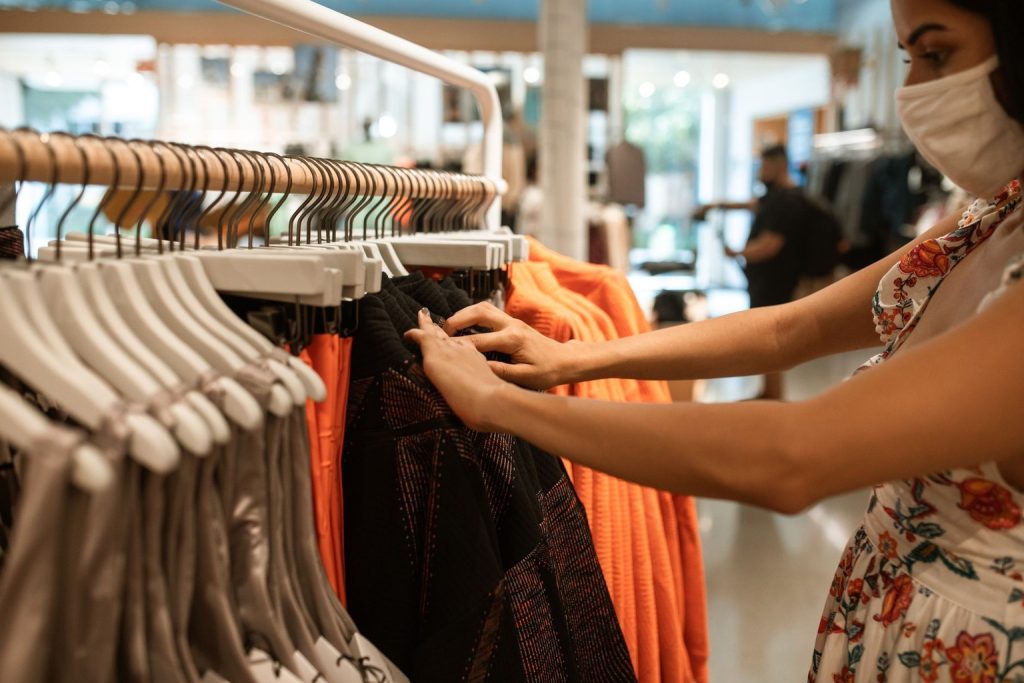
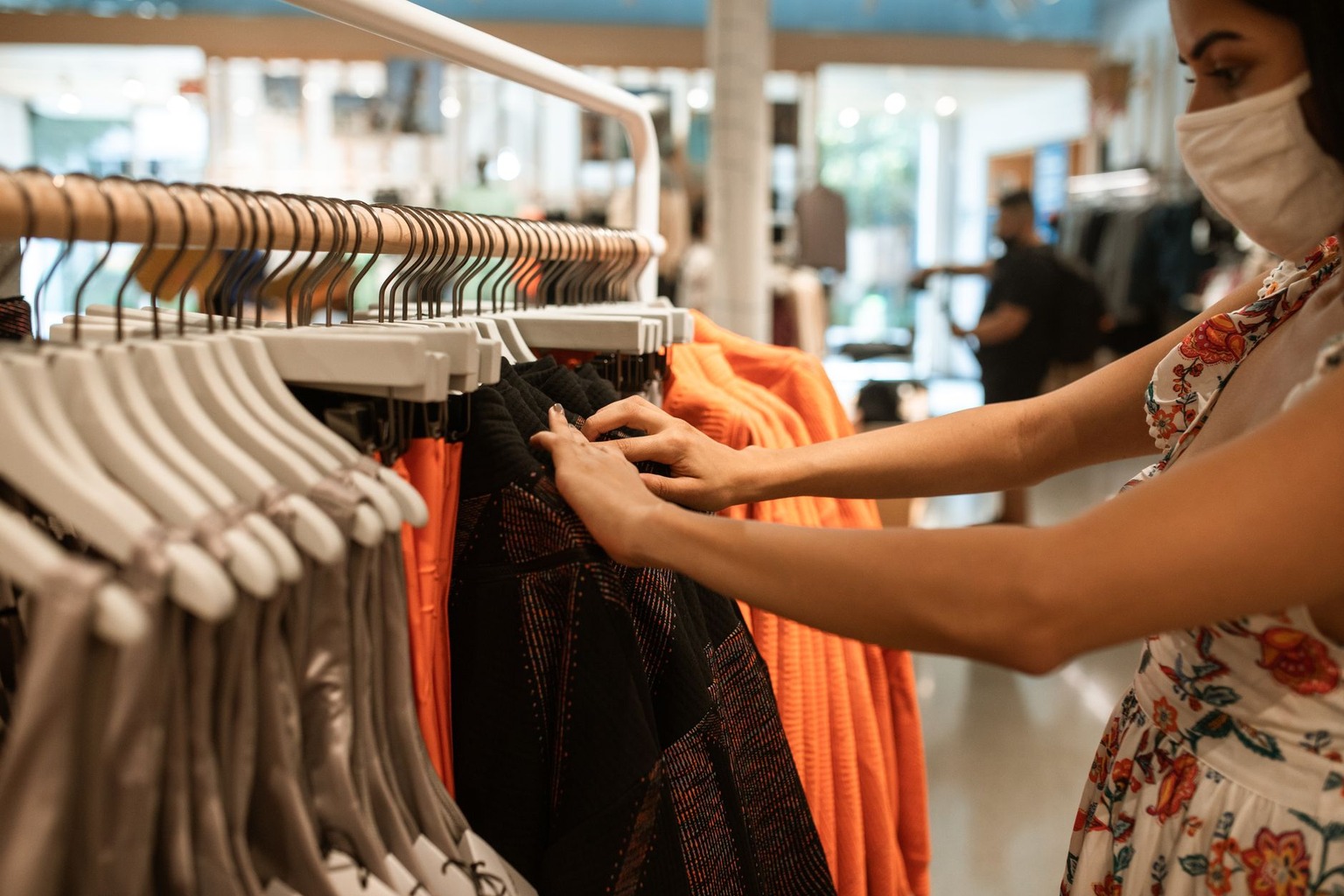
The modern boutique apparel shopper no longer accepts a one-size-fits-all approach when selecting garments. In the current retail climate, the act of curating personalized apparel has shifted from a luxury add-on to a fundamental expectation. This transformation is driven by a deeper understanding of audience needs, which now encompass everything from fit precision to style alignment with personal identity. When a boutique can accurately interpret these needs, the shopping experience transforms from a transaction into a meaningful connection, fostering loyalty that generic rack shopping simply cannot achieve. The ability to discern what a specific customer values, be it sustainable fabrics, unique silhouettes, or cultural references, is what separates thriving independent shops from those that struggle to retain a dedicated clientele.
Data-Driven Insight Into Consumer Preferences
Analyzing audience needs begins with recognizing that data is the backbone of any successful personalization strategy. Boutiques that rely solely on intuition often miss the mark, whereas those leveraging purchase history and engagement metrics can predict future choices with startling accuracy. For instance, tracking which colors a customer gravitates toward or which styles receive the most “likes” provides a roadmap for future curation. This data-driven approach allows a shop owner to stock items that align with the actual desires of their community, reducing waste and increasing the likelihood of purchase. Moreover, understanding the demographic nuances of the local audience, such as age brackets or lifestyle occupations, enables the boutique to tailor its inventory selection to match the specific rhythm of daily life.
However, data alone does not tell the whole story; it must be interpreted through the lens of human behavior. A spike in searches for a particular silhouette might indicate a trend, but it could also signal a specific event or seasonality that requires a nuanced response. Expert curators look beyond the numbers to understand the “why” behind the “what.” They consider the context of the purchase: is the customer seeking work-appropriate attire, weekend leisure wear, or something for a special occasion? By bridging the gap between cold statistics and the lived experiences of their audience, boutique owners can create a curated collection that feels both relevant and deeply personal, ensuring that every rack visit feels like a discovery rather than a gamble.
The Role of Fit and Body Positivity in Curation
One of the most pressing audience needs within the boutique apparel sector is the demand for impeccable fit and inclusive sizing. The era of standardized sizing is fading, replaced by a consumer base that expects garments to accommodate diverse body types without compromising on style. When a boutique curates pieces that offer a range of fits, from relaxed and flowy to structured and tailored, it sends a powerful message of acceptance and respect. This approach not only expands the potential customer pool but also builds a reputation as a brand that truly sees its audience. Fit is rarely just about the numbers on a label; it is about how a garment makes the wearer feel, and that emotional response is a critical driver of repeat business.
Furthermore, the modern consumer is increasingly vocal about the need for transparency regarding how items will fit their specific shape. This has led boutiques to adopt more detailed fitting guides, virtual consultation tools, and even user-generated content showcasing how different bodies look in the same piece. By providing these resources, shops empower their audience to make informed decisions, reducing the anxiety often associated with online or in-person shopping. The result is a higher conversion rate and fewer returns, as the customer feels supported throughout the process. In essence, addressing fit needs is not just a logistical improvement; it is a statement of values that resonates deeply with an audience seeking validation and style.
Emotional Connection and Storytelling Through Style
Beyond the tangible aspects of fabric and fit, there is a profound need for emotional connection that drives the curation of personalized boutique apparel. Customers are no longer satisfied with simply buying a shirt or a dress; they want to buy into a story. A boutique that can articulate the inspiration behind a collection, the artisan who wove the fabric, the historical period that inspired the cut, or the cultural motif embedded in a pattern, provides a rich context that elevates the garment from object to artifact. This narrative approach taps into the audience’s desire for authenticity and meaning in a mass-produced world. When a shopper feels that a piece reflects their own tastes or aspirations, the purchase becomes an act of self-expression.
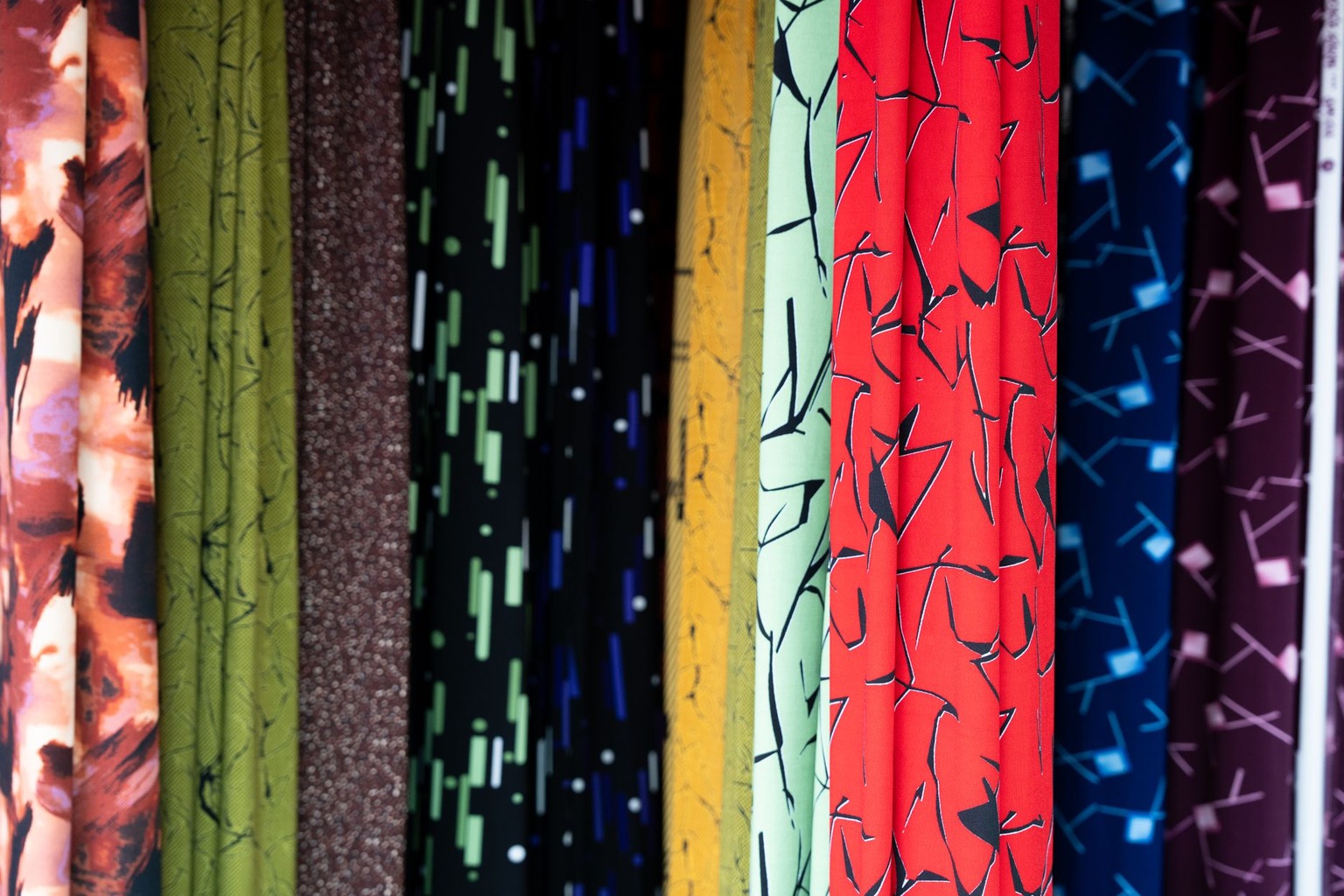
Storytelling also serves as a powerful tool for differentiation in a crowded market. Many boutiques carry similar styles, but the ones that win are those that can weave a compelling narrative around their selections. Whether it is highlighting the sustainable journey of a garment or the local craftsmanship involved in its creation, these stories create a bond between the brand and the buyer. This connection fosters a sense of community, where customers feel they are part of something larger than a simple retail exchange. By prioritizing the stories behind the clothes, boutiques can transform the act of dressing into a ritual of identity and belonging, which is a core component of modern audience needs.
The Balance Between Trend and Timelessness
Navigating the fine line between what is currently trendy and what possesses lasting appeal is a central challenge in curating personalized apparel. Audience needs often pull in two directions: the desire to stay fashion-forward and the need for pieces that will not look dated in a year’s time. A skilled boutique curator must possess the intuition to blend these two worlds, offering items that feel current yet enduring. This might mean stocking a statement piece that captures the season’s hottest color, but pairing it with classic basics that provide a stable foundation. The goal is to ensure that the audience feels they are getting something fresh and exciting, without sacrificing the practicality of a wardrobe that stands the test of time.
This balancing act requires a deep understanding of the specific audience’s relationship with fashion. For some, being on the cutting edge is paramount; for others, comfort and classic cut are the ultimate priorities. A boutique that can read these signals can curate a mix that feels intentional rather than haphazard. For example, introducing a trendy accessory alongside staple items allows customers to experiment with new looks without a complete overhaul of their closet. This strategic curation respects the audience’s desire for variety and novelty while acknowledging the practical constraints of a functional wardrobe, ultimately leading to higher customer satisfaction and reduced decision fatigue.
Sustainability as a Core Audience Driver
Sustainability has moved from a niche concern to a primary driver of audience needs in the fashion industry. Today’s conscious consumer seeks out boutiques that demonstrate a commitment to ethical production, eco-friendly materials, and transparent supply chains. When a boutique curates personalized apparel with sustainability in mind, it aligns itself with the values of a growing demographic that refuses to separate style from ethics. This involves more than just stocking a “green” collection; it requires a holistic approach where the origin of every thread is traceable and the labor practices are fair. For the modern shopper, the knowledge that their purchase supports a healthier planet adds a layer of satisfaction to the aesthetic appeal of the garment.

Moreover, the demand for sustainability influences the very nature of personalization. Customers are increasingly interested in “slow fashion” approaches, where a fewer number of higher-quality, timeless pieces are chosen over fast fashion turnover. Boutiques that curate with this in mind often focus on quality over quantity, offering made-to-order items or limited runs that reduce overproduction. This approach not only meets the environmental audience need but also creates a sense of exclusivity and uniqueness. When a customer owns a piece that was crafted specifically for them and produced responsibly, the value of the garment is exponentially increased, fostering a deep sense of loyalty and trust between the consumer and the boutique.
The Impact of Digital Integration on Personalization
The rise of digital technology has fundamentally altered how boutiques understand and meet audience needs. From sophisticated e-commerce platforms that remember a user’s size and style preferences to augmented reality fitting rooms, technology serves as a bridge between the physical and digital shopping experience. A boutique that integrates these tools effectively can offer a level of personalization that was previously impossible at a small scale. For instance, a customer might receive online recommendations based on previous in-store purchases, creating a seamless journey that feels cohesive regardless of where they interact with the brand. This digital integration respects the audience’s time and convenience, acknowledging that the modern shopper navigates multiple touchpoints before making a purchase.
However, the integration of technology must be handled with care to avoid overwhelming the audience. The goal is to enhance the human element of curation, not replace it. Expert boutiques use technology as a backend support system while maintaining a high-touch, personal approach in their interactions. A simple follow-up email that references a specific item a customer looked at, or a text message notifying them of a new arrival in a style they love, can be more effective than a complex, automated algorithm that feels impersonal. The most successful boutiques strike a balance where technology handles the data-heavy lifting, allowing the staff to focus on the relational aspects of curation, ensuring that the audience feels known and valued rather than processed.

I’ve always loved curating unique looks and exploring how personal style can tell a story. Working as a freelance fashion enthusiast, I enjoy discovering emerging designers and sharing practical tips for building a timeless wardrobe.