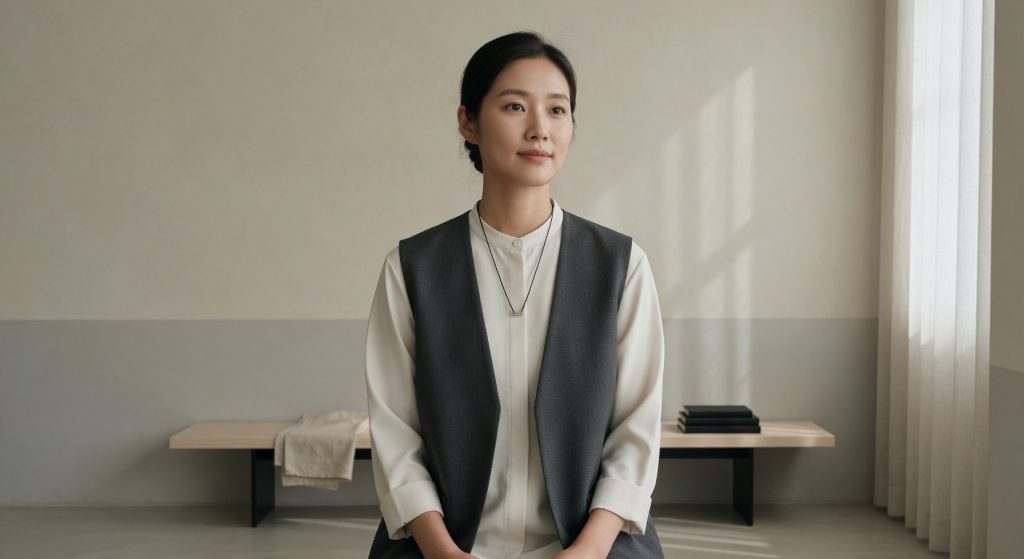
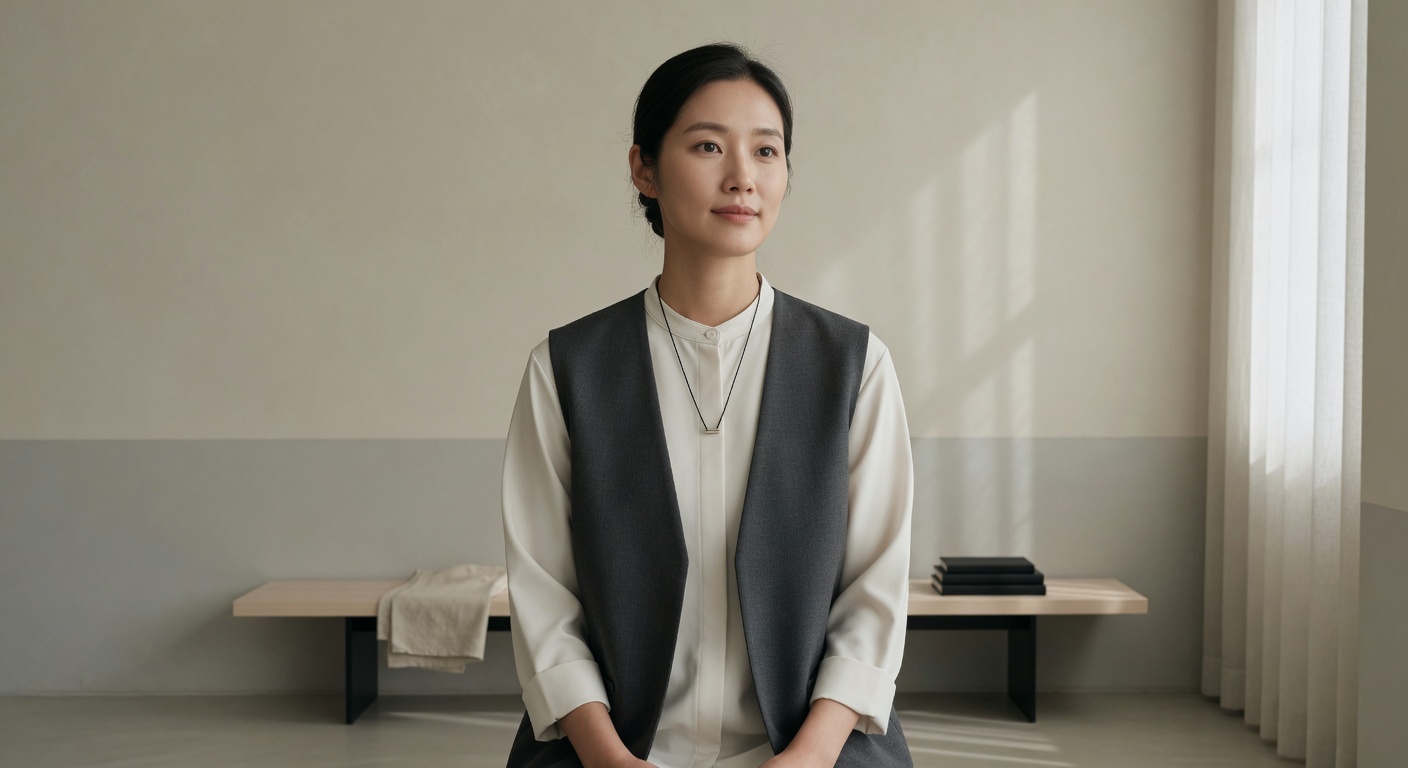
Understanding Minimalist Fashion Style
- Simplicity: The essence of minimalist fashion lies in its commitment to simplicity. Minimalism clothing emphasizes fewer pieces that are versatile and timeless rather than overly decorative or trendy. This approach helps to create a clean, uncluttered look that focuses on quality over quantity. By removing unnecessary elements, the style basics shine through, allowing each garment’s design to be appreciated for its pure form and function.
- Functionality: Minimalist fashion is grounded in the idea that clothing should serve a practical purpose while still looking aesthetically pleasing. This philosophy encourages choosing pieces that are comfortable, durable, and easy to mix and match. Minimalism clothing prioritizes functionality, ensuring that each item supports an effortless and organized wardrobe where every piece can be worn multiple ways throughout different occasions.
- Clean Design: One of the core principles of minimalist fashion is a clean design aesthetic. This means garments often feature neutral colors, simple lines, and smooth textures without excessive patterns or embellishments. Clean design helps achieve a sleek, polished appearance that aligns with the understated yet sophisticated vibe of minimalist fashion. The style basics here focus on balance and harmony, creating an elegant look that never feels overwhelming or distracting.
- Philosophy Behind Minimalism Fashion: Minimalism as a fashion philosophy goes beyond appearance. It reflects a lifestyle choice valuing mindful consumption and environmental consciousness. By investing in fewer but higher-quality pieces, minimalist fashion advocates for sustainability and personal expression over fast fashion trends. Understanding this philosophy provides insight into why simplicity, functionality, and clean design are the foundational pillars of minimalist fashion style.
- Creating a Timeless Wardrobe: Following minimalist style basics allows individuals to build a timeless wardrobe that transcends seasonal fads. It encourages investing in classic staples such as well-fitted trousers, simple tees, tailored jackets, and elegant shoes. These essentials can be paired effortlessly, reducing decision fatigue and supporting a consistently chic look that aligns with the minimalist fashion ethos.
History and Evolution of Minimalist Fashion
- Minimalist fashion history originates in the 1960s as a reaction to the extravagant and elaborate styles of previous decades, emphasizing simplicity and clean lines.
- The movement gained traction in the 1970s and 1980s with designers like Calvin Klein and Jil Sander, who championed neutral color palettes and understated elegance.
- Minimalist fashion style evolution continued through the 1990s, characterized by the rise of monochromatic outfits and the use of high-quality fabrics to create timeless pieces.
- The 2000s saw minimalist trends merge with contemporary culture, influencing streetwear and everyday clothing with a focus on functional and versatile designs.
- Key fashion trends in minimalist fashion include the emphasis on silhouette over ornamentation and the preference for subtle detailing rather than bold prints or logos.
- Contemporary minimalist designers like Phoebe Philo and The Row have further refined the style by blending modern aesthetics with classic simplicity, making it a dominant force in fashion today.
- The minimalist fashion history reflects a broader cultural shift towards sustainability and mindful consumption, encouraging fewer but better-made garments.
- Overall, style evolution in minimalist fashion highlights a move from overt displays of wealth to a quieter, more thoughtful approach to personal style.
Key Characteristics of Minimalist Clothing
Minimalist clothing features a distinct elegance rooted in simplicity and functionality. The fashion characteristics of minimalist style emphasize a clean and uncluttered look that easily transcends trends while maintaining enduring appeal. Here are the fundamental elements that define minimalist clothing:
- Neutral Colors: Minimalist clothing primarily embraces a palette of neutral colors such as black, white, beige, gray, and navy. These colors create a versatile foundation that allows easy coordination and layering.
- High-Quality Materials: Choosing quality over quantity is essential in minimalist fashion. Fabrics like cotton, wool, linen, and silk are favored for their durability, comfort, and timelessness.
- Simple Design: The design of minimalist garments avoids unnecessary embellishments, patterns, or excessive details. Instead, it focuses on clean lines, subtle shapes, and classic cuts.
- Timeless Silhouettes: The silhouettes are typically streamlined and structured to create a flattering fit that lasts beyond seasonal fluctuations. Think tailored trousers, plain tees, crisp shirts, and uncomplicated dresses.
- Functionality: Every piece serves a purpose, ensuring that minimalist clothing remains practical yet stylish for everyday wear.
By combining these features, minimalist clothing offers a sophisticated wardrobe foundation that encourages intentional dressing and lasting style.
How to Adopt a Minimalist Fashion Style
- Start with a clear decluttering process: Begin by evaluating your current wardrobe and removing items that no longer fit, suit your style, or serve a purpose. This helps simplify fashion by eliminating excess and making space for versatile pieces.
- Choose quality over quantity: Invest in high-quality, timeless pieces that will last longer and remain stylish. This reduces the need for frequent replacements, encouraging a sustainable minimalist wardrobe.
- Focus on versatile basics: Select items that can be mixed and matched effortlessly, such as neutral tops, tailored trousers, classic denim, and simple dresses. Versatile pieces form the foundation of an adaptable minimalist wardrobe.
- Limit your color palette: Stick to a few complementary colors that suit your lifestyle and skin tone. A reduced color palette makes it easier to combine items and streamline your outfit choices daily.
- Adopt minimalist wardrobe tips for layering: Layering simple pieces allows you to create varied looks from a limited number of items, adding depth without crowding your closet.
- Create a capsule wardrobe: Build a small, purposeful collection of essential garments that reflect your personal style and cover all occasions. This approach further helps to adopt minimalist style by avoiding unnecessary purchases.
- Regularly review and refresh: Periodically assess your wardrobe to ensure every piece still meets your needs, contributes to your style, and fits well. Remove or replace items to maintain a clutter-free, functional closet.
- Be mindful of new purchases: Before buying new clothing, consider its versatility, quality, and compatibility with your existing wardrobe. This habit prevents impulse buying and supports your minimalist fashion goals.
Essential Minimalist Wardrobe Pieces
Building a minimalist wardrobe means focusing on essential clothing pieces that form a versatile and timeless capsule wardrobe. These carefully selected items ensure you have a streamlined wardrobe that works for every occasion and season.
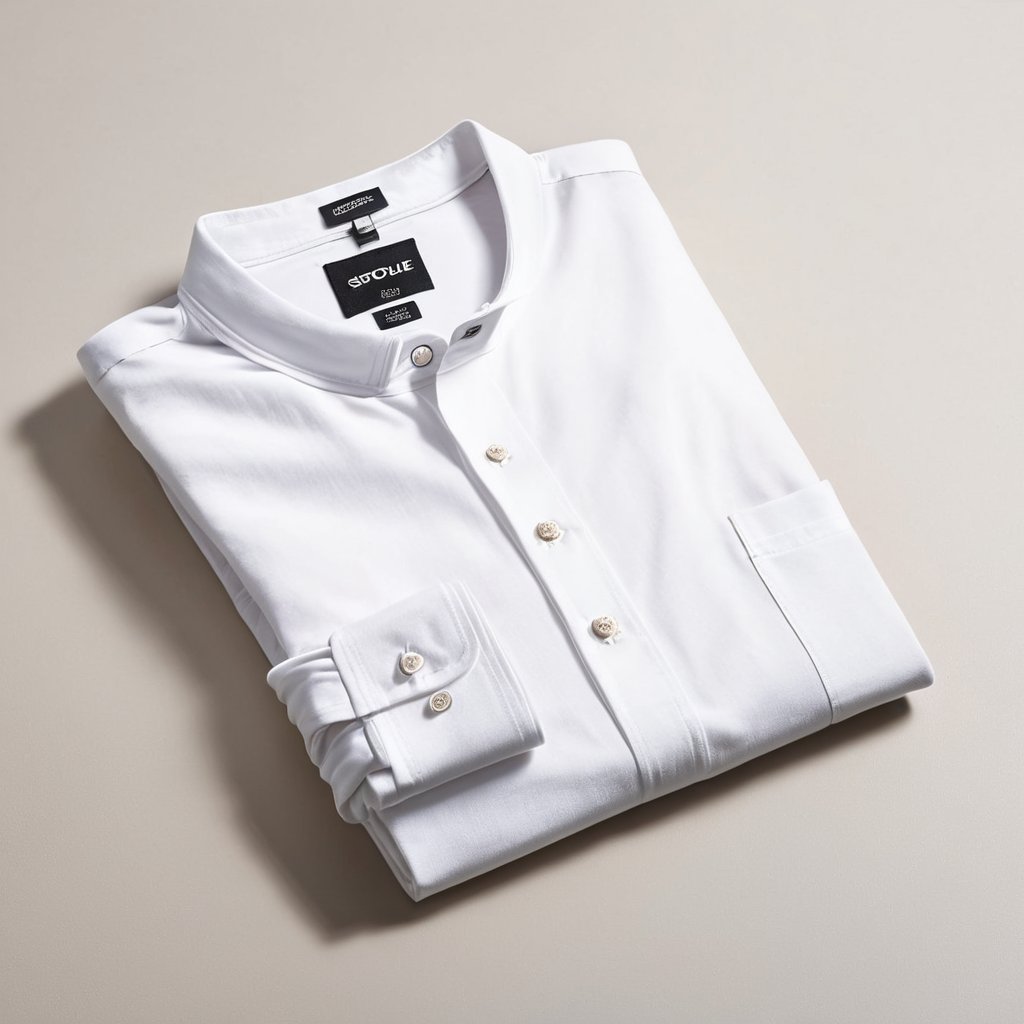
- White Button-Down Shirt: A classic white shirt is a cornerstone of any minimalist wardrobe. It pairs effortlessly with jeans, skirts, or trousers and can be dressed up or down.
- Black Tailored Blazer: This versatile piece elevates any outfit, making it perfect for both professional settings and casual outings.
- Neutral T-Shirts: Soft, high-quality tees in neutral tones like white, grey, and beige form the basic layering pieces of your capsule wardrobe.
- Well-Fitting Jeans: Opt for a pair of classic jeans that fit well and flatter your body shape. Dark wash or black jeans are particularly adaptable.
- Sleek Black Pants: Slim or straight-leg trousers in black or navy provide comfort and sophistication for work or social events.
- Simple Knit Sweater: A lightweight sweater in a neutral shade is essential for layering and adds warmth without bulk.
- Minimalist Dress: Choose a simple, flattering dress in a solid color that can be styled up or down with accessories.
- Classic Coat: A timeless coat in a neutral color like camel, black, or grey completes your minimalist wardrobe, offering both function and style.
By investing in these essential clothing pieces, you create a minimalist wardrobe that is both practical and stylish, making your daily dressing effortless and intentional.
Styling Tips for Minimalist Outfits
Achieving the perfect minimalist styling involves thoughtful techniques that bring balance and sophistication to simple fashion looks. Here are some essential tips to help you create effortless and chic minimalist outfits.
- Layering: Build depth and interest by layering pieces of different textures and weights. Combine a sleek turtleneck under a structured blazer or a fine knit sweater over a fitted shirt. Keep the layers coordinated in neutral or complementary tones for a clean, seamless look.
- Subtle Accessories: Opt for understated accessories that enhance rather than overwhelm. Choose delicate jewelry, such as thin gold chains or minimalist stud earrings, and pair them with a simple leather watch or a classic belt. These details add personality to your outfit without disrupting its simplicity.
- Color Coordination: Stick to a restrained color palette, focusing on neutrals like white, black, beige, and gray. Carefully coordinate your outfit pieces to ensure harmony and avoid clashing colors. Monochromatic outfits or variations of the same color can create a visually calming effect that epitomizes minimalist styling.
- Quality over Quantity: Prioritize well-made fabrics and timeless cuts that maintain their elegance over time. Investing in quality staple pieces allows for numerous simple fashion looks that always appear polished and intentional.
- Focus on Fit: Ensure every clothing item fits perfectly to maintain a streamlined silhouette. Tailoring when necessary can elevate basic garments into refined minimalist statements.
Benefits of Embracing Minimalist Fashion
- Sustainable Fashion: One of the most significant minimalist fashion benefits is its positive impact on the environment. By focusing on fewer, high-quality pieces rather than fast fashion trends, minimalist style helps reduce waste and lowers the carbon footprint associated with clothing production. Choosing timeless garments made from sustainable materials promotes a more eco-friendly wardrobe that lasts longer and reduces the need for constant replacement.
- Cost Savings: Embracing minimalist fashion can lead to substantial financial benefits. Since the emphasis is on purchasing versatile, quality clothing instead of many cheap items, you end up spending less over time. Investing in a capsule wardrobe eliminates the need for frequent shopping sprees, allowing you to save money while still looking stylish. Cost-effectiveness is a core advantage of minimalist style, making fashion more affordable and accessible.
- Ease of Dressing: Minimalist fashion simplifies daily wardrobe decisions. With a curated collection of essential items that mix and match effortlessly, getting dressed becomes faster and less stressful. This streamlined approach helps you avoid the common dilemma of having clothes but nothing to wear. The simplicity of minimalist fashion benefits your routine by saving time and reducing decision fatigue, enabling you to focus on other important parts of your day.
- Versatility and Timelessness: Minimalist wardrobes prioritize classic designs and neutral colors, creating looks that transcend seasons and trends. This versatility allows for easy coordination and multiple outfit combinations with fewer pieces. By investing in timeless staples, you build a wardrobe that remains stylish year after year, reinforcing the sustainable and cost-effective nature of this fashion philosophy.
- Enhanced Personal Style: Minimalism encourages intentionality in your clothing choices, helping you define and refine your personal style. By focusing on pieces that truly resonate with your aesthetic and lifestyle, you express your individuality without excess clutter. This intentional approach to fashion fosters confidence and a stronger connection to the clothes you wear.
Environmental Impact and Sustainability
- Minimalist fashion reduces the demand for fast fashion, which is often associated with excessive waste and pollution, thereby supporting sustainable fashion practices.
- By focusing on quality over quantity, minimalist wardrobes encourage investing in eco-friendly clothing made from sustainable materials that last longer and degrade less harmfully.
- Minimalism benefits the environment by lessening textile waste as consumers buy fewer pieces, resulting in decreased landfill contributions and resource use during production.
- Choosing minimalist fashion means fewer trends and less frequent purchases, which helps reduce the carbon footprint associated with garment manufacturing and shipping.
- The minimalist approach promotes thoughtful consumption, encouraging people to select versatile and timeless designs that contribute to a more circular fashion economy.
- Sustainable fashion and minimalism together foster awareness about ethical production, fair labor practices, and environmental responsibility in the apparel industry.
- Overall, adopting a minimalist style supports eco-friendly clothing initiatives by prioritizing mindful shopping decisions that minimize environmental impact.
Financial and Lifestyle Advantages
Adopting a minimalist lifestyle through fashion offers numerous financial and lifestyle benefits. By focusing on quality over quantity, individuals can significantly reduce unnecessary spending, making saving money fashion-forward and practical. Embracing budget fashion doesn’t mean compromising on style but rather investing in timeless, durable pieces that last longer and provide greater value over time.
The minimalist fashion approach simplifies life by cutting down excess clothing purchases, reducing clutter and decision fatigue. This streamlined wardrobe encourages thoughtful buying habits, which translates into fewer impulse buys and lower overall expenses.
- Reduces overall clothing expenses by promoting investment in higher-quality, longer-lasting items.
- Eliminates impulse buying habits and the need for constant wardrobe updates.
- Encourages a budget fashion mindset, helping individuals prioritize meaningful purchases.
- Simplifies daily outfit choices, saving time and reducing stress.
- Supports sustainable and ethical fashion, creating a positive environmental impact.
- Helps develop a clear style identity, enhancing confidence while reducing lifestyle complexity.
Overall, minimalist fashion is not just a trend; it’s a practical and financially savvy lifestyle choice that promotes saving money, reducing waste, and focusing on what truly matters in both fashion and life.

I’ve always loved curating unique looks and exploring how personal style can tell a story. Working as a freelance fashion enthusiast, I enjoy discovering emerging designers and sharing practical tips for building a timeless wardrobe.