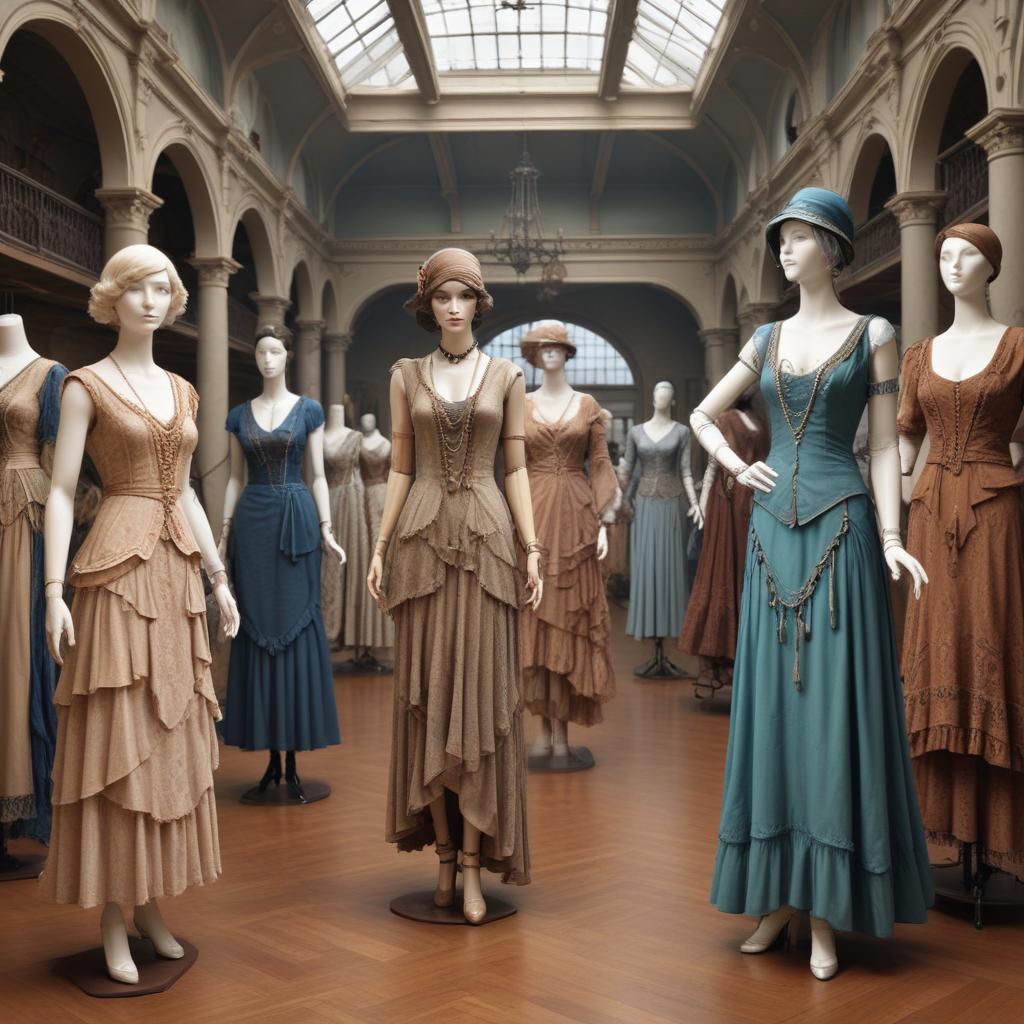
Historical Overview of Clothing Design
The history of clothing design is a fascinating journey that mirrors the evolution of human civilization itself. From ancient garments crafted out of necessity to the intricate fashion statements of historical periods, clothing has always been an essential aspect of human culture and identity. Understanding this journey offers intriguing insights into how fashion has transformed in response to social, economic, and technological changes over time.
The origins of clothing date back to prehistoric times when early humans used animal skins, leaves, and other natural materials to protect themselves from harsh environmental conditions. These primitive garments were functional rather than decorative, serving to shield the body from cold, heat, and injury. As humans developed tools and sewing techniques, clothing began to take on more tailored forms, enhancing not only protection but also comfort and mobility.
As societies evolved into ancient civilizations such as Egypt, Mesopotamia, Greece, and Rome, clothing design started to incorporate cultural, social, and symbolic elements. Ancient garments reflected status, occupation, and religious beliefs. For instance, Egyptian linen robes and Greek togas were not only practical but also indicative of societal hierarchy. The fashion evolution during these periods showcased a growing attention to craftsmanship, patterns, and ornamentation.
The Middle Ages introduced new fabrics and styles influenced by trade and cultural exchange. Wool, silk, and cotton became widely used materials, and garments featured complex tailoring and layering techniques. Historical fashion from this era reveals a blend of practicality and emerging aesthetics, with clothing serving as an indicator of wealth and power. Nobles and royalty wore luxurious fabrics and elaborate decorations, while peasants’ clothing remained simple and functional.
The Renaissance period marked a significant milestone in the clothing history, with an emphasis on artistic expression and innovation. Tailors and designers experimented with new cuts, bold colors, and intricate embroidery, reflecting the broader cultural movement towards creativity and humanism. The fashion evolution in this era set the stage for the modern understanding of clothing as both art and identity, laying the foundation for centuries of style development.
Clothing Design in Ancient Civilizations
Ancient clothing was crafted primarily from natural materials, reflecting the resources and climate of each civilization. In Egyptian fashion, linen was the favored fabric due to the hot climate, prized for its light and breathable qualities. Egyptians also adorned themselves with decorative jewelry and rigid collars, which signified social status and wealth. Their garments were typically simple yet elegant, such as the kalasiris, a tunic worn by both men and women.
Moving to the Greco-Roman world, clothing styles evolved to emphasize draping and the human form. Greeks used wool and linen to create flowing garments like the chiton and himation, which were roomy and adaptable to different occasions. Their emphasis on aesthetics reflected both functionality and a cultural appreciation for beauty. Roman garments, on the other hand, included the iconic toga, a large woolen cloth that was a symbol of Roman citizenship and social rank. Roman attire was more structured and complex, with various layers and specific garments for different classes, such as the stola for women and the tunica for everyday wear.
Historical costumes from these civilizations are not only seen as practical attire but also as cultural symbols reflecting identity, power, and societal roles. Whether it was the regal robes of Egyptian pharaohs or the elaborate togas of Roman senators, clothing served as a vital form of non-verbal communication within ancient societies.
Medieval and Renaissance Fashion Trends
The evolution of medieval fashion to renaissance clothing marks a significant transformation in European garments, driven by social influences and advancements in materials. During the medieval era, clothing was heavily influenced by social hierarchy and utility, with garments often made from wool and linen. The upper classes showcased wealth through layers and embellishments, while the lower classes wore simpler, functional outfits. Colors and fabrics were restricted by sumptuary laws, reflecting one’s social status and profession.
As society transitioned into the Renaissance, a renewed interest in art and culture spurred innovative fashion trends. Clothing became a means of self-expression and social distinction. Luxurious materials such as silk, velvet, and brocade were introduced, often imported from distant regions, highlighting the wearer’s wealth and status. European garments were characterized by intricate embroidery, lace, and elaborate tailoring, emphasizing form and decoration far beyond functionality.
The Renaissance also saw an increase in the use of vibrant colors, enabled by advancements in dyeing techniques, which further enriched fashion history. The influence of the Renaissance courts, especially in Italy and France, did much to disseminate styles across Europe. This period’s fashion trends reflected broader social changes, including the rise of the merchant class and humanist ideals, which celebrated individuality and artistic innovation, making the evolution of medieval fashion toward renaissance clothing a pivotal chapter in the history of European garments.
Influence of Technology on Modern Clothing Design
The evolution of clothing design has been profoundly influenced by technological advancements, tracing back to the Industrial Revolution and extending to today’s modern fashion landscape. The fusion of fashion technology with clothing innovation has continuously reshaped how garments are conceived, produced, and experienced by consumers worldwide.
The Industrial Revolution marked a pivotal turning point in textile advances and clothing creation. Mechanized looms and spinning machines replaced manual labor, dramatically increasing production speed and fabric availability. This era democratized fashion, making stylish clothes more accessible to the growing middle class. The ability to mass-produce textiles spurred designers to experiment with new forms and complex patterns, fueling innovation in clothing design that set the stage for future technological impacts.
Advancing into the 20th century, technology continued to drive clothing innovation with the introduction of synthetic fibers such as nylon and polyester, revolutionizing textile production. These textile advances offered designers new materials that were more durable, elastic, and easier to care for, directly affecting the versatility and style of modern fashion. The rise of computer-aided design (CAD) tools in the late 1900s further accelerated fashion technology by enabling precise pattern making and faster prototyping, which reduced the time between concept and final garment.
Today, the influence of technology on clothing design extends beyond production techniques. Modern fashion integrates smart textiles embedded with sensors to monitor health or adjust to environmental conditions, marking a new era of interactive and functional clothing innovation. Additionally, digital platforms and 3D printing technology empower designers to create intricate designs that were previously impossible to manufacture. These advances not only elevate artistic possibilities but also promote sustainable practices by reducing waste and allowing on-demand production.
Overall, the trajectory of clothing design from the Industrial Revolution to the present day clearly highlights how the interplay of fashion technology and textile advances continues to rewrite the rules of modern fashion. Designers now operate in a dynamic environment where innovation is fueled by rapid technological progress, thereby continuously expanding the boundaries of what clothing can achieve both aesthetically and functionally.
Industrial Revolution and Mass Production
The industrial revolution fashion marked a significant turning point in the history of clothing design and production. With the advent of advanced textile machinery, the production of garments shifted from handmade craftsmanship to industrial-scale manufacturing. This shift enabled mass production clothing, making garments more accessible and affordable to a wider audience than ever before. Factories equipped with mechanized looms and sewing machines could produce fabric and construct clothing at unprecedented speeds, revolutionizing the fashion industry.
One of the most notable impacts of this era was the rise of ready-to-wear clothing. Unlike tailored garments that had to be custom-made for individual customers, ready-to-wear offered standardized sizes, allowing for mass distribution and sales. This development reshaped consumer behavior, fostering trends and styles that could rapidly circulate and influence fashion on a broad scale. The standardization and efficiency brought by the industrial revolution fashion reduced costs and broadened market reach, fueling the growth of the global clothing industry.
Ultimately, the integration of textile machinery into production lines and the push for mass production clothing not only transformed how clothes were made but also how they were consumed. The ready-to-wear concept democratized fashion, providing more people with access to stylish attire. This period laid the groundwork for the modern fashion industry, where speed, scale, and affordability remain key drivers.
Digital Era and Smart Textiles
The digital era has revolutionized fashion design, introducing cutting-edge digital fashion tools that redefine how clothing is conceived and created. Designers now utilize advanced software and 3D modeling to visualize and refine their ideas with unprecedented precision and flexibility. This shift not only accelerates the design process but also encourages experimentation, pushing the boundaries of traditional garment creation.
Alongside digital tools, innovations in smart textiles are dramatically shaping contemporary clothing design. These textiles integrate wearable technology, enabling garments to respond to environmental changes or user needs. From fabrics with embedded sensors to materials that adjust temperature or monitor health metrics, smart textiles represent a significant advance in fashion innovation.
The convergence of digital fashion and smart textiles paves the way for interactive, multifunctional clothing that goes beyond aesthetics. Wearable technology not only enhances user experience but also opens new possibilities for sustainability by optimizing garment function and longevity. As these technologies continue to evolve, they are transforming fashion into a dynamic, tech-driven industry that embraces creativity and practicality alike.
Overall, the integration of digital design tools and smart textile technologies exemplifies the future of fashion, where innovation and technology merge to create garments that are as intelligent as they are stylish. This digital era marks a new chapter in clothing design, characterized by rapid innovation and a redefined relationship between wearer and wardrobe.
Cultural and Social Impact on Clothing Design
Clothing design is deeply intertwined with cultural fashion movements and social trends, reflecting the evolving identities and values of societies across decades. Throughout history, fashion has served not only as a means of self-expression but also as a powerful symbol of cultural and social shifts. The symbolism embedded in clothing can reveal much about the norms, struggles, and aspirations of different eras.
For instance, the rebellious spirit of the 1960s was evident in the fashion identity embraced by the youth, who used clothing as a way to challenge conventional norms. The rise of countercultural movements brought about styles that rejected traditional forms, favoring bold patterns, vibrant colors, and unconventional silhouettes. This cultural fashion shift was not just about aesthetics; it was a form of social commentary, articulating desires for freedom and change through wearable art.
Similarly, social trends influence how designers approach their craft, often responding to contemporary issues such as gender roles, economic conditions, and technological advancements. For example, the professionalization and increased workforce participation of women in the late 20th century led to the popularization of tailored suits and more pragmatic designs that balanced style with functionality. These changes in clothing design echoed broader societal shifts towards equality and independence.
The intersection of cultural and social influences also shapes the symbolism attributed to fashion. Clothing becomes a visual language that signals belonging to particular movements or groups, whether through specific colors, cuts, or accessories. Fashion identity thus serves to unify members within a culture while distinguishing them from others, making it a dynamic tool in social navigation and self-definition.
Over decades, the continuous dialogue between cultural movements and social trends has diversified clothing design styles globally. From embracing traditional crafts and ethnic motifs to pioneering futuristic fabrics and sustainable fashion practices, designers respond to and shape the cultural and social landscape. Ultimately, the evolution of clothing design underscores the profound impact of cultural fashion and social trends in constantly redefining how individuals and societies express themselves.
Fashion as a Reflection of Social Change
Clothing trends have long mirrored the profound effects of social change and political movements throughout history. One notable example is the impact of the 1960s civil rights and feminist movements, which revolutionized fashion by promoting styles that challenged traditional gender norms and embraced equality. The rise of unisex clothing and bold, expressive designs reflected the desire for freedom and individuality amid a backdrop of social upheaval.
Political influence on fashion is evident in wartime periods, such as during World War II, when fabric rationing led to simpler, utilitarian designs that emphasized practicality over extravagance. These clothing styles became symbols of resilience and national solidarity. Similarly, the punk fashion movement of the late 1970s emerged as a rebellious response to economic instability and political dissatisfaction, featuring edgy, DIY aesthetics that communicated frustration and defiance.
Fashion movements like the hippies embraced natural fabrics and flowing silhouettes as a protest against materialism and war, while the 1980s power dressing trend showcased how women used clothing to assert their presence in professional and political spheres. Each shift in style is not just about aesthetics; it tells a story of societal values, political climates, and collective identities evolving through time.
In essence, social change fashion continually transforms as a dynamic reflection of the times, where clothing designs serve as both indicators and agents of political influence fashion, illustrating the deep connection between what we wear and the world we live in.
Globalization and Cross-Cultural Influences
Globalization has significantly transformed the landscape of clothing design by fostering a vibrant fusion of styles and cultural elements. This interconnectedness allows designers around the world to draw inspiration from diverse traditions, blending them into innovative pieces that reflect a harmonious global fashion ethos. The resulting amalgamation not only broadens creative horizons but also encourages cultural exchange, making fashion a dynamic platform for storytelling and identity sharing.
The ongoing cultural exchange facilitated by globalization propels world fashion trends that transcend geographical boundaries. Designers incorporate motifs, fabrics, and techniques from various cultures, creating cross-cultural designs that celebrate diversity while pushing the boundaries of traditional attire. This fusion enriches the industry, enabling the birth of unique collections that resonate with a global audience and emphasize inclusivity and appreciation of cultural heritage.
As global fashion continues to evolve, the blending of influences promotes not just aesthetic innovation but also greater understanding and respect among cultures. Through the exchange of cultural fashion elements, globalization nurtures a shared creative language within the clothing design world, where the past and present collide to shape a more connected, expressive future in style.

I’ve always loved curating unique looks and exploring how personal style can tell a story. Working as a freelance fashion enthusiast, I enjoy discovering emerging designers and sharing practical tips for building a timeless wardrobe.