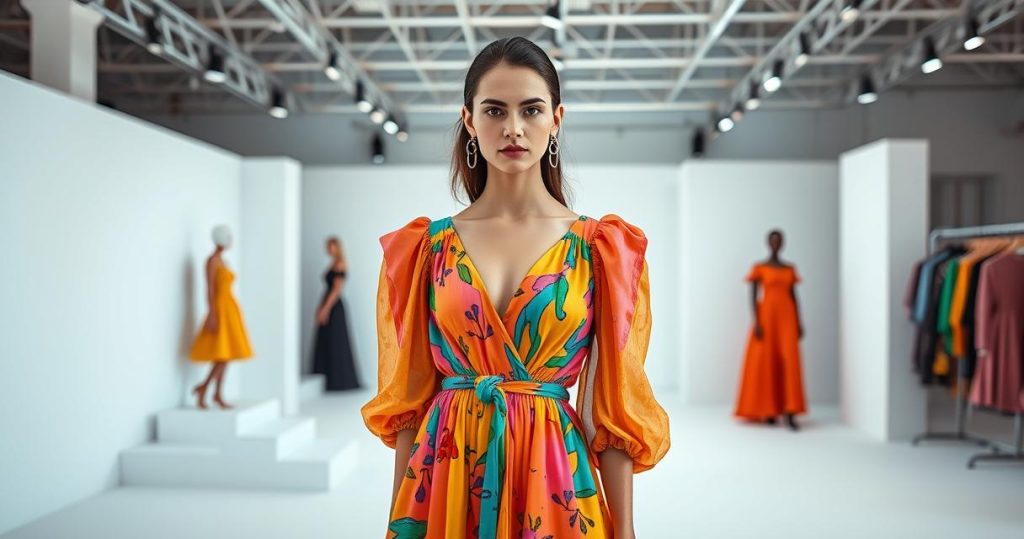
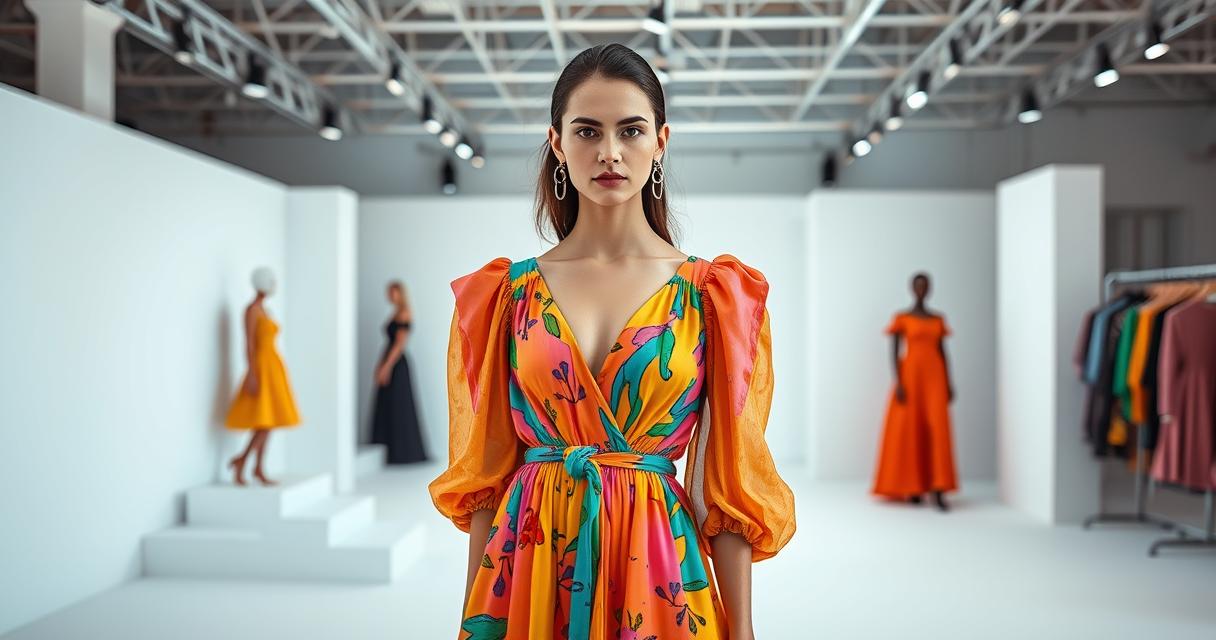
Color theory in fashion is a multifaceted concept that involves understanding the emotional, psychological, and aesthetic effects of colors on individuals and their perceptions. In the realm of fashion, color theory is crucial for creating harmonious and visually appealing outfits, as well as for making informed decisions about personal style and brand identity. By grasping the fundamentals of color theory, fashion enthusiasts and professionals can unlock the secrets to creating stunning, cohesive looks that evoke emotions, convey messages, and leave lasting impressions. In this article, we will delve into the world of color theory in fashion, exploring its principles, applications, and significance in the industry.
Introduction to Color Theory
Color theory is a set of principles used to create harmonious color combinations and to understand the way colors interact with each other. In fashion, color theory is applied to create visually appealing outfits, to enhance the wearer’s complexion, and to convey emotions and messages. The color wheel is a fundamental tool in color theory, consisting of primary colors (red, yellow, and blue), secondary colors (orange, green, and violet), and tertiary colors (colors created by mixing primary and secondary colors). Understanding the color wheel and its relationships is essential for creating harmonious color combinations in fashion.
I wanted to feel like that all the time. It differs from vanity — it’s simple things to look good that will last the rest of your life. It’s about honoring your body and your color and yourself.
Kim Armga, Personal stylist and color analyst with House of Colour — jacksonville.com
The 60-30-10 rule is a popular principle in color theory, which suggests that an outfit should be divided into 60% of a dominant color, 30% of a secondary color, and 10% of an accent color. This rule helps to create balance and harmony in an outfit, preventing the look from feeling overwhelming or chaotic. By applying this rule, fashion enthusiasts can create outfits that are both visually appealing and cohesive.
Color Harmony in Fashion
Color harmony refers to the way colors work together to create a visually appealing effect. In fashion, color harmony is crucial for creating outfits that are both stylish and cohesive. There are several principles of color harmony, including monochromatic, complementary, analogous, and triadic color schemes. Monochromatic color schemes involve using different shades of the same color, creating a cohesive and sophisticated look. Complementary color schemes, on the other hand, involve pairing colors that are opposite each other on the color wheel, creating a bold and striking effect.
Analogous color schemes involve using colors that are next to each other on the color wheel, creating a smooth and harmonious transition between colors. Triadic color schemes, finally, involve using three colors that are equally spaced from each other on the color wheel, creating a balanced and vibrant effect. By understanding these principles of color harmony, fashion enthusiasts can create outfits that are both visually appealing and cohesive.
The Psychology of Color in Fashion
Colors have a profound impact on our emotions and perceptions, and in fashion, the psychology of color plays a significant role in creating outfits that evoke emotions and convey messages. Different colors are associated with different emotions and qualities, such as red with passion and energy, blue with calmness and trust, and green with nature and growth. By understanding the psychological effects of colors, fashion enthusiasts can create outfits that not only look great but also evoke the desired emotions and convey the intended messages.
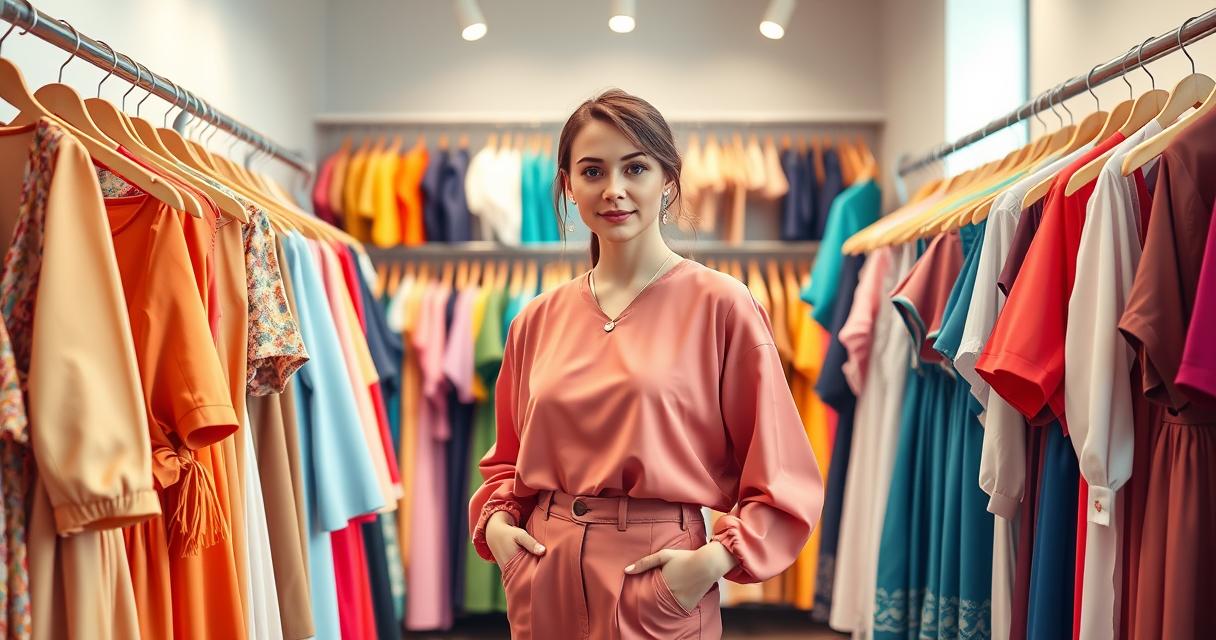
The psychology of color is also closely linked to personal style and brand identity. Certain colors can be associated with specific personalities, values, or attitudes, and by incorporating these colors into an outfit or brand, fashion enthusiasts can convey their personality, values, or attitude. For example, a fashion brand that uses a lot of black and white may be perceived as sleek, modern, and sophisticated, while a brand that uses a lot of bright colors may be perceived as fun, playful, and youthful.
Color Analysis in Fashion
Color analysis is a technique used to determine the most flattering colors for an individual’s skin tone, hair color, and personal style. By analyzing an individual’s coloring, fashion enthusiasts can identify the colors that will enhance their complexion, make their eyes sparkle, and create a harmonious and balanced look. Color analysis involves considering the individual’s skin tone, hair color, and eye color, as well as their personal style and preferences.
There are several color analysis systems, including the seasonal color analysis system, which categorizes individuals into four seasons: spring, summer, autumn, and winter. Each season is associated with specific color palettes, and by identifying an individual’s season, fashion enthusiasts can determine the most flattering colors for their skin tone, hair color, and personal style. Color analysis can be a powerful tool for creating personalized and flattering outfits, and for enhancing an individual’s natural beauty.
Color Trends in Fashion
Color trends play a significant role in the fashion industry, with new colors and color combinations emerging each season. Color trends can be influenced by a variety of factors, including cultural and social trends, technological advancements, and environmental concerns. By staying on top of color trends, fashion enthusiasts can create outfits that are both stylish and contemporary, and can incorporate the latest colors and color combinations into their wardrobe.
The clashing color trend, for example, involves pairing bold and bright colors that clash with each other, creating a bold and striking effect. This trend can add a fun and playful touch to an outfit, and can be used to create a statement piece or to add a pop of color to a neutral outfit. Other color trends, such as the neon trend or the pastel trend, can add a touch of nostalgia or whimsy to an outfit, and can be used to create a unique and eye-catching look.
Color Theory in Fashion Design
Color theory plays a crucial role in fashion design, with designers using color to create visually appealing and cohesive collections. Fashion designers must consider a variety of factors when selecting colors for their collections, including the target audience, the brand identity, and the overall aesthetic of the collection. By understanding the principles of color theory, fashion designers can create collections that are both stylish and cohesive, and that evoke the desired emotions and convey the intended messages.
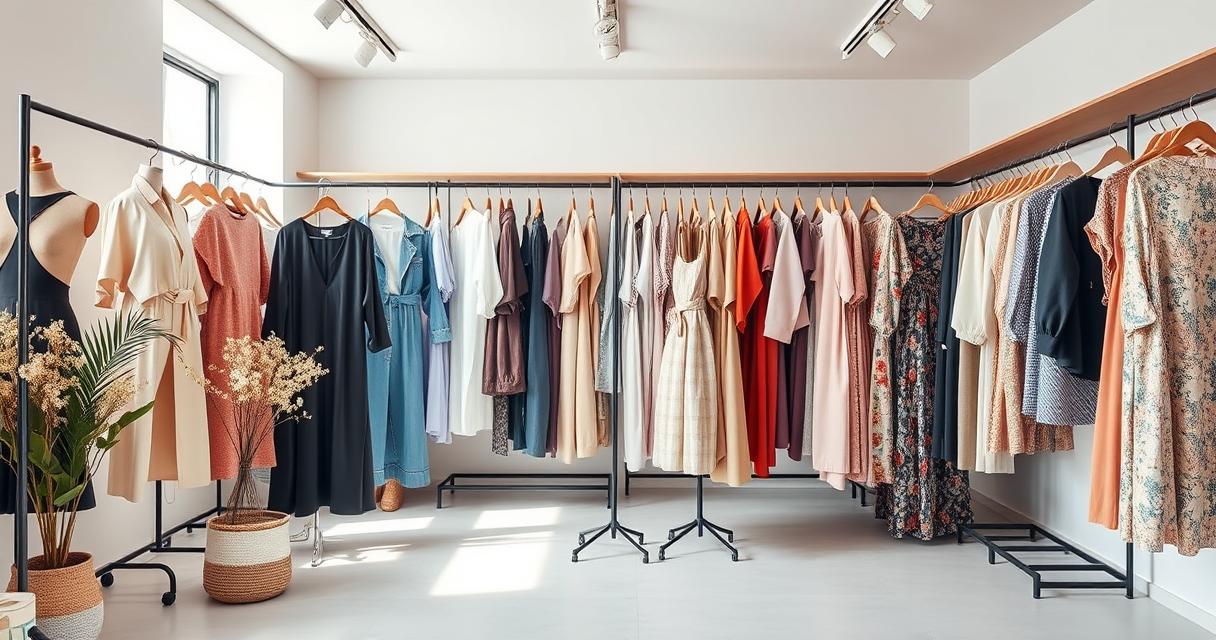
Color theory is also closely linked to textile design, with designers using color to create unique and eye-catching fabrics. The choice of color can greatly impact the overall look and feel of a fabric, and can be used to create a variety of effects, from subtle and sophisticated to bold and striking. By understanding the principles of color theory, textile designers can create fabrics that are both visually appealing and functional, and that enhance the overall aesthetic of a garment or accessory.
Conclusion
In conclusion, color theory is a fundamental concept in fashion, with a profound impact on our emotions, perceptions, and aesthetic preferences. By understanding the principles of color theory, fashion enthusiasts can create outfits that are both visually appealing and cohesive, and that evoke the desired emotions and convey the intended messages. Whether it’s through color harmony, color analysis, or color trends, color theory plays a crucial role in the fashion industry, and is essential for creating stunning, cohesive looks that leave lasting impressions.
By applying the principles of color theory, fashion enthusiasts can unlock the secrets to creating personalized and flattering outfits, and can enhance their natural beauty. Whether you’re a fashion designer, a stylist, or simply a fashion enthusiast, understanding color theory can take your style to the next level, and can help you create outfits that are both stylish and cohesive. So why not explore the world of color theory, and discover the secrets to creating stunning, cohesive looks that evoke emotions and convey messages?

I’ve always loved curating unique looks and exploring how personal style can tell a story. Working as a freelance fashion enthusiast, I enjoy discovering emerging designers and sharing practical tips for building a timeless wardrobe.