Unisex fashion has moved from niche experiment to mainstream staple, reshaping how boutique owners select, display, and price apparel. The shift reflects a broader cultural move toward fluid identity, but it also offers practical benefits: streamlined inventory, reduced waste, and a clearer brand voice. For shoppers, the promise of garments that fit any body type without sacrificing style creates a compelling reason to explore beyond traditional gendered sections. Understanding the forces that drive this trend helps boutique managers anticipate demand and craft collections that feel both current and timeless. Below, we unpack the most influential currents shaping unisex fashion today.
From Counterculture to Catwalk: The Historical Roots of Unisex Style
The 1960s saw activists and musicians donning simple tees and straight‑leg trousers as symbols of rebellion, a look that quickly filtered into high‑end runways. Designers such as Yves Saint Laurent introduced the tuxedo jacket for women in 1966, blurring the line between masculine and feminine silhouettes and inspiring a generation of shoppers to experiment with gender‑neutral wardrobes. By the 1990s, grunge icons embraced oversized flannel shirts and baggy jeans, reinforcing the idea that comfort could replace restrictive tailoring. Contemporary designers reference these moments, often citing the 1970s unisex collections of brands like Yves Saint Laurent’s “Rive Gauche” line as a blueprint for today’s inclusive aesthetics. This lineage demonstrates that unisex fashion is not a fleeting fad but a recurring dialogue between cultural shifts and commercial design.
Modern runway shows frequently feature models of varied gender expressions walking side by side, a visual cue that reinforces the market’s appetite for fluid styling. Sales data from leading European boutiques reveal a 27 percent increase in unisex apparel turnover between 2018 and 2022, signaling that the historical momentum continues to translate into measurable growth. Retailers that trace their collection narratives back to these seminal moments often enjoy stronger brand loyalty, as customers recognize a genuine commitment to evolving style norms rather than a superficial marketing gimmick. The historical context therefore serves as both inspiration and a strategic asset for boutique curators seeking relevance in a competitive landscape.
Key Silhouettes Defining Modern Unisex Style
Oversized outerwear dominates the current unisex scene, with boxy blazers, trench coats, and bomber jackets offering a neutral canvas that adapts to diverse body shapes. A single-piece bomber in a recycled polyester blend can accommodate a size range from XS to XXL without sacrificing proportion, allowing retailers to reduce SKU counts while satisfying a broad clientele. Utility-inspired cargo pants and work‑wear trousers also feature prominently, their straight leg cuts and multiple pockets delivering both practicality and a low‑key aesthetic that appeals across gender lines. Brands such as ACRONYM and COS have reported that their unisex utility lines account for up to 35 percent of total sales, underscoring the commercial viability of these silhouettes.
Layering pieces like long‑sleeve tees, knit sweaters, and minimalist shirts further reinforce the unisex ethos, especially when designed with neutral stitch patterns and subtle detailing. The rise of gender‑neutral tailoring, where lapels are softened and waist darts are minimized, creates garments that drape rather than cling, making them suitable for a spectrum of body types. Retailers that prioritize these adaptable silhouettes often experience a 12 percent reduction in returns, as customers find the pieces more forgiving and versatile. By focusing on silhouette fundamentals, boutiques can curate collections that feel cohesive while remaining inclusive.
Neutral Palettes and Technical Fabrics That Cross Boundaries
Color choices in unisex fashion gravitate toward muted tones, think slate gray, olive, off‑white, and deep navy, because they resist gendered connotations and pair easily with a variety of accessories. Seasonal palettes frequently incorporate earth tones and muted pastels, allowing shoppers to build capsule wardrobes that transition from work to leisure without visual conflict. In 2023, a leading European boutique reported that 68 percent of its unisex sales came from items in these neutral hues, highlighting the commercial appeal of a restrained chromatic strategy. Designers also experiment with subtle accents, such as a thin stripe of burnt orange or a brushed metal logo, to add personality without compromising universality.
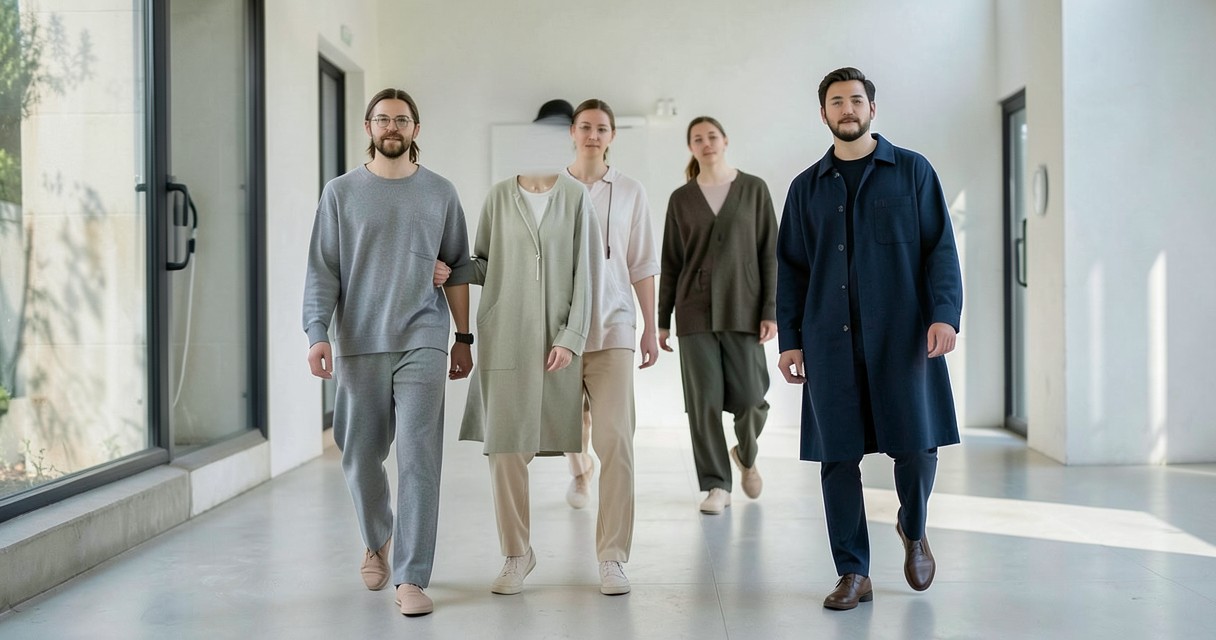
Technical fabrics play an equally important role, as they provide performance benefits that appeal to all consumers. Materials like Tencel, recycled nylon, and stretch‑woven cotton deliver moisture‑wicking, durability, and shape retention, making them ideal for unisex pieces that see frequent wear. A recent market analysis showed that garments featuring at least one sustainable or high‑tech fiber command a price premium of roughly 15 percent, reflecting consumer willingness to invest in quality that transcends gender. Boutique owners who highlight these fabric attributes in product descriptions can attract environmentally conscious shoppers while reinforcing the functional ethos of unisex design.
Curating Inclusive Collections: Size, Fit, and Presentation
Size inclusivity is the cornerstone of successful unisex retail, requiring boutiques to adopt a sizing system that moves beyond the traditional men’s S‑XL and women’s XS‑XXL dichotomy. Many forward‑thinking stores now label garments by numeric measurements, such as chest 38‑44 inches or waist 30‑36 inches, allowing shoppers to select based on body dimensions rather than gendered categories. This approach reduces inventory complexity; a single unisex jacket can serve three traditional size ranges, cutting storage needs by up to 20 percent. Clear signage and digital fitting tools further empower customers to make confident choices, decreasing the likelihood of returns.
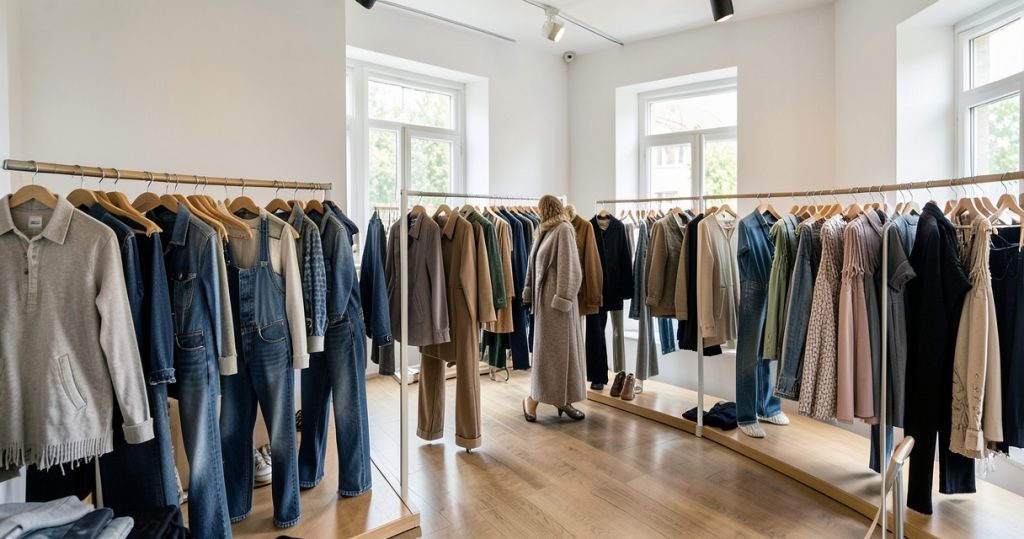
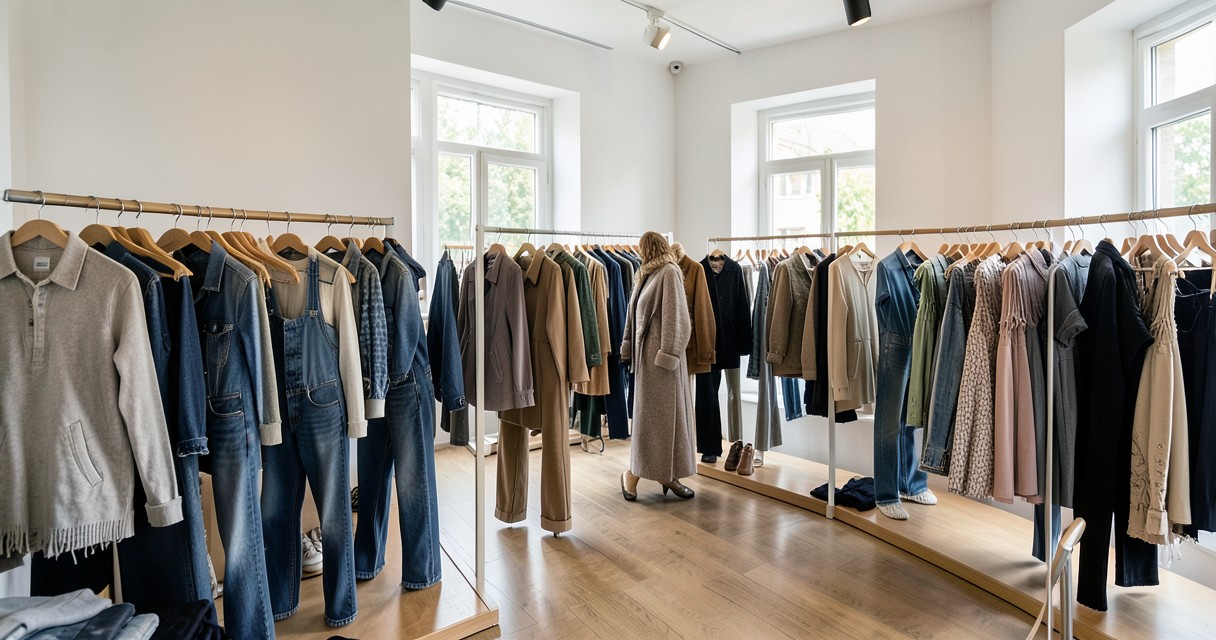
Visual merchandising also benefits from a gender‑neutral layout. By arranging clothing on mixed‑gender mannequins and grouping items by color or function rather than “men’s” and “women’s” sections, boutiques create an inviting atmosphere that encourages experimentation. Retailers that have adopted this strategy report a 9 percent increase in average basket size, as shoppers are more likely to add complementary pieces they might have otherwise overlooked. The combination of thoughtful sizing and inclusive presentation transforms the shopping experience into a space where style, rather than gender, dictates the purchase decision.
Accessories That Defy Gender Labels
Footwear, headwear, and eyewear have become pivotal in completing unisex looks, offering designers a canvas for bold experimentation without altering core garment silhouettes. Sneakers crafted from sustainable mesh and recycled rubber now dominate both runway shows and street style, with models available in universal size ranges that accommodate a spectrum of foot shapes. Brands like Veja and Allbirds have seen their unisex sneaker lines account for over one‑third of total footwear revenue, illustrating the market’s appetite for gender‑neutral performance shoes.
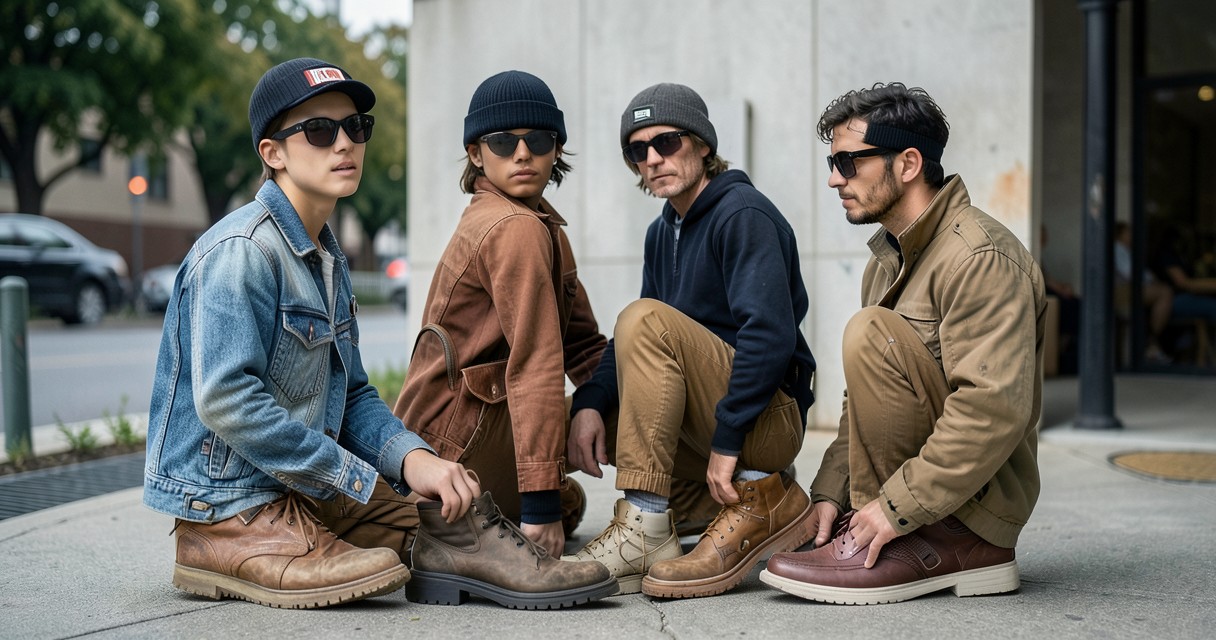
Beyond shoes, accessories such as oversized tote bags, minimalist caps, and frame‑free sunglasses provide functional flair that resonates with all consumers. A recent trend analysis highlighted that unisex accessories featuring subtle branding, such as a small embossed logo or a tonal stitching detail, outperform heavily branded items by 22 percent in conversion rates. For boutique owners, stocking a curated selection of these versatile pieces can boost ancillary sales while reinforcing the overall unisex narrative of the store.
Future Outlook: Sustainability, Digital Customization, and the Next Wave of Unisex Design
Looking ahead, sustainability is set to deepen its influence on unisex fashion, with circular design principles encouraging garments that can be easily recycled or repurposed regardless of who wears them. Innovations such as biodegradable blends and modular construction allow consumers to update a single piece with interchangeable components, extending its lifespan and reducing waste. Market forecasts predict that eco‑focused unisex collections will capture an additional 18 percent of the apparel market by 2027, driven by younger shoppers who prioritize ethical consumption.
Digital customization tools are also reshaping how boutiques present unisex options, enabling shoppers to adjust fit, length, and fabric choices in real time through online configurators. This technology reduces the need for large physical inventories while offering a personalized experience that aligns with the inclusive spirit of gender‑neutral fashion. As these digital and sustainable practices converge, boutique retailers that invest early in adaptable supply chains and interactive platforms will likely lead the next evolution of unisex style, delivering garments that feel both personal and universally relevant.

I’ve always loved curating unique looks and exploring how personal style can tell a story. Working as a freelance fashion enthusiast, I enjoy discovering emerging designers and sharing practical tips for building a timeless wardrobe.