The phrase “personal style” in fashion isn’t just about wearing the latest trends, it’s about curating a wardrobe that feels like an extension of who you are. In a world where fast fashion and fleeting microtrends dominate, standing out requires more than just following what’s popular. It demands intention, self-awareness, and a willingness to experiment with pieces that reflect your personality, lifestyle, and values. Whether you’re browsing through a boutique like Timbargeot’s curated selection or building a capsule wardrobe from scratch, developing a personal style is about creating a signature aesthetic that feels authentic, functional, and effortlessly put-together. The key lies in balancing confidence with creativity, ensuring every outfit you wear tells a story that’s uniquely yours.
Start with a wardrobe audit to identify your foundation
The first step to refining your personal style is to take stock of what you already own. A wardrobe audit isn’t just about decluttering, it’s about understanding the pieces that make you feel confident, comfortable, and true to yourself. Begin by laying out every item in your closet, from everyday staples to forgotten pieces tucked in the back. Sort them into categories: essentials (like a well-fitted blazer or a versatile pair of jeans), seasonal items (think lightweight linen shirts for summer or chunky knits for winter), and pieces that don’t quite fit your current lifestyle or aesthetic. Pay attention to fabrics, colors, and silhouettes that consistently appear in your “keep” pile. For example, if you find yourself reaching for a neutral palette of blacks, whites, and grays, that’s a strong indicator of your natural inclinations. At Timbargeot, you’ll notice how their curated collections often feature these timeless tones, designed to create a cohesive, wearable foundation. The goal isn’t to hoard everything, it’s to recognize patterns that align with your taste and needs.
During this process, ask yourself why certain pieces resonate with you. Is it the fabric’s texture, the cut’s flattery, or the way the color makes you feel? For instance, a tailored trench coat might be a staple because it’s both practical for unpredictable weather and effortlessly chic. Conversely, items that gather dust likely don’t serve your style or lifestyle. If you’re unsure about a piece, try the “outfit test”: can you imagine wearing it in at least three different ways? If not, it’s probably not worth keeping. This audit isn’t just about what you own, it’s about discovering the building blocks of your personal aesthetic. Once you’ve identified these core pieces, you’ll have a clearer idea of what to invest in next, whether it’s a statement blazer from Timbargeot’s fall collection or a new pair of tailored trousers that elevate your everyday looks.
Define your style pillars: the non-negotiables that shape your look
Personal style isn’t about being all things to all people, it’s about identifying the elements that are non-negotiable for you. These are your “style pillars,” the foundational principles that guide every outfit you put together. Start by asking yourself what values or aesthetics you consistently gravitate toward. Do you prioritize comfort without sacrificing style, like the effortless minimalism of a Jil Sander-inspired wardrobe? Or do you lean into bold statements, like the maximalist prints and textures found in the work of designers like Iris van Herpen? Perhaps your pillars include sustainability, favoring timeless, high-quality pieces over fast fashion, or a love for vintage finds that add character to your wardrobe. At Timbargeot, you’ll notice how their collections often emphasize these pillars, think sustainable fabrics, classic silhouettes, or pieces with a story behind them, like a vintage-inspired blazer with a unique lining.
Your pillars might also include practical considerations, such as a preference for wrinkle-resistant fabrics for workwear or breathable materials for activewear. For example, if you work in an office environment, a tailored blazer in a neutral shade might be a non-negotiable, while a pair of sleek, ankle-length boots could be your go-to footwear. These pillars don’t have to be rigid, flexibility is key, but they should serve as a compass. If you’re unsure where to start, look to your wardrobe audit results. Did you notice that you always reach for structured pieces? Do you feel most confident in monochrome outfits? These observations are clues to your pillars. Once you’ve defined them, you’ll find it easier to make intentional choices, whether you’re shopping at Timbargeot’s boutique or browsing online. This clarity also helps you avoid the trap of chasing trends that don’t align with your core aesthetic.
Experiment with silhouettes and proportions to find what flatters you
Fashion isn’t just about colors and fabrics, it’s about how a garment interacts with your body. Experimenting with silhouettes and proportions is one of the most effective ways to refine your personal style while ensuring you look and feel your best. Start by identifying your body type, whether you’re hourglass, pear-shaped, apple-shaped, or rectangular, and research which cuts and fits complement your shape. For example, a pear-shaped figure might gravitate toward A-line skirts and empire-waist tops to balance proportions, while someone with a rectangular frame could benefit from structured shoulders or defined waistlines. At Timbargeot, their tailored collections often highlight these principles, offering pieces that enhance natural curves without sacrificing comfort. If you’re unsure where to begin, try the “mirror test”: wear a few different silhouettes and observe which make you feel most confident. A well-fitted blazer, for instance, can instantly elevate an outfit by creating structure, while a flowy midi dress might be your go-to for a relaxed yet polished look.
On Meghan Livingstone they explain building a versatile minimalist wardrobe — you can watch it right here.
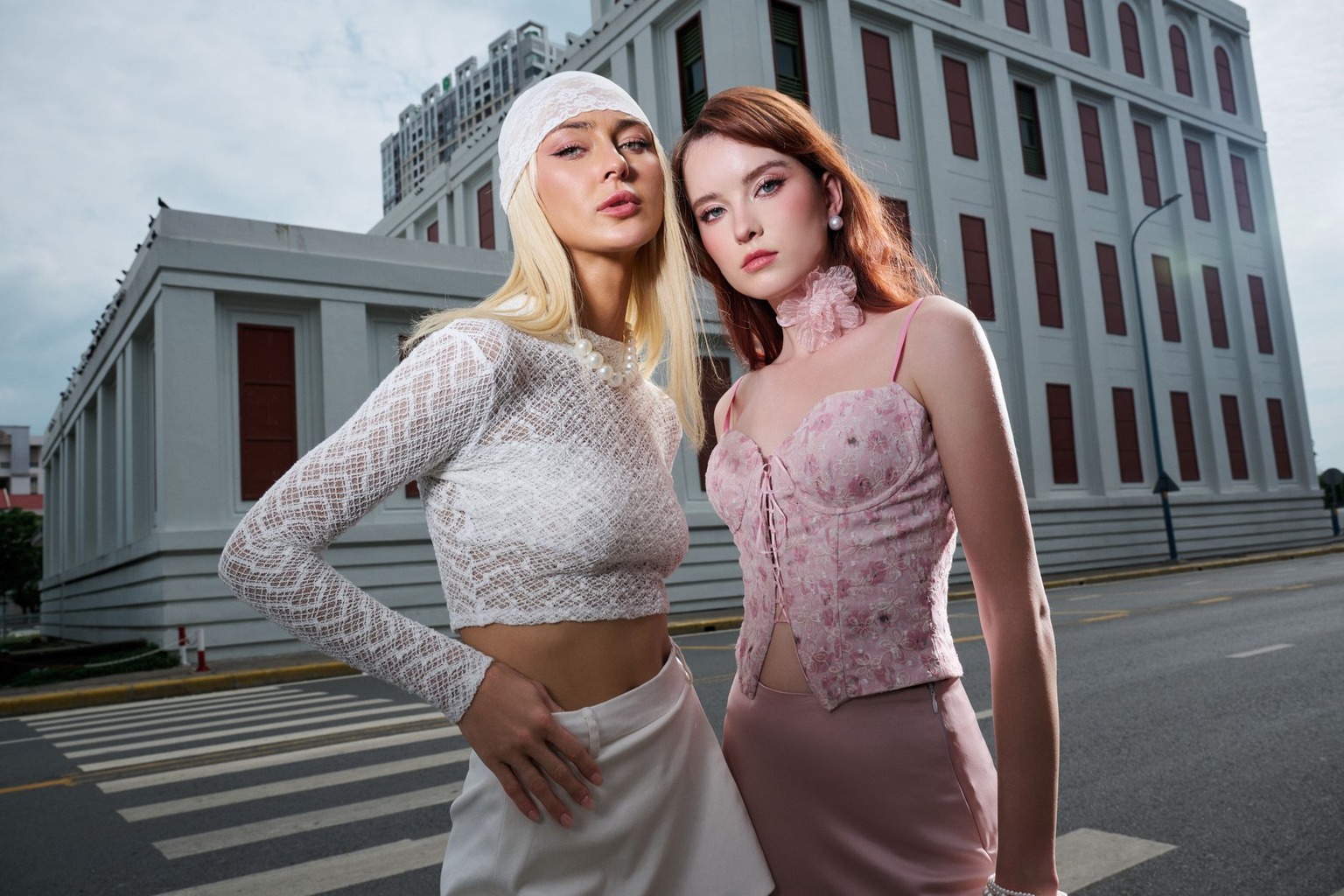
Proportions are equally important. Pairing a fitted top with a wide-leg pant can create a balanced silhouette, while a cropped jacket over high-waisted jeans can draw attention to your waist. Pay attention to how different combinations make you feel, do you feel powerful in a sharp suit, or do you prefer the ease of a relaxed-fit jumpsuit? Experimenting with proportions also means playing with layering. A chunky knit sweater over a sleek turtleneck, for example, can add texture and depth to an outfit. At Timbargeot, their curated collections often include versatile pieces that allow for these kinds of creative pairings. The key is to trust your instincts. If a certain combination feels right, even if it’s unconventional, it’s likely working for you. Over time, you’ll start to recognize which silhouettes and proportions consistently make you feel like the best version of yourself.
Curate a capsule wardrobe that reflects your lifestyle and values
A capsule wardrobe isn’t about restriction, it’s about intentionality. It’s a collection of versatile, high-quality pieces that can be mixed and matched to create a variety of outfits without overwhelming your closet. The goal is to own fewer items that work harder, saving you time, money, and mental energy. Start by identifying your most common activities: work, weekends, gym sessions, or dinner dates. For each category, select 5-10 key pieces that cover the basics, such as a little black dress, a pair of dark jeans, a neutral blazer, and a few statement accessories. At Timbargeot, their seasonal collections often include these types of foundational pieces, designed to be effortlessly interchangeable. For example, a structured coat can transition from daytime errands to evening events, while a pair of tailored trousers can be dressed up with a silk blouse or downplayed with a casual tee. The key is to prioritize quality over quantity, Invest in pieces that will last, like a well-made blazer or a timeless trench coat, rather than filling your wardrobe with disposable fashion.
When building your capsule, think about color coordination and fabric versatility. A neutral palette makes mixing and matching easier, while fabrics that can be dressed up or down, like wool-blend trousers or a stretchy knit dress, add flexibility. At Timbargeot, you’ll find collections that emphasize these principles, with pieces designed to adapt to different occasions. For instance, a midi skirt in a versatile shade like camel can be paired with a blouse for work or a casual top for a weekend outing. The capsule approach also encourages mindful consumption. Before adding a new piece, ask yourself if it serves a purpose in your wardrobe. If it doesn’t, it’s likely a trend piece that won’t stand the test of time. Over time, your capsule will evolve as your lifestyle changes, but the core principle remains: own less, but own better.
Avoid common mistakes that derail personal style development
Developing a personal style isn’t without its pitfalls, and many people unknowingly sabotage their progress with common mistakes. One of the biggest is chasing trends without considering how they fit into your lifestyle or aesthetic. For example, if you love the latest oversized blazers but they don’t suit your body type or your work environment, they might end up gathering dust. Another mistake is neglecting fit. No matter how stylish a piece is, if it doesn’t fit well, it won’t look or feel right. At Timbargeot, their collections prioritize tailored cuts, but even their pieces require proper alterations to ensure they complement your shape. Ignoring fit can lead to frustration and a wardrobe that feels ill-suited to your needs. Additionally, many people make the error of assuming personal style is about standing out at all costs. While individuality is important, your style should also be practical and comfortable, you won’t feel confident if you’re constantly adjusting or hiding parts of your outfit.

Another common mistake is failing to edit your wardrobe regularly. Clothes accumulate over time, and what felt like a great investment five years ago might no longer align with your tastes or lifestyle. If you haven’t worn a piece in over a year, it’s likely time to let it go. At Timbargeot, their seasonal rotations encourage this kind of intentionality, as their collections highlight fresh, relevant pieces that reflect current trends while maintaining timeless appeal. Finally, don’t fall into the trap of thinking personal style is about perfection. Your wardrobe should reflect your real life, not an idealized version of it. Mixing high-end pieces with thrifted finds or pairing a designer blazer with a vintage top can create a look that’s uniquely yours. The goal isn’t to have a flawless wardrobe, it’s to have one that feels authentic and enjoyable to wear.
Incorporate accessories and details to elevate your signature look
Accessories and small details are the secret weapons of personal style, they’re what take a good outfit from ordinary to extraordinary. A well-chosen accessory can instantly elevate a simple ensemble, adding personality and polish. Start with the basics: a classic leather belt, a structured handbag, or a pair of statement earrings can make a significant impact. At Timbargeot, their accessory collections often feature these types of timeless pieces, designed to complement their clothing lines seamlessly. For example, a sleek watch or a bold necklace can add a touch of sophistication to a casual outfit, while a stylish scarf can introduce color and texture to a monochrome look. The key is to choose accessories that reflect your personality, whether you prefer understated elegance or bold, eye-catching pieces. If you’re unsure where to start, begin with one standout accessory, like a pair of vintage-inspired sunglasses or a unique brooch, and build from there.
Details matter just as much as the big pieces. The way you tie your shoes, the way you roll up your sleeves, or even the way you fold a blazer can subtly influence your overall look. Pay attention to small touches like cufflinks, a well-placed pin, or the way you layer necklaces. These details add depth and interest to your outfits without requiring major changes. At Timbargeot, their attention to detail is evident in everything from the stitching on their garments to the finishes on their accessories. For instance, a small but high-quality detail like a perfectly aligned zipper or a subtle embroidery can make a piece feel more luxurious and intentional. Don’t underestimate the power of these small choices, they’re what set apart a cohesive, well-curated look from one that feels disjointed. Over time, these details will become part of your signature style, making your outfits instantly recognizable as yours.

I’ve always loved curating unique looks and exploring how personal style can tell a story. Working as a freelance fashion enthusiast, I enjoy discovering emerging designers and sharing practical tips for building a timeless wardrobe.