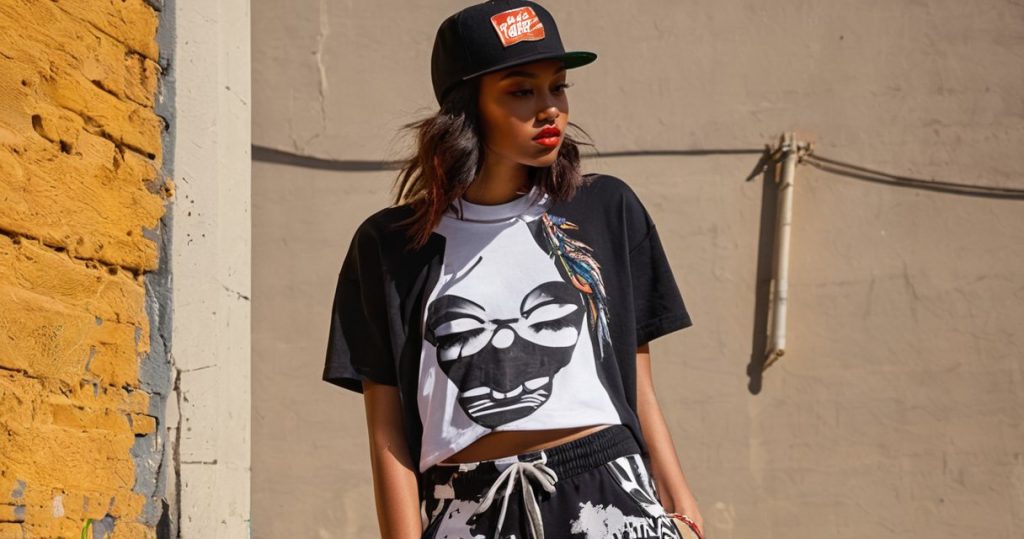
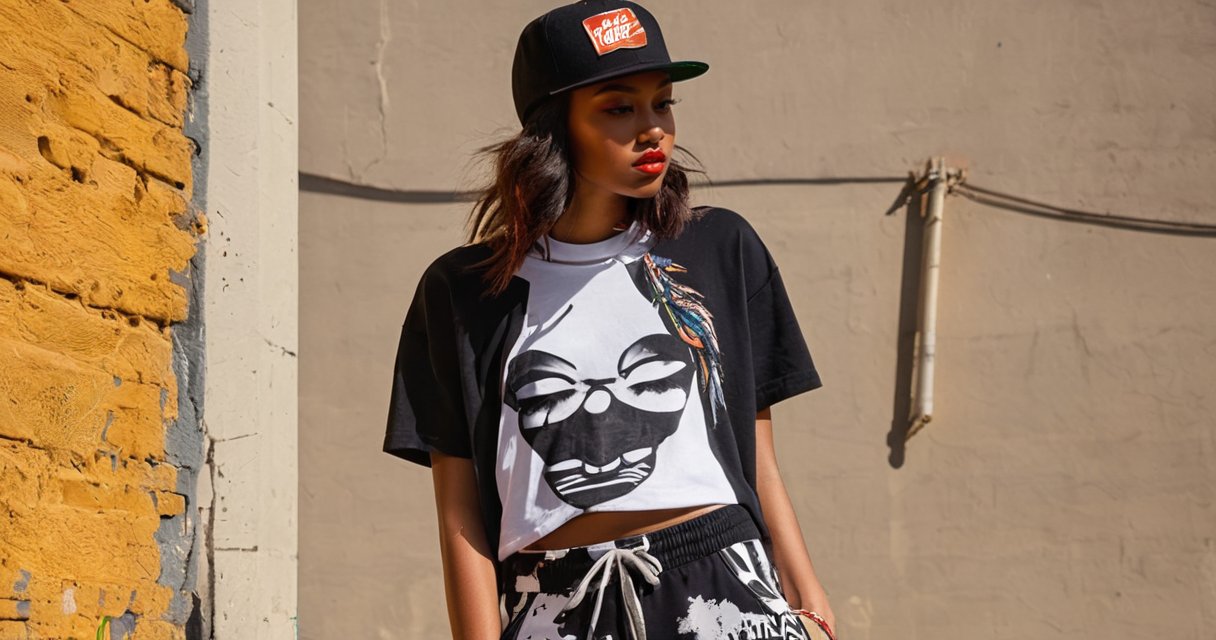
What Is Streetwear Culture
Streetwear culture embodies a powerful blend of fashion, music, art, and attitude that originates from the bustling city streets and diverse youth movements across the globe. The streetwear definition is multifaceted, encompassing not just clothing but a way of life that celebrates individuality and creativity. This urban fashion style has roots in various subcultures, making it a dynamic form of cultural expression that resonates with people from all walks of life.
At its heart, streetwear combines elements from different sources to create something truly unique. Fashion plays a central role, with oversized silhouettes, graphic tees, and sneakers being staples. Music influences the rhythm, whether it is the beats of hip-hop or the energy of punk rock, providing inspiration for collections and collaborations. Art manifests in the intricate designs and prints that adorn garments, often inspired by graffiti or contemporary visuals that capture the essence of urban life. The attitude is defiant and confident, reflecting the spirit of those who wear it and pushing boundaries in society.
Originating from city streets, streetwear emerged from youth subcultures that sought to challenge mainstream norms. In places like New York and Los Angeles, skaters and rappers pioneered styles that mixed comfort with statement pieces. Worldwide, similar movements in London, Paris, and Asian metropolises contributed to its growth, each adding their local flavors. These youth subcultures infused streetwear with authenticity and edge that continues to define it today.
As a cultural expression, streetwear allows individuals to voice their identities through what they wear. It promotes inclusivity and innovation, constantly evolving with new trends and technologies. Today, it influences high fashion and pop culture alike, proving its enduring impact. From limited drops to sustainable practices, the movement adapts while honoring its origins. This blend ensures streetwear remains relevant and exciting for generations to come, bridging gaps between different communities and fostering a sense of belonging among enthusiasts everywhere.
Historical Origins of Streetwear
The streetwear history is deeply rooted in the 1970s skate and hip-hop roots that originated in urban environments across the United States. Skate culture in Southern California emphasized practicality and creativity, leading to the adoption of loose-fitting pants and durable shoes suitable for the rough terrains of skate parks. Meanwhile, hip-hop in the Bronx introduced flashy jewelry and sportswear as symbols of status and community pride. Together, these elements formed the bedrock of what streetwear would become, influencing generations to come.
Progressing through the 1980s urban fashion, the aesthetic evolved with the introduction of graphic designs and branded apparel from pioneering companies. Entrepreneurs began to capitalize on this growing trend, establishing small labels that catered to niche audiences passionate about the lifestyle. This decade saw the fusion of functionality from skateboarding with the expressive nature of hip-hop, resulting in iconic looks that resonated with youth culture everywhere.
In the 1990s, the movement experienced unprecedented global spread, significantly impacted by Japanese street style influence. Tokyo’s fashion districts became hubs of innovation, where local designers reinterpreted Western trends with an Asian flair, incorporating vibrant colors and meticulous details into their collections. This cross-cultural exchange accelerated the popularity of streetwear worldwide, leading to its acceptance in mainstream fashion circles and beyond.
Several key moments defined this era, including high-profile collaborations between brands and artists from various backgrounds, as well as the emergence of flagship stores in major cities like New York and Los Angeles. These milestones not only popularized the style but also laid the groundwork for the diverse and inclusive nature of modern streetwear that we see today.
Key Elements and Aesthetics
The essence of streetwear lies in its key elements and aesthetics that have shaped urban fashion for generations. Signature pieces form the backbone, with streetwear staples including hoodies, joggers, and denim jackets that offer both comfort and edge. These are often styled with oversized silhouettes that create a relaxed, powerful presence, popular from the skate parks of California to the bustling streets of Tokyo. Color palettes play a significant role too, ranging from muted grays and blacks for a minimalist approach to vibrant mixes inspired by graffiti and pop culture.
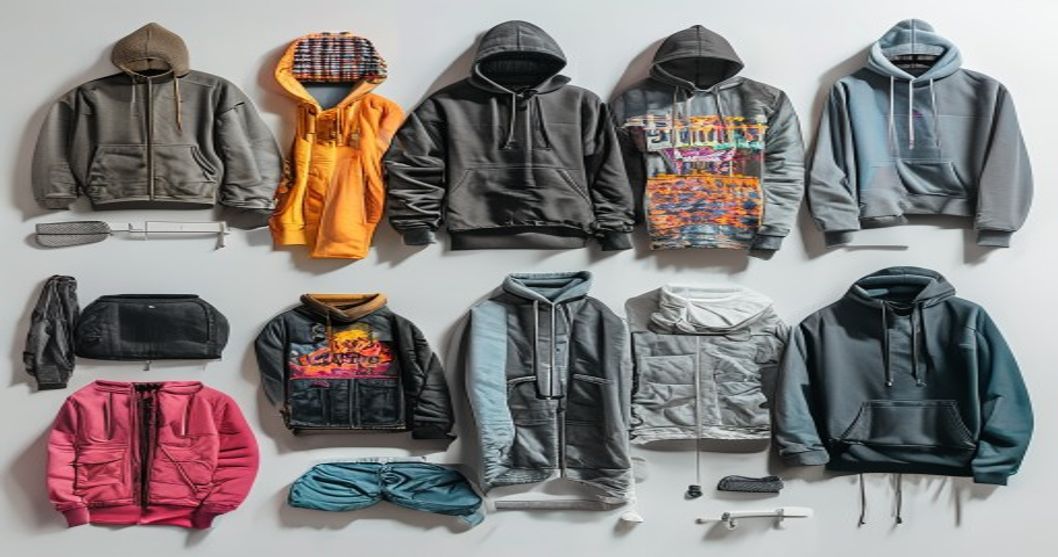
In the 90s era of US hip-hop, bright colors dominated, while European scenes leaned towards monochrome with accents. In the 90s era of US hip-hop, bright colors dominated, while European scenes leaned towards monochrome with accents. Layering techniques allow for creativity and practicality. One might layer a long sleeve under a graphic tee, add a vest, and finish with a coat. This method is seen across eras, adapting from 80s breakdancing looks to modern athleisure trends in various regions including Asian markets that experiment with neon and pastels.
Accessories such as beanies, backpacks, and chains add personality. The excitement around limited edition drops keeps the culture dynamic, encouraging collectors to seek out unique graphic tees sneakers that embody the spirit of the movement. Throughout history, from New York’s origins to global spread, these components define authentic streetwear. Streetwear staples evolve but maintain their core appeal through oversized silhouettes and innovative designs.
Graphic tees sneakers serve as canvases for expression, and limited edition drops foster community and anticipation worldwide. In terms of regional variations, Middle Eastern streetwear incorporates local fabrics into traditional streetwear staples, while maintaining oversized silhouettes for comfort in hot climates. Layering is minimal there due to weather, but accessories are elaborate and the evolution shows how limited edition drops have become central, with brands releasing graphic tees sneakers in special editions that sell out instantly, creating a global phenomenon that spans eras and regions.
Influential Streetwear Brands
The supreme brand was founded by James Jebbia in New York City back in 1994, quickly becoming synonymous with urban fashion. Its iconic collections revolve around the simple yet powerful box logo, appearing on everything from hoodies to accessories. The brand’s hype marketing strategies rely on unpredictable limited drops that spark frenzies both in-store and online. This approach has created a lasting impact on the industry by establishing streetwear as a legitimate force in global fashion and altering consumer culture to value limited availability and brand prestige above all.
Off-white streetwear owes its success to founder Virgil Abloh, who launched the label in 2012. Iconic collections often incorporate elements like quotation marks and diagonal stripes, blending casual wear with high-end details. Hype marketing strategies include strategic social media leaks and collaborations with celebrities, generating massive anticipation. The lasting impact on consumer culture is evident in how it popularized the idea of streetwear as wearable art, influencing countless brands and shifting perceptions in the fashion industry towards inclusivity of urban styles.
Nike collaborations with leading streetwear labels like the supreme brand and off-white streetwear have revolutionized sneaker culture. These partnerships produce limited edition shoes that embody the essence of hype, selling out within minutes of release. Marketing strategies focus on storytelling and exclusivity, which have had a profound lasting impact by elevating collaborations to cultural events and changing how consumers engage with brands through desire for unique products.
Palace skateboards was founded by Lev Tanju in 2009, rooted deeply in London’s skate scene. Its iconic collections feature the tri-ferg logo on garments that celebrate skate heritage. Hype marketing strategies involve cryptic advertising and timed releases that build excitement among enthusiasts. This has created a lasting impact on the industry and consumer culture by reinforcing authenticity in streetwear and inspiring a global appreciation for skate-inspired fashion that values community and creativity.
Streetwear Impact and Future Trends
Streetwear’s mainstream adoption has significantly influenced luxury fashion, prompting high-end brands to integrate urban aesthetics into their lines. Collaborations between streetwear labels and luxury houses have become commonplace, resulting in collections that feature bold graphics, relaxed fits, and functional accessories traditionally associated with skate and hip-hop cultures. This fusion has not only boosted the prestige of streetwear but also revitalized luxury offerings to attract a more diverse clientele. Fast fashion giants have similarly drawn inspiration, producing affordable versions of popular streetwear items to capitalize on fleeting trends and satisfy the growing appetite for casual, expressive clothing among everyday consumers seeking to emulate iconic looks without breaking the bank.
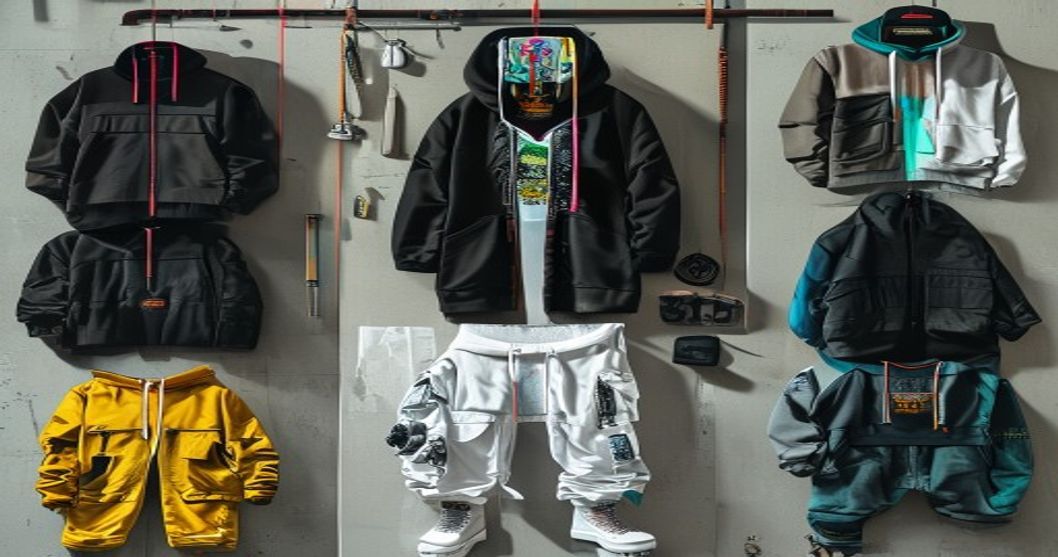
In terms of emerging trends, sustainability in streetwear is gaining momentum as consumers demand more responsible practices from their favorite labels. The use of eco-friendly materials such as organic cotton, recycled plastics, and sustainable dyes is becoming standard, helping to lower the carbon footprint of production while preserving the vibrant, rebellious spirit of the style. Brands are also focusing on transparency and circular fashion models to extend garment lifecycles and reduce waste in meaningful ways that benefit the planet.
Digital fashion nft drops represent another exciting development, introducing virtual wearables that users can wear in online platforms and games. These nft drops create scarcity and value through digital ownership, allowing streetwear enthusiasts to participate in fashion without physical constraints and experiment with bold designs in virtual realms. This trend is reshaping how style is consumed in the digital age by blending technology with creative expression.
The growth of global streetwear markets, especially in Asia, underscores the genre’s worldwide appeal and potential for continued expansion. Cities across China, Japan, and Southeast Asia are hubs for creativity, where local designers mix traditional motifs with contemporary street elements to create fresh interpretations. Expansion into other regions like Latin America and the Middle East further diversifies the landscape, promoting cross-cultural dialogues and new market opportunities that promise to keep streetwear dynamic and relevant for years to come.

I’ve always loved curating unique looks and exploring how personal style can tell a story. Working as a freelance fashion enthusiast, I enjoy discovering emerging designers and sharing practical tips for building a timeless wardrobe.