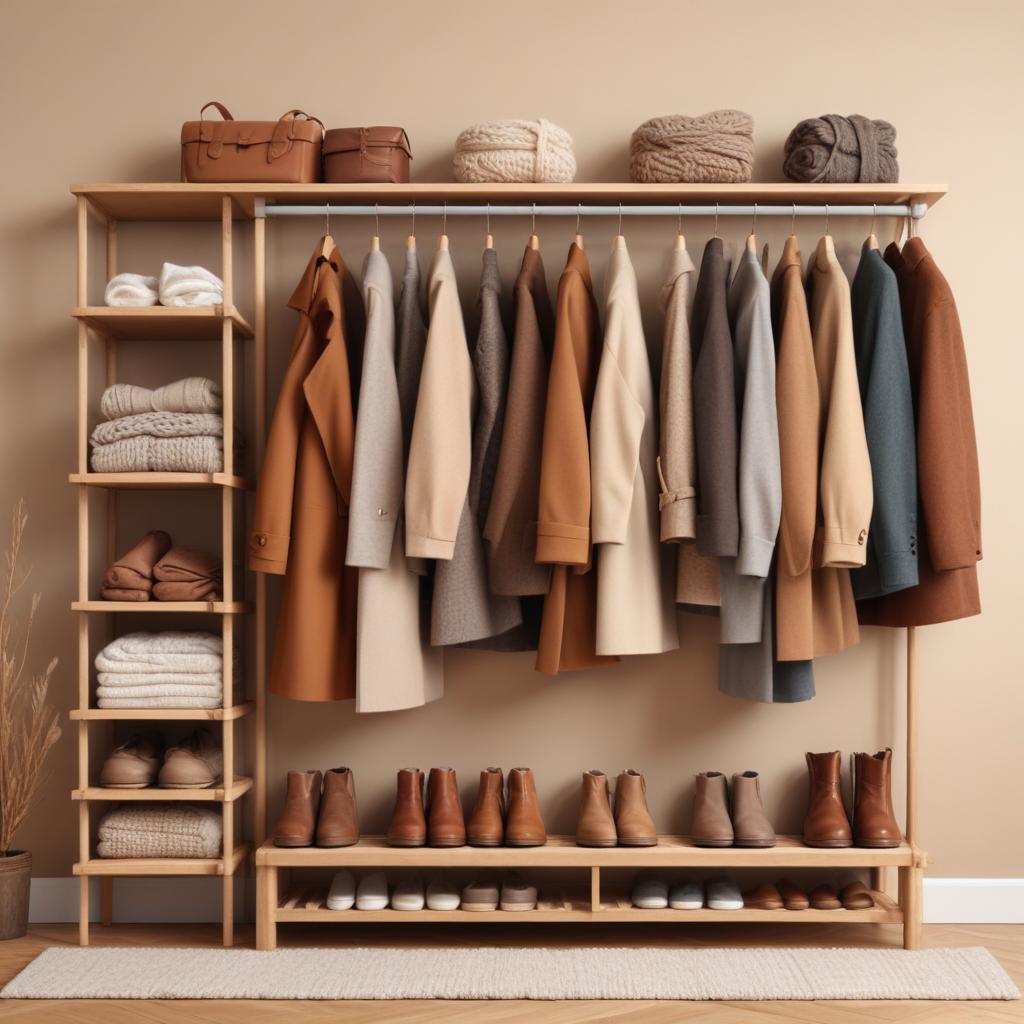
Understanding Seasonal Fashion Changes
Seasonal fashion refers to the cyclical changes in clothing styles and trends that correspond to the different seasons of the year. As the weather shifts from winter to spring, summer to autumn, fashion trends naturally evolve to adapt to both the environment and the cultural moods associated with each time of year. This constant evolution in style helps to keep wardrobes fresh and relevant, allowing individuals to express themselves while staying comfortable and practical.
The reasons behind seasonal fashion changes are multifaceted. First and foremost, the climate directly influences the types of fabrics, colors, and garment styles that are worn. For instance, heavier and warmer materials like wool and tweed dominate the colder months, while lighter fabrics such as cotton and linen become popular in warmer seasons. Beyond practical considerations, seasonal changes also create opportunities for designers to innovate and for fashion enthusiasts to explore new trends, rejuvenating the fashion landscape with each turn of the calendar.
Fashion trends driven by season changes reflect broader style evolution over time. Each season brings a fresh palette of colors, silhouettes, and accessories that complement the mood and atmosphere of that period. This ongoing transition encourages consumers to periodically update their wardrobes, selecting pieces that are seasonally appropriate and on-trend. It also fosters a dynamic relationship between the wearer and their clothing, promoting versatility and creativity in styling choices.
Understanding and embracing seasonal fashion changes can significantly impact wardrobe choices. Rather than sticking to a static set of clothes year-round, adapting to seasonally influenced trends allows one to optimize comfort, functionality, and visual appeal. Investing in key seasonal pieces—such as a stylish coat for winter or a breezy dress for summer—not only enhances personal style but also ensures that the wardrobe remains practical and enjoyable throughout the year. Seasonal fashion, therefore, is a fundamental aspect of how individuals navigate style evolution and maintain a fresh, contemporary look year after year.
Factors Influencing Seasonal Trends
Seasonal fashion trends are shaped by a combination of key fashion trends factors that designers and brands carefully consider. One of the most significant influences is climate impact, as changing weather patterns dictate the materials, colors, and styles that are practical and appealing each season. For example, colder months often bring heavier fabrics and layered looks, while warmer seasons inspire lighter, breathable clothing and vibrant palettes.
Cultural influence also plays a vital role in determining seasonal fashion changes. Traditions, holidays, and regional customs can inspire collections and drive consumer preferences, resulting in unique styles that resonate with specific audiences. Designers often tap into cultural themes to create relevant and meaningful apparel that aligns with the spirit of the season.
Market trends and consumer demand further shape seasonal fashion directions. Retailers track purchasing habits and emerging preferences to adjust their offerings accordingly. Factors such as sustainability, technological advancements in fabric, and shifts in lifestyle habits also contribute to how seasons evolve in fashion. By balancing climate impact, cultural influence, and market trends, the fashion industry continually adapts to meet both practical needs and aesthetic desires linked to each season.
History of Seasonal Fashion
The history of seasonal fashion reveals a fascinating journey of continual change and adaptation, closely tied to cultural shifts and technological advancements. From ancient times, clothing styles evolved in response to the varying demands of different seasons, reflecting the availability of materials and the need for comfort. Seasonal style evolution has often mirrored the social and economic conditions of each era, with past trends showcasing the dynamic relationship between fashion and environment.
Throughout fashion history, cycles have played a significant role. Seasonal trends frequently reappear, reinterpreted for contemporary tastes and contexts. This cyclic nature of fashion means that styles considered vintage or outdated often inspire new collections, blending nostalgia with modern aesthetics. Designers and consumers alike experience this ebb and flow, which sustains the vibrancy and constant renewal of fashion culture.
Fashion cycles emphasize how seasonal style evolution is not simply linear progression but a repetitive pattern where elements from past trends resurface. The return of certain silhouettes, fabrics, and colors is a testament to fashion’s inherent connection to its own history. By understanding these cycles, one gains insight into how designers predict and revive seasonal fashion, ensuring trends remain fresh yet familiar.
In sum, the history of seasonal fashion embodies an intricate dance between change and repetition. Its continual transformation, grounded in the past yet perpetually evolving, highlights the enduring impact of fashion history on today’s style choices and the cyclical nature of seasonal fashion trends.
Seasonal Wardrobe Essentials
Building a functional wardrobe requires understanding the key fashion pieces and style staples essential for each season. By investing in the right wardrobe essentials and seasonal clothing, you ensure your closet is versatile, practical, and always on point.
Spring calls for lightweight layers and breathable fabrics. Essential pieces include neutral-colored trench coats, light cardigans, and versatile blouses. A pair of tailored trousers or midi skirts work well alongside comfortable sneakers or ankle boots. Adding a colorful scarf or a classic watch can effortlessly elevate your look while keeping it practical for unpredictable weather.
Summer wardrobe essentials focus on staying cool and stylish. Key fashion pieces include cotton or linen dresses, tank tops, and shorts in light, airy fabrics. Don’t forget swimwear for beach or pool days, along with stylish sandals and wide-brimmed hats for sun protection. Lightweight sunglasses and a crossbody bag function as both accessories and practical items for all your summer outings.
As the temperature drops in autumn, layering becomes crucial. Invest in cozy sweaters, denim jackets, and leather boots to navigate the cooler weather effortlessly. A well-fitted blazer and dark-wash jeans add sophistication to casual looks. Accessories like knit scarves and beanies not only add warmth but also complete your autumn style staples for a polished and comfortable outfit.
Winter demands warmth without sacrificing style. Essential winter wardrobe items include insulated coats, wool sweaters, and thermal leggings. Boots with good traction, gloves, and thick knit hats are must-haves for colder climates. You can also incorporate statement pieces like a chunky knit scarf or a brightly colored parka to liven up the often monochromatic winter palette while ensuring comfort and protection.
By carefully selecting these seasonal essentials and integrating key fashion pieces, your wardrobe will be both functional and stylish year-round. Aligning your style staples with the changing weather allows you to effortlessly transition between seasons while maintaining a cohesive and fashionable look.
Spring and Summer Must-Haves
| Fashion Piece | Material | Colors | Styles |
|---|---|---|---|
| Light Dresses | Cotton, Linen | Pastels, Whites, Bright Florals | Flowy, A-line, Wrap |
| T-Shirts & Tops | Organic Cotton, Bamboo | Neutrals, Soft Blues, Pinks | Fitted, Crop Tops, V-neck |
| Shorts & Skirts | Linen, Light Denim | Khaki, White, Soft Prints | High-waisted, Pleated, Mini |
| Light Cardigans & Jackets | Lightweight Knit, Chambray | Beige, Light Gray, Soft Pastels | Open Front, Cropped, Button-down |
| Footwear | Canvas, Leather | Neutral Tones, White | Sandals, Espadrilles, Slip-ons |
| Accessories | Straw, Light Fabrics | Natural, Bright Accents | Wide Brim Hats, Lightweight Scarves |
Fall and Winter Clothing Staples
When it comes to fall fashion and winter clothing, mastering the art of layering is essential for staying warm and stylish. Key pieces such as cozy sweaters, thermal tops, and lightweight fleece jackets serve as versatile layering basics that trap heat while allowing you to adapt to changing temperatures throughout the day. Opt for fabrics like wool, cashmere, and flannel, which provide warmth and bring rich texture into your wardrobe.
Investing in high-quality cold weather gear is a must; think insulated coats, puffer jackets, and waterproof outerwear that shield you from harsh wind, rain, and snow. Accessories like scarves, gloves, and hats not only enhance your comfort but also add unique layers of texture and color to your ensemble. Mixing and matching these items helps you create a practical yet fashionable look that transitions seamlessly from brisk fall days to the deep chill of winter.
Don’t forget versatile pieces such as long-sleeve shirts, turtlenecks, and cardigans that act as transitional layers, perfect for both casual outings and more polished occasions. Footwear also plays a significant role—water-resistant boots with sturdy soles provide necessary traction on slippery surfaces while adding an element of rugged sophistication. By focusing on layering basics with attention to warmth and texture, your fall and winter wardrobe will be both functional and chic.
Tips for Transitioning Your Style Between Seasons
Successfully managing a style transition between seasons involves practical planning and smart wardrobe choices. To adapt your outfits for changing weather while maintaining fashion adaptability, consider layering techniques that allow you to add or remove pieces with ease. Layering is an essential strategy as it grants flexibility and comfort whether temperatures dip or soar throughout the day.
Start by building a base with lightweight essentials such as cotton tees and thin long-sleeved shirts. These foundational pieces work well for both warmer and cooler days and can be paired effortlessly with heavier items. Adding a cardigan, denim jacket, or light blazer on top allows you to adjust your outfit according to the temperature, supporting the seamless style transition from one season to another.
Incorporate versatile seasonal outfit tips by selecting fabrics that work well in multiple climates. For example, linen blends offer breathability for spring but also enough coverage for mild autumn days. Similarly, switch between ankle boots and loafers to adapt your footwear without sacrificing style or comfort.
Accessories also play a role in the style transition process. Scarves, hats, and lightweight gloves can enhance your look while providing extra warmth when needed. Seasonal colors and patterns that overlap between two seasons can make the shift appear intentional and stylish rather than abrupt.
Ultimately, embracing fashion adaptability means being prepared to adjust your outfit to the day’s conditions while keeping your style intact. Prioritize mixing and matching key pieces and layering tools to maintain chic, practical looks that flow effortlessly from one season to the next.
Layering Strategies for Mixed Weather
When it comes to mastering layering fashion for mixed weather, the key is versatility and adaptability. Outfit layering allows you to maintain comfort and style despite unpredictable seasonal changes, by combining pieces that are both functional and fashionable.
Start with a lightweight base layer that breathes well, such as a cotton or moisture-wicking top. This foundation helps regulate body temperature, keeping you comfortable throughout the day. Add a mid-layer, like a thin sweater or cardigan, which provides warmth yet can easily be removed if temperatures rise. The outer layer should be weather-resistant—a jacket or coat that shields against wind and rain is ideal.
Seasonal layers can be mixed and matched to suit changing conditions. Choose neutral colors for base and mid-layers for easier coordination, and add a bold or patterned outer layer to elevate your mixed weather style. Accessorizing with scarves, hats, or gloves can also enhance your look while offering additional warmth when needed.
Remember, layering fashion is not just about piling on clothes but combining textures and weights to create a balanced outfit. This strategic approach to outfit layering ensures you remain stylish and comfortable, no matter how unpredictable the weather becomes.
Incorporating Accessories for Seasonal Change
Updating your wardrobe for new seasons doesn’t always mean a complete overhaul. One of the most effective ways to refresh your look is by incorporating fashion accessories that reflect the essence of the season. Seasonal accessories, such as scarves, hats, belts, and jewelry, can enhance your style without the need to replace your entire outfit. By strategically using these pieces, you create transition accessories that bridge the gap between seasons smoothly and stylishly.
For instance, in cooler seasons, adding a chunky knit scarf or a wide-brimmed hat can add warmth and texture to simple outfits, instantly making them season-appropriate. Conversely, delicate layered necklaces or lightweight silk scarves work beautifully in spring and summer, bringing a fresh and airy vibe to your look. Opting for seasonal accessories in colors and materials that resonate with the current season is an excellent way to keep your wardrobe feeling relevant without breaking the bank.
The key to style enhancement through accessories is versatility and intentional pairing. Mix and match your existing clothes with statement bags, boots, or seasonal jewelry to create new outfit combinations. This technique keeps your style dynamic and helps you express your personality as the seasons change. Ultimately, using accessories as seasonal accents allows you to maintain your core wardrobe while enjoying the excitement of seasonal fashion changes.

I’ve always loved curating unique looks and exploring how personal style can tell a story. Working as a freelance fashion enthusiast, I enjoy discovering emerging designers and sharing practical tips for building a timeless wardrobe.