Understanding Delicate Fabrics
Delicate fabrics are textiles that require special attention and care due to their composition, structure, and sensitivity. These fabric types often have fibers that are finer, softer, or more prone to damage compared to more durable materials. Understanding what qualifies fabrics as delicate is essential for proper textile care, helping to maintain the quality and longevity of your clothing.
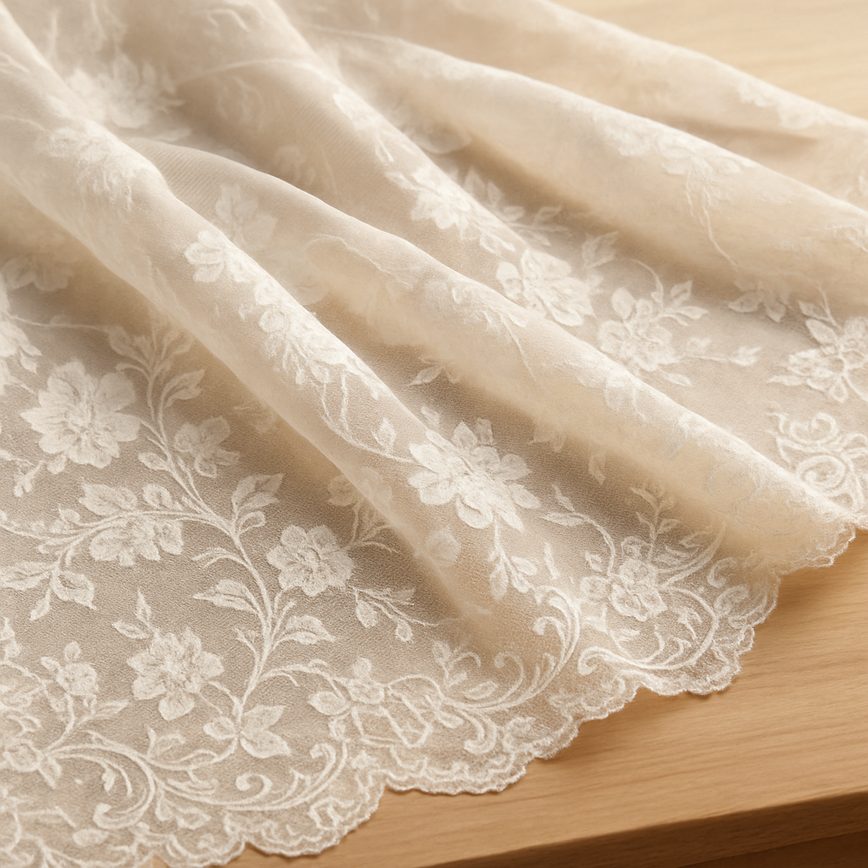
Common delicate fabrics include silk, lace, and wool, each distinct in texture and care needs. Silk, a natural protein fiber produced by silkworms, is valued for its smoothness and sheen but can easily be damaged by harsh detergents, high heat, or rough handling. Lace, often made from cotton, silk, or synthetic fibers, is known for its intricate open-weave design, which makes it vulnerable to snags and tears if not handled gently. Wool, sourced from sheep or other animals like alpacas and cashmere goats, is prized for its warmth and softness but can shrink or felt if exposed to improper washing techniques or extreme temperatures.
These fabrics require specialized care routines because their delicate fibers can weaken or deform when exposed to aggressive cleaning methods or environmental stressors. For instance, the natural elasticity and moisture retention of wool mean it needs washing in cool water with mild detergents and gentle agitation to avoid felting. Silk’s protein structure demands hand washing or low-temperature machine cycles with silk-specific detergents to preserve its lustrous surface. Lace, due to its detailed craftsmanship, benefits from being washed in protective mesh bags or by hand to prevent damage.
Fabric types identified as delicate usually have lower abrasion resistance and can lose their shape or finish if treated with conventional laundering techniques. Ensuring proper textile care by understanding the specific needs of delicate fabrics is key to extending the life of your clothing materials. This includes choosing appropriate detergents, washing methods, drying procedures, and storage to safeguard these precious textiles.
In summary, delicate fabrics like silk, lace, and wool require thoughtful care because their unique structure and natural properties make them susceptible to damage. Familiarizing yourself with these fabric types and their specific care needs will help you maintain the beauty and longevity of your clothing materials effectively.
Common Types of Delicate Clothes
Delicate clothing types require special attention due to their unique fabrics and textures. Silk blouses, for instance, are prized for their smooth and luxurious feel but demand gentle care to avoid damage from harsh detergents or high heat. Silk tends to be sensitive to water temperature and friction, making handwashing or dry cleaning the best options.
Lace dresses are another type of delicate clothing that showcases intricate, openwork patterns. The fine threads that form lace are easily snagged or torn, so it’s essential to handle these garments with care. Washing lace dresses usually involves using a mesh bag for protection during a gentle cycle or opting for professional cleaning to maintain their delicate appearance.
Wool sweaters, while warm and cozy, belong to delicate clothing types that can easily shrink or lose shape if not cared for correctly. Wool fibers are prone to felting, so it’s best to wash them in cold water by hand or with a wool-specific detergent, followed by flat drying to retain their softness and size. Avoid wringing or hanging to prevent stretching.
Understanding the care challenges posed by these fabrics helps in preserving their beauty and extending the life of delicate clothes. Each type, from silk to lace to wool, requires tailored care routines to keep them looking their best.
Why Care Matters for Delicate Garments
Improper care of delicate clothes can lead to severe fabric damage, significantly reducing the lifespan of your garments. Common risks include shrinking, tearing, and color fading, all of which can irreversibly ruin delicate fabrics. These damages often result from harsh washing cycles, incorrect water temperatures, or the use of inappropriate detergents. For example, delicate fabrics like silk or lace are especially vulnerable to shrinking when exposed to high heat, while rough handling can cause tears along seams or delicate threads.
Color fading is another frequent issue when delicate clothes are washed improperly. Aggressive washing or exposure to direct sunlight can bleed or dull vibrant colors, diminishing the visual appeal of your clothing. Therefore, understanding the care importance is crucial to maintain the beauty and integrity of these precious pieces.
Proper handling and maintenance of delicate clothes are essential to ensuring their clothing longevity. Gentle washing methods, such as hand washing or using a delicate cycle with mild detergents, help protect the fabric’s structure and color. Additionally, air drying instead of machine drying reduces the risk of shrinking and fabric stress. Taking these simple yet effective precautions safeguards your wardrobe investment.
In conclusion, being mindful of how you care for delicate garments empowers you to keep them looking fresh and intact for years. Prioritizing delicate clothes maintenance prevents fabric damage and enhances clothing longevity, making conscientious care an indispensable aspect of clothing ownership.
Best Practices for Washing Delicate Clothes
| Step | Instructions | Tips |
|---|---|---|
| 1. Sort Your Laundry | Separate delicate clothes from heavier fabrics to prevent damage. Wash similar colors together to avoid color bleeding. | Use a mesh laundry bag to protect particularly fragile items. |
| 2. Choose Suitable Detergents | Use a mild detergent specifically formulated for delicate fabrics. Avoid harsh chemicals and bleach which can weaken fibers. | Look for detergents labeled “gentle” or “for delicates” to ensure proper laundry care. |
| 3. Hand Wash Technique | Fill a basin with lukewarm water and add a small amount of detergent. Gently submerge clothes and swirl them for a few minutes without scrubbing. | Let clothes soak for 5 to 10 minutes, then rinse thoroughly with cool water to remove soap. |
| 4. Water Temperature Guidelines | Use cold or lukewarm water (usually under 30°C or 86°F) to prevent shrinkage and color fading. Hot water can damage delicate fibers. | Always check care labels to confirm water temperature recommendations for each garment. |
| 5. Drying & Handling | After washing, gently press water out without wringing. Lay flat on a towel to air dry, reshaping garments as needed to maintain their form. | Avoid hanging wet delicate clothes, which can cause stretching and distortion. |
Hand Washing Techniques
Hand washing delicate fabrics requires a gentle approach to ensure longevity and prevent damage. Using the right technique along with a delicate detergent can help maintain your clothing’s softness and quality. Follow these washing tips to get the best results.
- Fill a basin or sink with lukewarm water and add a small amount of delicate detergent. Mix gently to create a soapy solution perfect for a gentle wash.
- Submerge the delicate garment and allow it to soak for about 5 to 10 minutes. This helps loosen dirt without harsh scrubbing.
- Gently agitate the fabric by swishing it around in the water, using your hands to lightly move the fibers without stretching or twisting.
- Drain the soapy water and refill the basin with clean, lukewarm water for rinsing. Swish the garment in the water to remove detergent residue. Repeat rinsing if necessary.
- After rinsing, press the fabric gently against the basin sides to remove excess water. Avoid wringing or twisting, which can cause fabric distortion.
- Lay the delicate item flat on a clean towel, roll it up to absorb moisture, then reshape and dry flat on a fresh towel away from direct sunlight or heat sources.
By following these hand washing steps and using a delicate detergent, you can extend the life of your fragile fabrics while keeping them fresh and vibrant.
Machine Washing Tips for Delicates
When machine washing delicates, it is essential to use the right settings to protect your delicate clothes from damage. Always choose the delicate cycle on your washing machine, which uses slower agitation and a gentler wash to prevent stretching or tearing. Selecting this cycle helps maintain the fabric’s integrity and prolongs the life of your garments.
Another key tip is to use mesh laundry bags when washing delicate items. These bags act as a protective barrier, reducing friction and preventing items from tangling or snagging on other clothing or the washing machine drum. Simply place your delicate pieces inside the mesh bag before putting them into the machine for a safer wash.
Choosing mild detergents is also crucial for machine wash delicates. Harsh detergents can weaken fibers and fade colors, so opt for gentle, specialized detergents formulated for delicate fabrics. These detergents clean effectively without stripping natural oils or causing damage.
Finally, avoid overloading the washing machine, as this can prevent clothes from moving freely and increase wear. By carefully selecting the delicate cycle, using mesh laundry bags, and choosing mild detergents, you can confidently machine wash delicates while preserving their beauty and softness.
Drying and Storing Delicate Clothing
Properly drying delicates is essential to preserving their fabric quality and ensuring longevity. One of the best methods for drying delicates is air drying. This technique involves laying the garment flat on a clean, dry towel or using a drying rack, allowing air to circulate freely around the fabric. Air drying helps maintain the shape and texture of delicate clothing, especially those made from materials like silk, lace, or fine knits.
When drying delicates, it’s important to avoid direct heat sources such as radiators, hair dryers, or direct sunlight. Heat can cause fibers to weaken, shrink, or lose their softness. Instead, place your items in a shaded, well-ventilated area that promotes gentle drying without exposure to harsh elements. Avoid wringing or twisting wet delicate clothes, as this can distort their shape and damage the fabric structure.
For delicate items that tend to lose their shape easily, consider reshaping them gently while damp before laying them flat to dry. This precaution helps preserve their original fit and prevents stretching or sagging. Using hangers designed for delicate fabrics with padded or wide shoulders is also beneficial when air drying on a rack, as it reduces stress points and lines on the fabric.
When it comes to clothing storage, proper techniques are key to maintaining the integrity of your delicate garments over time. Always store delicate clothing in a clean, dry, and cool environment to prevent fabric degradation. Avoid overcrowding your storage space as compressed fabrics can lead to unwanted wrinkles and permanent creases. Use breathable garment bags or cotton storage boxes instead of plastic, which can trap moisture and promote mold growth.
Folding delicates carefully rather than hanging them is recommended for very fine fabrics that can stretch under their own weight. For items that must be hung, use high-quality padded hangers to maintain shape. Incorporating acid-free tissue paper between folds can further protect fabrics from friction and damage. Additionally, regularly rotating your stored delicate clothing ensures even wear and helps prevent prolonged pressure on one area.
In summary, air drying and avoiding direct heat sources are crucial for drying delicates properly, while thoughtful clothing storage techniques help preserve fabric texture and shape. By following these practices for drying delicates and clothing storage, you can extend the life of your most fragile and treasured garments, keeping them looking their best for years to come.
Effective Drying Methods
When it comes to drying delicate fabrics, the best approach is to rely on gentle methods that maintain the integrity of the material. Air drying is the preferred technique because it avoids the harsh effects of heat that can damage delicate clothes. Hanging your garments in a well-ventilated area allows the moisture to evaporate naturally without stressing the fibers.
For certain delicate items, drying flat is crucial. This method prevents stretching and deformation that can occur when clothes are hung while wet. Lay the garment on a clean, dry towel and reshape it carefully before leaving it to dry. This ensures that the fabric retains its original shape and size, extending the life of your delicate clothes.
It’s important to avoid direct sunlight during drying, as UV rays can weaken and fade delicate fabrics over time. Similarly, using a tumble dryer or any source of direct heat can lead to shrinkage, distortion, or color loss. By steering clear of these drying methods, you protect the softness and appearance of your delicate garments.
In summary, air drying, combined with drying flat and avoiding heat, provides the most effective drying methods for delicate fabrics. These approaches help maintain the quality and longevity of your clothes, keeping them looking fresh and new for much longer.
Storing Delicate Clothes Safely
Proper clothing storage is crucial for delicate garment care to ensure your pieces remain in pristine condition. One of the best storage tips is to fold delicate clothes gently, avoiding harsh creases that can damage fibers. Use acid-free tissue paper between folds to help prevent wrinkles and maintain the garment’s shape.
Hanging delicate clothes requires special attention; opt for padded hangers to provide soft, even support and avoid shoulder bumps or stretching. These hangers are especially useful for lightweight fabrics such as silk or lace. Avoid wire or thin plastic hangers since they can deform your garments over time.
Protecting your delicate clothes from moisture and pests is another essential aspect of clothing storage. Store garments in a cool, dry place to prevent mildew and mold growth. Consider using moisture-absorbing packets or cedar blocks within your wardrobe to control humidity and deter moths and other pests naturally.
Finally, regularly check on your stored clothing to ensure no damage has occurred and to air them out occasionally. By following these clothing storage techniques, you can prolong the life of your delicate garments and keep them looking fresh and beautiful for years to come.

I’ve always loved curating unique looks and exploring how personal style can tell a story. Working as a freelance fashion enthusiast, I enjoy discovering emerging designers and sharing practical tips for building a timeless wardrobe.