Introduction to Denim
Denim is a durable cotton twill fabric that has a fascinating history that traces back several centuries. The term “denim” itself is believed to have originated from the French phrase “serge de Nîmes,” referring to the town of Nîmes in France where the fabric was first produced. Initially, denim was a strong fabric used for workwear due to its durability and ability to withstand rough conditions.
The origins of denim fabric date back to the late 17th century, and it was primarily used to make sturdy clothing for laborers, miners, and cowboys in the United States. The fabric’s unique weaving technique creates a diagonal ribbing pattern that contributed to its strength and made it perfect for heavy-duty activities. The indigo dye used in denim gave it a distinctive blue color, which remains iconic even today.
Denim’s popularity surged in the 19th century during the California Gold Rush when Levi Strauss, a Bavarian immigrant, started producing durable denim pants reinforced with rivets for miners. These jeans were designed to endure the physical demands of hard labor and became a symbol of rugged workwear. Over time, denim evolved from purely functional clothing to a fashion staple recognized worldwide.
In addition to its robust construction, the cultural significance of denim also played a role in its widespread adoption. Denim jeans became popular with various subcultures, from cowboys to rock stars to rebels of the 1950s and beyond. This fabric was embraced as a symbol of freedom, comfort, and nonconformity, helping it transition into mainstream fashion. Today, denim fabric is used not only in jeans but also in jackets, skirts, shirts, and accessories, making it one of the most versatile and loved textiles globally.
Understanding what is denim and its rich history helps us appreciate why this fabric has remained a timeless favorite. Its durability combined with a cultural legacy of independence and resilience continues to make denim an essential part of wardrobes across ages and styles.
History and Evolution
The history of denim traces back to its origins as durable workwear in the late 19th century. Originally crafted for miners and laborers, denim’s sturdy twill weave made it ideal for enduring tough conditions. The fabric’s popularity surged with the invention of riveted jeans by Levi Strauss and Jacob Davis in 1873, marking a significant milestone in denim origin. This innovation solidified denim’s association with functionality and resilience.
Throughout the early 20th century, denim remained synonymous with workwear, predominantly worn by blue-collar workers. However, post-World War II, denim began its evolution beyond industrial use. Hollywood played a pivotal role in transforming denim into a fashion statement when icons like James Dean and Marlon Brando donned jeans in popular films, signaling its shift from purely practical garment to cultural symbol.
In the decades that followed, historical denim saw various reinterpretations—moving from the rebellious youth culture of the 1950s and 60s to mainstream fashion in the 1970s and beyond. Designers introduced styles ranging from bell-bottoms to skinny fits, expanding denim’s appeal. Today, denim continues to evolve, blending its rugged heritage with contemporary trends, making it a timeless element of both workwear and fashion.
Understanding Denim Fabric
Denim fabric is primarily composed of cotton fibers, which provide the material with its characteristic strength and breathability. The cotton used in denim is typically long-staple, ensuring durability and a soft hand feel after multiple washes. This natural fiber base is what makes cotton denim a preferred choice for both casual and workwear due to its comfort and robustness.
The weaving technique used to create denim fabric is unique and vital to its identity. Denim is woven using a twill weave, which produces the diagonal ribbing pattern visible on the reverse side of the fabric. This weaving method not only reinforces the strength of denim but also gives it a distinctive texture and appearance. The warp threads are dyed, most commonly with indigo dye, while the weft threads remain white, resulting in the classic blue and white look associated with denim.
There are several denim fabric types, each varying in weight, color, and finish. Raw or unwashed denim, for instance, is stiff and dark, while washed denims offer softer textures and diverse shades influenced by different washing processes like stone washing or enzyme washing. Variations can also include stretch denim, which incorporates elastic fibers for added flexibility. Understanding these types helps in choosing the right denim material for specific fashion needs or functional purposes.
Types and Styles of Denim
Denim is a timeless fabric that has evolved into numerous denim styles, each offering unique aesthetics and fits. When exploring denim types, it’s essential to understand the variations in cuts, washes, and fits that define jeans styles today.
The most popular denim cuts include straight leg, skinny, bootcut, flare, and relaxed fit. Straight leg jeans offer a classic silhouette that fits comfortably through the leg without tapering or widening. Skinny jeans hug the body closely from waist to ankle, providing a sleek and modern look. Bootcut jeans widen slightly at the hem, making them ideal for wearing over boots. Flare jeans feature a pronounced widening from the knee downward, a style reminiscent of the 70s fashion era. Relaxed fit denim gives extra room in the thigh and seat area, ensuring maximum comfort for casual wear.
Denim washes play a critical role in the appearance and texture of jeans. Raw or dry denim is untreated and stiff, often preferred by those who enjoy breaking in their jeans for a personalized fit and fade. Light washes provide a capri look with a faded, worn appearance, perfect for casual summer styles. Medium washes are the most versatile, balancing wear with a touch of color depth. Dark washes maintain the rich indigo color and are often favored for more formal or professional settings. Acid washes and distressed finishes add boldness, featuring bleaching or shredding effects that cater to edgy street-style preferences.
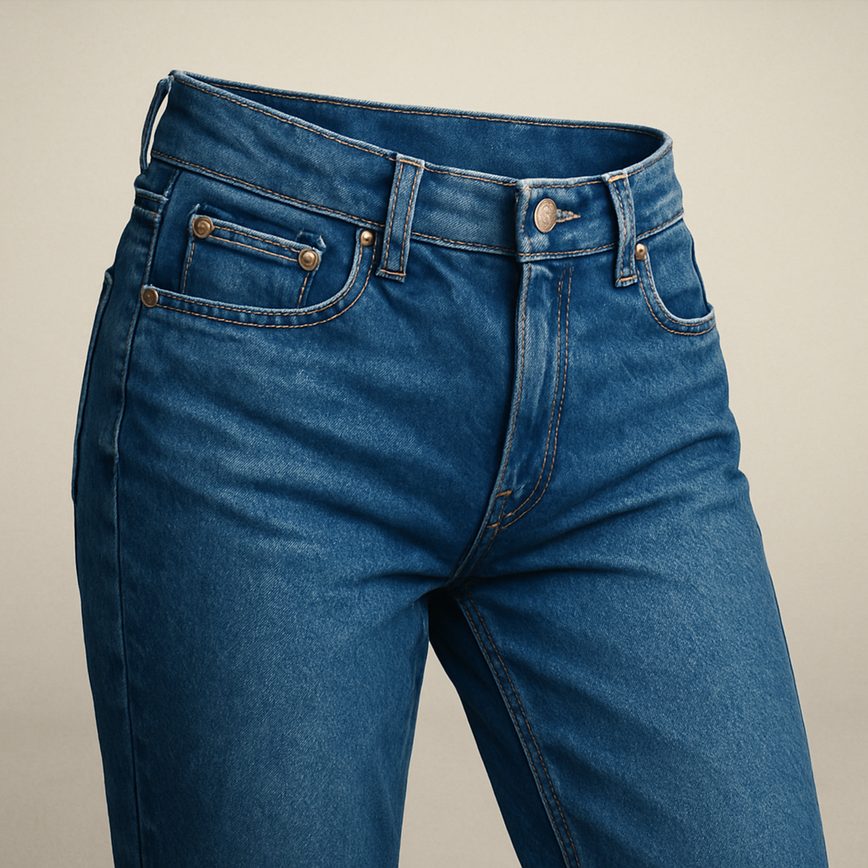
When it comes to fits, designers have expanded the scope beyond traditional styles to include high-rise, mid-rise, and low-rise waists. High-rise denim styles accentuate the waistline and elongate the legs, making them popular in vintage-inspired fashion. Mid-rise jeans strike a balance suitable for everyday wear, while low-rise jeans create a casual, laid-back vibe. Additionally, tapered fits narrow towards the ankle, blending comfort with a contemporary look, while wide-leg denim offers a breezy and relaxed style.
In sum, the world of denim types and jeans styles is diverse, accommodating a wide range of preferences and occasions. Whether you prefer the classic appeal of straight leg jeans or the boldness of acid washes, understanding these cuts, washes, and fits will help you choose the perfect pair for your wardrobe.
Common Denim Styles
Denim comes in a variety of styles, each offering a unique fit and look to suit different preferences and occasions. Among the most popular styles are skinny jeans, straight leg jeans, and bootcut denim, each distinctive in its design and silhouette.
Skinny jeans are known for their tight fit that hugs the legs from the waist down to the ankles. This style accentuates the shape of the legs, creating a sleek and modern look. Skinny jeans are incredibly versatile, pairing well with everything from casual tees to dressier tops, making them a staple in many wardrobes.
Straight leg jeans, as the name suggests, have a consistent width from the thigh down to the hem. They provide a more relaxed fit compared to skinny jeans but maintain a clean, streamlined appearance. This classic cut offers comfort without compromising style, making it an excellent choice for everyday wear.
Bootcut denim is characterized by a slight flare at the bottom of the leg, designed originally to accommodate boots underneath. This subtle widening creates a balanced silhouette by contrasting the fitted thigh and knee areas. Bootcut jeans offer a timeless, casual vibe and are perfect for adding a bit of flair to your denim collection.
Each denim style serves a different purpose in fashion, whether you want form-fitting skinny jeans, versatile straight leg jeans, or the classic appeal of bootcut denim. Understanding their differences helps you choose the right pair for your style and comfort needs.
Denim Washes and Finishes
Denim washes and finishes play a crucial role in defining the style and character of your jeans. One of the most beloved types is raw denim, which is untreated and unwashed, offering a stiff texture that softens with wear and molds uniquely to the body. Raw denim provides a classic, deep indigo shade that fades beautifully over time, creating a personalized look.
Stone wash is another popular finish that uses pumice stones during the washing process to soften the fabric and give it a slightly worn appearance. This method lightens the denim’s color and enhances comfort while maintaining durability. Acid wash, by contrast, involves chemicals that create a dramatic, marbled effect. This finish gained popularity in the 1980s for its edgy, vintage vibe and continues to appeal to those who enjoy bold fashion statements.
Distressed denim is styled to look naturally aged with features like frayed hems, rips, and abrasions that suggest years of use. This finish adds a rugged, casual aesthetic and is often combined with other washing techniques such as stone washing for a unique texture and visual interest. Each of these denim washes and finishes offers different benefits and appearance, allowing you to select the perfect jeans to match your style preferences and lifestyle needs.
Sustainable Denim Options
When it comes to sustainable denim, eco-friendly jeans are making a significant impact in the fashion world. One of the most popular options is organic cotton denim, which is grown without harmful pesticides and synthetic fertilizers, ensuring a healthier soil and water system. Organic cotton denim not only supports sustainable agricultural practices but also offers a softer, more breathable fabric for better comfort.
Water-saving practices are another key factor in sustainable denim production. Traditional denim manufacturing consumes a large amount of water, especially during the dyeing and finishing processes. Sustainable brands often implement innovative techniques such as laser technology, ozone washing, and water recycling systems to drastically reduce water usage. Choosing jeans made with these methods significantly cuts down environmental impact.
Moreover, ethical brands play a crucial role in promoting sustainability by ensuring fair wages and safe working conditions for their workers. These brands also tend to use eco-friendly dyes and recycled materials wherever possible, aligning their practices with environmental responsibility. Supporting these companies encourages a shift toward more mindful consumption and a greener denim industry.
In summary, opting for sustainable denim options like organic cotton denim, water-saving production methods, and ethical brands contributes to a more eco-conscious wardrobe that benefits both people and the planet.

I’ve always loved curating unique looks and exploring how personal style can tell a story. Working as a freelance fashion enthusiast, I enjoy discovering emerging designers and sharing practical tips for building a timeless wardrobe.