Understanding Gender Neutral Clothing
Gender neutral clothing refers to apparel designed without specific gender distinctions, allowing individuals to express their identity without the constraints of traditional male or female categories. This fashion trend has gained momentum in recent years, reflecting broader societal shifts towards inclusivity and acceptance of diverse gender identities. In the context of a boutique focused on fashion and clothing, gender neutral options not only cater to a wider audience but also challenge conventional fashion norms, encouraging shoppers to embrace styles that resonate with their personal aesthetics rather than societal expectations.
The Rise of Gender Neutral Fashion
The emergence of gender neutral fashion can be traced back to the late 20th century, but it has gained significant traction in the 21st century. Designers and brands are increasingly recognizing the need for inclusivity in their collections. This shift is partly driven by consumer demand for more versatile clothing options that break away from traditional gender norms. According to a recent study, a substantial portion of consumers, particularly younger generations, prefer shopping from brands that offer gender neutral clothing lines, indicating a clear market trend towards inclusivity in fashion.
Major fashion houses have begun to incorporate gender neutral designs into their collections, showcasing garments that blend elements typically associated with both men’s and women’s fashion. This includes oversized silhouettes, unisex cuts, and neutral color palettes that appeal to a broader audience. By doing so, these brands not only attract a diverse customer base but also position themselves as forward-thinking leaders in the fashion industry.
Key Characteristics of Gender Neutral Clothing
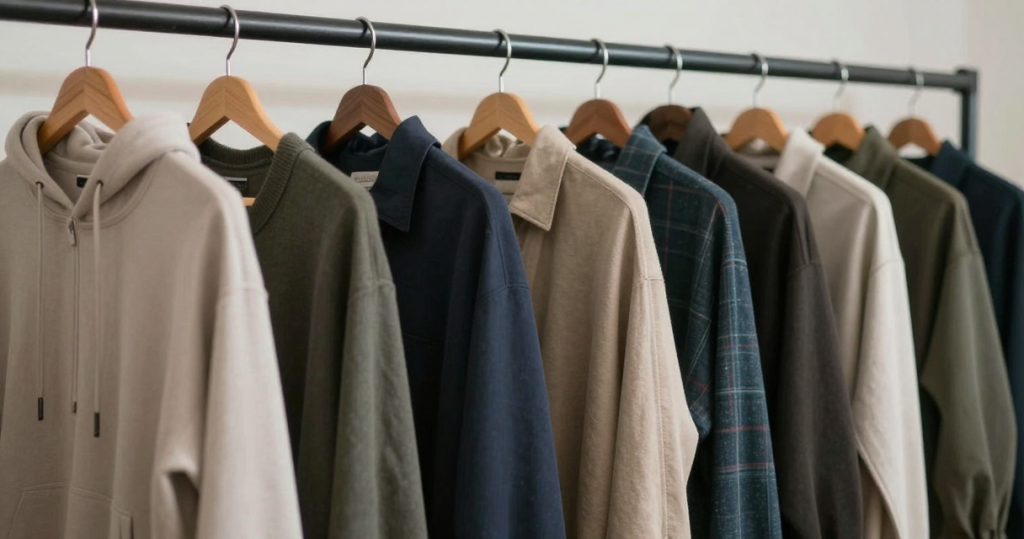
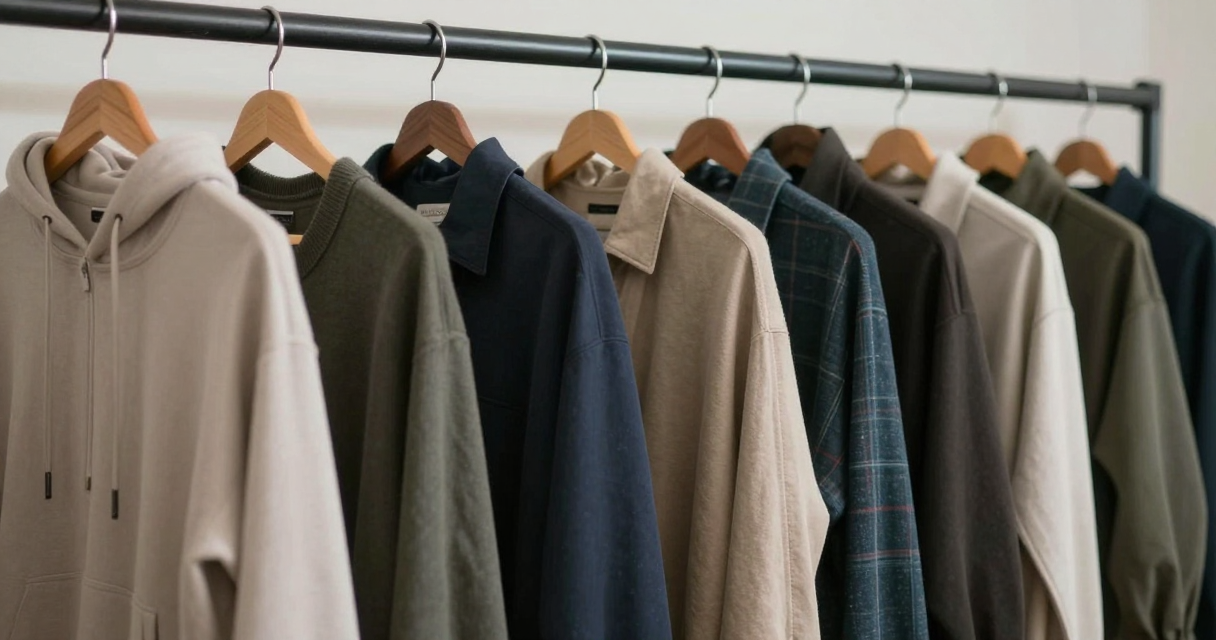
Gender neutral clothing is characterized by its versatility and inclusivity. These garments often feature relaxed fits, neutral colors, and minimalist designs that can be effortlessly styled for various occasions. For instance, oversized t-shirts, joggers, and tailored outerwear are common staples in gender neutral wardrobes. The focus is on comfort and functionality, catering to individuals who prioritize ease of wear without sacrificing style.
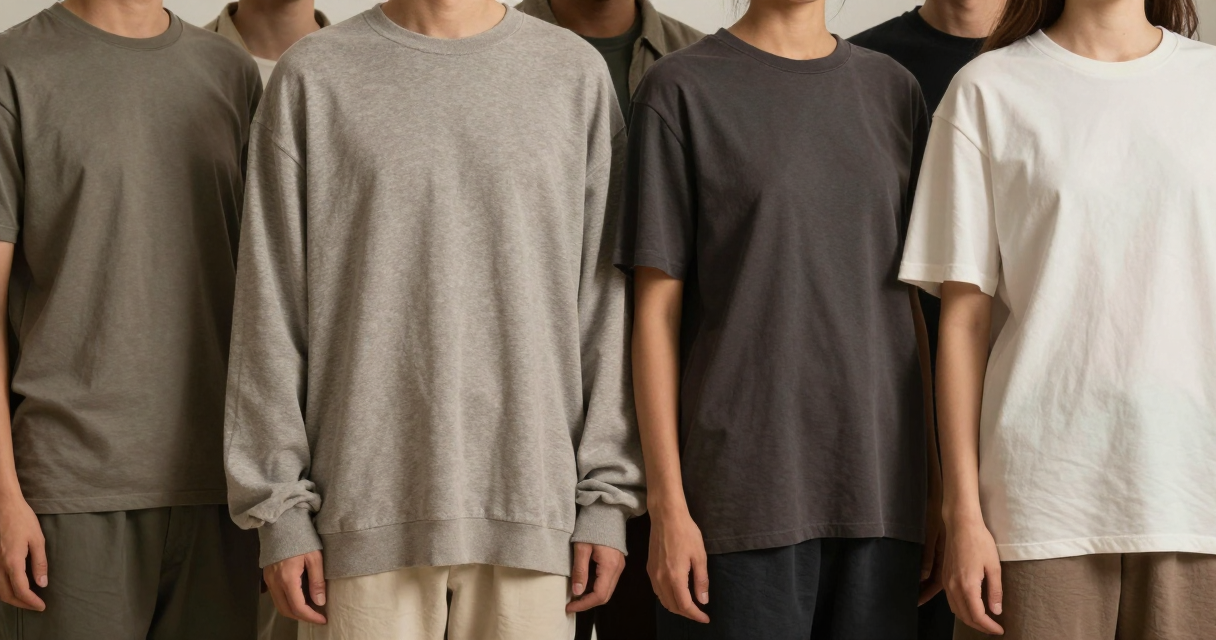
Another defining aspect of gender neutral clothing is the use of fabrics and materials that appeal to all. Soft cottons, breathable linens, and durable blends are often utilized, ensuring that the clothing feels good on the skin while maintaining a stylish appearance. Additionally, many gender neutral brands are committed to sustainable practices, using eco-friendly materials and ethical manufacturing processes, further enhancing their appeal among socially conscious consumers.
Popular Gender Neutral Brands
Several brands have emerged as leaders in the gender neutral clothing market, offering innovative designs that resonate with a diverse audience. One notable brand is Telfar, known for its unisex approach and commitment to inclusivity. Their signature shopping bags and apparel have become fashion staples, celebrated for their blend of style and accessibility. Another standout is Wildfang, which champions a tomboy aesthetic, providing clothing that empowers individuals to express their gender identity freely.
In the realm of children’s clothing, brands like Asawin are making strides by offering gender-neutral options for kids. This approach allows children to explore their identities without the limitations of traditional gendered clothing, fostering a sense of individuality from a young age. These brands exemplify how the movement towards gender neutrality is not just a trend but a fundamental shift in how we think about fashion and identity.
Styling Tips for Gender Neutral Outfits
Creating a gender neutral wardrobe involves thoughtful styling that emphasizes personal expression. One effective approach is to focus on layering. For example, starting with a simple base layer, such as a fitted t-shirt or tank top, can be complemented with oversized jackets or cardigans. This not only adds dimension to the outfit but also allows for easy transitions between casual and more polished looks.
Accessorizing is another key element in styling gender neutral outfits. Accessories like hats, scarves, and statement jewelry can enhance an outfit’s overall aesthetic and allow individuals to showcase their unique style. Footwear also plays a significant role; opting for versatile choices like sneakers or ankle boots can seamlessly tie together various looks while remaining comfortable and stylish.
The Cultural Impact of Gender Neutral Fashion
The cultural implications of gender neutral fashion extend beyond clothing; they challenge societal norms and encourage dialogue about gender identity and expression. By promoting inclusivity in fashion, this movement helps dismantle stereotypes that have long dictated how individuals should dress based on their gender. The visibility of gender neutral clothing in mainstream fashion has sparked conversations about the fluidity of gender, allowing individuals to embrace their identities in a more authentic way.
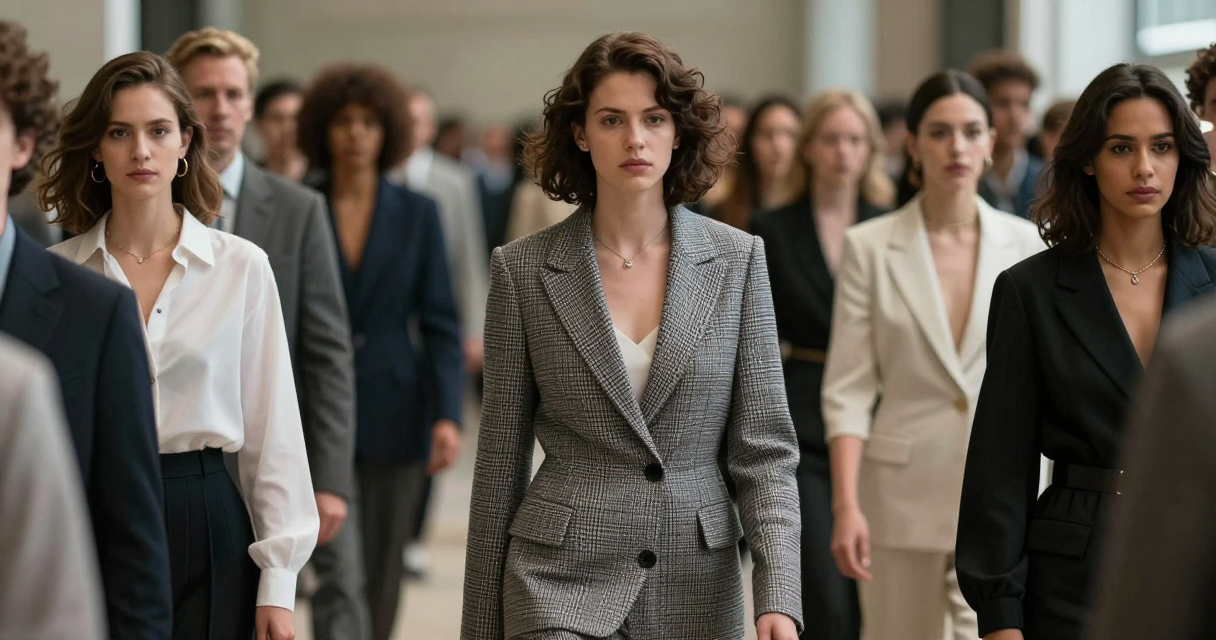
Moreover, the rise of gender neutral fashion has prompted retailers to reconsider their marketing strategies. Many brands are now focusing on representation, featuring diverse models of various gender identities in their campaigns. This not only reflects the changing landscape of fashion but also resonates with consumers who seek brands that align with their values of inclusion and diversity.
Challenges in the Gender Neutral Fashion Market
Despite the progress made in the gender neutral clothing sector, challenges remain. One significant issue is the lack of availability in mainstream retail settings. While niche brands have successfully carved out a space for gender neutral options, many traditional retailers still rely on binary gender categories, limiting choices for consumers. This gap in the market presents an opportunity for boutiques to step in and offer curated selections that reflect the growing demand for inclusivity.
Additionally, there can be misconceptions surrounding gender neutral clothing, often perceived as simply androgynous styles or oversized fits. However, true gender neutral fashion encompasses a wide array of designs that cater to various tastes and preferences. Educating consumers about the diversity within gender neutral clothing is essential for fostering a more inclusive shopping environment.

I’ve always loved curating unique looks and exploring how personal style can tell a story. Working as a freelance fashion enthusiast, I enjoy discovering emerging designers and sharing practical tips for building a timeless wardrobe.