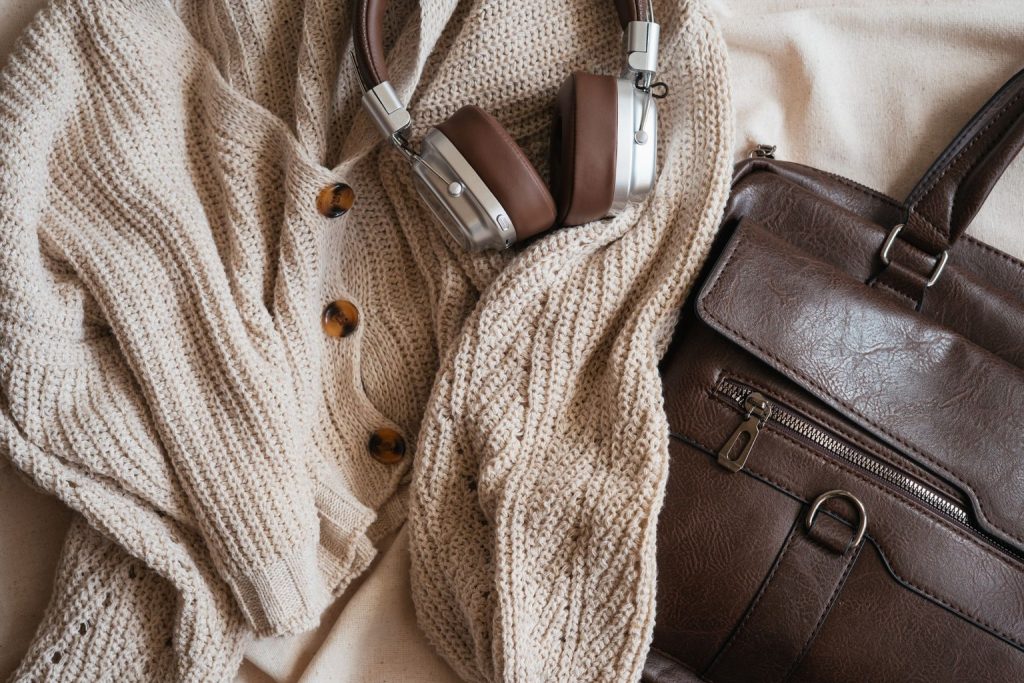
Building a wardrobe that feels polished without draining your bank account starts with knowing exactly which pieces deliver the most wear per dollar. The primary goal here is to identify versatile items that transition easily from office to weekend and last for multiple seasons, rather than chasing fleeting micro-trends. By focusing on quality construction over quantity, you can assemble a capsule that handles the cooler months with ease. This approach ensures that your fall fashion choices remain relevant and functional, regardless of your income level or current savings. You will find that strategic shopping beats impulse buying every single time when the weather turns crisp.
Audit your existing closet before spending a dime
Before you even think about visiting a store or opening a browser tab, take everything out of your closet and lay it out on the bed. This honest inventory check reveals exactly what you already own and what is truly missing, preventing duplicate purchases that clutter storage space. You will often be surprised to find that a basic turtleneck or a pair of dark denim jeans is already sitting in a drawer waiting to be rediscovered. Mark anything that does not fit your current body shape or style preference with a sticky note so you can donate or sell those items immediately. This step saves money and clears mental clutter, giving you a blank canvas for new additions.
Next, categorize your remaining pieces by function, separating work staples from casual comfort items and special occasion wear. Look at the fabrics and check for pilling, thinning material, or broken zippers that signal it is time to replace an item before it fails completely. If a piece needs a simple repair, such as a re-sewn hem or a new button, do that repair now rather than buying a new replacement. This proactive maintenance extends the life of your current wardrobe and highlights which high-use items need upgrading first. You are essentially investing in what you already own before adding new costs to your budget.
Finally, take photos of your best outfits and look at them with a critical eye to spot gaps in your color palette. If everything is neutral but you lack one statement piece, that is your clear target for the next purchase. Conversely, if you have ten different styles of the same item, resist the urge to buy another variation. This visual audit prevents the common mistake of buying things that look good on the rack but do not integrate with what you actually wear. You now have a precise list of needs rather than vague desires, which makes the shopping process significantly faster and more efficient.
Set a strict budget ceiling for each category
Determine exactly how much money you are willing to spend on outerwear, footwear, and knitwear separately before you start looking at prices. Outerwear usually commands the highest price point because of the materials involved, so allocate a larger portion of your total budget to this specific category. Footwear is another major expense that requires careful planning since you cannot wear the same boots every single day without wearing them out quickly. By setting these sub-limits, you avoid the common trap of spending all your money on one expensive jacket and having nothing left for shoes. This financial framework keeps your shopping experience controlled and prevents post-purchase regret.
When you see an item that exceeds its category limit, ask yourself if it is truly worth the premium price tag or if you are just reacting to a marketing push. Often, a slightly cheaper alternative from a different brand offers the same quality materials and construction at half the cost. Check the fabric composition on the care label to ensure you are paying for natural fibers or durable synthetics rather than cheap fillers. If the price still feels too high, add it to a wishlist and wait for a sale event that typically occurs during the mid-season clearance period. Patience is your best tool for getting more value out of every dollar you spend on clothing.
Keep a running total of everything in your cart as you shop, both online and in physical stores, to maintain awareness of your total expenditure. If you are nearing your ceiling but still need an item, consider purchasing a second-hand version from a reputable thrift store or resale platform. Many high-end brands maintain their quality through previous owners, making pre-owned pieces a smart choice for budget-conscious shoppers who want designer labels. This strategy allows you to stretch your resources further without compromising on style or durability. You are making informed decisions based on value rather than impulse.
Focus on versatile neutrals as the foundation
Start building your fall wardrobe with neutral colors like charcoal, camel, navy, and cream because these shades work with almost any other color in your closet. A well-fitted charcoal wool coat pairs effortlessly with a bright orange sweater or a muted beige skirt, giving you endless combination possibilities. These foundational pieces serve as the backdrop for bolder accessories or statement tops that you can rotate in and out each season. Investing in one high-quality neutral item beats buying three trendy colored pieces that will clash or go out of style by next year. Your goal is to create a system where every top matches at least three different bottoms.
On the Meghan Livingstone channel, they explain how to build a versatile minimalist wardrobe, and you can watch it right here.

Consider the cut and fit of these neutral pieces, as a tailored silhouette always looks more expensive than a baggy or ill-fitting version. Look for structured shoulders in blazers and coats to add polish to casual outfits, and choose straight-leg or slightly tapered trousers that elongate your legs visually. Avoid overly wide or cropped styles if you want pieces that remain relevant for several seasons rather than just one fall. The fit is what makes a $50 shirt look like a $200 designer item, so spend extra time in the fitting room to find the right proportions. You are buying longevity and confidence with each neutral choice.
Incorporate texture into your neutral palette to keep the look interesting without relying on loud patterns or bright colors. A chunky knit sweater in oatmeal adds warmth and visual depth, while a leather belt in dark brown provides contrast against lighter denim or wool pants. Mixing fabrics like cashmere, cotton, and leather creates a sophisticated aesthetic that feels curated rather than generic. This technique allows you to express personal style within the safe boundaries of neutral tones, ensuring your outfits never look boring or flat. You are building a wardrobe that speaks through quality and texture rather than noise.
Invest in one statement piece per season
Once your neutrals are in place, allow yourself to spend a bit more on a single statement item that brings excitement to your daily rotation. This could be a vibrant emerald green trench coat, a patterned silk scarf, or a pair of ankle boots with an unexpected heel height. The key is to choose something that reflects your personal taste and makes you feel confident when you wear it, rather than following a trend blindly. Limit yourself to one such item per season to keep your budget in check and ensure the piece gets plenty of wear. This focal point draws attention to your style without overwhelming the rest of the outfit.
Choose statement pieces that complement your existing neutrals, ensuring they do not clash with your primary color palette. If your wardrobe is mostly cool tones like navy and gray, a warm red or terracotta accent will pop beautifully without looking out of place. Check how the item looks in natural light before purchasing, as store lighting can distort colors and make them appear different from reality. A statement piece should feel like an extension of your personality, not a costume that feels uncomfortable or unfamiliar. You are adding character to your wardrobe with intention and care.
Be prepared for the fact that statement pieces may have a shorter lifespan than neutrals because trends shift more quickly in colorful items. This is acceptable as long as you do not let these items dominate your spending, keeping the majority of your budget on timeless basics. Rotate your statement items seasonally so they do not get overused and worn out before the next fall arrives. If a piece starts to feel dated or no longer fits your style, sell it or donate it to make room for new ideas. This dynamic approach keeps your wardrobe fresh and exciting without becoming cluttered.
Shop second-hand and off-season for maximum value
Thrift stores and consignment shops are gold mines for high-quality clothing at a fraction of the retail price, especially for brands that hold their value well. You can find gently used leather jackets, cashmere sweaters, and designer handbags for 50% or even 90% less than buying them new from the manufacturer. Take your time browsing these stores, as hidden gems are often mixed in with lower-quality items that require careful inspection for defects. Bring a friend who has a good eye for fashion to help you spot pieces that fit well and match your style. This shopping method turns budget constraints into an advantage by giving you access to premium materials.
Buying off-season is another powerful strategy, as retailers discount summer items heavily in the fall and winter items in the spring to clear inventory. If you need a heavy coat, wait until late November or December when stores are pushing out remaining stock to make room for holiday collections. Online retailers often have deeper discounts than physical stores during these periods, so monitor sale events carefully with price tracking tools if needed. This timing trick allows you to pay summer prices for winter items, stretching your budget significantly further than buying at full price in October. You are working with the market cycle rather than against it.
Combine both strategies by looking for off-season sales at second-hand stores, which sometimes offer additional markdowns on already discounted goods. Check local online marketplaces where private sellers often list items below retail prices because they need to clear space or move quickly. Negotiate politely with private sellers if the item has minor flaws, as many are open to a small discount for the convenience of a quick sale. This layered approach to hunting for deals ensures you are getting the best possible price on every piece you buy. You are becoming a savvy shopper who knows where and when to look.
Master basic garment care to extend life
The way you wash, dry, and store your clothing has a direct impact on how long it lasts, often more than the initial price tag did. Always read the care label carefully and follow the instructions, as washing wool in hot water can shrink it beyond repair and tumbling delicate fabrics in the dryer can break fibers. Invest in a few quality hangers that support the shape of your jackets and shirts, rather than using thin wire hangers that stretch out shoulders over time. Rotate between two pairs of similar shoes to allow the material to rest and dry out naturally, which prevents premature breakdown of the soles and uppers. These small habits save you money by delaying the need to replace items for years.
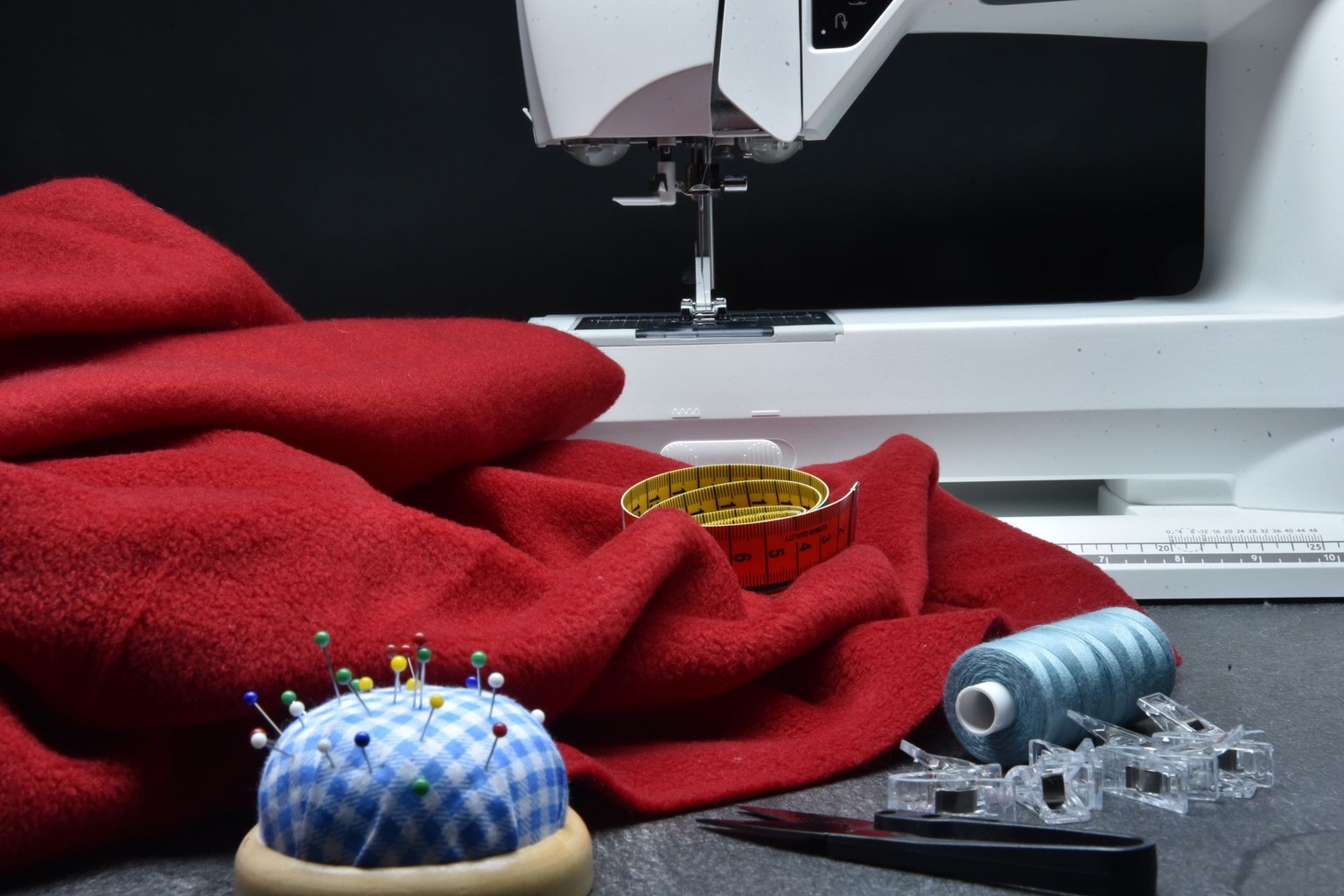
Learn basic mending skills like sewing on a button, fixing a loose hem, or darning a hole in a sock, as these repairs take only minutes but add months of life to your clothes. Keep a small sewing kit with needles, thread in neutral colors, and fabric glue for quick fixes that do not require a full machine setup. If you are not confident in your sewing abilities, visit a local tailor who can perform these minor repairs for a few dollars, which is far cheaper than buying a new item. This proactive approach to maintenance shows respect for the craftsmanship that went into making your clothes and maximizes their utility. You are taking ownership of your wardrobe’s longevity.
Store out-of-season items properly in breathable garment bags to protect them from dust, moths, and moisture damage during the months you do not wear them. Avoid plastic dry-cleaning bags for long-term storage because they trap humidity and can cause yellowing on light fabrics over time. Use cedar blocks or lavender sachets in your closet to naturally repel pests without relying on harsh chemical sprays that can damage delicate fibers. When you pull these items out in the next season, they will look as good as the day you bought them, ready for immediate wear. This careful storage preserves both the appearance and structure of your expensive pieces.
Avoid common pitfalls that drain wallets
One of the biggest mistakes shoppers make is buying cheap, low-quality items because they seem affordable at first glance, only to find they fall apart after a few wears. A $15 shirt that loses its shape after two washes costs more in the long run than a $40 shirt that lasts for three years, making the cheaper option actually more expensive per wear. Always check the fabric content and stitching quality before buying, as these details determine whether an item will hold up to regular use or disintegrate quickly. Look for reinforced seams, double-stitched hems, and natural fiber blends that resist pilling and stretching. You are buying cost-per-wear value, not just sticker price.
Another frequent error is ignoring fit in favor of style, leading to a closet full of clothes that look good on the rack but feel uncomfortable or unflattering when worn at home. If you have to buy an item twice because the first one did not fit properly, you have wasted money and time, so take the extra time to try things on and move around in the fitting room. Consider getting alterations done on well-fitting items to make them perfect for your body shape, as a tailored garment always looks more polished than an off-the-rack option that is slightly too loose or tight. This investment in fit ensures that every piece you own works hard for you daily. You are prioritizing comfort and presentation over impulse.
Finally, resist the pressure to buy a complete new wardrobe every single fall, as this mindset leads to constant spending and cluttered closets that do not reflect your true style. Instead, focus on filling specific gaps identified in your initial audit, adding only what you genuinely need and love to wear. Slow fashion principles encourage buying less, choosing well, and making it last, which aligns perfectly with budget-conscious shopping habits that prioritize quality over quantity. By slowing down your purchase cycle, you give yourself time to reflect on whether an item truly deserves a place in your rotation before committing money to it. You are building a wardrobe that serves you, not the other way around.

I’ve always loved curating unique looks and exploring how personal style can tell a story. Working as a freelance fashion enthusiast, I enjoy discovering emerging designers and sharing practical tips for building a timeless wardrobe.