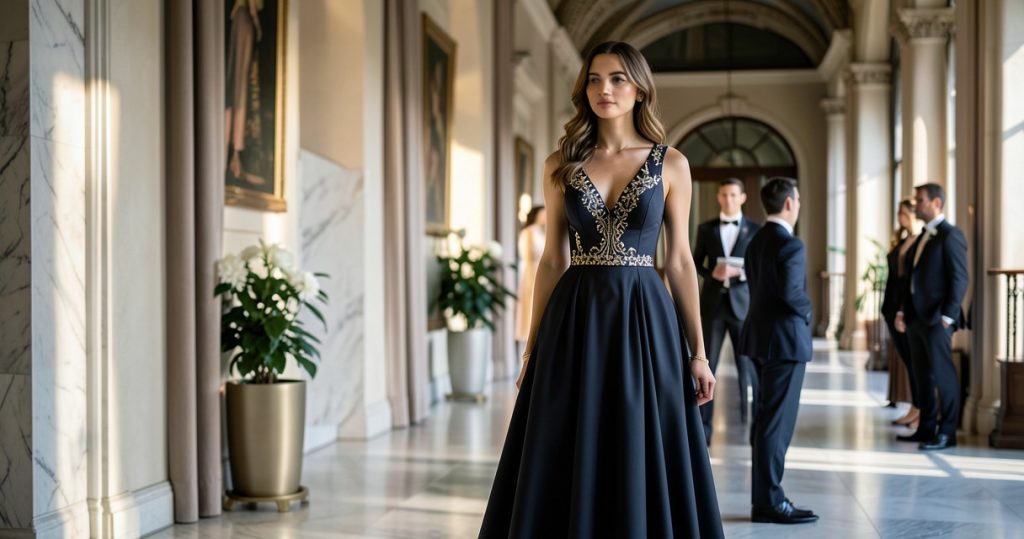
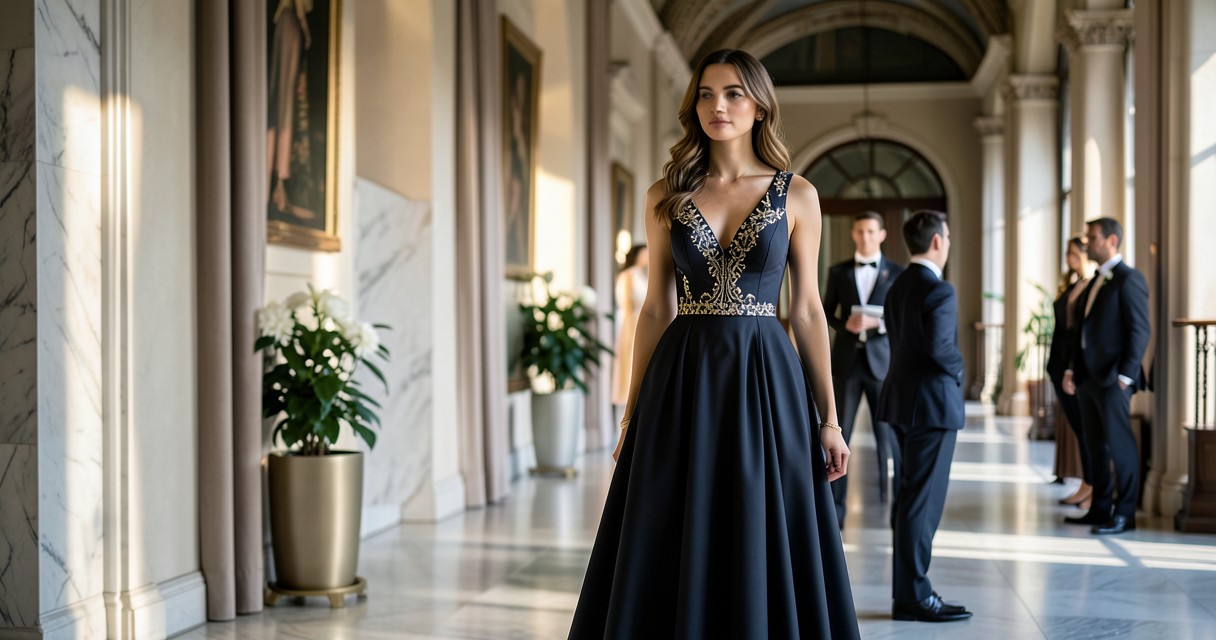
Evening wear has become an essential part of the fashion world, serving as a way for individuals to express their style and elegance during formal occasions. This category of clothing encompasses a variety of garments designed for events that take place after 5 PM, including galas, weddings, and cocktail parties. Understanding the intricacies of evening wear is crucial for anyone looking to make a stunning impression at such events. In this article, we will explore the different types of evening wear, key elements to consider, and how to choose the perfect outfit for any occasion.
Types of Evening Wear
Evening wear can be broadly classified into several categories, each suitable for different types of events. The most common types include cocktail dresses, evening gowns, and formal suits. Cocktail dresses often feature shorter hemlines and are designed for semi-formal gatherings. Made from luxurious fabrics, these dresses are perfect for events like cocktail parties or evening receptions. Evening gowns, on the other hand, are floor-length dresses that exude elegance and sophistication. Typically worn at formal events such as balls or weddings, they often feature intricate detailing and embellishments.
For men, evening wear typically consists of tuxedos and formal suits. A classic tuxedo, usually black or midnight blue, is the go-to choice for formal occasions, while a well-tailored suit can serve for semi-formal events. Accessories play a significant role in completing the evening look, with options such as bow ties, cufflinks, and dress shoes enhancing the overall appearance.
Fabric Choices for Evening Wear
The choice of fabric is critical when selecting evening wear, as it influences the overall look and feel of the outfit. Luxurious materials such as silk, satin, and chiffon are popular choices for women’s evening gowns and cocktail dresses. These fabrics drape beautifully and add a touch of glamour, making them ideal for formal settings. Sequins and lace can also be incorporated for added texture and visual interest.
Men’s evening wear typically features fabrics like wool, cashmere, and high-quality blends. A well-constructed tuxedo made from fine wool not only looks sharp but also ensures comfort throughout the evening. Additionally, the finish of the fabric can make a significant difference; for instance, a sheen finish can elevate a garment’s sophistication, while a matte finish offers a more understated elegance.
Color Trends in Evening Wear
Color plays a pivotal role in evening wear, with certain hues being more appropriate for specific seasons and occasions. Classic colors like black, navy, and burgundy remain timeless choices for evening gowns and tuxedos, offering an air of sophistication. However, seasonal trends often dictate the popularity of certain colors. For example, pastel shades are favored during spring and summer events, while rich jewel tones like emerald and sapphire are popular in the fall and winter.
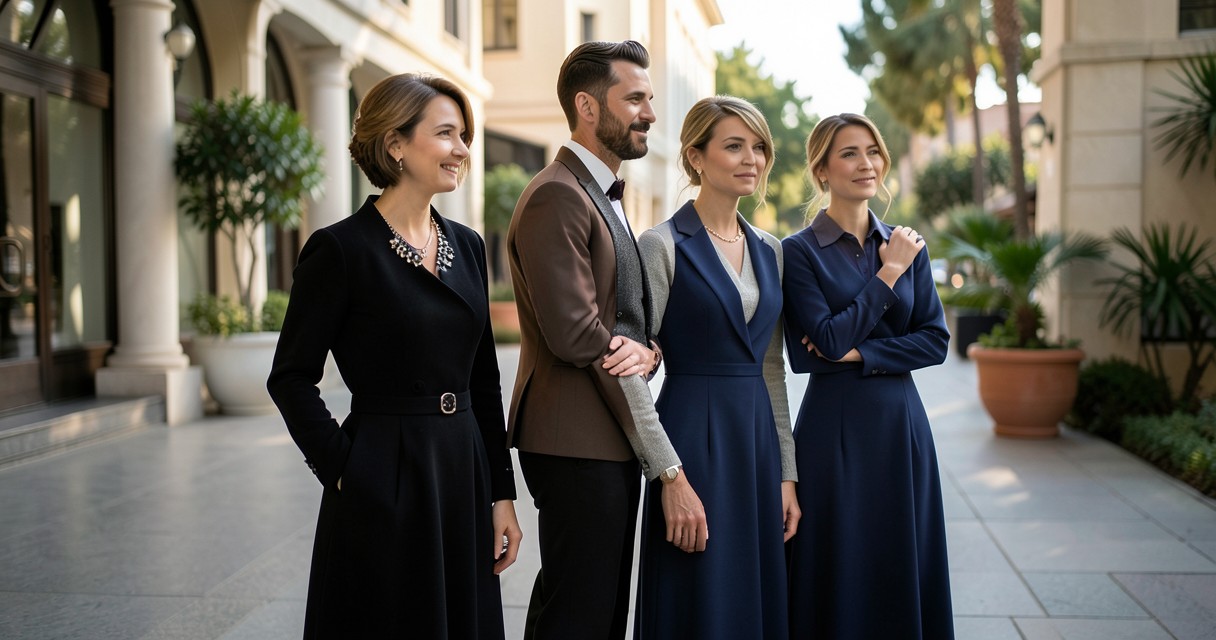
Patterns and prints can also be seen in evening wear, with floral designs and geometric patterns making a statement on the runway. While a bold print can showcase individuality, it is essential to balance it with the right accessories to avoid overwhelming the outfit. Choosing the right color can significantly impact the wearer’s mood and confidence, making it a crucial factor in evening wear selection.
Accessorizing Evening Wear
Accessories can either make or break an evening wear outfit, providing the finishing touches that elevate the entire look. For women, jewelry such as statement necklaces, chandelier earrings, and elegant bracelets can add sparkle and sophistication. When accessorizing, it is essential to strike a balance; if the dress is heavily embellished, opt for simpler jewelry to avoid clashing.
For men, accessories like pocket squares, cufflinks, and elegant watches can enhance a tuxedo or suit. A well-chosen bow tie or tie can also serve as a focal point, adding a pop of color or pattern. Footwear should not be overlooked either; stylish heels or classic dress shoes can complete the outfit while ensuring comfort throughout the evening.
Fit and Tailoring
The fit of evening wear is paramount, as a well-tailored garment can transform an outfit from ordinary to extraordinary. For women, evening gowns should flatter the figure without being too tight or loose. Tailoring can help achieve the perfect fit, accentuating curves and creating a polished silhouette. A dress that fits well not only enhances confidence but also allows for ease of movement during events.
Men should also prioritize fit when selecting evening wear. A tailored tuxedo or suit can significantly enhance the overall look, making the wearer appear sharp and sophisticated. It is advisable to invest in alterations if necessary, as the right fit can make a substantial difference in how the garment is perceived. Off-the-rack options may require adjustments to ensure they complement the wearer’s physique.
Understanding Dress Codes
When it comes to evening wear, understanding the dress code is crucial for making the right choice. Common dress codes include black tie, white tie, semi-formal, and cocktail. Black tie typically requires a tuxedo for men and a formal evening gown for women. White tie is the most formal, necessitating a tailcoat and full-length gown, while semi-formal attire allows for more flexibility, such as cocktail dresses or tailored suits.
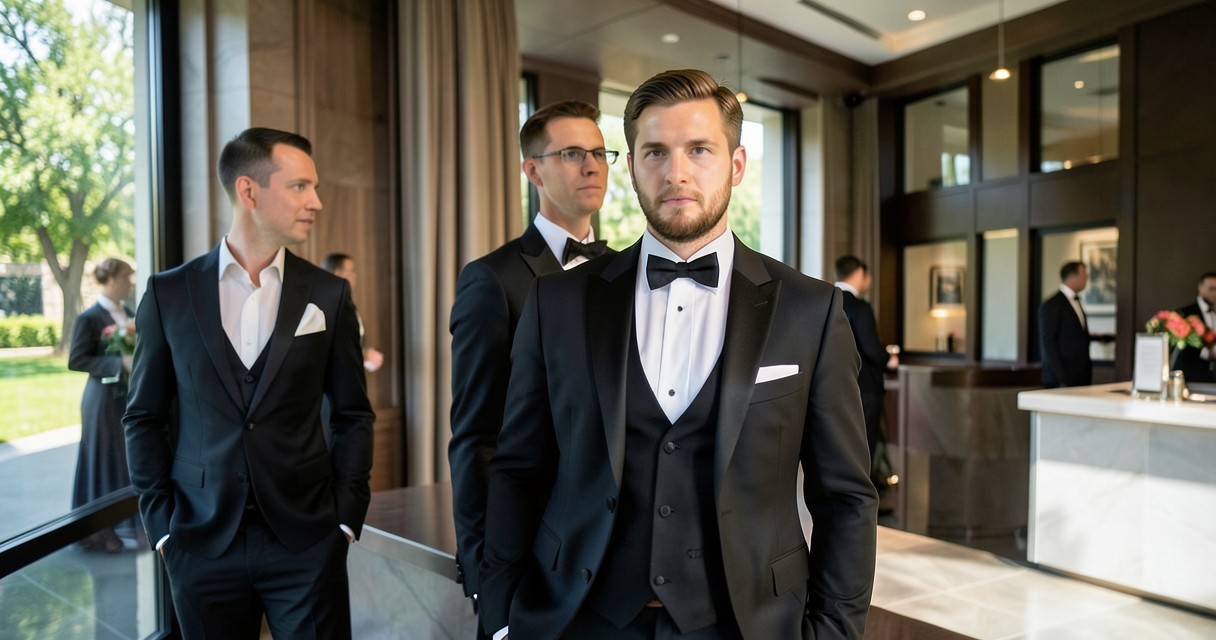
Cocktail attire strikes a balance between formal and casual, allowing for shorter dresses and less rigid suit options. Understanding these codes not only ensures that the wearer is appropriately dressed but also reflects respect for the event and its hosts. When in doubt, it is always better to err on the side of being slightly overdressed than underdressed.
Choosing the Right Evening Wear for Your Body Type
Every body type is unique, and selecting evening wear that complements one’s figure is essential for looking and feeling great. For instance, hourglass figures may benefit from dresses that cinch at the waist to accentuate curves, while athletic body types can opt for styles that create the illusion of curves, such as A-line dresses. Women with pear-shaped bodies might find that dresses with structured bodices and flowing skirts create a balanced silhouette.
Similarly, men should consider their body type when choosing a suit or tuxedo. Slim-fit options may work well for leaner physiques, while more traditional cuts can provide comfort for broader body types. Understanding how different styles fit different body shapes can help individuals make informed choices that enhance their appearance and confidence during evening events.

I’ve always loved curating unique looks and exploring how personal style can tell a story. Working as a freelance fashion enthusiast, I enjoy discovering emerging designers and sharing practical tips for building a timeless wardrobe.