

Understanding Business Casual Dress Code
The business casual dress code has become increasingly popular in modern workplaces, offering a balance between professionalism and comfort. Unlike traditional business attire, which often requires suits and ties for men and formal dresses or skirts for women, business casual allows for more relaxed clothing choices while still maintaining an air of professionalism. This dress code is often adopted in sectors where creativity and individuality are encouraged, making it essential to understand its nuances to strike the right balance in your wardrobe. Knowing what to wear can enhance your confidence and ensure you make a positive impression at work or during business meetings.
Key Components of Business Casual Attire
Business casual attire typically includes a variety of clothing items that avoid the extremes of formal wear while still appearing polished. For men, this often means dress slacks or chinos paired with a collared shirt, such as a button-down or polo. A blazer can be added for a more polished look, and leather shoes are preferred to maintain a professional appearance. Women have a broader range of options, including tailored trousers or skirts, blouses, and smart dresses. Footwear can vary from flats to low-heeled shoes, but sneakers or overly casual sandals are generally avoided. Accessories should be kept minimal and tasteful to complement the outfit without overwhelming it.
Color and Fabric Choices
The color palette for business casual attire tends to favor neutral tones, such as black, navy, gray, and white, which can easily be mixed and matched. However, adding pops of color through accessories or layering pieces can personalize your look while still adhering to the dress code. Fabrics play a crucial role as well; materials like cotton, wool, and blends that offer a polished appearance without being too rigid are ideal. Avoid overly casual fabrics like denim or jersey, as they can detract from the professionalism you want to convey. Instead, opt for items with structure and formality that still provide comfort throughout the day.

Common Misconceptions About Business Casual
Many people misunderstand what business casual truly entails, leading to wardrobe missteps. One common misconception is that business casual means wearing jeans. While some workplaces may allow dark, well-fitted jeans as part of a business casual outfit, this is not universally accepted. Similarly, t-shirts and flip-flops, which are often seen as casual wear, should be avoided in favor of more polished options. Understanding your company’s specific guidelines is essential, as different industries and workplaces may interpret business casual differently. When in doubt, err on the side of caution and choose more formal attire until you gauge the office culture.
Adapting Business Casual for Different Seasons
Adapting your business casual wardrobe for seasonal changes can be both practical and stylish. In warmer months, lightweight fabrics like linen and breathable cotton can keep you comfortable while still looking professional. Short-sleeved shirts and dresses with appropriate lengths can be suitable alternatives to long-sleeved options. For colder months, layering becomes essential. Consider adding blazers, cardigans, or tailored coats over your outfits. Footwear can also adapt to the seasons; opt for closed-toe shoes in colder weather and breathable options during warmer months. Accessories like scarves or stylish hats can add flair while maintaining warmth.
Accessorizing Business Casual Outfits
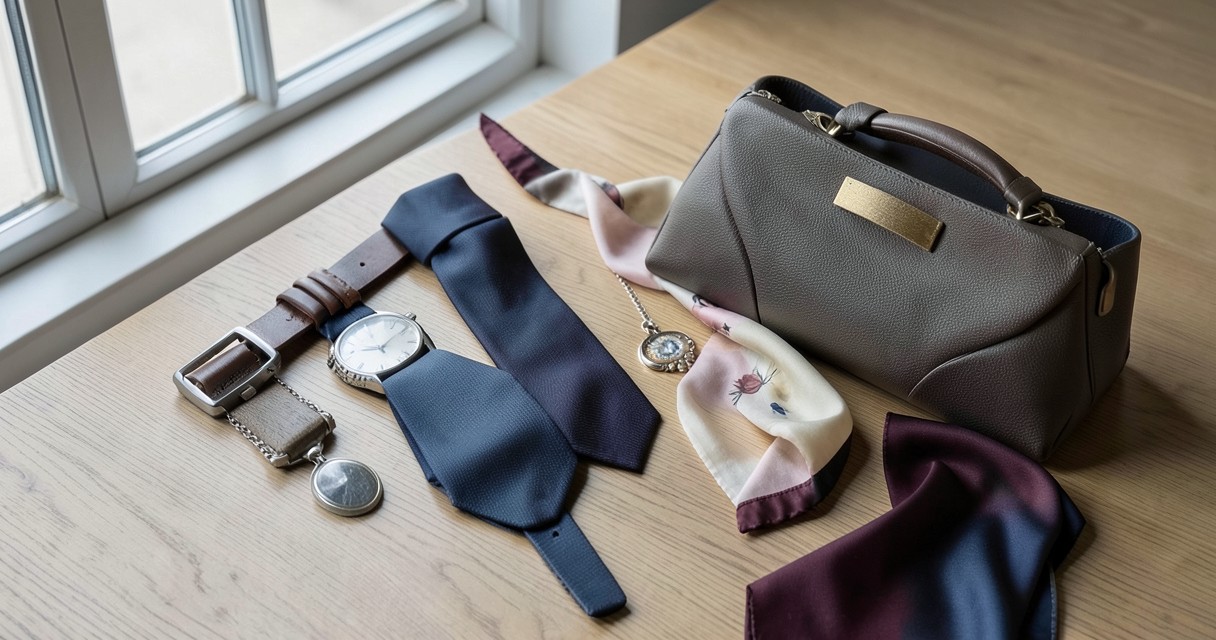
Accessories can elevate a business casual outfit, adding a touch of personality without overwhelming the overall look. For men, a quality watch, a leather belt, or a subtle tie can add sophistication to a simple outfit. Women can enhance their looks with statement jewelry, a structured handbag, or a scarf. However, it is important to keep accessories understated and professional. Avoid overly flashy items or anything that could be deemed inappropriate for a workplace setting. The key is to choose accessories that enhance your outfit while still adhering to the professional tone of business casual attire.
Tips for Shopping for Business Casual Clothing
When shopping for business casual clothing, consider quality over quantity. Investing in a few key pieces that can be mixed and matched will serve you better than a larger collection of lower-quality items. Look for versatile styles that can transition from day to night or from office to casual events. Pay attention to fit, as well; clothing that fits well not only looks better but also boosts your confidence. Don’t hesitate to seek out boutique stores that specialize in business casual attire, as they often carry curated selections that align with current trends while maintaining professionalism.

I’ve always loved curating unique looks and exploring how personal style can tell a story. Working as a freelance fashion enthusiast, I enjoy discovering emerging designers and sharing practical tips for building a timeless wardrobe.