

Understanding international clothing sizes is crucial for anyone navigating the global fashion market. As fashion continues to transcend borders, the complexity of sizing systems can create confusion for shoppers seeking the perfect fit. Each region has its own sizing standards, which can vary significantly and lead to frustration when purchasing clothing online or abroad. This article will delve into the intricacies of international clothing sizes, helping consumers and retailers alike make informed decisions in this diverse industry.
Global Sizing Standards
Clothing sizes are not universal, and each country or region has developed its own sizing system over time. In the United States, for instance, clothing sizes typically use a numeric system for women (0, 2, 4, etc.) and a chest measurement for men (S, M, L, XL). Meanwhile, European sizes often employ a numeric scheme based on body measurements, such as size 36 or 38 for women. This discrepancy can lead to significant challenges for shoppers who may find themselves between sizes or unsure of which size to choose when shopping internationally.
In the UK, sizing is also numeric but can differ from both U.S. and European standards. For example, a UK size 12 is roughly equivalent to a US size 8 and a European size 40. This inconsistency emphasizes the importance of understanding these differences, especially for consumers who frequently shop from international brands or boutiques. Retailers must provide clear size conversion charts to help customers navigate these variations effectively.
Understanding Size Conversion Charts
Size conversion charts are invaluable tools for anyone looking to buy clothing from different countries. These charts typically outline the equivalent sizes across various regions, allowing consumers to make educated decisions. For example, a size medium in the United States often corresponds to a size 40 in Europe and a size 12 in the UK. Retailers should prominently display these charts on their websites to enhance the shopping experience and reduce the likelihood of returns due to sizing issues.
It’s essential for consumers to remember that these charts serve as guidelines rather than strict rules. Individual brands may have their own interpretations of size, leading to discrepancies even when the size numbers align. Therefore, it is always advisable to consult specific brand size guides and customer reviews when available. This extra step can save time and frustration in the long run.
Factors Influencing Sizing Discrepancies
Several factors contribute to the inconsistencies in international clothing sizes. One significant factor is the cultural differences in body types and proportions. For instance, clothing designed for the Asian market often caters to a slimmer silhouette compared to Western sizing, which may accommodate a broader range of body shapes. This cultural variance can lead to confusion for shoppers who may find that their usual size does not fit as expected when purchasing international brands.
On Word Mastery Channel they explain international clothing sizes—watch it right here.
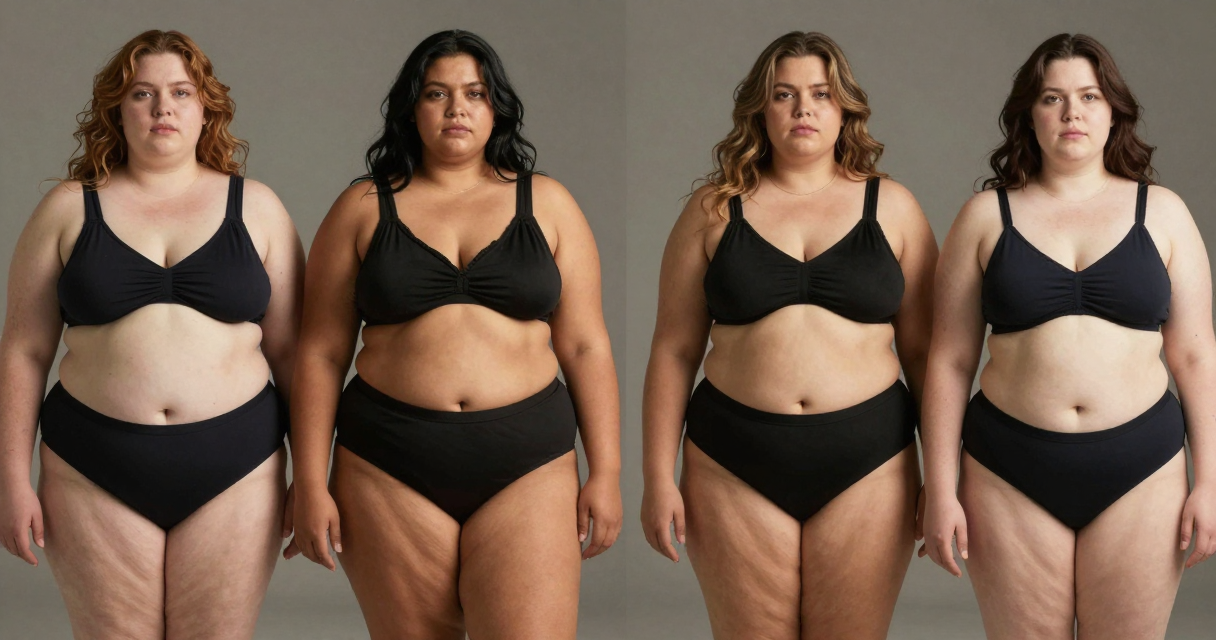
Another factor is the evolution of sizing standards over time. Fashion trends, body positivity movements, and increased awareness of diverse body types have led many brands to rethink their sizing strategies. Some companies are now offering extended sizing options or adopting more inclusive practices, which can further complicate the sizing landscape. As brands adapt to these changes, consumers must stay informed about which brands prioritize fit and inclusivity.
The Role of Technology in Sizing
As the fashion industry evolves, technology plays an increasingly important role in addressing sizing issues. Innovations such as 3D body scanning and machine learning are being utilized to predict clothing sizes based on individual body measurements. This technology aims to create a more personalized shopping experience by recommending sizes that align with a shopper’s unique body shape.
Some brands have begun implementing virtual fitting rooms where customers can input their measurements and receive tailored size recommendations. This approach not only enhances the shopping experience but also reduces the likelihood of returns due to sizing errors. As this technology becomes more prevalent, it may help bridge the gap between different sizing systems and provide a more seamless experience for international shoppers.
Challenges of Online Shopping
Online shopping has revolutionized the fashion industry, but it also presents unique challenges related to sizing. Without the ability to try on clothing before purchasing, customers often rely on size charts and reviews, which can lead to mistakes. In fact, studies have shown that clothing returns due to size discrepancies are one of the most common issues faced by online retailers, costing the industry billions each year.
To combat this challenge, many retailers are adopting more flexible return policies and offering free return shipping. Additionally, brands are investing in better size representation through detailed product descriptions and fit guides. For consumers, taking the time to measure themselves accurately and consulting size charts before making a purchase can help mitigate the risk of ordering the wrong size.
The Importance of Inclusive Sizing
Inclusive sizing is gaining traction in the fashion industry, with many brands recognizing the need to cater to a wider range of body types. This shift not only promotes body positivity but also boosts customer loyalty and trust. Studies indicate that brands offering a diverse range of sizes often see increased sales and a stronger connection with their audience.
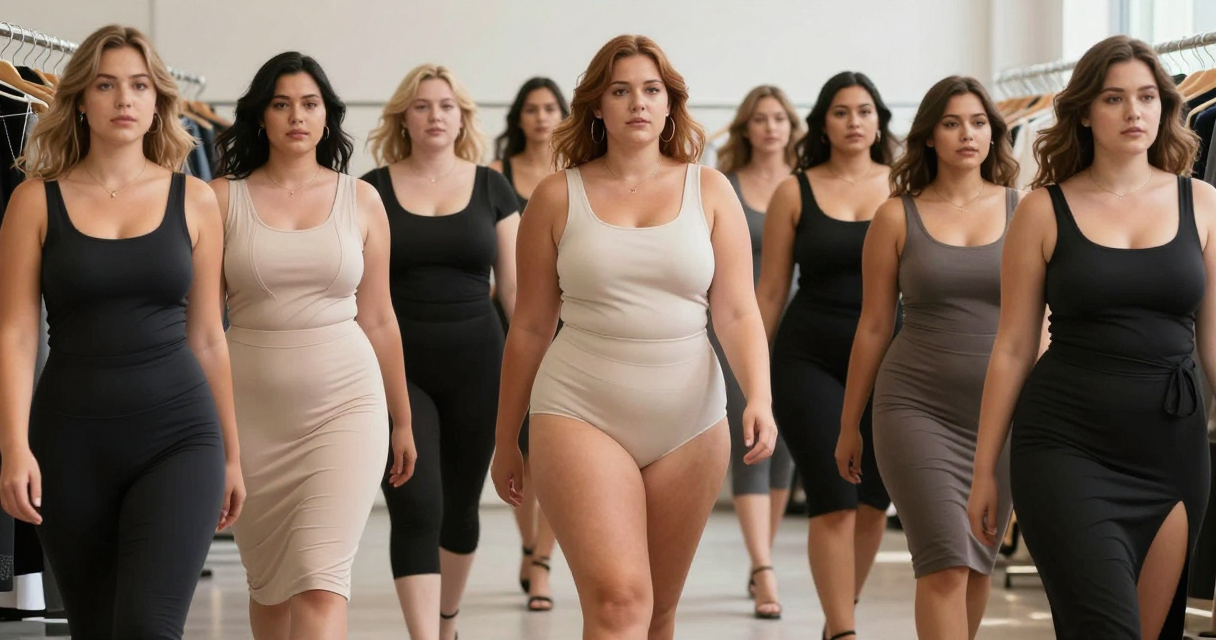
Inclusive sizing goes beyond simply offering larger or smaller sizes; it involves creating clothing that fits well and flatters a variety of body shapes. Brands that prioritize inclusivity in their sizing are likely to resonate with consumers who feel represented and valued. As the demand for inclusive options continues to rise, more brands are likely to rethink their sizing strategies to meet the needs of a diverse customer base.
Future Trends in Clothing Sizes
The future of clothing sizes is likely to be shaped by ongoing advancements in technology and shifts in consumer expectations. As the fashion industry embraces data-driven approaches, we can expect to see more personalized sizing solutions that cater to individual body types. This trend may involve the use of AI and algorithms to analyze customer data and provide tailored recommendations.
Additionally, as sustainability becomes a priority in fashion, brands may focus on producing fewer, more versatile pieces that can be worn across different body types. This approach could lead to a reduction in the number of sizes offered, simplifying the shopping experience while promoting a more sustainable model of consumption. As these trends unfold, consumers will need to stay informed about their options and embrace the evolving nature of clothing sizes.

I’ve always loved curating unique looks and exploring how personal style can tell a story. Working as a freelance fashion enthusiast, I enjoy discovering emerging designers and sharing practical tips for building a timeless wardrobe.