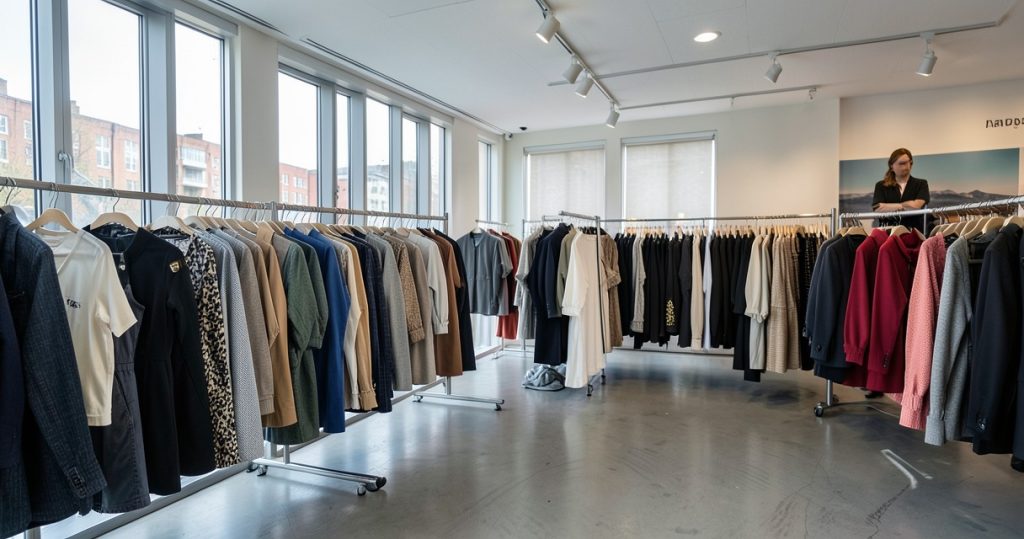
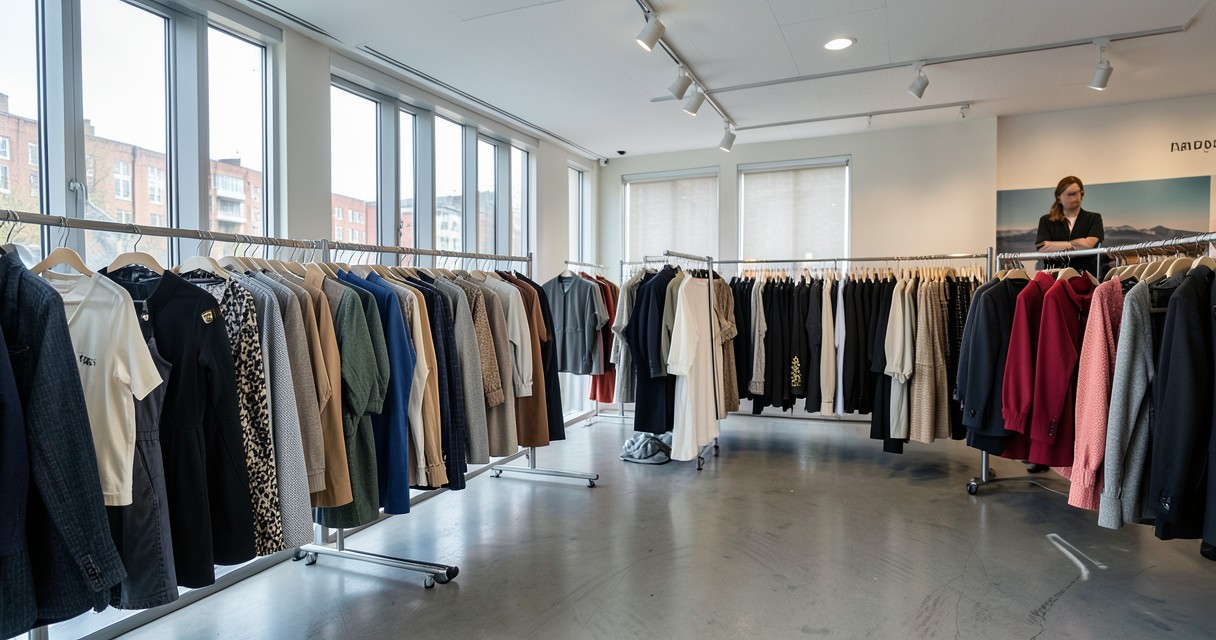
Fashion sizing standards significantly impact the clothing industry, influencing everything from design to manufacturing and retailing. As consumer demand shifts toward inclusivity and diversity, understanding these sizing standards becomes crucial for brands aiming to cater to a broader audience. This article explores the complexities of fashion sizing, the historical context, the challenges faced by consumers and brands, and the future of sizing in the fashion world.
The Evolution of Fashion Sizing Standards
Historically, fashion sizing has not been standardized, leading to a significant variation in sizes across brands. In the early 20th century, sizing was primarily based on arbitrary measurements and often reflected the average body type of that era. For instance, the introduction of ready-to-wear clothing in the 1950s brought about the use of size categories like small, medium, and large. However, these sizes were not based on comprehensive body measurements, resulting in inconsistencies that still persist today.
As the industry evolved, various organizations attempted to establish sizing standards. The American National Standards Institute (ANSI) and the International Organization for Standardization (ISO) proposed guidelines, but these have not been universally adopted. Different countries have their own standards, complicating the global market where consumers often face confusion when shopping internationally. This lack of uniformity means that a size 8 in one brand might equate to a size 10 or even 12 in another, making it a challenge for shoppers to find their correct fit.
The Impact of Body Diversity on Sizing
The growing awareness of body diversity has prompted a reevaluation of traditional sizing. The fashion industry is increasingly recognizing that body shapes and sizes are not monolithic. This shift has led to the emergence of plus-size and extended size ranges, catering to consumers who previously felt excluded. Brands like ASOS, Target, and H&M have expanded their offerings to include a wider variety of sizes, acknowledging that a significant portion of their customer base does not fit the conventional sizing mold.
Despite these advancements, many brands still struggle with the implementation of inclusive sizing. There is often a lack of representation in design teams, leading to products that do not accurately reflect the needs of diverse body types. Furthermore, while some brands offer extended sizes, the quality and style of these garments can differ significantly from their standard lines, perpetuating a sense of exclusion among plus-size consumers.
The Role of Technology in Sizing
Advancements in technology are beginning to transform how sizing is approached in the fashion industry. 3D body scanning technology allows brands to create more accurate size charts by analyzing real body measurements from a diverse range of individuals. This data-driven approach can help retailers better understand their customer base and produce clothing that fits more accurately across a variety of sizes.

Additionally, virtual fitting rooms and augmented reality applications are emerging as tools to help consumers find their correct size without the hassle of trying on multiple garments. These technologies can reduce the return rates associated with poor fit, benefiting both consumers and retailers. However, the widespread adoption of such technologies remains a challenge, as not all brands have the resources or willingness to invest in these innovations.
Consumer Challenges with Sizing
Consumers face significant challenges in navigating fashion sizing, primarily due to the lack of consistency across brands. This inconsistency can lead to frustration, especially when shopping online, where the inability to try on clothing exacerbates the issue. Many shoppers have reported spending considerable time and money on returns due to incorrect sizing, which ultimately affects their shopping experience and brand loyalty.
Moreover, the language used in sizing can also be misleading. Terms like “curvy” or “plus-size” may vary in meaning depending on the brand, leaving consumers uncertain about what to expect. This lack of clarity can discourage shoppers from making purchases, as they may feel uncertain about whether a particular size will fit. As a result, transparent sizing charts and clear descriptions are becoming increasingly important for brands aiming to build trust with their customers.
The Importance of Size Inclusivity in Branding
Size inclusivity is more than just a trend; it has become a crucial aspect of brand identity for many companies. Consumers are increasingly seeking brands that reflect their values, and inclusivity resonates strongly with modern shoppers. Brands that prioritize size inclusivity can foster loyalty and expand their customer base by appealing to a broader audience.
Incorporating diverse sizing into branding strategies can also enhance public perception. Brands like Aerie and Universal Standard have successfully positioned themselves as leaders in size inclusivity, gaining recognition and respect in the industry. By showcasing real models of various sizes and promoting body positivity, these brands create a sense of community and belonging for their customers, which can translate into increased sales and brand loyalty.
Future Trends in Fashion Sizing
The future of fashion sizing is likely to be shaped by ongoing discussions around body positivity and inclusivity. As consumers demand more representation, brands will need to adapt by expanding their size ranges and embracing a more diverse array of body types. This trend is already visible in the rise of brands that focus exclusively on size inclusivity, such as Eloquii and Savage X Fenty, which cater specifically to plus-size consumers.

Additionally, sustainability will play a significant role in the future of sizing. As the fashion industry faces increasing pressure to reduce waste, brands may shift towards made-to-order models that allow for more personalized sizing. This approach not only minimizes excess inventory but also ensures that consumers receive clothing tailored to their specific measurements, enhancing overall satisfaction.
Conclusion: The Road Ahead for Fashion Sizing
Fashion sizing standards are evolving in response to consumer demands for inclusivity and diversity. As technology advances and societal attitudes shift, the industry must adapt to create a more equitable shopping experience for all body types. By prioritizing accurate sizing, clear communication, and inclusive practices, brands can not only meet the needs of their customers but also lead the way towards a more inclusive fashion landscape.

I’ve always loved curating unique looks and exploring how personal style can tell a story. Working as a freelance fashion enthusiast, I enjoy discovering emerging designers and sharing practical tips for building a timeless wardrobe.