The way you dress is more than just fabric and fit, it’s a direct reflection of who you are, or at least who you want to be. In today’s fashion landscape, especially within boutique and curated collections, clothing has become a powerful tool for expressing personal identity. Whether you’re browsing a high-end atelier or a vintage-inspired boutique, the pieces you choose can communicate your values, lifestyle, and even your emotional state. The challenge lies in translating your inner self into an outfit that feels authentic without falling into clichés or overthinking. This guide breaks down how to use fashion as a true extension of your identity, step by step, with practical insights tailored to those who curate their wardrobes with intention.
Understand the psychology behind your clothing choices
Before you can dress with confidence, you need to recognize why you’re drawn to certain styles, fabrics, or colors. Research in fashion psychology shows that people often unconsciously associate clothing with emotions and memories. For example, a tailored blazer might evoke professionalism or nostalgia for a mentor’s office, while a distressed denim jacket could signal rebellion or a love for streetwear aesthetics. Start by keeping a wardrobe journal for two weeks, jot down the first outfit you put on each morning and note how it makes you feel. Notice patterns: do you gravitate toward structured pieces when you’re ambitious, or flowy fabrics when you’re creative? This self-awareness is the foundation for building a wardrobe that aligns with your identity rather than just trends. Many boutique shoppers make the mistake of chasing aesthetics without understanding the emotional weight behind their choices, which can lead to outfits that feel performative rather than personal.
Another layer to explore is how your clothing interacts with your environment. If you work in a creative industry, you might lean toward bold prints or mismatched textures, while a corporate setting might call for more restrained, polished pieces. The key is to balance these external expectations with your internal needs. For instance, a client who values both professionalism and individuality might invest in a single statement piece, a silk scarf in a unique pattern, to add personality to otherwise conservative suits. This approach ensures your wardrobe serves as both a professional tool and a personal statement. Without this psychological grounding, even the most expensive or carefully curated outfits can feel like costumes rather than extensions of your identity.
Audit your wardrobe for authenticity
Not every piece in your closet serves your identity, some may have been bought on impulse, gifted, or simply never felt right. A wardrobe audit is a practical first step to identifying what truly resonates with you. Begin by sorting your clothes into three categories: essentials (pieces you reach for without hesitation), neutrals (versatile items that work but don’t excite you), and outliers (items that feel like they belong to someone else). For boutique shoppers, this process is especially relevant because curated collections often include unique or limited-edition pieces that may not align with your personal style. If you’re holding onto a vintage blazer from a designer you admire but never wear, it’s likely not serving your identity, even if it’s high-quality. Instead, focus on pieces that evoke joy or confidence when you think about wearing them.
The audit should also consider the stories behind your clothes. A thrifted leather jacket from your college years might carry sentimental value, even if it’s worn out, while a brand-new silk blouse from a boutique might feel like a missed opportunity if it doesn’t reflect your current tastes. Ask yourself: does this piece make me feel like me, or does it make me feel like I’m trying to fit into a mold? Boutique shoppers often fall into the trap of buying “because it’s beautiful,” without considering whether it aligns with their lifestyle or self-image. For example, a client who loves minimalist design might find themselves overwhelmed by a boutique’s maximalist collection, leading to regretful purchases. The goal is to curate a wardrobe that feels cohesive and true to your evolving identity, not just a collection of pretty things.
Define your personal style archetype
Style archetypes, like the Classic, the Bohemian, the Minimalist, or the Edgy, are useful frameworks for identifying what resonates with you, but they’re not rigid categories. Your identity is fluid, so your style should reflect that. Start by identifying two or three adjectives that describe how you want to feel in your clothes: confident, effortless, bold, or mysterious. Then, look for pieces that embody those traits. For example, if “effortless elegance” is your goal, you might gravitate toward tailored trousers with a relaxed fit, paired with a soft cashmere sweater. boutique collections often cater to specific archetypes, so browsing with this mindset can help you find pieces that feel inherently you. Many shoppers make the mistake of mixing archetypes without intention, creating outfits that feel disjointed. Instead, lean into one or two dominant traits and let the rest of your wardrobe complement them.
On the Ellie Richards channel, they cover how to find your style, and you can watch it right here.
Another way to refine your archetype is to study the brands and designers you admire. Are you drawn to the structured silhouettes of a high-end French atelier or the organic shapes of a sustainable Scandinavian label? Pay attention to the details that appeal to you, whether it’s the texture of the fabric, the cut of the hem, or the way a garment moves with your body. For instance, if you’re fascinated by the deconstructed tailoring of a certain designer, look for boutique pieces that incorporate similar elements, like asymmetrical hems or layering techniques. This approach ensures your style isn’t just a random assortment of trends but a thoughtful evolution of what you genuinely connect with. Without this intentionality, even the most expensive wardrobe can feel like a patchwork of influences rather than a unified expression of identity.
Invest in pieces that tell your story
Clothing with narrative potential, whether through vintage provenance, custom alterations, or symbolic details, can turn your wardrobe into a visual autobiography. For boutique shoppers, this means seeking out items with a backstory, like a 1990s vintage dress with a unique embroidery detail or a tailored coat with hand-sewn lining. These pieces carry layers of meaning beyond their aesthetic value. For example, a client who loves travel might invest in a silk scarf from a boutique that sources fabrics from global artisans, using it as a conversation starter that reflects their adventures. Similarly, a piece of clothing altered to fit you perfectly, like a dress with a custom neckline, can become a symbol of self-acceptance and individuality. The mistake many make is treating every purchase as a transaction rather than an opportunity to build a wardrobe that narrates their journey.
Symbolic details can also include subtle nods to your values or passions. If sustainability is important to you, prioritize pieces made from ethical materials or upcycled fabrics. If you’re a musician, incorporate band patches or instruments into your accessories. Boutique collections often highlight these kinds of intentional details, whether through small-batch production or collaborations with local artisans. The key is to choose pieces that resonate on a deeper level, not just because they’re visually striking. For instance, a client who works in environmental advocacy might pair a sleek blazer from a sustainable brand with a statement necklace made from recycled metals, creating an outfit that subtly communicates their priorities. These choices turn your wardrobe into a reflection of your beliefs and experiences, making every outfit feel intentional and meaningful.
Avoid the trap of trend-chasing
Fashion trends come and go, but your identity doesn’t. The most effective way to dress authentically is to filter trends through your personal lens rather than adopting them blindly. For boutique shoppers, this means asking: does this piece align with my style archetype, or am I chasing validation from social media? A common pitfall is buying into seasonal hype without considering whether the trend suits your lifestyle or body type. For example, oversized blazers might be popular, but if they make you feel bulky or uncomfortable, they’re not serving your identity. Instead, adapt trends to fit your needs. If you love the concept of oversized silhouettes but prefer a more tailored fit, look for boutique pieces that offer a compromise, like a slightly oversized blazer with structured shoulders. This way, you’re engaging with the trend on your own terms.
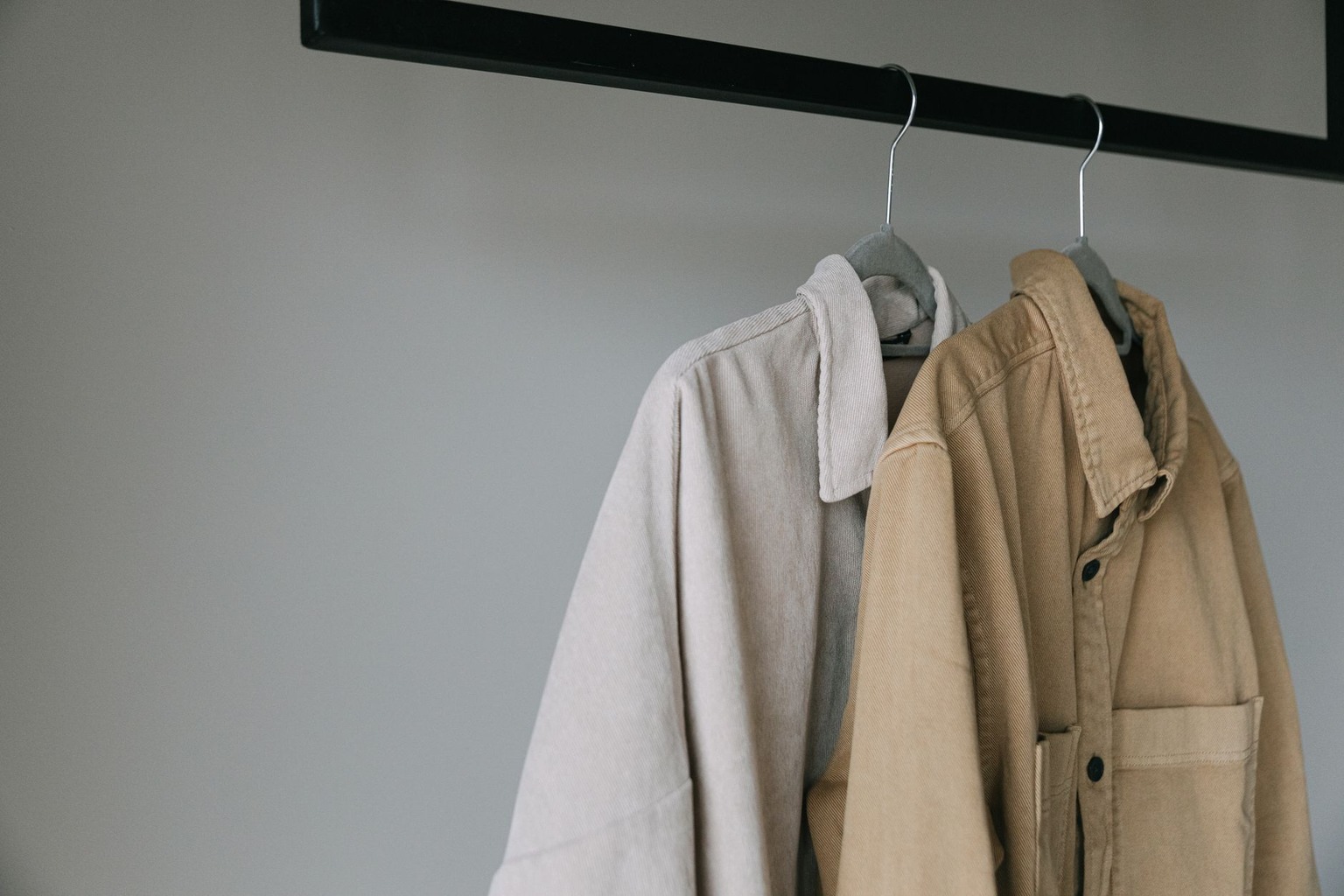
The pressure to keep up with trends is especially strong in boutique settings, where limited-edition drops and exclusive collaborations can create urgency. However, the most stylish wardrobes are built on timeless pieces that evolve with you, not fleeting fads. A client who invests in a well-made trench coat from a boutique will have a staple for decades, while chasing every new print or silhouette will leave them constantly reinventing their style. The solution is to set boundaries: limit trend-driven purchases to one or two pieces per season, and use the rest of your budget to build a foundation of versatile, high-quality items. This approach ensures your wardrobe remains true to your identity while still allowing for occasional playful experimentation. Without this discipline, even the most curated collection can feel like a chaotic mix of trends and regrets.
Refine your fit and comfort for confidence
Authenticity in fashion isn’t just about the pieces you choose, it’s also about how they make you feel physically. Ill-fitting clothes can undermine even the most carefully curated wardrobe, making you feel self-conscious rather than confident. Boutique shoppers often assume that expensive clothing will automatically fit well, but tailoring is just as important as the fabric or brand. Start by identifying your body’s unique shape, whether you have a curvier silhouette, a lean frame, or a more androgynous build, and look for pieces that enhance your proportions. For example, if you have a wider waist, a structured blazer with a defined waistband can create a flattering silhouette, while a loose-fitting sweater might make you feel sloppy. Many boutiques offer custom fitting services, which are worth investing in to ensure your clothes move with you and feel like an extension of your body.
Comfort is another critical factor. You might love the look of a pair of high-heeled boots, but if they pinch your feet after an hour, they’re not serving your identity, they’re serving the illusion of sophistication. The best boutiques prioritize both aesthetics and functionality, so don’t hesitate to ask about fabric stretch, lining details, or ease of movement. For instance, a client who loves the look of a leather jacket but spends most of their day on their feet should opt for a lighter-weight leather or a jacket with reinforced stitching. The goal is to build a wardrobe where every piece feels like a natural part of your daily life, not a barrier to your comfort. Without this attention to fit and comfort, even the most expensive or stylish outfit can feel like a burden rather than an expression of your identity.

I’ve always loved curating unique looks and exploring how personal style can tell a story. Working as a freelance fashion enthusiast, I enjoy discovering emerging designers and sharing practical tips for building a timeless wardrobe.