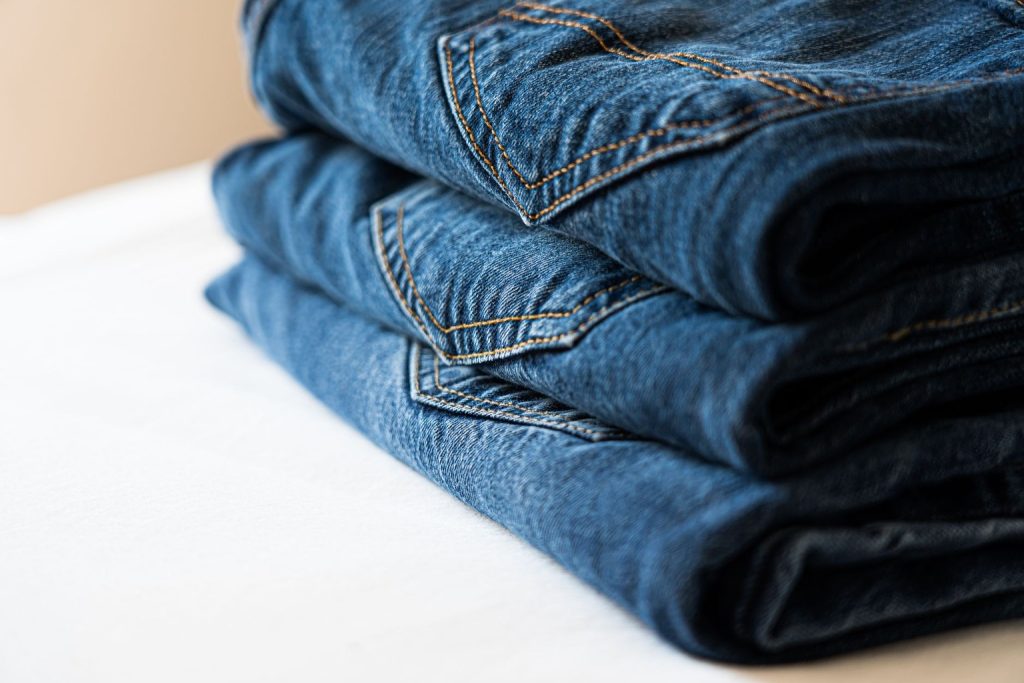
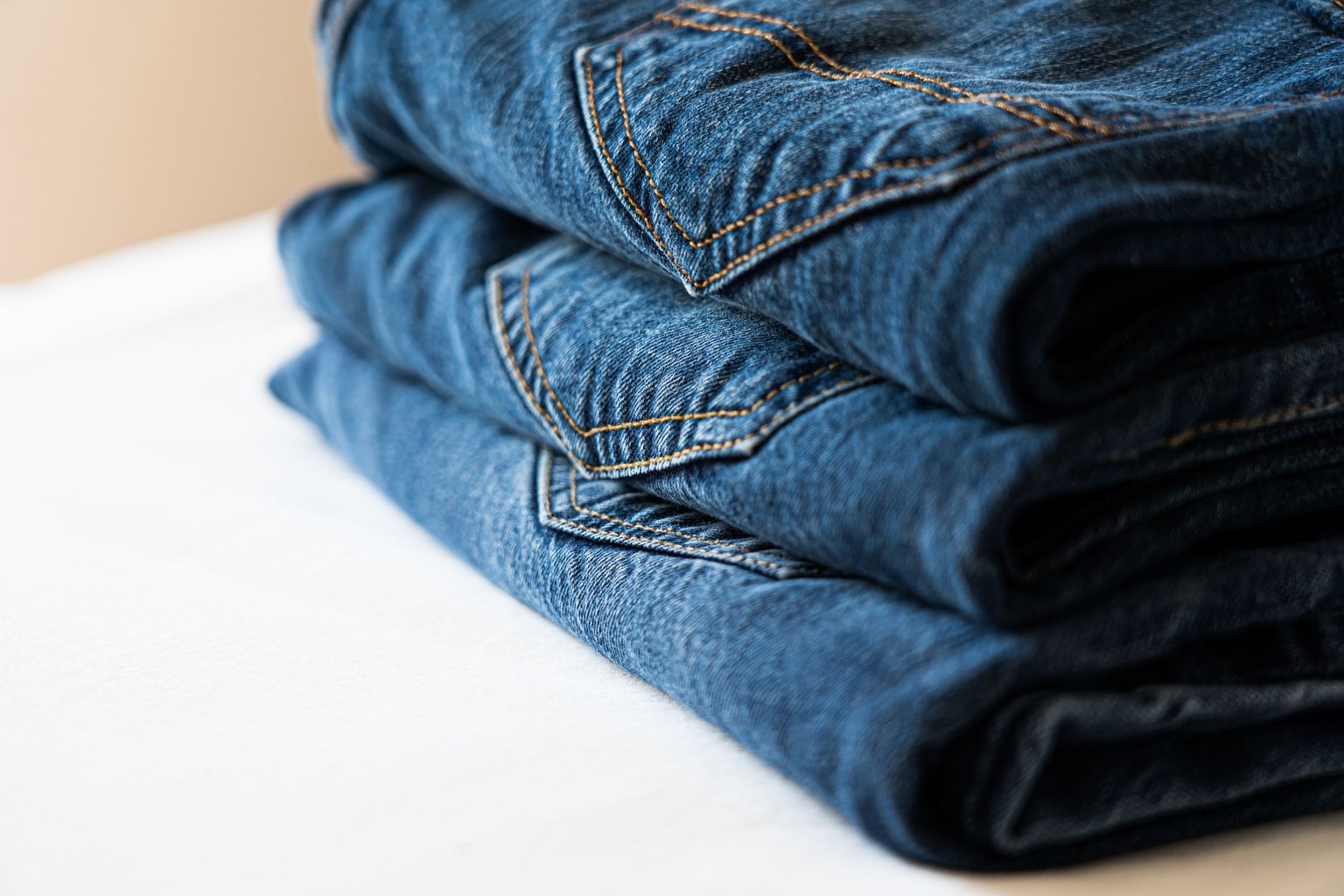
What you choose to wear every morning shapes how you feel about your day before you even leave the house. The psychology of clothing reveals that fabric, fit, and color directly influence mood, confidence, and social perception in ways most people never consciously track. A well-fitted blazer can sharpen focus at work, while a favorite pair of jeans can lift spirits on a difficult week. Understanding these connections allows you to build a wardrobe that actively supports your mental state rather than one you merely tolerate. This guide breaks down the practical steps for using your closet as a tool for daily emotional regulation and personal branding.
Audit Your Current Wardrobe for Emotional Triggers
Start by pulling every item from your closet onto the bed or floor to see what you actually own. This physical separation forces you to confront pieces you keep out of guilt or habit rather than genuine desire. As you handle each garment, notice your immediate physical reaction: does a specific dress make you feel tense in the shoulders, or does a particular jacket instantly relax your posture? These micro-reactions are data points that reveal which clothes serve your mental well-being and which drain it.
Categorize the items into three distinct piles: pieces that energize you, neutral basics that work for any occasion, and garments that leave you feeling flat or anxious. You do not need to discard anything at this stage; simply label the energy each piece provides. Many people discover that their most expensive items often sit in the “anxious” pile because they feel out of place or uncomfortable in daily life. This honest inventory creates a baseline from which you can build a more intentional and supportive collection.
Pay close attention to how each item fits around your torso and limbs, as tightness or excess fabric affects comfort levels throughout the day. A waistband that digs in might seem minor in the mirror but becomes a source of low-grade stress by mid-afternoon. Similarly, sleeves that are too long can make you feel fidgety and self-conscious during conversations. Noting these specific discomforts helps you identify sizing issues that need correction before you invest in new pieces.
Identify Your Core Color Palette for Mood Support
Select a base of three to five core colors that you naturally gravitate toward and that make you feel comfortable expressing yourself. These colors should reflect your personal aesthetic preferences rather than current seasonal trends, ensuring they remain relevant year after year. Write down these shades and keep the list visible while shopping or browsing online collections. This constraint simplifies decision-making and prevents impulse buys of items in colors you rarely wear.
Experiment with one accent color that complements your base palette to add variety without creating visual chaos. For example, if your core colors are neutral tones like beige, navy, and gray, a soft terracotta or muted blue can serve as a refreshing pop for accessories or statement tops. This approach keeps your wardrobe cohesive while allowing you to adjust your look for different moods or social settings. The goal is flexibility within a structured framework, not rigid uniformity.
Consider how specific hues interact with your skin tone and natural hair color to find combinations that enhance your complexion without requiring heavy makeup. Some tones can wash out certain complexions, making you look tired even when you feel energetic inside. Others highlight your features in a way that boosts self-perception without conscious effort. This visual harmony contributes to a sense of looking “put together,” which reinforces internal confidence throughout the day.
Select Fabrics That Align with Your Sensory Preferences
Touch samples of different materials like cotton, linen, wool, and silk to determine which textures feel soothing versus irritating against your skin. Some individuals are sensitive to itchy wools or stiff synthetics, while others prefer the structure of stiffer fabrics for a sense of containment. Understanding your tactile boundaries prevents you from buying beautiful but unwearable items that will gather dust in the back of your closet.
On the ELLE channel, they explain how fashion affects your brain, and you can watch it right here.
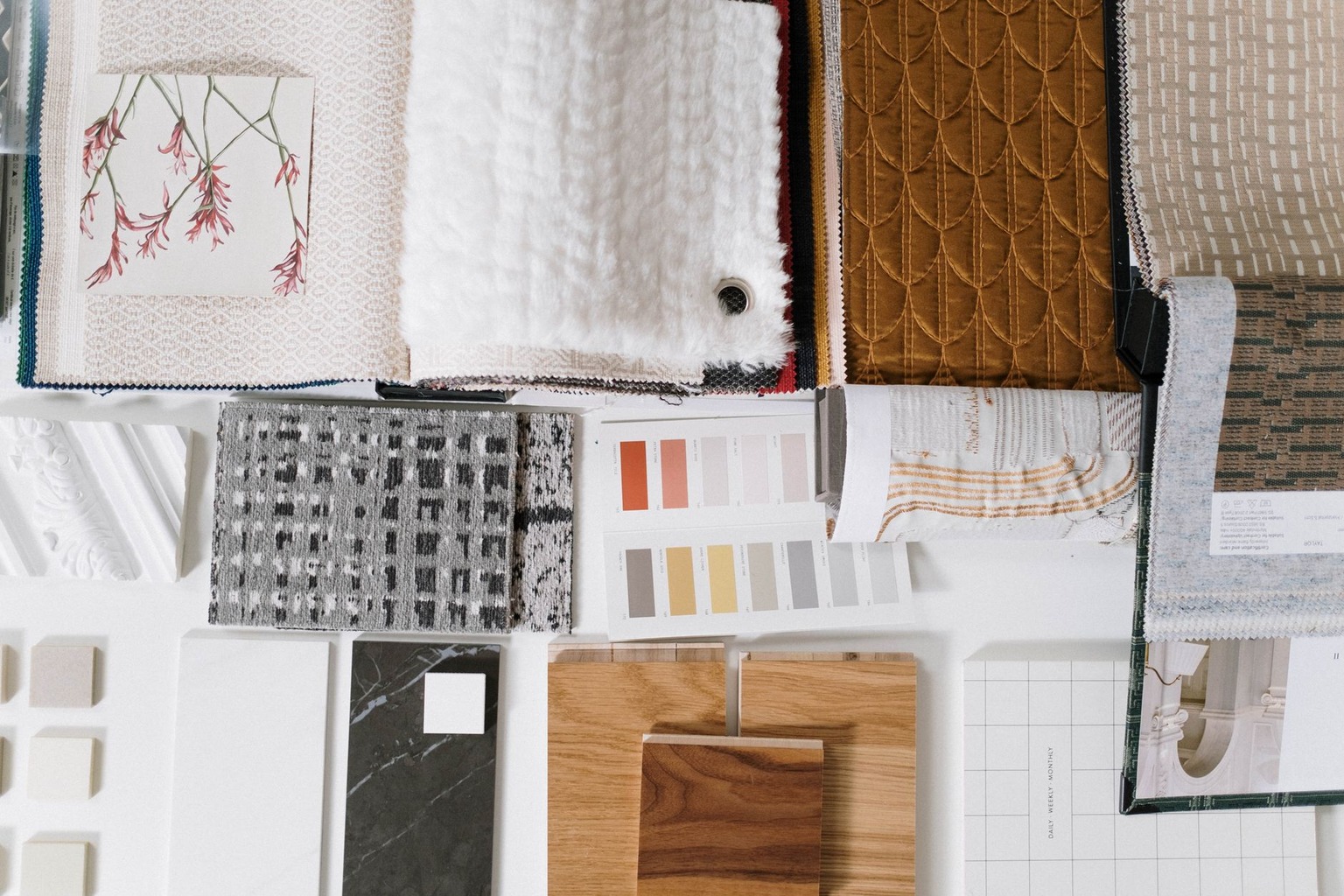
Prioritize breathable natural fibers for daily wear, as they regulate body temperature more effectively than synthetic blends during temperature fluctuations. Cotton and linen allow air circulation, reducing sweat buildup and discomfort during long workdays or active commutes. This physical comfort translates directly into mental ease, freeing up cognitive resources for tasks rather than monitoring how your clothes feel. Investing in quality basics made from these materials yields the highest return on daily satisfaction.
Reserve structured fabrics like heavy knits or tailored suits for occasions where you want to feel more authoritative or protected. The weight of these materials can create a psychological sense of armor, helping you navigate high-stakes meetings or social events with greater poise. Conversely, soft jersey and flowy silhouettes promote relaxation and approachability for casual gatherings or downtime. Matching fabric weight to the emotional demand of the event optimizes your comfort and performance.
Fit Adjustment Strategies for Enhanced Body Confidence
Take well-fitting garments to a professional tailor for minor adjustments like hemming, taking in waists, or shortening sleeves. Even small alterations can transform a ready-made item into something that feels custom-designed for your specific body shape. This investment is often cheaper than buying new clothes and ensures that every piece sits exactly where it should, eliminating friction and pulling. A perfectly aligned hemline, for instance, elongates the leg visually and improves overall proportion.
Learn to identify which areas of your body you feel most confident about and choose cuts that highlight those features rather than hiding perceived flaws. If you have a strong shoulder line, opt for structured shoulders or boat necklines; if you prefer a softer look, choose draped fabrics that drape smoothly over the torso. This strategic emphasis shifts your internal focus from insecurity to appreciation of your natural assets, altering how you carry yourself in social spaces.
Avoid extreme tightness or excessive bagginess, as both can create discomfort and distract from your presence. Clothes that are too tight restrict movement and breathing, while overly loose garments can make you feel like you are wearing a sack rather than clothing. The ideal fit allows for easy movement, sits comfortably at the waist and shoulders, and follows the body’s natural lines without clinging or gaping. This balanced approach ensures you remain present and engaged rather than preoccupied with your appearance.
Build a Capsule Rotation to Reduce Decision Fatigue
Curate a small set of interchangeable pieces that can be mixed and matched to create multiple outfits within a week. Limiting your daily choices reduces the mental load associated with morning decisions, preserving energy for more important tasks. A capsule of ten to fifteen high-quality items can generate dozens of unique combinations when paired thoughtfully with accessories. This method eliminates the stress of “nothing to wear” while keeping your closet manageable and organized.
Plan your outfits for the next few days the evening before, laying out complete looks including shoes and accessories. This pre-planning removes the need to make rapid aesthetic judgments in a rushed morning routine, allowing you to start the day with clarity and calm. You can also check the weather forecast to ensure your planned outfit is appropriate for the conditions, avoiding last-minute changes that disrupt your mood. The routine itself becomes a form of self-care, signaling that you value your time and energy.
Review your capsule every three months to assess which items are still serving you and which have lost their appeal. Rotate seasonal pieces in and out to keep the collection fresh without expanding its size. This periodic pruning prevents accumulation of outdated trends or worn-out fabrics that no longer contribute to your daily satisfaction. It keeps your wardrobe dynamic and aligned with your evolving style preferences and lifestyle changes.
Navigate Social Perceptions with Intentional Styling
Consider the context of your social environment when choosing outfits, as different settings carry implicit expectations about appearance and professionalism. A casual Friday at work requires a different level of formality than a client presentation or an evening event. Adjusting your style to match these contexts signals respect for the occasion and helps you blend in while still expressing individuality. This contextual awareness reduces social anxiety by ensuring you are neither underdressed nor overdressed.
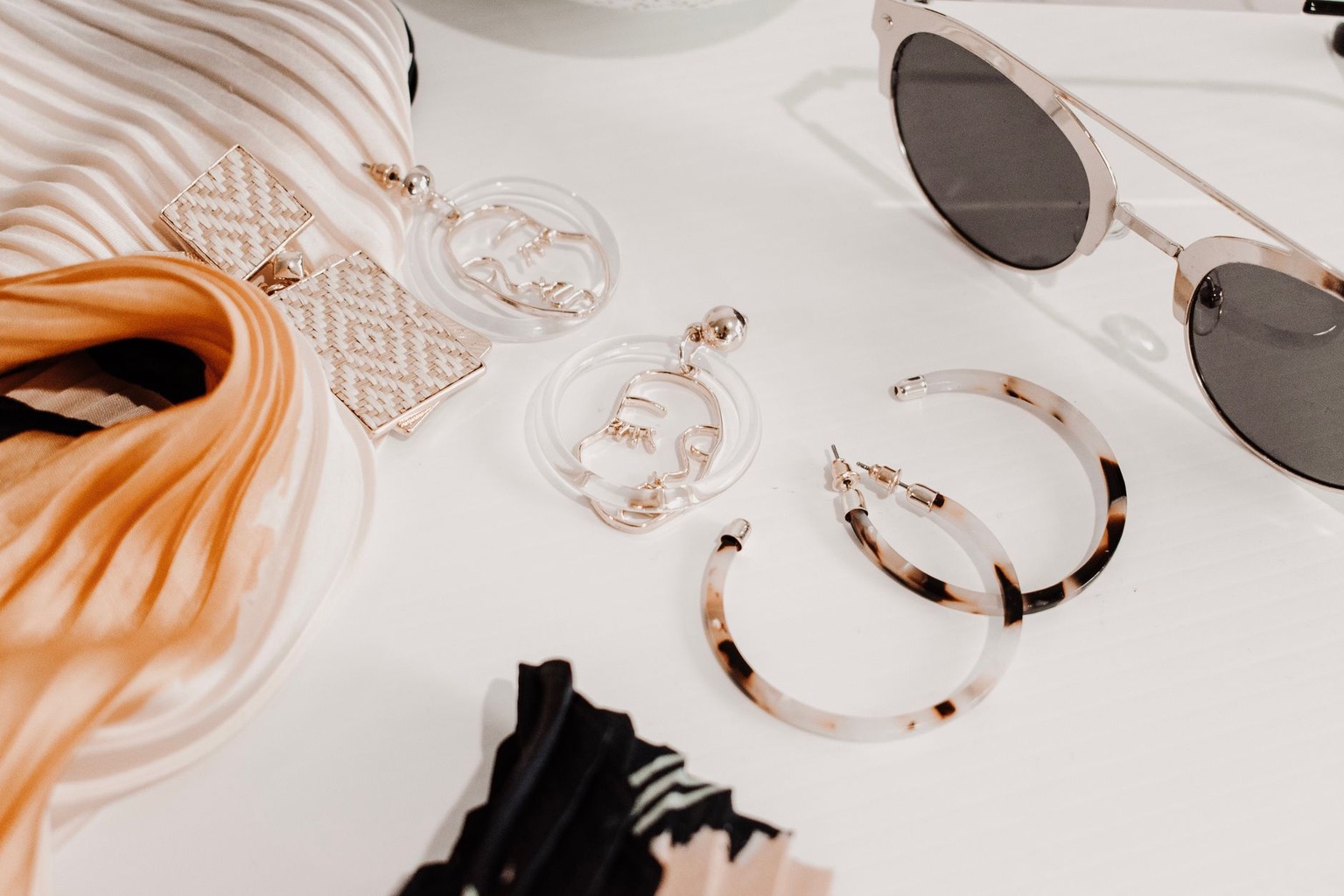
Use accessories like scarves, belts, or jewelry to subtly shift the tone of an outfit without changing the core garments. A simple neutral dress can become formal with heels and a statement necklace, or relaxed with sneakers and a denim jacket. This versatility allows you to adapt to unexpected changes in plans without needing to change clothes entirely. It also adds a layer of personal expression that reflects your current mood or creative impulse.
Observe how others in your community or workplace dress to identify unspoken norms that influence social acceptance and comfort. While you do not need to mimic anyone, understanding these patterns helps you avoid unintentional missteps that could create distance or confusion. You can then choose where to conform and where to stand out, making deliberate choices rather than reactive ones. This strategic approach to social styling enhances your ability to connect with others effectively.
Maintain Your Wardrobe for Long-Term Psychological Benefit
Implement a consistent care routine that includes proper washing, drying, and storage methods to extend the life of your garments. Delicate items like silk and cashmere require hand washing or dry cleaning, while sturdy cottons can often be machine washed on gentle cycles. Repairing minor snags or loose buttons promptly prevents small issues from becoming reasons to discard valuable pieces. This maintenance habit reflects a mindset of care and respect for your belongings, which translates into greater appreciation for them.
Store seasonal clothing in breathable garment bags or boxes with acid-free tissue paper to prevent damage from dust, light, and pests. Avoid plastic bags that trap moisture and cause yellowing or mildew over time. Regularly checking stored items for signs of wear or infestation ensures they remain in wearable condition when the season returns. This organized approach keeps your closet feeling clean and inviting rather than cluttered and stressful.
Revisit your styling choices every few months to assess whether your wardrobe still supports your current goals and emotional needs. As you grow and change, so will your preferences for fit, color, and style, requiring periodic updates to your collection. This ongoing dialogue with your closet ensures it remains a source of empowerment rather than a repository of past identities. It keeps the practice of dressing intentionally alive and relevant to your present life.

I’ve always loved curating unique looks and exploring how personal style can tell a story. Working as a freelance fashion enthusiast, I enjoy discovering emerging designers and sharing practical tips for building a timeless wardrobe.