Understanding Classic Fashion Style
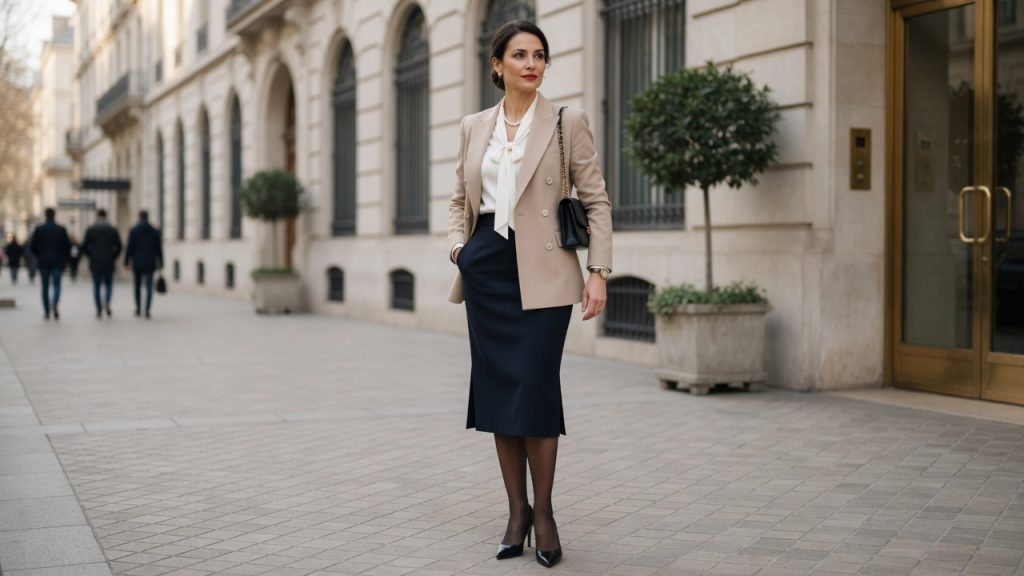
Classic fashion represents a style that transcends trends and fleeting fads, embodying elegance and simplicity that stand the test of time. At its core, classic fashion is about clean lines, quality fabrics, and well-tailored pieces that form the foundation of a versatile and enduring wardrobe. The style overview highlights its focus on staple items such as tailored blazers, crisp white shirts, trench coats, and timeless footwear that never go out of fashion.
The origins of classic fashion can be traced back to early 20th-century designers who emphasized understated sophistication over extravagant embellishments. Influences from icons like Coco Chanel and Ralph Lauren helped define what many consider the fashion definition of classic style: practical, polished, and perfectly balanced. Their creations emphasized functionality combined with elegance, establishing a look that could be appropriate in both professional and casual settings alike.
What makes classic fashion truly timeless is its ability to remain relevant across generations. Unlike trend-driven clothing that fades quickly, classic pieces are designed to be worn season after season without losing appeal. This continuity is rooted in the commitment to high-quality materials and craftsmanship, ensuring that these garments not only look good but also last for years. As a result, classic fashion appeals to individuals who value a sustainable approach to dressing that minimizes waste and maximizes style longevity.
Furthermore, classic fashion’s popularity endures because it offers a reliable style foundation onto which personal touches and contemporary trends can be added. This adaptability means that anyone, regardless of age or background, can incorporate classic fashion elements into their wardrobe for a polished, confident appearance. Thanks to its timeless fashion appeal, classic style remains an essential framework for those seeking elegance and simplicity in their daily dressing choices.
History of Classic Fashion
The fashion history of classic style origins reveals a fascinating evolution that spans centuries. Rooted in timeless elegance, classic fashion draws from early influences such as the tailored silhouettes of the Victorian era and the refined simplicity of the 1920s. These periods emphasized structure, quality fabrics, and sophisticated detailing, laying the foundation for what would become the hallmark characteristics of classic style.
As fashion evolved through the 20th century, classic style continued to adapt while maintaining its core principles. The mid-century era saw icons like Audrey Hepburn and Cary Grant popularize looks that were both polished and understated, further cementing the legacy of classic fashion. This style prioritized versatility and made an indelible impact on how people perceived timeless dressing.
In modern-day interpretations, the evolution of fashion includes blending traditional elements with contemporary trends, ensuring classic style remains relevant. Designers often revisit signature details like clean lines, neutral palettes, and quality craftsmanship that transcend fleeting trends. This ongoing dialogue between past and present showcases the enduring appeal of classic fashion, making it a go-to choice for those who value elegance and sophistication in their wardrobe.
Key Elements of Classic Style
The classic wardrobe is built on timeless essential pieces that serve as the foundation for a polished and sophisticated look. These staple items focus on quality, fit, and simplicity—traits that define the true style features of classic fashion. Key components typically include a well-tailored blazer, crisp white shirts, dark denim or tailored trousers, and a versatile trench coat. Each piece is carefully selected for its ability to mix and match effortlessly, creating numerous outfit combinations without sacrificing elegance.
Classic style features clean lines and neutral colors, emphasizing subtlety over trends. Fabrics such as wool, cotton, and silk dominate the classic wardrobe, prized for their durability and refined appearance. Shoes and accessories follow suit, generally opting for leather loafers, simple handbags, and understated jewelry to complete the ensemble. This approach ensures the wardrobe remains cohesive and functional across seasons and occasions.
Investing in these essential pieces not only highlights an individual’s personal style but also promotes sustainability by reducing the need for frequent replacement. The classic wardrobe is a celebration of timeless elegance and practical fashion, where every item plays a critical role in achieving a graceful and confident appearance that transcends fleeting trends.
How to Build a Classic Fashion Wardrobe
Building a classic fashion wardrobe is a timeless investment in style and versatility. The foundation lies in selecting wardrobe essentials that are both functional and elegant, allowing you to mix and match pieces effortlessly. To start, focus on quality fabrics and neutral colors, which are the hallmarks of classic clothing and make your wardrobe both flexible and enduring.
Key wardrobe essentials include a well-tailored blazer, crisp white shirts, a pair of dark denim jeans, and classic trousers. These items form the backbone of your outfits and can be dressed up or down depending on the occasion. Additionally, consider timeless pieces like a trench coat, a little black dress, and versatile knitwear that add polish and warmth to your wardrobe.
When building your wardrobe, pay attention to fit and fabric. Classic clothing is designed to flatter your body, so investing in tailoring ensures each piece fits perfectly. Natural fibers such as cotton, wool, and silk not only feel luxurious but also maintain their shape and appearance longer than synthetics. Shopping for quality over quantity guarantees a wardrobe that stands the test of time.
Style tips for assembling your collection include starting with a capsule wardrobe approach. Select a few foundational pieces in neutral shades such as navy, black, white, and beige. These colors work well together and serve as a backdrop for adding accessories and statement items. Accessories like a leather belt, a classic watch, and simple jewelry enhance your look without overpowering it.
When shopping, prioritize timeless designs over trendy items. Look for clean lines and understated details that won’t date quickly. It’s also wise to shop across seasons to find the best deals on high-quality classic pieces. Remember, building a classic fashion wardrobe is an evolving process — periodically reassess and replace items to keep your style fresh and polished for years to come.
Essential Clothing Items
Building a wardrobe with classic clothing essentials ensures a timeless and versatile style. These wardrobe staples form the foundation of any elegant closet, allowing for effortless outfit combinations that never go out of fashion.
- Trench Coat: A trench coat is a quintessential outerwear piece that adds sophistication to any look. Its waterproof fabric and structured design make it perfect for transitional weather while maintaining an air of elegance and durability.
- White Shirt: The crisp white shirt is a symbol of classic fashion. Ideal for both casual and formal occasions, it pairs seamlessly with jeans, skirts, or tailored trousers, making it one of the most versatile timeless clothes you can own.
- Tailored Trousers: Well-fitted tailored trousers elevate your appearance instantly. Whether in neutral tones or classic patterns, they offer a polished silhouette that works well in professional settings or smart casual ensembles.
- Little Black Dress: Often referred to as the epitome of timeless clothes, the little black dress is indispensable for elegant evenings and special events. Its simplicity and flattering cut ensure it remains an enduring classic.
- Cashmere Sweater: Soft, warm, and luxurious, a cashmere sweater adds cozy refinement to your wardrobe staples. Its timeless appeal lies in the simplicity and quality of the fabric, offering both comfort and style.
Incorporating these classic clothing essentials into your daily wardrobe guarantees a polished and enduring look, embodying style that transcends trends.
Choosing Colors and Fabrics
A cornerstone of classic fashion style lies in the choice of classic colors that exude timelessness and versatility. The preferred color palette often includes neutral tones like navy, black, white, beige, and camel. These hues easily pair with other pieces, ensuring that each outfit remains cohesive and polished. Incorporating subtle shades such as soft greys or muted pastels can add gentle variation without compromising the classic aesthetic.
When it comes to fabric choices, the emphasis is on quality, durability, and texture. Natural textiles such as wool, cotton, silk, and linen dominate the classic wardrobe for their comfort and longevity. Wool, particularly in its finer weaves like merino or cashmere, offers warmth and structure, making it ideal for suits, coats, and sweaters. Cotton remains a favorite for shirts and casual wear due to its breathability and ease of care.
Textile recommendations for a classic style prioritize fabrics that age well and maintain their appearance over time. Silk introduces a luxurious sheen and softness, perfect for blouses and scarves, while linen provides a relaxed sophistication, especially in warmer climates. Blending these fabrics thoughtfully helps achieve a wardrobe that balances elegance with practicality. By choosing a palette of classic colors and investing in high-quality fabric choices, the classic style promises enduring appeal and functional versatility for any occasion.
Styling Tips and Maintenance for Classic Fashion
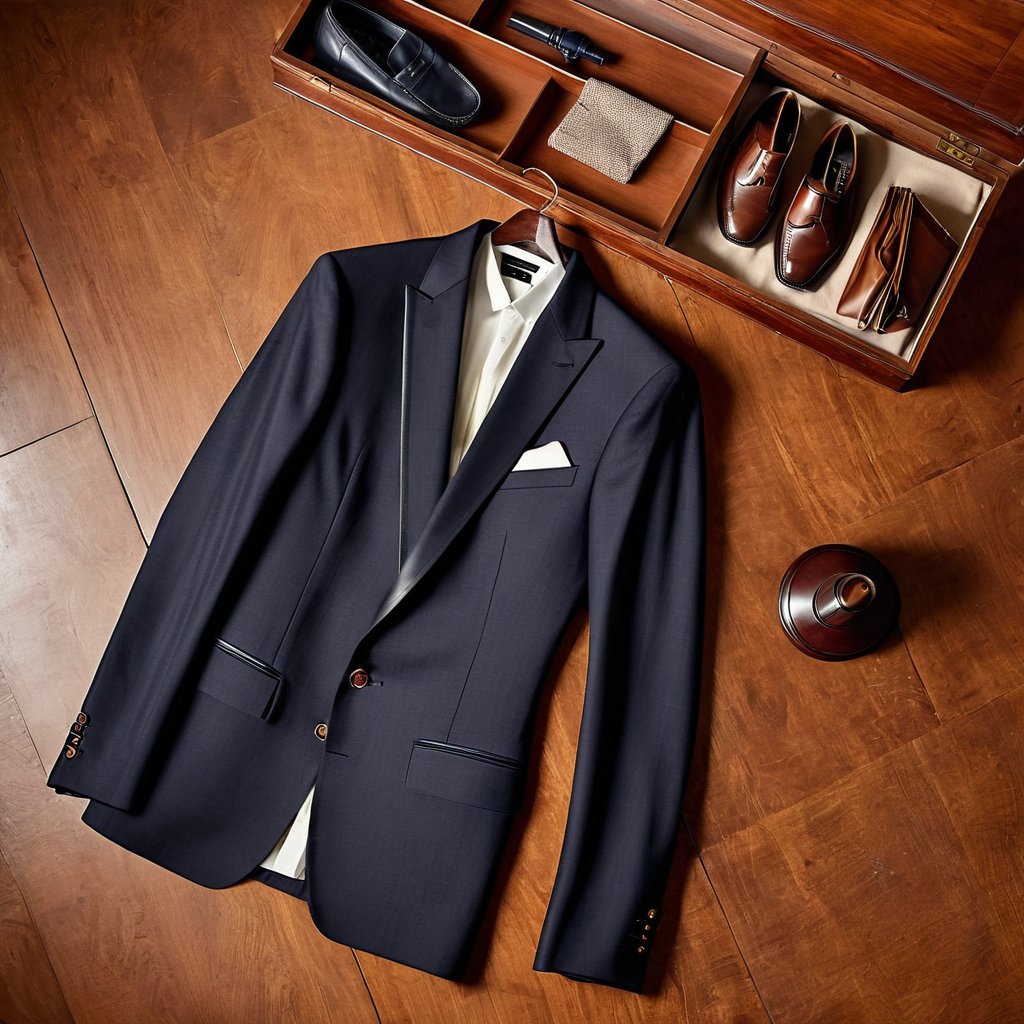
To achieve an impeccable classic fashion style, it is essential to pay attention to both your styling choices and the maintenance of your wardrobe. Classic outfit ideas often revolve around timeless pieces such as tailored blazers, crisp white shirts, well-fitted trousers, and elegant dresses. To keep these staples looking fresh and polished, focus on quality over quantity and invest in versatile items that form the foundation of your wardrobe.
When styling classic outfits, simplicity is key. Opt for neutral colors and subtle patterns, which allow for easy mix-and-match combinations. Accessories should be minimal yet sophisticated—think leather belts, classic watches, and simple jewelry. Make sure your clothing fits perfectly; tailoring can transform an ordinary piece into a refined statement. Keep the look balanced by combining structured pieces with softer fabrics to maintain elegance without appearing too rigid.
Fashion maintenance plays a critical role in preserving your classic style. Proper clothing care extends the life of your garments and ensures they maintain their shape and color. Always follow the care labels, and invest in high-quality hangers for your suits and dresses to avoid distortions. Regularly clean and condition leather shoes and accessories to keep them supple and shiny. For delicate fabrics, consider professional cleaning to prevent damage and fading.
Storage is equally important—store your clothes in a cool, dry place away from direct sunlight to prevent discoloration. Fold heavier knitwear rather than hanging it to avoid stretching. Rotate your wardrobe seasonally, giving each item a break and allowing you to inspect them for repairs or cleaning needs. Small details like removing lint, polishing shoes, and replacing damaged buttons contribute significantly to a polished look.
By combining smart style tips with diligent fashion maintenance, you ensure your classic outfits always look sharp and timeless. This attention to detail not only elevates your overall appearance but also maximizes the longevity of your wardrobe investments, making classic fashion a truly sustainable and elegant choice.
Accessorizing Classic Looks
When it comes to selecting classic accessories, the key is to choose pieces that enhance the timeless elegance of your outfit without overpowering it. Classic accessories should seamlessly complement your look, adding sophistication and polish. Think of quality over quantity—opt for well-crafted items that have enduring appeal.
Jewelry tips for classic fashion emphasize simplicity and refinement. Pearls, gold or silver chains, and understated stud earrings are perfect examples of timeless accessories that elevate any outfit. Avoid overly trendy or flashy pieces, and instead focus on items that can easily transition from day to night and across seasons.
When pairing accessories, consider balance and harmony. If you’re wearing a statement necklace, opt for more subtle earrings and bracelets. Conversely, if your outfit is minimalist, you can afford to add a bold watch or classic cufflinks. A leather handbag in a neutral color and a pair of elegant sunglasses can also enhance your overall look while maintaining the essence of classic style.
Ultimately, classic accessories are about timelessness—they never go out of style and always add a touch of grace. Invest in pieces that you’ll cherish for years, making your classic fashion style truly unforgettable.
Care and Longevity of Classic Clothing
Proper clothing care is essential to maintain the timeless appeal of your classic wardrobe. Start by following the fabric maintenance instructions on each garment’s label, as different materials require specific washing methods. For delicate fabrics such as silk and wool, hand washing or using a gentle cycle in cold water helps preserve their texture and color.
When it comes to storing classic clothing, avoid overcrowding your closet. Give each item enough space to breathe, which prevents wrinkles and fabric stress. Use padded hangers for jackets and blouses to maintain their shape, and fold knitwear or sweaters to avoid stretching. Consider garment bags for special or seasonal pieces to protect them from dust and insects.
Regularly inspect your wardrobe for minor repairs to extend fashion longevity. Promptly sewing loose buttons, fixing seams, and addressing small tears helps avoid bigger damage. Investing in professional tailoring for key pieces ensures they fit perfectly and last longer. By incorporating these clothing care, fabric maintenance, and repair tips, you can enjoy a classic style that remains elegant and durable for years to come.

I’ve always loved curating unique looks and exploring how personal style can tell a story. Working as a freelance fashion enthusiast, I enjoy discovering emerging designers and sharing practical tips for building a timeless wardrobe.