Layering is the quiet engine of modern dressing. It turns a single garment into a dynamic outfit, extends the life of seasonal pieces, and lets you adjust for temperature swings without sacrificing style. In boutique fashion, where every item is chosen for its texture, cut, and versatility, mastering layering techniques means you can wear the same blazer in July and January simply by swapping what goes underneath. The key is not piling on clothes but orchestrating proportions, fabrics, and colors so each layer feels intentional and the whole look remains balanced. When done well, layering doesn’t scream effort; it whispers confidence.
Understanding the Three-Tier System
The foundation of any layered outfit is the three-tier system: base, mid, and outer. The base layer sits directly against the skin and sets the tone for everything above it. In boutique dressing, this is often a fitted long-sleeve tee, a ribbed tank, or a lightweight turtleneck in neutral tones like black, white, or camel. These pieces should be slim enough to slide under a sweater without bunching, yet substantial enough to prevent see-through mishaps. A 100% cotton tee might breathe well, but a 95% cotton and 5% elastane blend will drape better and hold its shape through multiple wears.
Mid layers carry the visual weight of the outfit. Think chunky knits, tailored vests, or cropped jackets that hit at the waist or hip. The mid layer should contrast with the base in either texture or length. For example, a sleek silk cami under a boxy wool sweater creates tension between fluid and structured, while a cropped denim jacket over a long tunic plays with proportions. Boutique brands often design mid layers with adjustable details like drawstrings or snap buttons, allowing you to tweak the silhouette without buying new pieces. Pay attention to armholes; a mid layer with slightly wider sleeves will accommodate a base layer underneath without restricting movement.
The outer layer is the final statement, whether it’s a tailored coat, a trench, or a lightweight duster. Its job is to frame the layers beneath while adding a polished finish. In boutique fashion, outer layers are rarely bulky. Instead, they’re cut to skim the body, with strategic seaming that flatters the waist or shoulders. A wool-blend overcoat with a slightly nipped waist will look more expensive than a shapeless parka, even if the price tags are similar. When layering, leave at least half an inch of the mid layer visible beneath the outer layer to maintain depth and avoid a stuffed-sausage effect.
Fabric Pairing for Seasonal Transitions
Layering isn’t just about quantity; it’s about how fabrics interact. The wrong combination can make an outfit feel heavy or look sloppy, while the right one adds dimension and comfort. In spring and fall, when temperatures fluctuate, start with a lightweight base like linen or bamboo. These fabrics wick moisture and prevent overheating when you step indoors. Over that, add a mid layer in a denser material like merino wool or cashmere. Merino is naturally temperature-regulating, so it keeps you warm in the morning chill and cool in the afternoon sun. For outer layers, opt for unlined wool or technical fabrics like Tencel, which are breathable yet insulating.
Winter layering demands more strategic choices. A base layer of thermal silk or a thin merino tee traps heat without adding bulk. Mid layers should be thick enough to insulate but not so heavy that they restrict movement. A cable-knit sweater in a slim fit works better than a bulky fisherman’s knit, which can make you look wider. For outer layers, consider a down-filled vest or a wool-blend coat with a detachable lining. These pieces add warmth without the stiffness of a puffer jacket. In boutique fashion, winter layering often includes unexpected textures like faux fur collars or shearling-lined cuffs, which elevate the look while serving a functional purpose.
Summer layering is about illusion and airflow. Start with a breathable base like a sleeveless bodysuit or a linen tank. Over that, add a sheer mid layer such as a chiffon blouse or a crochet vest. These pieces add visual interest without trapping heat. For outer layers, choose open-weave fabrics like mesh or loosely knit cotton. A lightweight duster cardigan in a neutral tone can be draped over the shoulders when the sun sets, while a cropped linen blazer adds structure for a dinner out. The trick is to keep the layers loose and unbuttoned, allowing air to circulate while still creating depth in the outfit.
Proportion Play for Balanced Silhouettes
Proportion is the secret to making layered outfits look intentional rather than haphazard. The rule of thirds is a useful guideline: divide your body into three sections and aim to have one layer end at each division point. For example, a cropped sweater hitting at the waist, a long tunic ending at the hip, and a duster coat falling to the knee creates a harmonious balance. If all layers are the same length, the outfit can look boxy or shapeless. Boutique brands often design pieces with this in mind, offering cropped jackets and elongated tops that work together to flatter the figure.
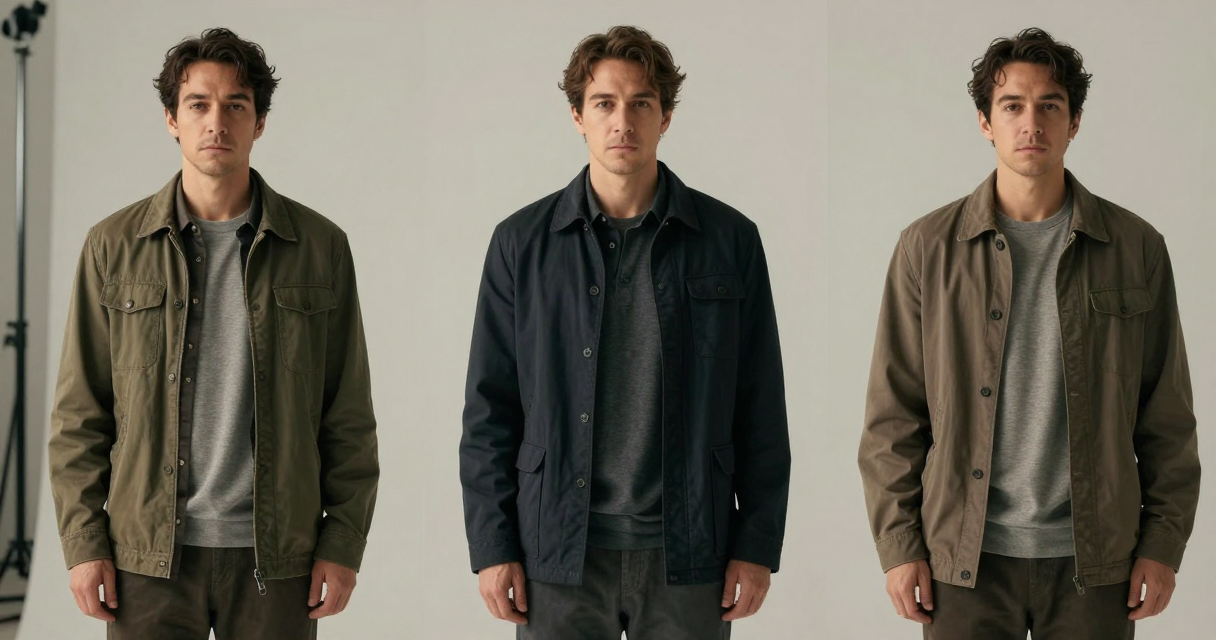
Volume is another tool for proportion play. If your base layer is fitted, your mid layer can afford to be looser. A slim-fit turtleneck under an oversized cardigan creates contrast, while a boxy tee under a tailored blazer keeps the look sharp. The key is to balance volume on top with a streamlined bottom. Wide-leg trousers or a pencil skirt will ground an outfit with a voluminous top, preventing it from overwhelming your frame. For petite figures, avoid layers that add bulk at the waist. Instead, opt for a cropped jacket or a high-waisted skirt to elongate the legs.
Sleeve proportions also matter. A three-quarter sleeve on a mid layer will show off the base layer’s cuff, adding a subtle detail. Conversely, a long-sleeve base under a sleeveless vest creates a clean, modern look. In boutique fashion, sleeves are often designed with functional details like roll-up tabs or adjustable buttons, allowing you to customize the length based on the layers beneath. If you’re wearing a thick sweater, choose an outer layer with slightly wider sleeves to accommodate the extra fabric without restricting movement.
Color Coordination Without Matching
Layering with color requires a balance between cohesion and contrast. A monochromatic palette is the easiest way to keep layers looking intentional. Stick to different shades of the same color, like a light gray base, a charcoal mid layer, and a black outer coat. This approach elongates the body and creates a sleek, minimalist look. Boutique brands often use tonal layering in their seasonal collections, pairing a camel sweater with a caramel coat or a deep navy tee with a midnight-blue blazer. The slight variation in shade adds depth without clashing.
For a bolder look, use the color wheel to guide your choices. Complementary colors, like blue and orange or red and green, create high contrast and visual interest. However, in layering, it’s best to use one as the dominant color and the other as an accent. For example, a mustard-yellow sweater over a cobalt-blue shirt will pop, while a forest-green coat over a rust-colored turtleneck feels rich and autumnal. Analogous colors, which sit next to each other on the wheel, like pink and red or teal and turquoise, are easier to blend. These combinations feel harmonious and work well for casual or workwear layering.
Neutrals are the backbone of any layered wardrobe. Black, white, beige, and gray act as a blank canvas, allowing you to experiment with textures and patterns without overwhelming the outfit. A black turtleneck under a white blazer with gray trousers is a classic combination that works in any season. Boutique fashion often plays with neutral layering by introducing subtle patterns like pinstripes, houndstooth, or herringbone. These add visual interest without disrupting the color flow. If you’re new to layering, start with neutrals and gradually introduce one statement color or pattern to keep the look polished.
Accessorizing Layered Outfits
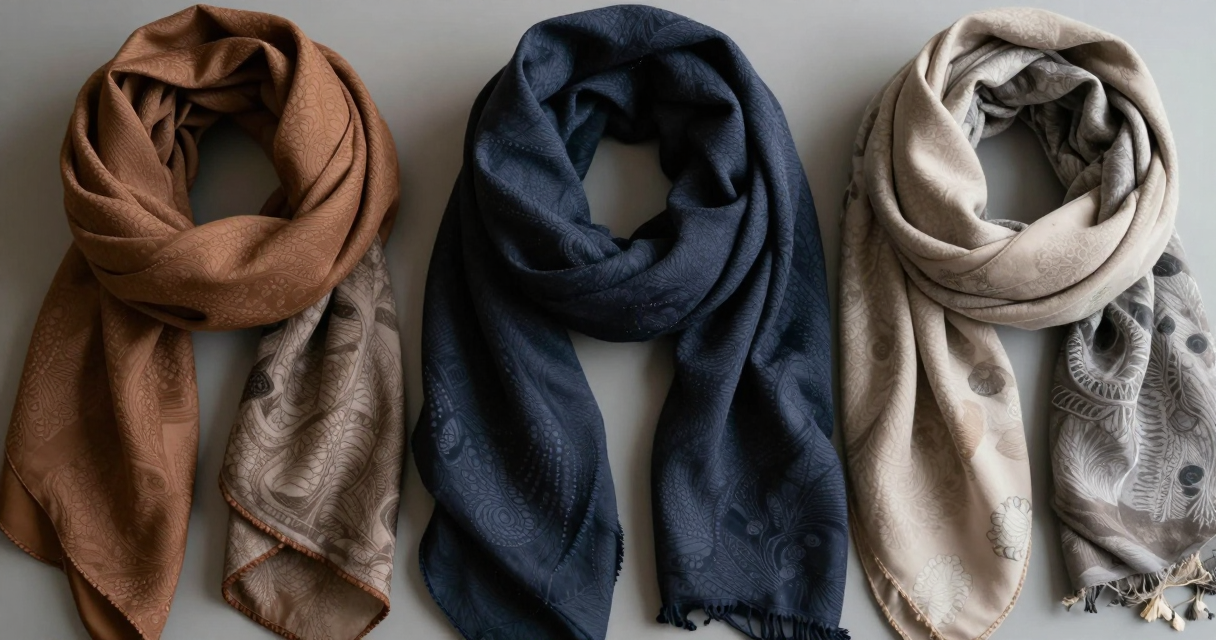
Accessories can make or break a layered outfit. The right pieces add polish, while the wrong ones can clutter the look. Scarves are the most versatile accessory for layering. A lightweight silk scarf draped over a blazer adds a touch of elegance, while a chunky knit scarf can be looped under a coat for extra warmth. In boutique fashion, scarves often come in unexpected textures like leather or metallic thread, which elevate a simple outfit. When wearing a scarf, let one end hang longer than the other to create asymmetry, which keeps the look dynamic.
Belts are another tool for defining the waist in layered outfits. A wide belt over a long cardigan or duster coat cinches the silhouette and prevents the layers from looking shapeless. For a more subtle effect, choose a thin belt in a matching color to the outer layer. Boutique brands often design coats and jackets with built-in belt loops, allowing you to adjust the fit as needed. If you’re wearing a voluminous top, a belt at the waist will create an hourglass shape, while a low-slung belt works better with high-waisted bottoms.
Jewelry should complement the layers rather than compete with them. Delicate gold or silver pieces work well with neutral outfits, while bold statement jewelry can anchor a monochromatic look. When layering necklaces, vary the lengths to create depth. A choker, a mid-length pendant, and a long chain will fill the neckline without tangling. For earrings, choose one statement piece or a pair of small hoops to keep the focus on the layers. In boutique fashion, accessories are often minimalist, with clean lines and high-quality materials that don’t overwhelm the outfit.
Layering for Different Occasions
Casual layering is all about comfort and ease. Start with a relaxed base like a graphic tee or a slouchy sweater. Over that, add a denim jacket or a utility vest for structure. For outer layers, a bomber jacket or an oversized cardigan keeps the look laid-back. The key is to mix textures: a cotton tee under a wool sweater with a leather jacket on top creates contrast without looking overdone. In boutique casual wear, details like raw hems, distressed denim, and asymmetrical cuts add edge to layered outfits. Finish with sneakers or ankle boots for a polished yet effortless vibe.
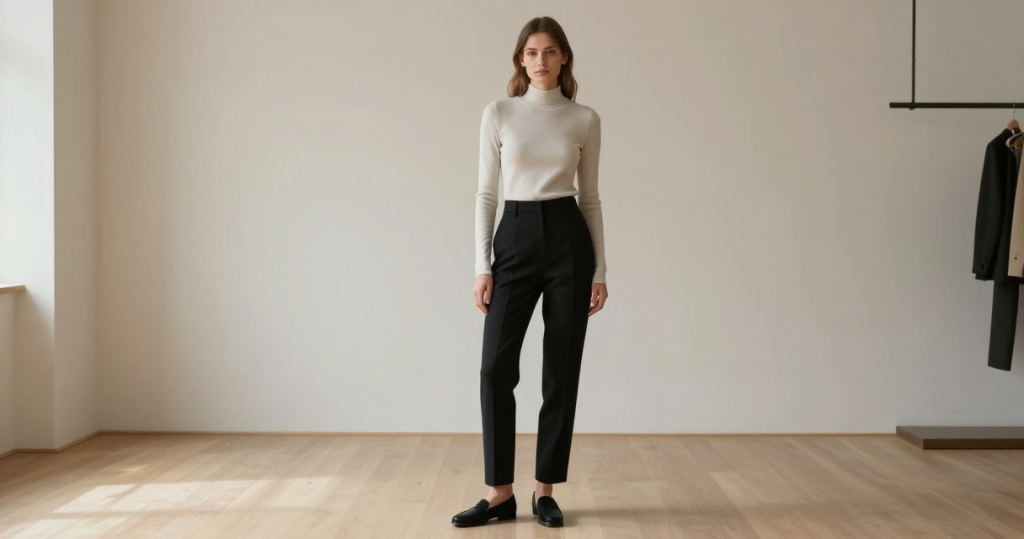
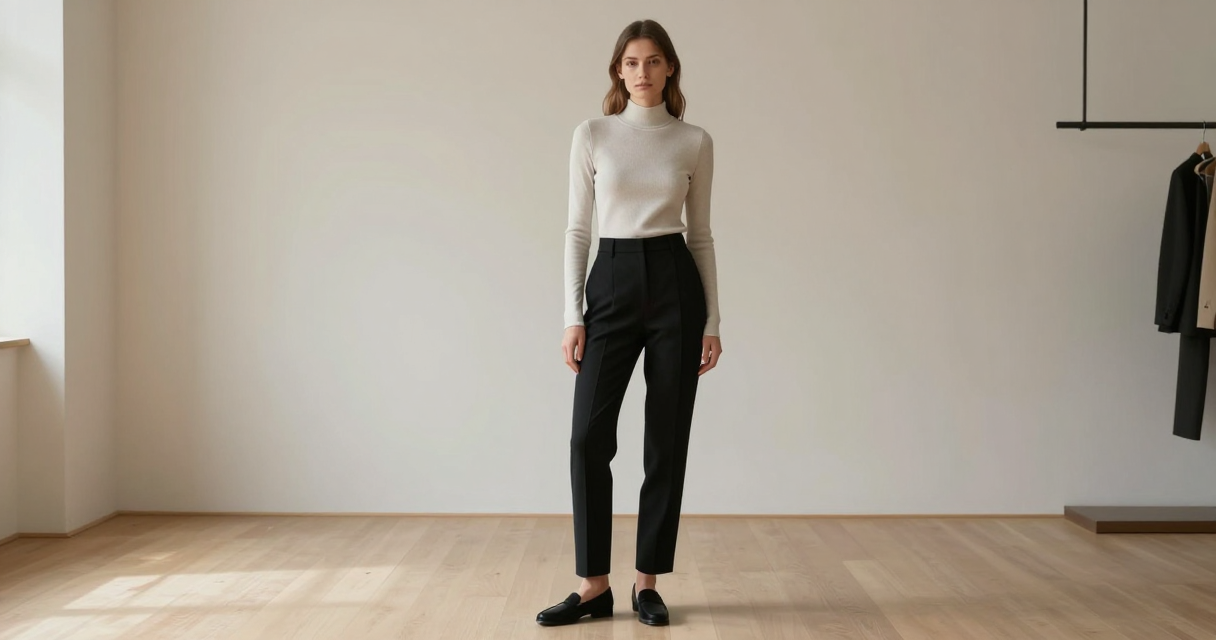
Workwear layering requires a balance between professionalism and personality. A tailored blazer is the cornerstone of a work-appropriate layered outfit. Pair it with a crisp button-down shirt and a sleek turtleneck underneath for a modern twist. For bottoms, opt for tailored trousers or a pencil skirt to keep the look sharp. Boutique brands often design blazers with stretch or adjustable waistbands, making them more comfortable for all-day wear. If your office allows for creativity, add a patterned scarf or a statement belt to personalize the outfit. Avoid bulky layers like puffer vests, which can look too casual for a professional setting.
Evening layering is about sophistication and drama. Start with a sleek base like a silk cami or a lace bodysuit. Over that, add a structured mid layer like a cropped blazer or a sequined vest. For outer layers, a longline coat or a faux fur stole adds glamour. The key is to keep the layers slim and tailored to avoid looking bulky. In boutique evening wear, fabrics like velvet, satin, and brocade are popular for their luxurious feel. Accessorize with statement jewelry and a clutch to complete the look. If you’re wearing a bold outer layer, keep the base and mid layers neutral to let the coat or stole shine.

I’ve always loved curating unique looks and exploring how personal style can tell a story. Working as a freelance fashion enthusiast, I enjoy discovering emerging designers and sharing practical tips for building a timeless wardrobe.